
Pilgrimage
Amritsar
Amritsar, the spiritual heart of Sikhism, is a city where faith, history, and resilience converge around the shimmering Golden Temple. Founded by Guru Ram Das in 1577, this sacred metropolis invites pilgrims and travelers to immerse in the divine nectar of the Amrit Sarovar and witness the selfless service of the langar. From the hallowed corridors of Jallianwala Bagh to the vibrant ceremony at Wagah Border, Amritsar offers a profound journey into India's soul.
The Story of Amritsar
Amritsar's identity is inseparable from the Sikh faith. Guru Ram Das, the fourth Sikh Guru, laid the city's foundation around the sacred tank, and his successor, Guru Arjan Dev, completed the Harmandir Sahib and compiled the Adi Granth within its precincts. The temple's gilded exterior, added under Maharaja Ranjit Singh in the early 19th century, reflects the sovereign's devotion and the community's prosperity. As the holiest gurdwara, it is the spiritual nucleus for millions, while the Akal Takht, facing it, serves as the highest temporal seat of Sikh authority, guiding the community's worldly affairs. This dual spiritual-temporal significance makes Amritsar the epicenter of Sikh heritage.
bestTime
bestTime
Ideal Duration
idealDuration
Nearest Airport
Sri Guru Ram Dass Jee International Airport, Amritsar (~11 km)
Nearest Railway Station
Amritsar Junction Railway Station
Traveler Suitability
Very accessible year-round for all traveller types; the Golden Temple complex is flat, wheelchair-friendly and open 24 hours.
Continental climate: cold winters (Dec-Jan, down to ~4°C), hot summers (Apr-Jun, up to 42°C), monsoon Jul-Sep.
Why Visit
Spiritual Immersion
Experience the divine tranquility of the Golden Temple and the Amrit Sarovar, a place of profound peace and devotion.
Historical Significance
Walk through Jallianwala Bagh, where the 1919 massacre galvanized India's freedom struggle, and visit the Partition Museum.
Architectural Marvel
Admire the stunning gold-leafed architecture of the Golden Temple and the silver doors of the Durgiana Temple.
Culinary Delights
Savor the legendary Amritsari kulcha, lassi, and makhani dishes that are famous worldwide.
Cultural Spectacle
Witness the energetic Beating Retreat ceremony at Wagah Border, a unique display of national pride.
Community Service
Participate in the langar, the world's largest free community kitchen, and experience the spirit of seva (selfless service).
Weather & Best Time to Visit
Overview
Amritsar, founded in 1577 by Guru Ram Das, is a city that pulses with divine energy and historical depth. Its centerpiece, the Harmandir Sahib, commonly known as the Golden Temple, stands serenely on the Amrit Sarovar, the 'pool of nectar,' symbolizing the city's sacred origin. The temple's four entrances welcome all faiths, embodying Sikhism's universal message. Beyond its spiritual aura, Amritsar bears witness to India's struggle for freedom at Jallianwala Bagh, celebrates the daily pageantry at the Wagah Border, and tantalizes taste buds with its legendary cuisine. This is a destination where every corner tells a story of devotion, courage, and resilience.
Highlights
- Golden Temple (Harmandir Sahib) and its serene Amrit Sarovar
- Langar – world's largest free community kitchen
- Akal Takht and its historical significance
- Jallianwala Bagh memorial and martyrs' well
- Wagah Border Beating Retreat ceremony
- Durgiana Temple and its silver doors
Places That Define Amritsar
Discover the iconic attractions that make this destination unforgettable
Golden Temple (Harmandir Sahib)
The holiest gurdwara in Sikhism, the Golden Temple sits on the Amrit Sarovar tank and is connected by a causeway. Its four entrances symbolize openness to all faiths, and the upper floors are covered in gold leaf, a gift from Maharaja Ranjit Singh. Visitors can soak in the spiritual atmosphere, listen to continuous kirtan, and witness the world's largest free community kitchen.
Jallianwala Bagh
This public garden is the site of the tragic 1919 massacre, where British troops fired on an unarmed gathering, killing hundreds. The preserved walls still bear bullet marks, and the Martyrs' Well stands as a somber reminder. It is a pivotal memorial in India's independence movement, just a short walk from the Golden Temple.
Wagah Border
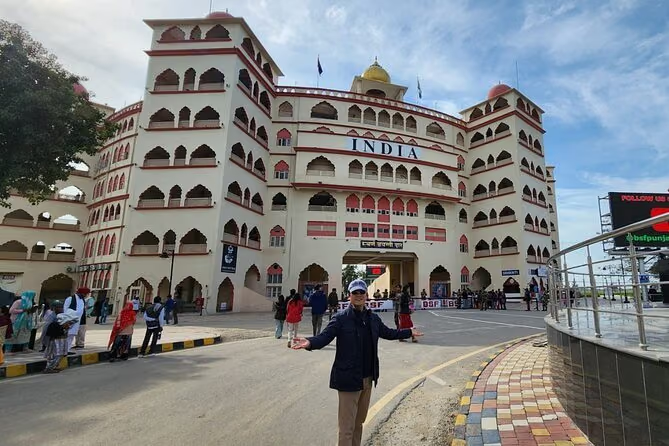
Located about 28 km from Amritsar, the Wagah Border is the India-Pakistan crossing famous for its daily Beating Retreat ceremony. Every evening, the BSF and Pakistan Rangers perform a highly choreographed flag-lowering display, complete with high kicks and spirited marches. The energetic event draws large crowds on both sides of the border.
Akal Takht
Facing the Golden Temple, the Akal Takht is the highest temporal seat of Sikh authority, one of the five Takhts. It was established by Guru Hargobind as a place for resolving political and military matters. The building houses the Guru Granth Sahib during the day and serves as a center for issuing edicts (hukamnama).
Durgiana Temple
This Hindu temple, dedicated to Goddess Durga, is built in a style reminiscent of the Golden Temple, with a central sanctum set in a tank. Its silver-plated doors and ornate carvings make it a striking sight. It is a major pilgrimage site for Hindus and is often called the 'Silver Temple'.
Partition Museum
Housed in the historic Town Hall building, this museum documents the 1947 Partition of India through personal testimonies, photographs, and artifacts. It offers a deeply moving and educational experience about one of the largest mass migrations in history. The museum is a must-visit for understanding the region's modern history.
Religious & Cultural Overview
Significance
Amritsar is the holiest city in Sikhism, housing the Golden Temple and the Akal Takht, and is a center of Sikh religious and cultural life.
Sikh Heritage Significance
The Golden Temple, built by Guru Arjan Dev, is the supreme spiritual authority for Sikhs, while the Akal Takht is the temporal seat, guiding the community's affairs.
Guru Tradition Significance
The city was founded by Guru Ram Das, and the Guru Granth Sahib was compiled here, making it a living link to the Gurus.
Langar Significance
The langar at the Golden Temple serves free meals to tens of thousands daily, embodying the Sikh principles of equality and service.
Practices
- •Offering prayers and listening to kirtan (devotional music) at the Golden Temple
- •Participating in the langar (community kitchen) service
- •Taking a ritual dip in the Amrit Sarovar
- •Visiting the Akal Takht for spiritual guidance
- •Performing parikrama (circumambulation) around the sacred tank
Traditions
- •Daily Palki Sahib ceremony, where the Guru Granth Sahib is carried to its resting place
- •Celebrating Gurpurabs (anniversaries of Gurus) with processions and readings
- •Observing Vaisakhi with fervor, marking the founding of the Khalsa
- •Offering karah prasad (sacred sweet) to devotees
- •Maintaining the tradition of seva (selfless service) by volunteers
Important Temples
Getting There
Things To Do
Visit the Golden Temple
Spend time in the serene precincts of the Harmandir Sahib, marvel at its golden architecture, and soak in the spiritual atmosphere. Join the langar to experience community service firsthand.
2-3 hours
Explore Jallianwala Bagh
Walk through this poignant memorial garden, see the bullet marks on the walls, and pay respects at the martyrs' well. It's a moving reminder of India's struggle for freedom.
1-2 hours
Witness the Wagah Border Ceremony
Travel to the India-Pakistan border and watch the dramatic Beating Retreat ceremony, a colorful display of patriotism and military pageantry. Arrive early to get a good spot.
3-4 hours (including travel)
Tour the Partition Museum
Located in the Town Hall, this museum offers a deeply moving collection of personal stories, photographs, and artefacts from the 1947 Partition. It's an essential stop for understanding modern South Asian history.
1-2 hours
Discover Durgiana Temple
Visit this Hindu temple, modeled after the Golden Temple, set in a tank with silver-plated doors. It is dedicated to Goddess Durga and is a beautiful example of shared architectural heritage.
1 hour
Indulge in Amritsari Cuisine
Embark on a food trail to taste the city's famous kulcha, lassi, and makhani dishes. From street stalls to heritage restaurants, Amritsar is a culinary paradise.
2-3 hours
Top Attractions
Golden Temple (Harmandir Sahib)
The holiest gurdwara in Sikhism, the Golden Temple sits on the Amrit Sarovar tank and is connected by a causeway. Its four entrances symbolize openness to all faiths, and the upper floors are covered in gold leaf, a gift from Maharaja Ranjit Singh. Visitors can soak in the spiritual atmosphere, listen to continuous kirtan, and witness the world's largest free community kitchen.
Jallianwala Bagh
This public garden is the site of the tragic 1919 massacre, where British troops fired on an unarmed gathering, killing hundreds. The preserved walls still bear bullet marks, and the Martyrs' Well stands as a somber reminder. It is a pivotal memorial in India's independence movement, just a short walk from the Golden Temple.
Wagah Border
Located about 28 km from Amritsar, the Wagah Border is the India-Pakistan crossing famous for its daily Beating Retreat ceremony. Every evening, the BSF and Pakistan Rangers perform a highly choreographed flag-lowering display, complete with high kicks and spirited marches. The energetic event draws large crowds on both sides of the border.
Akal Takht
Facing the Golden Temple, the Akal Takht is the highest temporal seat of Sikh authority, one of the five Takhts. It was established by Guru Hargobind as a place for resolving political and military matters. The building houses the Guru Granth Sahib during the day and serves as a center for issuing edicts (hukamnama).
Durgiana Temple
This Hindu temple, dedicated to Goddess Durga, is built in a style reminiscent of the Golden Temple, with a central sanctum set in a tank. Its silver-plated doors and ornate carvings make it a striking sight. It is a major pilgrimage site for Hindus and is often called the 'Silver Temple'.
Partition Museum
Housed in the historic Town Hall building, this museum documents the 1947 Partition of India through personal testimonies, photographs, and artifacts. It offers a deeply moving and educational experience about one of the largest mass migrations in history. The museum is a must-visit for understanding the region's modern history.
Gobindgarh Fort
An 18th-century fort built by Sikh rulers and later used by the British, Gobindgarh Fort has been restored as a heritage and entertainment complex. Visitors can explore its ramparts, museums, and live shows that bring Punjabi history to life. The fort also houses a light and sound show in the evening.
Ram Bagh Gardens
These formal Mughal-style gardens were laid out by Maharaja Ranjit Singh and are named after Guru Ram Das. The gardens feature the summer palace of Maharaja Ranjit Singh, now a museum displaying weapons and paintings. It's a peaceful escape from the city's bustle, ideal for a leisurely stroll.
Guru Ka Langar (Community Kitchen)
The Golden Temple's langar is the world's largest free community kitchen, feeding tens of thousands of people daily regardless of religion, caste, or background. Visitors can volunteer to help prepare or serve food, which is a deeply humbling experience. The meal is simple, vegetarian, and served with love and equality.
Travel Tips
Head Coverings
Always carry a headscarf or use the ones provided at the Golden Temple. It's a sign of respect and required for entry.
Shoes and Socks
You must remove shoes before entering the Golden Temple complex. You can leave them at the designated counters, but it's wise to wear socks to protect your feet from the hot ground.
Langar Etiquette
Participate in the langar with humility. Sit on the floor, accept the food with both hands, and eat quietly. It's a communal experience.
Wagah Border Timing
Arrive at least an hour before the ceremony (usually around 4:30 PM in winter, 5:30 PM in summer) to get a good spot. The ceremony lasts about 45 minutes.
Local Transport
Use auto-rickshaws or local buses to get around. For the Wagah Border, consider a shared taxi or tour to avoid parking hassles.
Frequently Asked Questions
The best time to visit is from October to March when the weather is pleasant and ideal for sightseeing. The winter months offer a comfortable climate, while the summer can be very hot.
Amritsar has its own airport (Sri Guru Ram Dass Jee International Airport) with domestic and international connections. It is also well-connected by rail and road to major Indian cities.
Visitors are required to cover their heads (scarves are available) and remove shoes before entering the temple premises. Modest clothing is recommended, and smoking and alcohol are strictly prohibited.
Yes, the Wagah Border is open to tourists, and the ceremony is held every evening. It's advisable to arrive early to secure a good view, and security checks are in place.
The langar is a free community kitchen that serves meals to all visitors, regardless of religion, caste, or background. It embodies the Sikh principles of equality, service, and community sharing.
Plan Your Own Trip
Tell us what you're looking for and how many days you have — we'll instantly put together a personalised itinerary for Amritsar.
Tour Packages for Amritsar

Planning a trip to Amritsar?
Talk to our travel experts for a customised group tour package.