

Bihar
Cradle of Buddhism, Ancient Learning & the Ganges Plain
Bihar, cradled by the Ganges plain, is the birthplace of Buddhism's enlightenment story at Bodh Gaya and home to the ruins of the ancient Nalanda and Vikramshila universities.
About Bihar
Overview
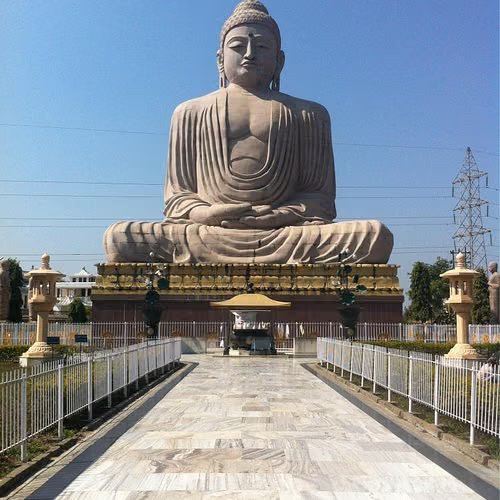
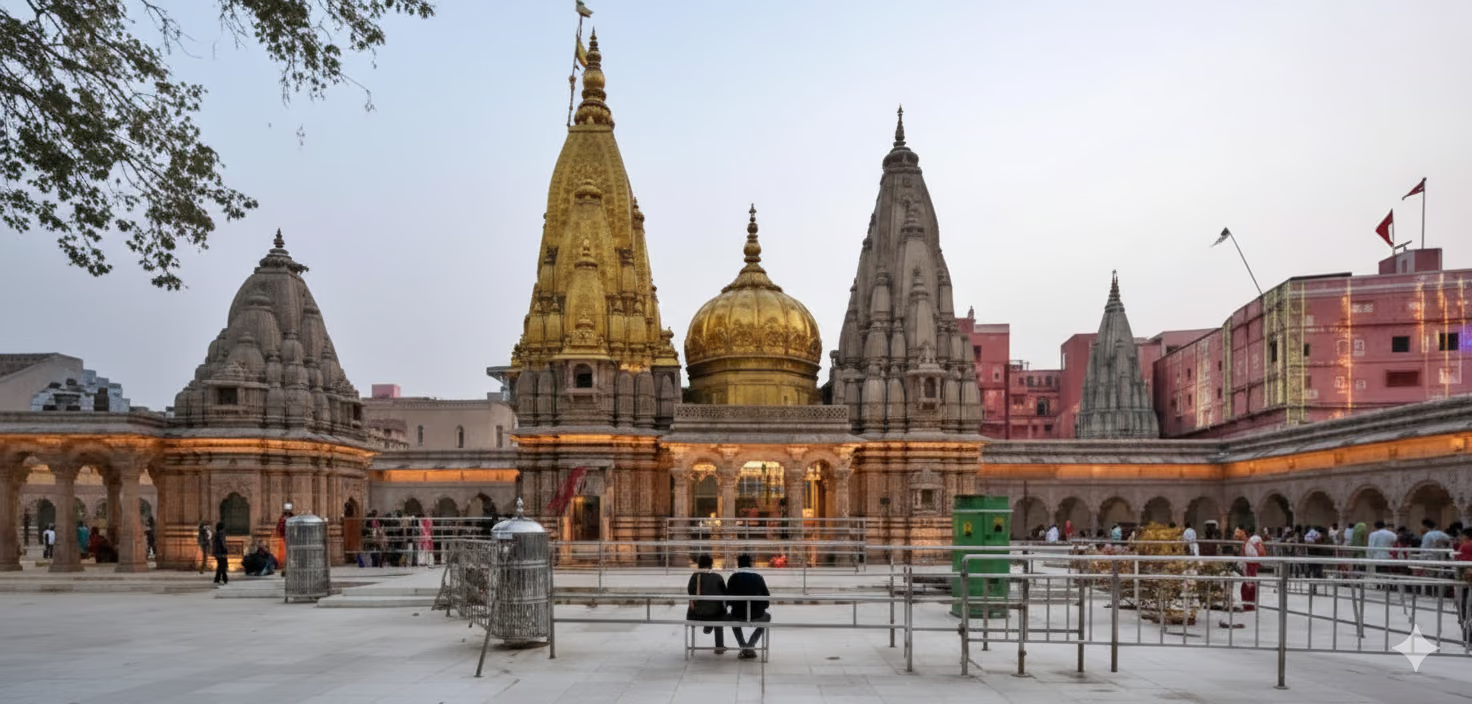
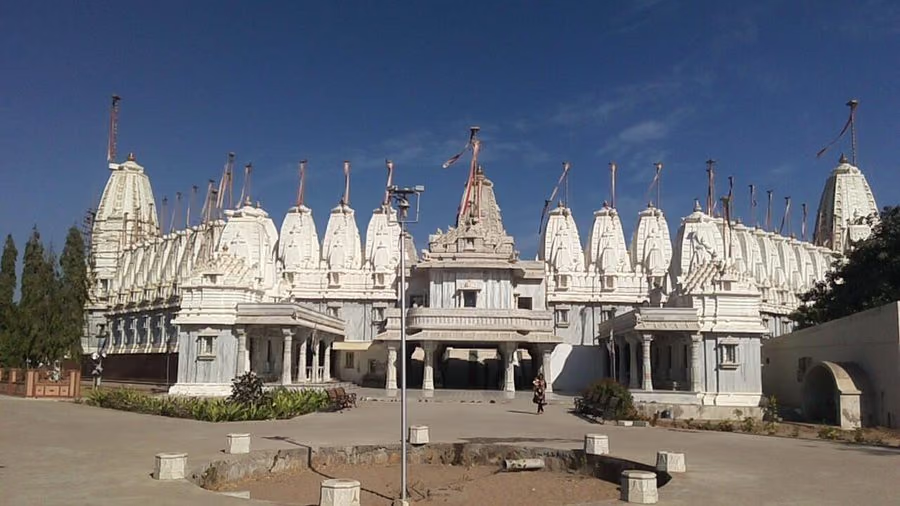
Bihar sits on the fertile Gangetic plain of eastern India, with the Ganges river flowing through its heart past the capital, Patna, one of the oldest continuously inhabited cities in the world. The state is central to Buddhist history: Siddhartha Gautama is believed to have attained enlightenment under the Bodhi Tree at Bodh Gaya, home to the UNESCO-listed Mahabodhi Temple Complex. Bihar was also the seat of ancient India's great seats of learning, including the ruined Nalanda Mahavihara, one of the world's first residential universities, and Vikramshila. The state is closely associated with Jain and Sikh heritage too — Vaishali and Rajgir hold deep Jain significance, and Patna Sahib is revered as the birthplace of Guru Gobind Singh. Bihar's Chhath Puja, dedicated to the Sun god, is among India's most visually striking festivals, observed on riverbanks and ponds across the state.
- Mahabodhi Temple Complex, Bodh Gaya (UNESCO, 2002) — site of Buddha's enlightenment
- Nalanda Mahavihara — ruins of an ancient residential university dating to the 5th century
- Vaishali — an important Jain and Buddhist pilgrimage site
- Patna Sahib — birthplace of Guru Gobind Singh, a major Sikh pilgrimage gurdwara
Top Destinations in Bihar
View All DestinationsTour Packages for Bihar

Culture & Heritage
Bihar's cultural identity is inseparable from its role as a cradle of Buddhism, Jainism and ancient learning, with Nalanda and Vikramshila once drawing scholars from across Asia. Its Mithila (Madhubani) painting tradition, folk music and the Chhath Puja remain vibrant living traditions today.
- Madhubani (Mithila) Painting
- Ancient Seats of Learning (Nalanda, Vikramshila)
- Buddhist & Jain Pilgrimage Heritage
- Chhath Puja Traditions
Famous Festivals
- Chhath Puja — October / NovemberA four-day festival honoring the Sun god, observed with rituals on riverbanks and ponds at sunrise and sunset.
- Sonepur Mela — November / DecemberOne of Asia's largest cattle fairs, held on the banks of the Ganges and Gandak rivers near Patna.
- Makar Sankranti — JanuaryA harvest festival marked with kite flying and sweets made from til (sesame) and gur (jaggery).
Food of Bihar
- Litti ChokhaRoasted wheat balls stuffed with sattu (roasted gram flour), served with mashed spiced vegetables — Bihar's signature dish.
- Sattu ParathaFlatbread stuffed with spiced roasted gram flour, a protein-rich staple.
- ThekuaA sweet, dense fried wheat and jaggery cookie traditionally prepared for Chhath Puja.
- KhajaA flaky, layered sweet pastry originating from the Silao area near Nalanda.
Travel Information
How to Reach
- Patna's international airport connects to major Indian cities and select international destinations.
- Patna and Gaya are major railway junctions on the eastern trunk lines, well connected across India.
- National highways connect Patna to Gaya, Nalanda, Vaishali and neighboring states.
Nearest Airports
- Jay Prakash Narayan International Airport (PAT) — Patna
- Gaya Airport (GAY) — Gaya
Travel Tips
- Chhath Puja (Oct/Nov) draws huge crowds to riverbanks and ghats — plan accommodation and travel well ahead if visiting then.
- Summers (Apr–Jun) are extremely hot on the Gangetic plain; October to March is far more comfortable for sightseeing.
- Bodh Gaya and Nalanda are best combined with Rajgir and Patna Sahib on a short eastern-Bihar heritage circuit.
Frequently Asked Questions
October to March offers Bihar's most pleasant, dry weather, with comfortable daytime temperatures well suited to visiting Bodh Gaya, Nalanda and other outdoor heritage sites. Avoid the peak summer heat of April-June, when temperatures on the Gangetic plain regularly exceed 40°C, and the humid monsoon months of July-September, which can also disrupt road travel. If you want to witness Chhath Puja, one of Bihar's most striking festivals, plan a visit for October or November, though accommodation and travel should be booked well ahead due to the huge crowds.
Four to five days covers the core Buddhist circuit at a comfortable pace: a day or two in Bodh Gaya for the Mahabodhi Temple and its surrounding monasteries, a day for the Nalanda Mahavihara ruins, a half-day for Rajgir's temples and hot springs, and a day for Vaishali's Jain and Buddhist sites. Basing yourself in Bodh Gaya or Patna works well since the main sites sit within about an hour of one another. Travelers wanting to add Patna Sahib or explore Patna's museums and riverfront should allow an extra day.
Bihar is the heartland of Buddhist heritage, centered on Bodh Gaya's UNESCO-listed Mahabodhi Temple, believed to mark the spot where Siddhartha Gautama attained enlightenment, and the nearby ruins of Nalanda, one of the world's first residential universities. It's equally significant for Jain and Sikh history, with Vaishali revered by Jains and Patna Sahib honored as the birthplace of Guru Gobind Singh. Bihar is also known for the dramatic riverside rituals of Chhath Puja and for ancient sites tied to Emperor Ashoka, who ruled much of the subcontinent from Pataliputra, near modern Patna.
Jay Prakash Narayan International Airport at Patna (PAT) is the main gateway, with regular domestic flights and a handful of international connections. Gaya Airport (GAY), close to Bodh Gaya, also operates flights, including seasonal international services aimed at Buddhist pilgrims from Sri Lanka, Thailand, Myanmar and Japan. Choosing Gaya over Patna can save significant road time if Bodh Gaya and Nalanda are your main focus, since Patna is roughly two hours further away by road.
Yes — Bodh Gaya, Nalanda and Rajgir sit within about an hour of each other by road, and the circuit is very well established for organised pilgrim and heritage group tours, with experienced local guides and a range of hotels near Bodh Gaya. Roads between the sites are generally in good condition and the terrain is flat, making it manageable for groups with mixed mobility levels. Vaishali and Patna Sahib add a bit more driving time but remain straightforward day-trip additions from the same base.