
Best Time to Visit Bodh Gaya
Bodh Gaya, the holiest site in Buddhism, lies in the Gangetic plains of Bihar, India, where the Buddha attained enlightenment. The climate is defined by a hot, dry pre-monsoon seas
Overview
Bodh Gaya, the holiest site in Buddhism, lies in the Gangetic plains of Bihar, India, where the Buddha attained enlightenment. The climate is defined by a hot, dry pre-monsoon season, a sweltering monsoon with heavy rainfall, and a cool, dry winter. The best time to visit is from October to March, when temperatures are pleasant and skies are clear, though the winter months of December and January bring a festive pilgrimage season.
Monthly Breakdown
January
Temperature: 9°C to 22°C
Weather: Cool and dry with clear skies; occasional fog in early mornings.
Crowds: Very high due to peak pilgrimage season and Buddhist festivals.
Rating: ⭐⭐⭐⭐⭐
Ideal for sightseeing; mornings can be chilly, so carry a light jacket. Join the evening prayers at the Mahabodhi Temple for a serene experience.
February
Temperature: 13°C to 26°C
Weather: Mild and dry, with increasing warmth as the month progresses.
Crowds: High; still a popular month for pilgrims and tourists.
Rating: ⭐⭐⭐⭐⭐
Perfect for exploring the temple complex and monasteries. Early mornings are calm and comfortable for meditation.
March
Temperature: 19°C to 32°C
Weather: Warming up, with dry conditions and occasional light pre-monsoon showers.
Crowds: Moderate; less crowded than winter months.
Rating: ⭐⭐⭐⭐
Visit in the early morning or late afternoon to avoid midday heat. Good time for photography with clear skies.
April
Temperature: 22°C to 37°C
Weather: Hot and dry, with rising temperatures and occasional dust storms.
Crowds: Low; fewer pilgrims due to the heat.
Rating: ⭐⭐
Only for heat-tolerant travelers; plan indoor activities during midday and hydrate frequently.
May
Temperature: 25°C to 36°C
Weather: Very hot and humid, with occasional thunderstorms bringing limited relief.
Crowds: Low; the hottest month deters most visitors.
Rating: ⭐
Not recommended for most; if you must visit, do so only in early morning or after sunset.
June
Temperature: 28°C to 37°C
Weather: Hot and humid, with pre-monsoon showers; monsoon onset often brings heavy rain.
Crowds: Low; monsoon season begins, but rains are not yet continuous.
Rating: ⭐⭐
Carry rain gear; the temple complex can be slippery. Fewer crowds mean a more solitary experience.
July
Temperature: 27°C to 33°C
Weather: Warm and very wet; heavy monsoon rains with high humidity.
Crowds: Very low; most pilgrims avoid the rainy season.
Rating: ⭐
Expect rain-soaked paths and occasional flooding. Only visit if you are prepared for heavy downpours.
August
Temperature: 26°C to 33°C
Weather: Warm and extremely wet; peak monsoon with frequent heavy showers.
Crowds: Very low; the site is quiet but often waterlogged.
Rating: ⭐
Check weather forecasts; the Bodhi Tree area may be closed during severe storms. Not ideal for first-time visitors.
September
Temperature: 25°C to 32°C
Weather: Warm and humid; monsoon recedes gradually, with rains tapering off by month's end.
Crowds: Low to moderate; some pilgrims return as the weather improves.
Rating: ⭐⭐⭐
Late September offers a good balance; the complex is lush and green. Carry an umbrella for occasional showers.
October
Temperature: 22°C to 30°C
Weather: Pleasant and dry; monsoon ends early in the month, leaving clear skies.
Crowds: Moderate; the start of the peak season.
Rating: ⭐⭐⭐⭐⭐
Excellent time for sightseeing and attending the annual Buddhist festival (Kalachakra) if scheduled. Comfortable temperatures.
November
Temperature: 15°C to 26°C
Weather: Cool and dry with sunny days and crisp nights.
Crowds: High; peak pilgrimage season begins.
Rating: ⭐⭐⭐⭐⭐
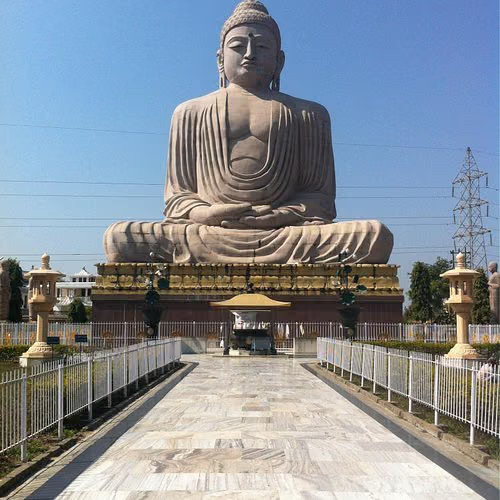
Ideal for exploring the monasteries and the Great Buddha Statue. Book accommodation well in advance.
December
Temperature: 10°C to 22°C
Weather: Cool and dry; mornings can be foggy, but days are pleasant.
Crowds: Very high; the month of Bodhi Day (commemorating the Buddha's enlightenment) attracts many pilgrims.
Rating: ⭐⭐⭐⭐⭐
Participate in the Bodhi Day celebrations on December 8; evenings are cool, so carry warm clothing.
Seasonal Guide
Winter (November to February)
The coolest and driest period, with clear skies and comfortable temperatures, making it the most favorable time for pilgrimage and sightseeing.
Temperature
9°C to 26°C
Weather
Dry, sunny days and cool nights; occasional fog in December and January.
Pros
- Pleasant daytime temperatures ideal for long explorations.
- Clear skies for photography and meditation.
- Festive atmosphere with Buddhist holidays like Bodhi Day.
- Comfortable for walking between monasteries and temples.
Cons
- Crowded, especially in December and January.
- Accommodation prices are higher and availability is limited.
- Mornings can be foggy, potentially delaying travel plans.
Recommendations
- •Book hotels and transport well in advance.
- •Carry light woolens for early mornings and evenings.
- •Plan outdoor activities in the morning to avoid the midday rush.
Spring (March to April)
A transitional period with warming temperatures and fewer crowds, offering a quieter experience before the intense heat sets in.
Temperature
19°C to 37°C
Weather
Dry and increasingly hot; occasional pre-monsoon thunderstorms in April.
Pros
- Fewer tourists, allowing a more serene visit.
- Lush greenery after the winter dry season.
- Comfortable early mornings and evenings.
- Good time for cultural events and local festivals.
Cons
- Afternoon heat can be intense, especially in April.
- Limited shade in some areas of the complex.
- Dusty conditions in March.
Recommendations
- •Start your day early and take a midday break.
- •Carry sunscreen, hats, and plenty of water.
- •Visit the Mahabodhi Temple at sunrise to avoid heat and crowds.
Summer (May to June)
The hottest time of the year with scorching temperatures and high humidity, making it challenging for most travelers.
Temperature
25°C to 37°C
Weather
Very hot and humid; pre-monsoon showers in June bring some relief.
Pros
- Very few visitors, offering solitude for meditation.
- Lower accommodation prices.
- Monsoon onset in June can cool the air temporarily.
Cons
- Extreme heat can cause heat exhaustion.
- Limited outdoor activity possible during midday.
- Some facilities may have reduced hours.
Recommendations
- •Avoid visiting if you are sensitive to heat.
- •If you go, schedule all activities before 10 AM or after 4 PM.
- •Stay hydrated and use air-conditioned rest areas.
Monsoon (July to September)
Heavy rainfall transforms the landscape into a lush green setting, but the downpours can disrupt travel and temple visits.
Temperature
25°C to 33°C
Weather
Warm and very wet; frequent heavy showers and high humidity.
Pros
- The Bodhi Tree and surrounding gardens are at their greenest.
- Fewer tourists, allowing a peaceful retreat.
- Rain brings a refreshing change from the heat.
Cons
- Frequent rain can cause flooding and slippery paths.
- Some outlying monasteries may be inaccessible.
- Mosquitoes and humidity can be uncomfortable.
Recommendations
- •Carry waterproof shoes and an umbrella.
- •Check weather forecasts daily and be flexible with plans.
- •Focus on indoor meditation and library visits during heavy rain.
Recommendations by Traveler Type
For Devout Buddhist Pilgrims
Pilgrims seeking spiritual connection and to perform rituals at the sacred sites.
Best Time: December to February, especially during Bodhi Day (December 8) and other Buddhist festivals.
- •Participate in the evening chanting and meditation sessions at the Mahabodhi Temple.
- •Offer prayers at the Vajrasana and the Bodhi Tree.
- •Visit the Saptasthana sites to follow the Buddha's post-enlightenment week.
- •Respect local customs and dress modestly.
For Lovers of Heritage and Architecture
Travelers interested in the UNESCO World Heritage Mahabodhi Temple and the diverse international monasteries.
Best Time: October to March for comfortable weather and clear skies.
- •Hire a local guide to understand the temple's 5th-6th century Gupta architecture.
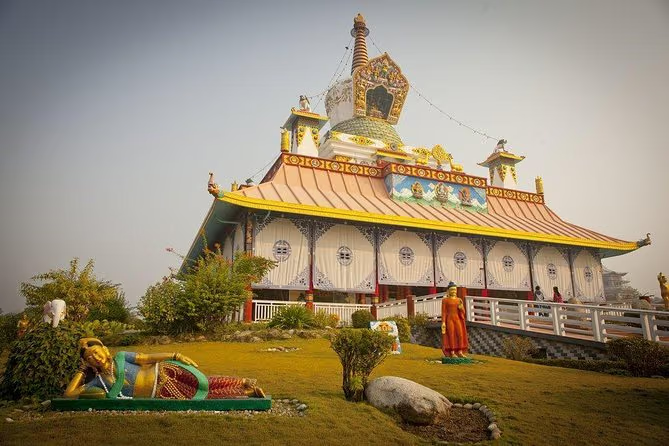
- •Explore the Thai, Japanese, Bhutanese, Tibetan, Myanmar, and Vietnamese monasteries.
- •Visit the Archaeological Museum to see artifacts from the site.
- •Plan a combined trip to Sarnath, where the Buddha gave his first sermon.
For Photography Enthusiasts
Those looking to capture the spiritual ambiance, architecture, and landscapes.
Best Time: November to February for golden light and clear skies; early mornings and late afternoons are best.
- •Arrive at sunrise to capture the temple with soft light and fewer people.
- •Use the reflection of the temple in the Muchalinda Lake for unique shots.
- •Photograph the Great Buddha Statue from different angles.
- •Be respectful when photographing monks and pilgrims; ask permission first.
For Budget-Conscious Backpackers
Travelers seeking affordable accommodation and fewer crowds.
Best Time: March to April or September to October, when the weather is still manageable and prices are lower.
- •Stay in guesthouses near the temple complex for budget options.
- •Use public transport like buses and shared auto-rickshaws.
- •Eat at local thali restaurants for cheap, filling meals.
- •Avoid the peak winter months if you want to save money.
Frequently Asked Questions
The best months are November through February, when the weather is cool and dry (average highs 22-26°C and lows 9-15°C). December is especially festive due to Bodhi Day celebrations, but it is also the busiest.
It is generally safe, but heavy rains can cause localized flooding and slippery conditions. The temple complex remains open, but outdoor activities may be disrupted. Always check weather forecasts and carry waterproof gear.
Yes, Bodhi Day (December 8) commemorating the Buddha's enlightenment is a major celebration. The Kalachakra initiation (held occasionally, often in winter) and Buddha Purnima (full moon in May, though hot) also attract large crowds. Winter is generally the festival season.
Most visitors spend 2-3 days to explore the Mahabodhi Temple, the Bodhi Tree, the Saptasthana sites, the Great Buddha Statue, and the various international monasteries. Pilgrims may stay longer for meditation and rituals.
Yes, Bodh Gaya is part of the Buddhist Circuit. Sarnath (where the Buddha gave his first sermon) is a common addition, as are Kushinagar (where he died) and Lumbini in Nepal (his birthplace). Many travelers combine these over a week or more.
Tour Packages for Bodh Gaya
Explore More of Bodh Gaya
Destination Hub
Bodh Gaya OverviewSpiritual & Temple Guides
Places to Explore
Discover attraction
Discover attraction
Discover attraction
Discover attraction
Discover attraction
Discover attraction
Discover attraction
Discover attraction
Discover attraction