
Travel Tips for Bodh Gaya
Bodh Gaya, in Bihar, India, is the most sacred site in Buddhism, marking the spot where Siddhartha Gautama attained enlightenment and became the Buddha. The Mahabodhi Temple Comple
Overview
Bodh Gaya, in Bihar, India, is the most sacred site in Buddhism, marking the spot where Siddhartha Gautama attained enlightenment and became the Buddha. The Mahabodhi Temple Complex, a UNESCO World Heritage Site since 2002, enshrines the Bodhi Tree and the Vajrasana, drawing pilgrims from around the world. This guide offers practical tips for a respectful and enriching visit.
Travel Tips by Category
Respectful Conduct & Dress
Bodh Gaya is a living pilgrimage site; dressing modestly and behaving reverently honors its sanctity. Remove shoes before entering the Mahabodhi Temple and other sacred structures. Silence your phone and avoid loud conversations, especially during meditation.
Dress Code
Wear clothing that covers shoulders and knees; light cotton is ideal for the hot climate. Carry a shawl or scarf for temple visits and early mornings.
- •Avoid shorts, sleeveless tops, and tight clothing within the temple complex.
- •Shoes must be removed at the main entrance; use the free shoe storage or carry a bag.
- •Head coverings are optional but common; a hat can protect from sun.
Behavior at Sacred Sites
Maintain silence and stillness near the Bodhi Tree and Vajrasana, where monks and laypeople meditate. Do not touch or climb on statues or stupas.
- •Photography is allowed in most areas but avoid using flash near the main shrine and during prayer.
- •Do not sit on the Vajrasana or the meditation platforms reserved for practitioners.
- •Offerings like flowers, incense, and butter lamps are welcome; purchase them from authorized vendors.
Navigating the Mahabodhi Complex
The Mahabodhi Temple Complex is vast, with the main temple, Bodhi Tree, and seven sacred sites. Plan several hours to explore thoroughly, and consider hiring a local guide for historical context. Arrive early (around sunrise) to experience the chanting and avoid crowds.
Key Structures
The main temple's 5th-6th century Gupta-era structure rises 55 meters, with the Bodhi Tree behind it. The Vajrasana, a stone slab, marks the Buddha's seat. Seven sites (Saptasthana) where the Buddha meditated for a week each are within the complex.
- •The Bodhi Tree is a descendant of the original, brought back from Sri Lanka; its leaves are often collected as souvenirs.
- •The Animeshlochan Chaitya, where the Buddha gazed at the tree without blinking, is a key stop.
- •Muchalinda Lake, where the serpent king protected the Buddha, is now a pond with a statue.
Guided Tours & Audio Guides
Local guides offer detailed narratives of the Buddha's life and the complex's history. Audio guides are available in multiple languages at the entrance.
- •Guides charge roughly 500-1000 INR for a 2-hour tour; agree on the price beforehand.
- •The complex is open from 5:00 AM to 9:00 PM; sunset is a serene time to visit.
- •The Archaeological Survey of India manages the site; check for any temporary closures.
Best Time to Visit & Festivals
The ideal time is October to March when temperatures are pleasant (15-25°C). Avoid the hot summer (April-June) and monsoon (July-September). Major Buddhist festivals like Buddha Purnima (May) and the Tibetan Losar attract large crowds but offer unique experiences.
Seasonal Tips
Winter mornings can be foggy but clear by noon; pack layers. Summer days are extremely hot, so plan indoor activities and hydrate frequently.
- •October to March is peak season; book accommodations well in advance.
- •The Mahabodhi Temple is beautifully illuminated during Buddha Purnima (full moon in May).
- •Monsoon rains can cause flooding in low-lying areas; check weather alerts.
Festivals & Events
Buddha Purnima celebrates the Buddha's birth, enlightenment, and death, with special prayers and offerings. The Kalachakra initiation, held occasionally, draws thousands of Tibetan Buddhists.
- •During Buddha Purnima, the temple is decorated and monks chant throughout the day.
- •The Dalai Lama has visited for major events; his presence elevates the spiritual atmosphere.
- •Check with the Bodh Gaya Temple Management Committee for event schedules.
Getting There & Getting Around
Bodh Gaya is accessible by air (Gaya International Airport, 10 km), rail (Gaya Junction, 17 km), and road. Local transport includes auto-rickshaws, cycle-rickshaws, and taxis. The town is walkable, especially around the temple area.
Transportation Options
Fly into Gaya from Delhi, Kolkata, or Bangkok; direct flights are limited. From Gaya Junction, take a pre-paid taxi or auto to Bodh Gaya. The nearest major city is Patna (110 km) with broader connectivity.
- •Gaya Airport has limited international flights; many travelers fly to Patna and drive 3-4 hours.
- •Pre-paid taxis from Gaya Junction cost around 500-700 INR; auto-rickshaws are cheaper but less comfortable.
- •For the Buddhist Circuit, hire a car for multi-day trips to Sarnath, Kushinagar, and Lumbini.
Local Movement
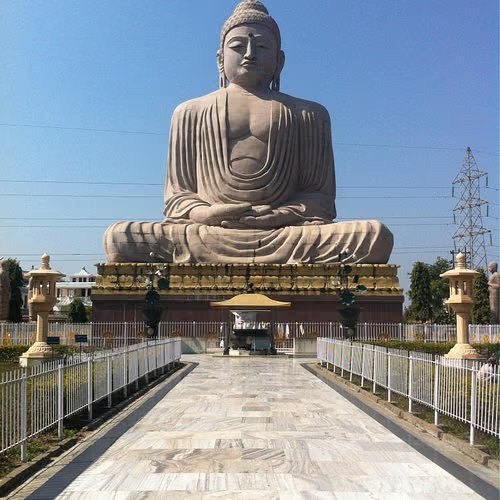
Walking is pleasant within the temple complex and surrounding monasteries. For exploring the Great Buddha Statue (80 feet, consecrated by the Dalai Lama in 1989) and international monasteries, use cycle-rickshaws or auto-rickshaws.
- •The Great Buddha Statue is about 1 km from the temple; a short auto ride costs 50-100 INR.
- •Monasteries like the Thai, Japanese, and Bhutanese are within 1-2 km; a full-day walking tour is feasible.
- •Negotiate fares before boarding; ask your hotel for approximate rates.
Frequently Asked Questions
Yes, Bodh Gaya is the most sacred site in Buddhism, equivalent in significance to Mecca for Muslims or Jerusalem for Christians and Jews. It is where Siddhartha Gautama attained enlightenment under the Bodhi Tree, becoming the Buddha.
Yes, you can meditate in the designated areas near the Bodhi Tree, but not directly on the Vajrasana. The temple complex has meditation platforms where visitors can sit quietly. Be respectful of monks and other practitioners.
The best time is from October to March when the weather is cool and dry. Avoid the hot summer months (April to June) and the monsoon season (July to September) if possible, as heavy rains can disrupt travel.
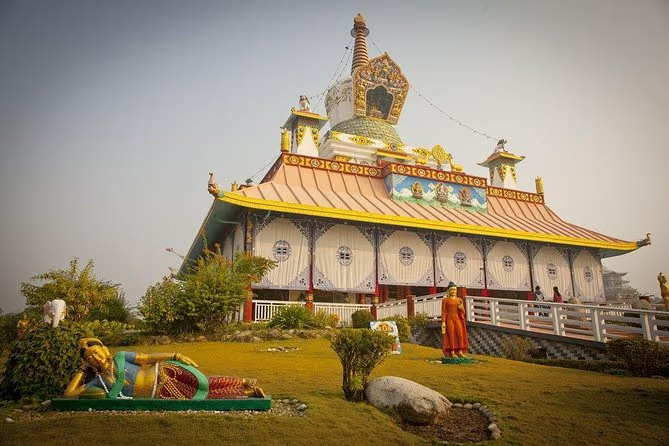
Yes, Bodh Gaya has monasteries and temples built by Buddhist communities from Thailand, Japan, Bhutan, Tibet, Myanmar, Vietnam, and more. Each showcases its national architectural style, making the town a unique global Buddhist hub.
Bodh Gaya is part of the Buddhist Circuit, which includes Sarnath (where the Buddha gave his first sermon), Kushinagar (where he died), and Lumbini in Nepal (his birthplace). These can be visited by road or rail, with Sarnath being about 250 km away.
Tour Packages for Bodh Gaya
Explore More of Bodh Gaya
Destination Hub
Bodh Gaya OverviewSpiritual & Temple Guides
Places to Explore
Discover attraction
Discover attraction
Discover attraction
Discover attraction
Discover attraction
Discover attraction
Discover attraction
Discover attraction
Discover attraction