
Maharashtra · Ratnagiri
Ratnagiri
A Konkan port town famed for its horseshoe-shaped sea fort and the Alphonso mangoes that ripen across its orchards each summer. Ratnadurg Fort’s curving bastions wrap a headland above the Arabian Sea, with a small Bhagavati temple inside and a working lighthouse at its tip, while Thibaw Palace, built for Burma’s exiled King Thibaw during his decades of British-enforced residence here, preserves a very different chapter of the town’s history.
Ratnagiri at a Glance
Why Ratnagiri?
The highlights, landmarks and experiences that make this destination worth visiting.
- Explore Ratnadurg Fort
- Discover Thibaw Palace
- Savour Alphonso Mangoes
- Experience Konkan Coastal Life
- Visit Ancient Temples
- Enjoy Beaches and Backwaters
Ratnagiri at a Glance
Essential travel information to understand Ratnagiri before planning your visit.
Can be combined with
Explore Ratnagiri
Places to Visit
- Ratnadurg Fort: A historic seaside fort built by the Bijapur Sultanate and later strengthened by the Marathas, offering panoramic views of the Arabian Sea and a lighthouse. The fort is partly in ruins but remains a popular spot for photography and sunset walks.
- Thibaw Palace: A grand two-storey palace built in 1911 to house the exiled King Thibaw of Burma and his family, now a government guest house and museum. The architecture blends colonial and Burmese styles, set amid manicured lawns.
- Bhagvati Fort: Bhagvati Fort, also known as Ratnadurg Fort or Ratnagiri Fort, is a historic coastal fort located about 2 km from Ratnagiri town in Maharashtra. Perched on a headland overlooking the Arabian Sea, it is best known for the Bhagawati Temple within its walls, which draws devotees and visitors alike. The fort offers a glimpse into the region's maritime past and provides panoramic views of the coastline.
- Purnagad Fort: Purnagad Fort is a small but historically significant coastal fort located about 25 km from Ratnagiri in Maharashtra, India. Perched on a northern hill along the Muchkundi River, it was a key naval outpost for the Maratha admiral Kanhoji Angre. Though modest in size, its role in the evolution of the Indian Navy makes it a worthwhile stop for history enthusiasts.
- Vijaydurg Fort: Vijaydurg Fort, the oldest fort on the Sindhudurg coast, stands as a testament to Maharashtra's maritime history. Constructed during the Shilahar dynasty and later restructured by Shivaji, it offers a glimpse into India's rich past. Located about 48.3 km from Ratnagiri, it's a perfect blend of history and coastal beauty.
- Saddle View Point: Saddle View Point is a scenic highway viewpoint about 51.6 km from Ratnagiri, Maharashtra, where the road crests a saddle with valleys falling away on both sides and hills framing the front and back. It offers a quick, refreshing pause for travellers on the Ratnagiri–Pune route, with sweeping views of the surrounding Western Ghats landscape. The spot is best enjoyed as a brief stop to stretch, breathe the fresh air, and take in the natural symmetry of the terrain.
Things to Do
- Visit the Ratnagiri Marine Museum (at the Port): Located near the old port, this small but fascinating museum displays preserved marine species from the Konkan coast, including a 10-foot sawfish, sea turtles, and colourful coral specimens. It’s an excellent rainy-day option and gives insight into the region’s fishing heritage.
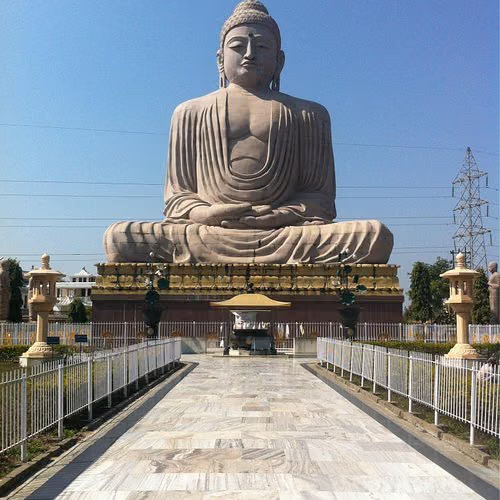
- Visit the Thibaw Palace (Buddhist Vihara): This serene palace was the exile residence of the last king of Burma, King Thibaw, and his queen in the late 19th century. Now a Buddhist vihara, it houses a meditation hall, a small museum with royal artifacts, and a peaceful garden with a statue of the king.
- Taste Alphonso Mangoes at a Local Orchard (March–June): During the mango season, visit a working orchard near Mirya or Pawas village, where you can pluck ripe Alphonso mangoes directly from the tree and enjoy a fresh-cut plate with a view of the hills. Many farms offer a guided walk explaining the unique red-purple blush and the special "hapus" grafting technique.
- Cruise the Ratnagiri Bay to Mandvi Beach (Boat Ride): Take a local wooden ferry from the Ratnagiri jetty across the calm bay to Mandvi Beach, a narrow stretch of golden sand lined with swaying palms and casuarina trees. The ride offers close-up views of Ratnadurg Fort from the sea, and the beach is perfect for a gentle sunset stroll.
- Hike to the Swayambhu Ganpati Temple at the Riverbank: Walk or drive to this ancient self-manifested Ganesh idol on the banks of the Kajali River, a 10-minute climb up a small hillock. The temple offers a quiet, shaded spot with views of the river meeting the sea, and locals believe the idol grows slightly each year.
- Explore Ratnadurg Fort and the Lighthouse: Walk along the fort’s massive sea-facing ramparts, watching waves crash against the black basalt rocks, then climb the 200-year-old lighthouse for panoramic views of the Arabian Sea and the nearby Thibaw Point. The fort’s history spans the Bahamani, Adil Shahi, and Maratha empires, with a small temple of Goddess Bhagwati inside.
Sightseeing Places
- Ratnadurg Fort: A historic seaside fort built by the Bijapur Sultanate and later strengthened by the Marathas, offering panoramic views of the Arabian Sea and a lighthouse. The fort is partly in ruins but remains a popular spot for photography and sunset walks.
- Thibaw Palace: A grand two-storey palace built in 1911 to house the exiled King Thibaw of Burma and his family, now a government guest house and museum. The architecture blends colonial and Burmese styles, set amid manicured lawns.
- Bhagvati Fort: Bhagvati Fort, also known as Ratnadurg Fort or Ratnagiri Fort, is a historic coastal fort located about 2 km from Ratnagiri town in Maharashtra. Perched on a headland overlooking the Arabian Sea, it is best known for the Bhagawati Temple within its walls, which draws devotees and visitors alike. The fort offers a glimpse into the region's maritime past and provides panoramic views of the coastline.
- Purnagad Fort: Purnagad Fort is a small but historically significant coastal fort located about 25 km from Ratnagiri in Maharashtra, India. Perched on a northern hill along the Muchkundi River, it was a key naval outpost for the Maratha admiral Kanhoji Angre. Though modest in size, its role in the evolution of the Indian Navy makes it a worthwhile stop for history enthusiasts.
- Vijaydurg Fort: Vijaydurg Fort, the oldest fort on the Sindhudurg coast, stands as a testament to Maharashtra's maritime history. Constructed during the Shilahar dynasty and later restructured by Shivaji, it offers a glimpse into India's rich past. Located about 48.3 km from Ratnagiri, it's a perfect blend of history and coastal beauty.
- Saddle View Point: Saddle View Point is a scenic highway viewpoint about 51.6 km from Ratnagiri, Maharashtra, where the road crests a saddle with valleys falling away on both sides and hills framing the front and back. It offers a quick, refreshing pause for travellers on the Ratnagiri–Pune route, with sweeping views of the surrounding Western Ghats landscape. The spot is best enjoyed as a brief stop to stretch, breathe the fresh air, and take in the natural symmetry of the terrain.
Places That Define Ratnagiri
Explore the most iconic landmarks and sacred sites.
Explore Destination on Map
Discover all sub-destinations, routes and detailed navigation information on an interactive map.
Explore Ratnagiri on Map
Open the destination map to discover attractions and routes.
Plan Ratnagiri Your Way
Plan Your Trip
Plan Your Way
- When to Visit: Ratnagiri's tropical coastal climate means the best travel window is the dry, cooler months from November to February.
- Getting Around: Ratnagiri is well-connected by rail and road, and local transport ranges from buses to auto-rickshaws and rented vehicles.
- Budget & Practical Tips: Ratnagiri offers a range of budget options, and a little planning can keep costs low while ensuring a smooth trip.
All Itineraries
- 2 Days in Ratnagiri: 2 days with detailed day plans
- 3 Days in Ratnagiri: 3 days with detailed day plans
- 4 Days in Ratnagiri: 4 days with detailed day plans
- 5 Days in Ratnagiri: 5 days with detailed day plans
How to Reach
- By Air: Ratnagiri has no commercial airport of its own, so most visitors arrive via Mumbai or Goa and continue by road or rail. The nearest operational airports are Chhatrapati Shivaji Maharaj International Airport in Mumbai and Dabolim Airport in Goa. A smaller airstrip exists at Ratnagiri but does not currently handle scheduled passenger flights.
- By Train: Ratnagiri has its own railway station on the Konkan Railway, the line that runs along the Konkan coast from Roha in Raigad district to Mangaluru. Konkan Railway trains connect Ratnagiri directly with Mumbai, Goa, Mangaluru, and other cities. The station is in Ratnagiri town, the district headquarters, making it a convenient arrival point.
- By Road: Ratnagiri is well connected by road via National Highway 66, which runs along the Konkan coast. State transport and private buses link Ratnagiri town with Mumbai, Pune, Kolhapur, and other cities in Maharashtra. Roads wind through the Sahyadri foothills and coastal plains, offering scenic but sometimes slow journeys.
Best Time to Visit
- Winter (November - February): The best season to visit Ratnagiri, with pleasant temperatures, low humidity, and clear skies. Ideal for beach outings, temple visits, and exploring the district's natural beauty.
- Monsoon (June - September): A season of heavy rainfall, transforming the landscape into lush green hills. Travel is challenging due to flooding and rough seas, but the scenery is spectacular for those who brave the rain.
- Post-Monsoon (October): A transitional month with receding rains and rising temperatures. The landscape remains green, and the weather gradually becomes more pleasant, though occasional showers can occur.
- Summer (March - May): Hot and humid conditions make this the least comfortable season for travel. Temperatures soar, and pre-monsoon showers occasionally provide relief. Tourism is low, but budget travelers can find deals.
Weather
- Winter: Pleasant and dry with clear skies, ideal for exploring beaches and temples.
- Summer: Hot and humid, with temperatures rising before the monsoon. Rainfall is minimal until late May.
- Monsoon: Heavy rainfall dominates, especially in July, transforming the landscape into lush greenery. Travel may be disrupted.
- Post-Monsoon: Rainfall decreases, humidity remains high, and the weather gradually becomes pleasant.
Travel Tips
- Choose ground-floor or lift-access rooms for easy mobility: Many heritage homestays and budget lodges have steep staircases without lifts. Confirm with your hotel in advance for accessible rooms on the ground floor or with a working lift, especially for seniors with knee or back issues.
- Keep a slow, shaded walking pace at forts and beaches: Ratnagiri’s forts (like Ratnadurg and Jaigad) and beaches (Ganpatipule, Bhatye) involve uneven steps and sun exposure. Walk early morning or late afternoon, carry a foldable walking stick, and take frequent water breaks under shade.
- Use local auto-rickshaws with negotiated fixed fares for short hops: Metered autos are rare in Ratnagiri; agree on a flat fare before boarding, and split into smaller groups for comfort. For longer trips to nearby sights, hire a shared cab or a small bus from the main stand to avoid multiple transfers.
- Carry light cotton clothing, ORS sachets, and a basic medicine kit: The coastal humidity can cause dehydration and heat fatigue. Dress in breathable cotton, drink boiled or bottled water, and keep oral rehydration salts plus your regular prescriptions handy, as pharmacies are limited in remote villages.
- Plan ferry and bus travel in advance for the coastal route: Book your tickets on the Mumbai–Ratnagiri ferry or the Konkan Railway well ahead, especially during weekends and holidays. For group travel, reserve seats in a private tempo traveller or bus to avoid last-minute crowding and long waits at the station.
Local Transport
- MSRTC Buses: Maharashtra State Road Transport Corporation (MSRTC) buses are the backbone of public transport in Ratnagiri district, linking the district headquarters town with talukas and villages. Services range from ordinary to semi-luxury and Shivshahi, with frequent departures from the central bus stand in Ratnagiri town. They also connect to major cities like Mumbai, Pune, and Kolhapur.
- Auto-Rickshaws: Auto-rickshaws are the main mode of short-distance transport within Ratnagiri town and other urban pockets like Chiplun and Dapoli. They are readily available near bus stands, railway stations, and market areas. Most operate on a shared or reserved basis, with fares negotiated or metered.
- Local Trains: The Konkan Railway runs through Ratnagiri district, with stations at Ratnagiri, Chiplun, and other towns. While there are no dedicated suburban services, passenger trains and some express trains stop at these stations, providing a fast way to travel along the coast. Trains are especially useful for covering longer distances within the district.
- Ferries and Boats: Given Ratnagiri's coastal geography, ferries and boats are vital for crossing creeks and reaching areas not easily accessible by road. Services operate on routes like Dabhol to Dapoli and in the Rajapuri creek. They offer a scenic and practical alternative to long detours.
Suggested Itinerary
Choose the perfect duration for your Ratnagiri trip.
Spiritual & Religious
History
- Summary: Ratnagiri, a coastal district in Maharashtra's Konkan region, has a history spanning from ancient maritime trade to colonial resistance and modern development. Known for its Alphonso mangoes and pristine beaches, it was a significant port and a hotbed of the freedom struggle.
- Overview: Ratnagiri district lies on the western coast of India, bordered by the Arabian Sea to the west, Sindhudurg to the south, Raigad to the north, and the districts of Satara, Sangli, and Kolhapur to the east. It is part of the Konkan division. The district headquarters is in Ratnagiri town. With 11.34% of its population urban, it retains a largely rural character, dotted with historic temples, forts, and beaches. The district is renowned for its Alphonso mangoes, cashew nuts, and fisheries. Its history is shaped by its strategic coastal location, which attracted ancient traders, medieval powers, and European colonizers.
- Ancient History: Ratnagiri's ancient history is rooted in its role as a maritime hub. Known as 'Ratnapura' or 'city of jewels' in ancient texts, it was part of the Maurya and Satavahana empires. The region flourished as a center for trade with the Roman Empire, exporting spices, textiles, and precious stones. Buddhist caves at Panhale-Kaji and other sites indicate early Buddhist influence. The Silahara dynasty ruled the area from the 10th to 13th centuries, promoting art and architecture. Ratnagiri's ports, like Dabhol, were vital for international trade, connecting India to Persia, Arabia, and East Africa.
Architecture Guide
- Summary: Ratnagiri district, located in the Konkan division of Maharashtra, India, is a region steeped in history and natural beauty. Its architectural heritage reflects a blend of Maratha, Portuguese, and British influences, with monuments ranging from ancient temples and sea forts to colonial-era buildings. The district's coastal location has shaped its unique cultural and architectural identity.
- Overview: Ratnagiri district is bounded by the Arabian Sea to the west, Sindhudurg to the south, Raigad to the north, and the districts of Satara, Sangli, and Kolhapur to the east. The administrative headquarters is in Ratnagiri town. With only 11.34% of its population urban, the district retains a predominantly rural character, dotted with historic sites. The architecture of Ratnagiri is a testament to its strategic maritime location, featuring defensive sea forts, intricately carved temples, and remnants of colonial rule. The district's monuments narrate tales of Maratha naval prowess, Portuguese trade, and British administration, making it a compelling destination for history and architecture enthusiasts.
- Architectural Style: The architectural style of Ratnagiri is a confluence of indigenous Konkani craftsmanship, Maratha military architecture, Portuguese colonial influences, and British administrative structures. Temples exhibit Hemadpanthi and later Maratha styles with stone construction, intricate carvings, and sloping roofs suited to heavy monsoon rains. Sea forts showcase robust basalt stone masonry, strategic bastions, and natural rock foundations. Colonial buildings, though fewer, reflect European aesthetics adapted to the tropical climate with high ceilings, verandas, and laterite stone. The use of locally available laterite and basalt is a common thread, creating a distinct regional identity.
Heritage Significance
- Summary: Ratnagiri district, located on the Konkan coast of Maharashtra, is a land of ancient heritage, temple towns, and maritime history. Known for its pristine beaches, Alphonso mangoes, and significant contributions to India's freedom struggle, Ratnagiri offers a unique blend of culture, spirituality, and natural beauty. The district's administrative headquarters is the town of Ratnagiri, and it is bordered by the Arabian Sea to the west, Sindhudurg to the south, Raigad to the north, and the districts of Satara, Sangli, and Kolhapur to the east. As part of the Konkan division, Ratnagiri has a rich cultural tapestry woven from its historical temples, colonial-era architecture, and vibrant local traditions.
- Overview: Ratnagiri district, with its headquarters in the town of Ratnagiri, is a historically and culturally significant region in Maharashtra. The district is 11.34% urban and is bounded by the Arabian Sea to the west, Sindhudurg to the south, Raigad to the north, and the districts of Satara, Sangli, and Kolhapur to the east. It is part of the Konkan division. The region is known for its picturesque coastline, lush green hills, and a rich history that dates back to ancient times. Ratnagiri has been a prominent center of trade and culture, with influences from the Maratha Empire, the Portuguese, and the British. The district is also famous for its Alphonso mangoes, which are exported worldwide. The people of Ratnagiri are known for their warmth and hospitality, and the local Marathi culture is vibrant with traditional music, dance, and festivals.
- Significance: Ratnagiri holds immense cultural and historical significance. It is the birthplace of Lokmanya Bal Gangadhar Tilak, a key figure in India's freedom struggle, and his ancestral home is now a memorial. The district is home to several ancient temples, including the Ratnagiri Temple dedicated to Lord Shiva, and the Thibaw Palace, which served as the exile residence of the last king of Burma. The region has a rich tradition of Konkani culture, with its own distinct language, cuisine, and festivals. Ratnagiri's coastal location has made it a hub for maritime trade, and its heritage reflects a blend of indigenous and colonial influences. The district is also known for its contribution to Indian literature and arts, with many prominent writers and artists hailing from here.
Festivals
- Overview: Ratnagiri district, located in the Konkan division of Maharashtra, India, is a region rich in cultural heritage and vibrant festivals. Bounded by the Arabian Sea to the west, it shares borders with Sindhudurg, Raigad, Satara, Sangli, and Kolhapur districts. The district headquarters is in Ratnagiri town. With only 11.34% of its population urban, the district retains a strong rural and coastal character, reflected in its festivals which are deeply rooted in local traditions, fishing communities, and agricultural cycles. The festivals here offer a unique glimpse into Konkani culture, with a blend of religious fervor, music, dance, and cuisine.
- Best Time: The best time to visit Ratnagiri for festivals is between August and March, when the weather is pleasant and major festivals like Ganesh Chaturthi, Shimga, and Diwali take place. Avoid the monsoon months (June-September) if you prefer dry weather, though Ganesh Chaturthi falls in this period and is celebrated with great zeal.
Planning Guide
- Overview: Ratnagiri district lies on the Konkan coast of Maharashtra, bounded by the Arabian Sea to the west and the Sahyadri hills to the east. Its administrative headquarters, the town of Ratnagiri, serves as the district's main urban center, though only 11.34% of the district is urban. The region is known for its Alphonso mangoes, historic sea forts, and pristine beaches along the Arabian Sea. It is well-connected by road and rail to Mumbai, Pune, and other major cities, making it an accessible destination for travelers seeking a mix of history, nature, and coastal culture.
- Accommodation: Ratnagiri town and its surrounding coastal areas offer a range of accommodations, from budget lodges and homestays to mid-range hotels and beach resorts. Many options are concentrated near the town center, along the Mumbai-Goa highway, and close to popular beaches. For a more immersive experience, consider staying in a homestay or resort that provides easy access to the district's scenic spots.
- Best Way To Explore: The best way to explore Ratnagiri is by hiring a car or using local buses and auto-rickshaws to navigate between the town, beaches, and forts. While the town itself is walkable, many attractions are spread out along the coast and into the hills. For flexibility, renting a scooter or bike is a great option, allowing you to discover hidden coves and viewpoints at your own pace.
The Sacred Heart of Ratnagiri
A timeless journey of faith and devotion.
Significance
Ratnagiri is a land of deep-rooted Hindu traditions, with temples dedicated to various deities serving as community anchors. The Bhagavati temple within Ratnadurg Fort is particularly revered, embodying the protective spirit of the sea-facing bastion.
Historical Significance
The region has been a part of successive kingdoms, including the Maratha Empire, and its forts played a role in coastal defence. Thibaw Palace stands as a reminder of the colonial era and the exile of Burma's last monarch.
Architectural Legacy
The architecture ranges from the robust laterite walls of sea forts to the ornate wooden and stone temples of the Konkan. Thibaw Palace, though modest, reflects a blend of Burmese and colonial influences.
Artistic Heritage
Local artisans excel in wood carving, particularly in temple architecture, and in the crafting of fishing boats. The region also has a tradition of folk music and dance, such as the Gondhal and Lavani.
Frequently Asked Questions
Yes, Ganpatipule and Bhatye beaches are the most senior-friendly, with gentle slopes, clean sand, and easy access from the road. At Ganpatipule, you can also visit the famous Swayambhu Ganesh temple right next to the beach, so you don’t have to walk far. Avoid remote beaches like those near Ratnagiri town if you have mobility issues, as they lack proper pathways.
You must try the famous Ratnagiri alphonso mangoes (in season from April to June), fresh seafood like pomfret and surmai, and the local solkadhi (a digestive drink made from kokum). For hygienic dining, choose established restaurants like Hotel Abhishek or Kokan Express in the main town, which cater to group travellers. Avoid roadside stalls unless you see a high turnover of local customers, and always drink bottled water.
You can take a direct train from Mumbai (Chhatrapati Shivaji Maharaj Terminus) to Ratnagiri, which takes about 6 to 7 hours, or a scenic road trip via the Mumbai-Goa highway, which takes around 8 hours. For senior travellers, the train is more comfortable, especially in AC sleeper class. There is also a small airport with limited flights, but train is the most reliable option.
The best time is from November to February, when the weather is pleasant, with temperatures ranging from 15 to 30 degrees Celsius. Avoid the monsoon months of June to September, as heavy rains can disrupt travel and outdoor activities. This period also offers clear skies for enjoying the beaches and forts.
The Ratnadurg Fort, Thibaw Palace, and the Sindhudurg Fort (a short ferry ride from Malvan, about 2 hours away) are top picks, but the Thibaw Palace is the easiest to explore, with flat grounds and indoor exhibits. For a less strenuous experience, visit the Ganpatipule Temple and the nearby Parshuram Temple, which have minimal stair climbing. Always carry a walking stick and take frequent rest breaks at these sites.
Taxi to Ratnagiri
Outstation cabs with fares for every vehicle — sedan, SUV and Tempo Traveller.
Tour Packages for Ratnagiri



EXPLORE RATNAGIRI
Plan My Trip: Ratnagiri
Tell us your trip and we'll call you back with a complete plan: cab, hotel and sightseeing.
Your Ratnagiri Journey Starts Here
Explore top attractions, local culture, and the experiences that make this destination worth visiting.