
Religious Significance
Summary
- •Sirsi, a lush areca-nut town in Karnataka's Uttara Kannada district, is a gateway to ancient Shaiva heritage.
- •Its religious heart beats at Banavasi, the first capital of the Kadamba dynasty, home to the revered Madhukeshwara Temple on the Varada river.
- •Nearby, the Shalmala river at Sahasralinga bears thousands of hand-carved Shiva lingas on its rocky bed, a living testament to centuries of devotion.
- •Surrounded by forest waterfalls like Unchalli, Magod, and Sathodi, Sirsi offers a pilgrimage that blends deep history with pristine nature.
Overview
- •Sirsi, a town in the Western Ghats of Karnataka, is steeped in religious and natural splendor.
- •Its economy thrives on areca nut cultivation, while its surroundings conceal cascading waterfalls and ancient temples.
- •The region's spiritual legacy dates back to the Kadamba dynasty, which ruled from Banavasi, one of Karnataka's oldest inhabited towns.
- •Pilgrims visit the Madhukeshwara Temple to honor Shiva, and Sahasralinga to witness thousands of lingas carved along the Shalmala river.
- •This sacred landscape, combined with lush forests, makes Sirsi a unique destination for both devotion and eco-pilgrimage.
Religious Significance
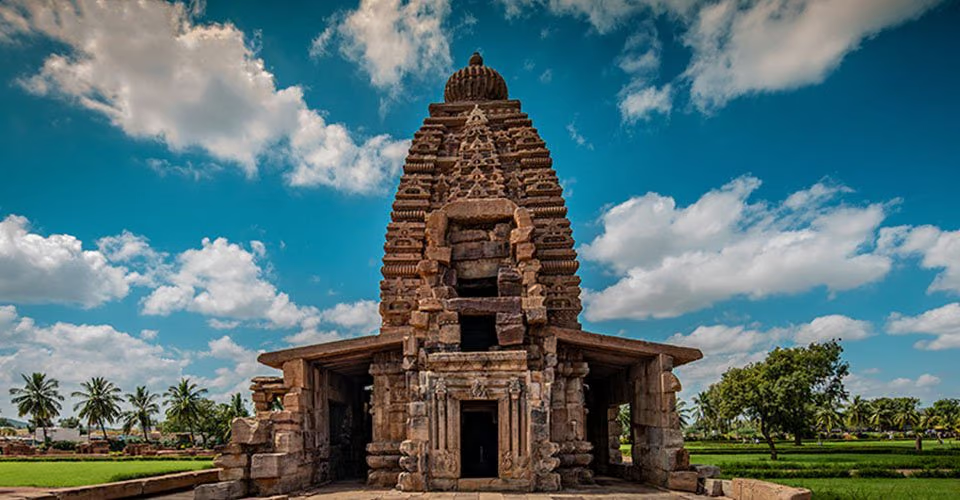
Sirsi's religious significance is anchored in its ancient Shaiva traditions and historical role as a center of early Kannada civilization. Banavasi, the Kadamba capital, is considered a cradle of Karnataka's culture, with the Madhukeshwara Temple serving as a living monument to that heritage. Sahasralinga, a natural shrine along the Shalmala river, is a unique open-air temple where the river itself becomes the sanctum. Together, these sites reflect the deep intertwining of nature, art, and faith in the region.
Spiritual Practices
- Meditating on the banks of the Shalmala river at Sahasralinga, listening to the sound of flowing water as a form of sound meditation.
- Chanting the 'Rudram' or 'Shiva Panchakshari' mantra while circumambulating the Madhukeshwara Temple.
- Performing 'Pradakshina' (circumambulation) around the Sahasralinga area, walking barefoot on the river rocks as an act of humility.
- Observing a day of fasting and silence on Mondays, considered auspicious for Shiva worship, while visiting these temples.
- Engaging in 'Ganga Aarti' style offerings at sunset near the river, using lamps and flowers to honor the sacred waters.
Scriptural References
- •The Shiva Purana extols the glory of Shiva linga worship, stating that even a single darshan of a linga can destroy accumulated sins.
- •The Skanda Purana mentions the Sahyadri region (Western Ghats) as a land rich in Shiva temples and sacred rivers.
- •The Kadamba dynasty, as recorded in the Talagunda inscription, was established by Mayurasharma after performing Vedic sacrifices, and they patronized Shaivism, building the original Madhukeshwara temple.
- •Ancient Kannada literature, such as the 'Kavirajamarga,' references Banavasi as a center of learning and devotion.
- •The Varada and Shalmala rivers are considered purifying, akin to the Ganges, in local lore.
Devotee Stories
- •Local legend holds that Mayurasharma, the founder of the Kadamba dynasty, was a young Brahmin who, after being humiliated by a Pallava guard at Kanchi, vowed to establish a kingdom and a great Shiva temple in Banavasi.
- •He is said to have personally installed the first linga at Madhukeshwara, seeking Shiva's blessings for his dynasty.
- •Another tale tells of a devotee who, while walking along the Shalmala river, was inspired by a vision of Shiva to carve a linga on a rock; he spent his entire life carving more, and his devotion inspired others to continue the tradition.
- •Pilgrims often share stories of wishes fulfilled after offering prayers at Sahasralinga, especially those seeking progeny or relief from chronic ailments.
- •The annual Rathotsava is said to have been started by a local queen who attributed her recovery from illness to Madhukeshwara's grace.
Tour Packages for Sirsi


Explore More of Sirsi
Destination Hub
Sirsi Overview