
Andhra Pradesh · Tirupati
Tirupati
Tirupati, nestled at the base of the Seshachalam hills in Andhra Pradesh, is home to the renowned Tirumala Venkateswara Temple, the most-visited sacred shrine on Earth. Millions of devotees ascend the hill each year to seek the blessings of Lord Venkateswara, a self-manifested form of Vishnu, in an atmosphere of profound devotion and divine splendor.
Tirupati at a Glance
Why Tirupati?
The highlights, landmarks and experiences that make this destination worth visiting.
- Spiritual Significance
- Architectural Grandeur
- Unique Traditions
- World-Class Infrastructure
- Natural Beauty
- Cultural Heritage
Tirupati at a Glance
Essential travel information to understand Tirupati before planning your visit.
Can be combined with
Explore Tirupati
Places to Visit
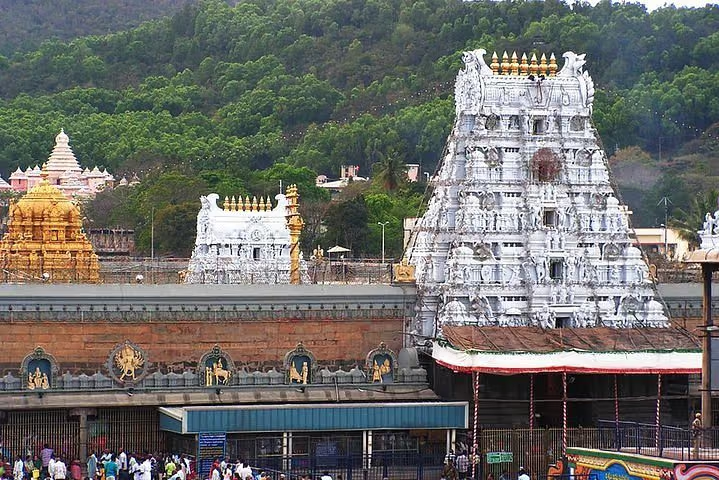
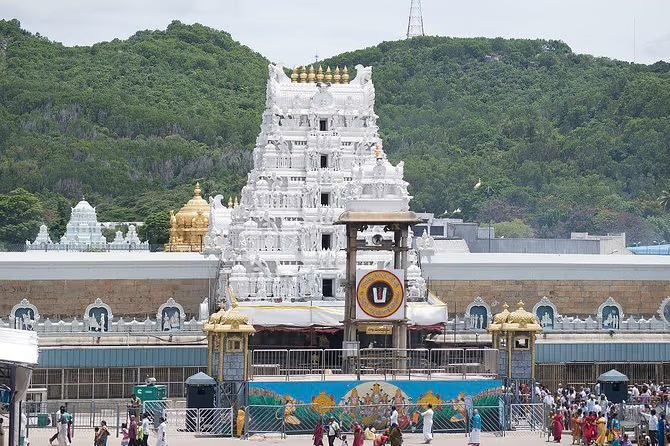
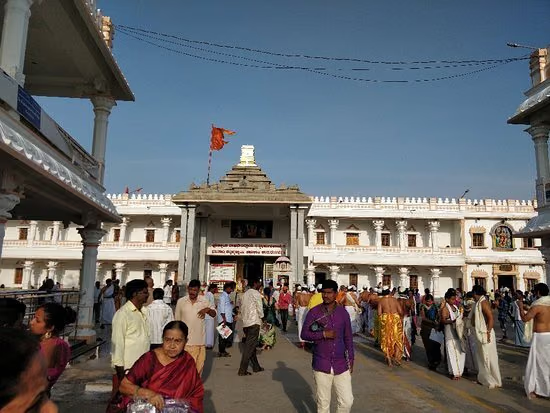
- Tirumala Venkateswara Temple: Perched atop the Seshachalam hills at about 853 meters elevation, this ancient temple is dedicated to Lord Venkateswara, a form of Vishnu. It is the most-visited religious site in the world, drawing tens of thousands of pilgrims daily, and is renowned as the richest temple by donations. The gold-plated Ananda Nilayam gopuram and the self-manifested deity are central to its spiritual significance.
- Sri Padmavathi Temple: Located at Tiruchanur, about 5 km from Tirupati town, this temple is dedicated to Padmavathi, the consort of Lord Venkateswara. It is a tradition for pilgrims to visit this temple before or after the main Tirumala darshan, as the divine couple's union is considered central to the pilgrimage. The temple's architecture and the serene surroundings make it a significant stop.
- Kapila Theertham: At the base of the Tirumala hills in Tirupati town, this sacred waterfall and temple is dedicated to Kapila Muni, an ancient sage. The water cascades into a natural pool, and the temple is believed to be an important stop for pilgrims seeking purification. It is especially serene during the monsoon season.
- Akasa Ganga: A perennial waterfall on Tirumala hill, Akasa Ganga is considered sacred and its water is traditionally used for rituals at the Venkateswara Temple. The falls cascade from a height, creating a misty, scenic spot that is a popular viewpoint. It is located about 3 km from the main temple complex.
- Silathoranam: A rare natural rock arch formed by geological processes over 1,500 million years, Silathoranam is located near Tirumala. The arch is shaped like a 'thoranam' (a decorative arch) and is considered a geological wonder, with only a few such formations in India. It is a short walk from the main temple and offers scenic views.
- Chandragiri Fort: About 13 km from Tirupati, this historic fort dates to the Vijayanagara Empire and served as a refuge for its rulers after the fall of Hampi. The fort complex includes the Raja Mahal palace and offers panoramic views of the surrounding landscape. It is a significant heritage site that also played a role in the founding of Madras.
Things to Do
- Attend Sarvadarsanam: Join the free queue for darshan of Lord Venkateswara. Be prepared for a long wait, but the experience is spiritually rewarding.
- Opt for Special Entry Darshan: For a faster darshan, purchase a ₹300 ticket that allows access to a separate queue with a shorter wait time.
- Visit Sri Padmavathi Temple: Located in Tiruchanur, this temple is dedicated to the consort of Venkateswara. It is customary to visit before or after the main temple.
- Explore Kapila Theertham: A scenic waterfall and temple at the base of the hills, dedicated to Kapila Muni. The natural setting is serene and ideal for reflection.
- See Silathoranam: Marvel at this natural rock arch, a rare geological formation over 1,500 million years old, located near Tirumala.
- Tour Chandragiri Fort: Discover the historical fort associated with the Vijayanagara Empire, offering panoramic views and a glimpse into the region's royal past.
Sightseeing Places
- Tirumala Venkateswara Temple: Perched atop the Seshachalam hills at about 853 meters elevation, this ancient temple is dedicated to Lord Venkateswara, a form of Vishnu. It is the most-visited religious site in the world, drawing tens of thousands of pilgrims daily, and is renowned as the richest temple by donations. The gold-plated Ananda Nilayam gopuram and the self-manifested deity are central to its spiritual significance.
- Sri Padmavathi Temple: Located at Tiruchanur, about 5 km from Tirupati town, this temple is dedicated to Padmavathi, the consort of Lord Venkateswara. It is a tradition for pilgrims to visit this temple before or after the main Tirumala darshan, as the divine couple's union is considered central to the pilgrimage. The temple's architecture and the serene surroundings make it a significant stop.
- Kapila Theertham: At the base of the Tirumala hills in Tirupati town, this sacred waterfall and temple is dedicated to Kapila Muni, an ancient sage. The water cascades into a natural pool, and the temple is believed to be an important stop for pilgrims seeking purification. It is especially serene during the monsoon season.
- Akasa Ganga: A perennial waterfall on Tirumala hill, Akasa Ganga is considered sacred and its water is traditionally used for rituals at the Venkateswara Temple. The falls cascade from a height, creating a misty, scenic spot that is a popular viewpoint. It is located about 3 km from the main temple complex.
- Silathoranam: A rare natural rock arch formed by geological processes over 1,500 million years, Silathoranam is located near Tirumala. The arch is shaped like a 'thoranam' (a decorative arch) and is considered a geological wonder, with only a few such formations in India. It is a short walk from the main temple and offers scenic views.
- Chandragiri Fort: About 13 km from Tirupati, this historic fort dates to the Vijayanagara Empire and served as a refuge for its rulers after the fall of Hampi. The fort complex includes the Raja Mahal palace and offers panoramic views of the surrounding landscape. It is a significant heritage site that also played a role in the founding of Madras.
Temples
- Tirumala Venkateswara Temple: Perched atop the Seshachalam hills at about 853 meters elevation, this ancient temple is dedicated to Lord Venkateswara, a form of Vishnu. It is the most-visited religious site in the world, drawing tens of thousands of pilgrims daily, and is renowned as the richest temple by donations. The gold-plated Ananda Nilayam gopuram and the self-manifested deity are central to its spiritual significance.
- Sri Padmavathi Temple: Located at Tiruchanur, about 5 km from Tirupati town, this temple is dedicated to Padmavathi, the consort of Lord Venkateswara. It is a tradition for pilgrims to visit this temple before or after the main Tirumala darshan, as the divine couple's union is considered central to the pilgrimage. The temple's architecture and the serene surroundings make it a significant stop.
Places That Define Tirupati
Explore the most iconic landmarks and sacred sites.
Tirumala Venkateswara Temple
3-6 hours (depending on darshan queue)
Sri Padmavathi Temple
1-2 hours
Kapila Theertham
1-2 hours
Akasa Ganga
1-2 hours (including travel)
Silathoranam
30-45 minutes
Chandragiri Fort
2-3 hours
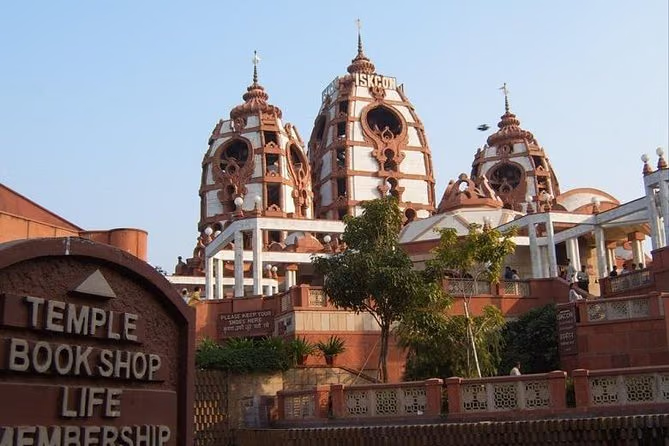
ISKCON Tirupati
1-2 hours
Talakona Waterfalls
3-4 hours (including travel)
TTD Gardens and Museums
1-2 hours per site
Explore Destination on Map
Discover all sub-destinations, routes and detailed navigation information on an interactive map.
Explore Tirupati on Map
Open the destination map to discover attractions and routes.
Plan Tirupati Your Way
Plan Your Trip
Plan Your Way
- When to Visit: Choose the best season and days for your pilgrimage to Tirupati, balancing weather and crowd levels.
- Getting Around: Navigate from Tirupati town to Tirumala hill and between nearby attractions with ease.
- Budget & Practical Tips: Plan your expenses and make the most of TTD's facilities for a smooth pilgrimage.
All Itineraries
- 1 Day Tirupati Darshan: 1 days with detailed day plans
- 2 Days in Tirupati: 2 days with detailed day plans
- 3 Days in Tirupati: 3 days with detailed day plans
- Tirupati Special Entry Darshan Plan: 2 days with detailed day plans
How to Reach
- By Air: The nearest airport is Tirupati International Airport (TIR), located about 15 km from the town center. It has daily flights from major Indian cities like Hyderabad, Bangalore, and Chennai, with limited international connectivity. From the airport, taxis and buses are available to reach Tirupati and the Tirumala foothills.
- By Train: Tirupati Main Railway Station (TPTY) is a major junction on the South Central Railway, well-connected to cities across India. Many express and superfast trains halt here, including the Tirumala Express and several daily services from Chennai, Bangalore, and Hyderabad. The station is about 2 km from the town center, with easy access to buses and taxis.
- By Road: Tirupati is well-connected by a network of national highways and state highways. The APSRTC (Andhra Pradesh State Road Transport Corporation) operates regular bus services from all major cities in South India, including Bangalore, Chennai, Hyderabad, and Vijayawada. Private luxury coaches are also available. The town is located on NH-71 (now NH-40) and is about 135 km from Chennai.
Best Time to Visit
- Winter (December to February): The most comfortable season, with cool temperatures and clear skies. Ideal for a relaxed pilgrimage.
- Summer (March to May): Hot and dry, with temperatures often exceeding 35°C. The heat can be challenging, but crowds are thinner.
- Monsoon (June to September): Heavy rainfall, especially from August to September, brings lush greenery and cooler temperatures, but also travel disruptions.
- Post-Monsoon (October to November): The transition from monsoon to winter brings pleasant weather, with reduced rainfall and cool temperatures. Ideal for visiting.
Weather
- Summer: Hot and dry with temperatures soaring up to 39°C in April. The heat can be intense, especially for pilgrims waiting in queues. Evenings offer some relief, and the hill station of Tirumala is slightly cooler.
- Monsoon: Heavy rainfall, especially in October (350 mm), brings lush greenery but also causes occasional landslides and road closures. The hill roads can be slippery, and visibility may be reduced. The temple remains open, but travel plans should be flexible.
- Post-Monsoon: The rains taper off, leaving the landscape fresh and green. Temperatures drop, making it pleasant for sightseeing and temple visits. This is a transitional period with moderate humidity.
- Winter: The most comfortable season with mild days and cool nights. Temperatures range from 18°C to 32°C, making it ideal for long darshan queues and exploring the hill areas. This is the peak pilgrimage season.
Travel Tips
- Book Darshan in Advance: For Special Entry Darshan, book tickets online via the TTD website to avoid queues and ensure a smoother experience.
- Dress Modestly: Traditional attire is preferred; avoid shorts and sleeveless tops. Remove footwear before entering the temple premises.
- Plan for the Queue: Carry water and light snacks for the Sarvadarsanam queue. Use the mobile app to check live queue status.
- Visit Tiruchanur First: Traditionally, pilgrims visit the Padmavathi Temple before Tirumala. This also helps manage crowd and time.
- Use the Free Transport: The TTD operates free buses between Tirupati and Tirumala, but be prepared for long waits. Alternatively, hire a cab for convenience.
Local Transport
- TTD Bus Services: The Tirumala Tirupati Devasthanams operates a fleet of over 1,000 buses, the most economical and frequent way to travel between Tirupati and Tirumala. Buses run 24/7, with boarding at the Alipiri Bus Station and the APSRTC Bus Station in Tirupati, and at the Tirumala Bus Station near the temple. Fares are minimal, and the journey takes about 45 minutes to an hour, covering the 22 km winding road.
- Private Cabs & Auto Rickshaws: For a more comfortable and flexible journey, private taxis and auto rickshaws are readily available in Tirupati. Cabs can be hired for point-to-point transfers to Tirumala, Tiruchanur, Kapila Theertham, and Chandragiri Fort. Auto rickshaws are ideal for short distances within the town, such as from the railway station to Alipiri.
- Walking the Ghat Road (Alipiri & Srivari Mettu): For the devout, walking up the sacred hill is a deeply spiritual act. Two main footpaths exist: the Alipiri footpath (2,700 steps, ~11 km) and the steeper Srivari Mettu (2,600 steps, ~8 km) near Tirumala. TTD provides free water, buttermilk, and medical aid along the route. Walking takes 3-6 hours depending on fitness.
- Ropeway (Cable Car): TTD operates a ropeway between Tirupati and Tirumala, offering a scenic aerial view of the hills. It starts at the Alipiri base and ends near the Tirumala temple, significantly reducing travel time to about 20 minutes. The ropeway is a popular alternative, especially during peak seasons when road traffic is heavy.
Suggested Itinerary
Choose the perfect duration for your Tirupati trip.
Spiritual & Religious
Darshan & Queue Guide
- Summary: This guide provides a practical overview of the darshan (sacred viewing) options and queue systems at the Tirumala Venkateswara Temple in Tirupati, Andhra Pradesh, India. It details the four main darshan categories, their approximate wait times and costs, explains the complex queue infrastructure managed by the TTD, and offers essential tips for a smooth pilgrimage.
- Overview: The Tirumala Venkateswara Temple, perched atop the Seshachalam hills at ~853m elevation (22km road climb from Tirupati town), is the most-visited religious site on Earth, drawing 50,000–100,000+ pilgrims daily. Managed by the Tirumala Tirupati Devasthanams (TTD), the temple offers several darshan pathways, from the free but lengthy Sarvadarsanam to paid express options. The queue complex system uses a series of compartmentalized halls to manage massive crowds, and the entire infrastructure—including free meals (Anna Prasadam) and accommodations—is designed to handle the relentless flow of devotees.
- Queue Complex System: The TTD has built a massive, multi-level queue complex on Tirumala, designed to hold thousands of pilgrims in a series of compartmentalized halls. These compartments are filled and released in a controlled flow, with signage and announcements guiding devotees. The system includes separate lines for free darshan, paid darshan, and special categories (elderly, disabled, pregnant women). It is a highly organized but physically demanding process, with long periods of standing and shuffling. The entire complex is monitored by CCTV and staffed by TTD personnel to ensure order and safety.
Hair Tonsure Tradition
- Summary: The hair-tonsure (mundan) offering at Tirumala is a deeply revered ritual where devotees shave their heads at the temple's Kalyanakatta halls as an act of surrender and gratitude to Lord Venkateswara. This practice, rooted in ancient tradition, symbolizes the shedding of ego and material attachments, and is considered a fulfillment of vows made during prayers. Managed by the Tirumala Tirupati Devasthanams (TTD), the tonsure process is highly organized, with dedicated halls accommodating thousands of pilgrims daily.
- Overview: Tirumala, situated in the Seshachalam hills of Andhra Pradesh, is home to the Sri Venkateswara Temple, one of the most visited religious sites in the world. The temple's hair-tonsure tradition is a cornerstone of pilgrimage, with devotees offering their hair as a token of devotion. The Kalyanakatta complex, operated by TTD, handles this ritual efficiently, reflecting the temple's blend of ancient customs and modern management.
- Tradition: The mundan tradition at Tirumala dates back centuries, rooted in the belief that offering hair is a form of sacrifice to the deity. Devotees often take a vow (sankalpam) to tonsure their heads if their wishes are fulfilled, and the ritual is performed as a thanksgiving. Hair is considered a symbol of vanity and ego, and shaving it off represents humility and complete surrender to God. The practice is so integral that nearly all pilgrims, regardless of age or gender, participate in it before seeking darshan.
Temple Guide
- Overview: The Tirumala Venkateswara Temple, also known as Sri Venkateswara Swamy Temple, is a Hindu temple dedicated to Lord Venkateswara, a form of Vishnu, located on Tirumala Hill in the Seshachalam range of Andhra Pradesh, India. It is widely regarded as the most-visited religious site in the world, drawing tens of thousands of pilgrims daily, with numbers often exceeding 100,000 during festivals. The temple is also the richest in the world by donations, with a vast treasury accumulated from offerings. Managed by the Tirumala Tirupati Devasthanams (TTD), the temple is renowned for its elaborate rituals, the sacred tonsure ceremony, and the free meals (Anna Prasadam) served to all visitors. The hill town of Tirumala, at an elevation of about 853 meters, is accessible by road (22 km from Tirupati) or on foot via the Alipiri steps.
- History: According to legend, the temple's deity is a swayambhu (self-manifested) form of Lord Vishnu, who appeared to rescue the devotee Prahlada and later to grant salvation to a devotee named Tondaradippodi. Historical records suggest the temple has existed since at least the 9th century CE, with inscriptions from the Pallava, Chola, and Vijayanagara dynasties. The Vijayanagara emperors, notably Krishnadevaraya, made significant contributions, including the gold-plating of the gopuram (Ananda Nilayam). After the fall of Hampi, the rulers took refuge at nearby Chandragiri Fort, continuing their patronage. The temple's administration was formalized under the TTD in 1932, and since then, it has grown into a massive pilgrimage complex, with modern facilities and a global following.
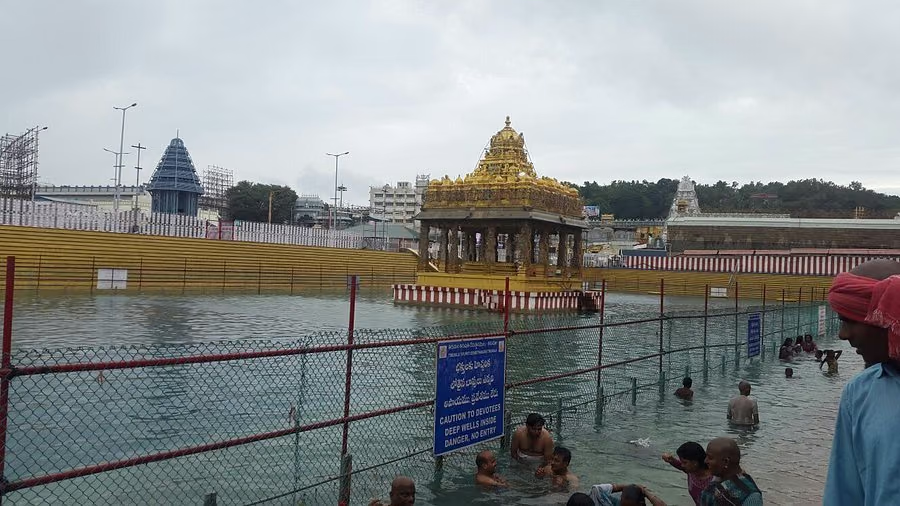
- Architecture: The temple is a splendid example of Dravidian architecture, with a distinctive gopuram (tower) that is gold-plated and rises over the sanctum sanctorum, known as Ananda Nilayam. The complex includes a series of mandapams (halls), such as the Ranga Mandapam and the Tirumala Raya Mandapam, adorned with intricate carvings and pillars. The main shrine houses the deity Venkateswara, standing about 8 feet tall, with a dark complexion and adorned with precious jewels and a diamond crown. The temple's layout includes a circumambulation path, a flagstaff (Dwajasthambam), and a sacred tank (Swami Pushkarini). The Vimana (tower above the sanctum) is a notable feature, and the entire complex is surrounded by high walls, with the Seshachalam hills providing a natural backdrop.
TTD Accommodation Guide
- Summary: The Tirumala Tirupati Devasthanams (TTD) manages an extensive network of pilgrim accommodation and facilities at Tirumala and Tirupati, catering to millions of devotees who visit the Sri Venkateswara Temple annually. From free dormitories to premium cottages, TTD offers a range of options designed to make the pilgrimage comfortable and spiritually fulfilling. This guide covers accommodation choices, the free Anna Prasadam meal program, the booking process, and essential tips for a smooth visit.
- Overview: Tirumala, perched in the Seshachalam hills at about 853 meters above sea level, is home to the world's most-visited religious site, the Sri Venkateswara Temple. The TTD trust, one of India's largest religious administrative bodies, provides a comprehensive pilgrim support system, including queue complexes, free and paid lodging, and daily free meals. Accommodation is available both on the hill (Tirumala) and at the base town (Tirupati), with prices ranging from free to a few thousand rupees per night. Booking is typically done online through the TTD official website, and demand is high, so early reservation is essential.
- Anna Prasadam Free Meals: TTD runs a massive free meal program called Anna Prasadam, serving thousands of pilgrims daily at various dining halls on Tirumala and in Tirupati. The meals are simple, vegetarian, and prepared in hygienic kitchens, typically including rice, sambar, curries, and buttermilk. This service is a hallmark of TTD's hospitality, ensuring that no devotee goes hungry, and it is available to all visitors without any charge.
Religious Significance
- Summary: Tirupati, in Andhra Pradesh's Chittoor district, is one of the holiest Hindu pilgrimage sites, centered on the hilltop Tirumala Venkateswara Temple dedicated to Lord Venkateswara (Vishnu). The temple is the world's most-visited religious site, drawing tens of thousands daily, and is renowned as the richest temple by donations. Managed by the TTD, it offers organized darshan, free meals, and a deeply spiritual experience.
- Famous For: The Tirumala Venkateswara Temple, the richest and most-visited temple in the world; the sacred seven hills of Tirumala; daily crowds of 50,000–100,000 pilgrims; the golden Ananda Nilayam gopuram; and the unique tradition of tonsure (hair offering).
- Overview: Tirupati town sits at the base of the Seshachalam hills, with the main temple located on Tirumala hill at about 853 meters elevation, 22 km by road. The temple complex is a sprawling spiritual city with queue complexes, free accommodations, and kitchens serving free Anna Prasadam. Nearby, the Sri Padmavathi Temple at Tiruchanur, Kapila Theertham waterfall, Silathoranam rock arch, and Chandragiri Fort enrich the pilgrimage circuit.
Festivals
- Overview: Tirupati, in the southern Indian state of Andhra Pradesh, is a sacred pilgrimage town nestled at the foot of the Seshachalam hills. The main temple, the Tirumala Venkateswara Temple, sits atop Tirumala hill (about 853 meters above sea level, 22 km by road) and is dedicated to Lord Venkateswara, a form of Vishnu. It is widely regarded as the most-visited religious site in the world, drawing tens of thousands of pilgrims daily, and is also considered the richest temple in the world by donations. Managed by the Tirumala Tirupati Devasthanams (TTD), the temple offers a highly organized infrastructure including queue complexes, accommodations, and free meals (Anna Prasadam). Festivals here are grand, deeply devotional, and attract massive crowds, blending ancient rituals with modern crowd management. The town also hosts the Sri Padmavathi Temple at Tiruchanur (about 5 km away), Kapila Theertham waterfall, and the historic Chandragiri Fort, making the region a rich pilgrimage and cultural destination.
- Best Time: The best time to visit Tirupati for festivals is during Brahmotsavam (September-October) for the grand spectacle, or during the cooler months from October to March for pleasant weather and manageable crowds. Avoid the peak summer months (April-June) when temperatures can be high, though the hill station climate of Tirumala is relatively cooler. For a less crowded experience, plan a visit on a regular weekday, preferably during the months of July-August or November-December (excluding Vaikunta Ekadashi).
History
- Summary: Tirupati, a town in Andhra Pradesh, India, is synonymous with the Tirumala Venkateswara Temple, a hilltop shrine dedicated to Lord Venkateswara (a form of Vishnu). The temple is the most-visited religious site in the world, attracting tens of thousands of pilgrims daily, and is the richest temple by donations. Managed by the Tirumala Tirupati Devasthanams (TTD), the temple complex offers extensive pilgrim infrastructure, including free meals and accommodation. The site's history spans millennia, from ancient legends to Vijayanagara patronage and modern administration.
- Overview: The Tirumala Venkateswara Temple, also known as the Tirupati Balaji Temple, sits atop the Tirumala hills (part of the Seshachalam range, ~853m elevation, ~22km by road from Tirupati town). The temple is dedicated to Lord Venkateswara, believed to be a swayambhu (self-manifested) form of Vishnu. It is the world's most-visited religious site, with daily footfall often exceeding 100,000 during festivals. The temple's wealth is legendary, with the hundi (donation box) collecting crores of rupees daily, and devotees offering their hair (tonsure) as a traditional sacrifice. The TTD manages all aspects of the pilgrimage, including queue complexes, free and paid accommodation, and the famous Anna Prasadam (free meals). The associated Sri Padmavathi Temple at Tiruchanur and Kapila Theertham at the base are integral to the pilgrimage circuit.
- Ancient History: The origins of Tirupati and the Tirumala temple are steeped in mythology and ancient texts. According to legend, Lord Venkateswara chose to reside on Tirumala to save humanity from the Kali Yuga. The temple is mentioned in the Tamil Sangam literature (circa 300 BCE - 300 CE) and later in the works of the Alvar saints (Vaishnava poet-saints) between the 5th and 9th centuries CE. The Pallavas (9th century) and later the Cholas made significant contributions, with inscriptions recording land grants and endowments. The temple's earliest inscriptions date to the 9th century, indicating a well-established shrine by that time. The deity was originally known as 'Tiruvengadam' in Tamil tradition, and the hill as 'Tirumala' (the sacred hill). The temple's architecture evolved over centuries, with later dynasties adding gopurams and mandapams.
Tirupati to Tirumala Guide
- Overview: Tirupati, the bustling town at the base of the Seshachalam hills, serves as the gateway to the sacred hilltop of Tirumala, where the renowned Sri Venkateswara Temple stands at about 853 meters elevation. The 22-kilometer journey up the winding ghat roads is a pilgrimage in itself, with options ranging from the convenience of TTD buses and private vehicles to the spiritual rigor of the ancient footpaths. Managed by the Tirumala Tirupati Devasthanams (TTD), the route is well-maintained and supported by extensive pilgrim infrastructure, including queue complexes and free meal services, ensuring a smooth ascent for the millions who make the trek each year.
- Road Options: Two ghat roads connect Tirupati to Tirumala: the Alipiri Ghat Road (via Alipiri, about 22 km) and the Srivari Metta Ghat Road (via Srivaripalli, about 22 km). Both are two-lane, winding mountain roads with multiple hairpin bends, offering scenic views of the Seshachalam range. Alipiri is the older and more commonly used route, while Srivari Metta is generally less congested; both are open 24/7, but are subject to occasional closures during heavy rains or landslides.
- Footpath Option: For the devout, the Alipiri footpath (also known as the Alipiri Metta) is a stepped climb of about 3,550 steps (approximately 11 km) starting at Alipiri, taking 4-6 hours for most pilgrims. The Srivari Mettu footpath, starting near the Srivaripalli checkpost, is a shorter but steeper route of about 2,500 steps (around 8 km), often preferred by those seeking a quicker ascent. Both paths have shelters, drinking water, and medical aid points along the way, and are illuminated at night; however, they are physically demanding and recommended only for those in good health.
The Sacred Heart of Tirupati
A timeless journey of faith and devotion.
Significance
Tirupati is the most important Vaishnavite pilgrimage center in India, with a history spanning over a millennium, and is considered the Kali Yuga's primary abode of Vishnu.
Venkateswara Significance
Lord Venkateswara, also known as Balaji, is believed to be a swayambhu (self-manifested) form of Vishnu, who appeared to save humanity from the trials of Kali Yuga.
Hundi And Tonsure Tradition
The hundi (donation box) collects enormous daily offerings, making the temple the richest in the world; devotees also offer their hair in the Kalyanakatta halls as a symbol of ego surrender.
Padmavathi Connection
The Sri Padmavathi Temple at Tiruchanur is dedicated to the consort of Venkateswara, and a pilgrimage is traditionally incomplete without visiting her shrine.
Frequently Asked Questions
The best time is from September to February when the weather is pleasant. However, the temple is open year-round, and festivals like Brahmotsavam (September-October) draw huge crowds.
The Sarvadarsanam queue can take 6 to 12 hours, depending on the day and season. Special Entry Darshan (₹300) reduces the wait to 2-3 hours, and Seeghra Darshanam for senior citizens and disabled is faster.
No, it is voluntary, but a significant number of devotees choose to offer their hair as a symbol of surrender. The TTD provides free tonsure facilities at Kalyanakatta.
Yes, it is possible. The Padmavathi Temple is about 5 km from Tirupati town, and many pilgrims visit it before or after the Tirumala darshan.
Yes, the TTD offers a range of accommodations, from free dormitories to paid cottages and suites. Advance booking is recommended, especially during peak seasons.
Taxi to Tirupati
Outstation cabs with fares for every vehicle — sedan, SUV and Tempo Traveller.
Tour Packages for Tirupati
Your Tirupati Journey Starts Here
Explore top attractions, local culture, and the experiences that make this destination worth visiting.