
Uttarakhand
Land of Gods — Himalayan Peaks & Sacred Rivers
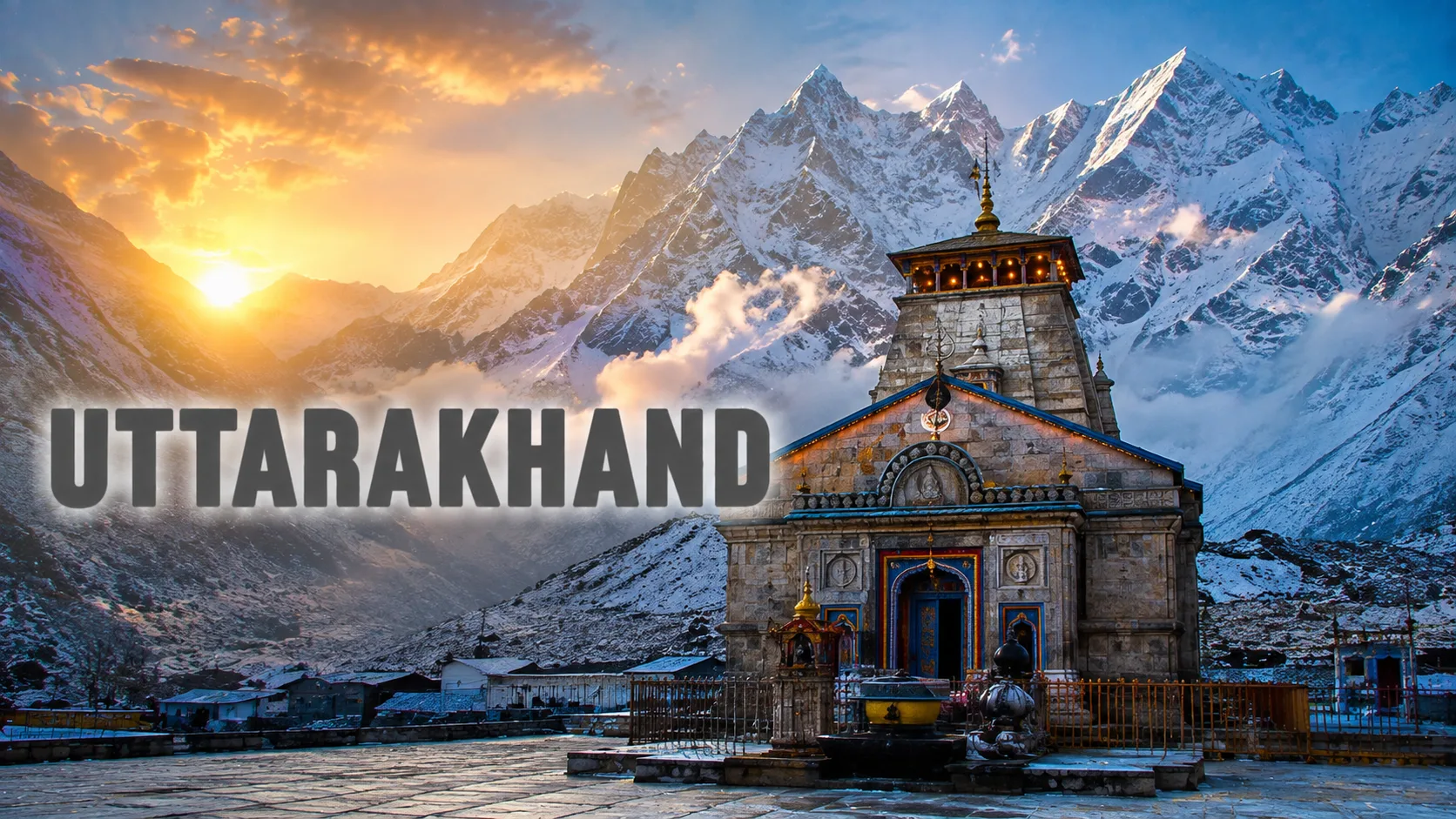
Uttarakhand, known as the Land of Gods, is a Himalayan state famed for sacred pilgrimage sites, hill stations, snow-capped peaks, and the source of the Ganges and Yamuna rivers.
About Uttarakhand
Overview
Uttarakhand lies in the Himalayan foothills of northern India, carved out of Uttar Pradesh in 2000 and often called Devbhoomi, the Land of Gods. Its interim capital, Dehradun, sits in the Doon Valley, while the state's spiritual heart lies in the Char Dham — Yamunotri, Gangotri, Kedarnath, and Badrinath — four sacred pilgrimage sites nestled high in the mountains. Rishikesh and Haridwar, where the Ganges emerges from the hills, are revered centers of yoga and pilgrimage, drawing visitors from across the world. The state's hill stations, including Nainital, Mussoorie, and Almora, offer cooler retreats amid lakes and pine forests, while Jim Corbett National Park, India's oldest national park, protects tigers and diverse wildlife. Uttarakhand is also home to two UNESCO World Heritage Sites, the Valley of Flowers and Nanda Devi National Park, renowned for their alpine meadows and rare biodiversity.
- Valley of Flowers National Park (UNESCO, 1988) — alpine meadow of rare wildflowers
- Nanda Devi National Park (UNESCO, 1988) — home to India's second-highest peak
- Char Dham Yatra — Yamunotri, Gangotri, Kedarnath & Badrinath
- Rishikesh — global yoga and river-rafting hub on the Ganges
Top Destinations in Uttarakhand
View All DestinationsTour Packages for Uttarakhand



Culture & Heritage
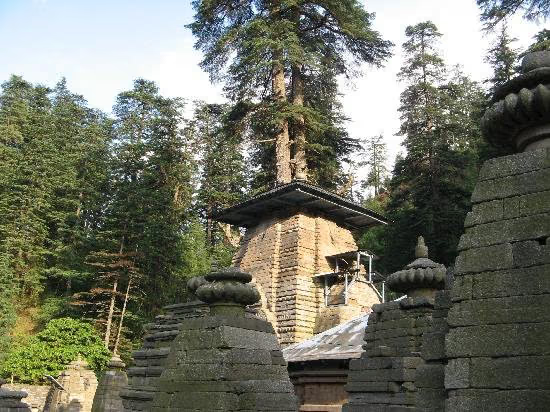
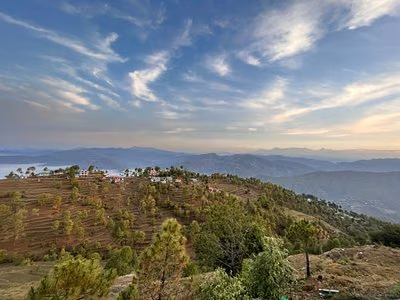
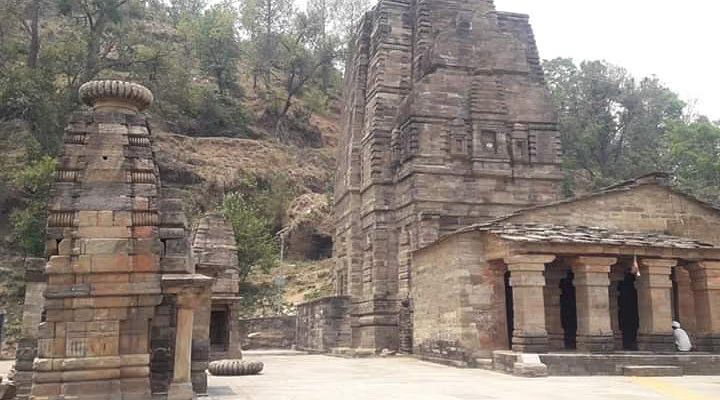
Uttarakhand's culture is deeply rooted in Himalayan Hindu tradition, shaped by the Garhwal and Kumaon regions' distinct languages, folk music, and mountain lifestyles. Pilgrimage and reverence for the Ganges and Himalayan peaks run through daily life and festivals alike.
- Garhwali & Kumaoni Folk Traditions
- Char Dham Pilgrimage Culture
- Himalayan Terrace Farming
- Aipan Folk Art
Famous Festivals
- Kumbh Mela (Haridwar) — CyclicalOne of the four sites of the Kumbh Mela, drawing millions of pilgrims to bathe in the Ganges.
- Nanda Devi Raj Jat — Every 12 yearsA grueling Himalayan pilgrimage festival honoring the goddess Nanda Devi.
- Harela — JulyA Kumaoni festival celebrating the onset of the monsoon and the sowing season.
Food of Uttarakhand
- Aloo ke GutkeSpiced, pan-fried potatoes tempered with local Himalayan herbs, a Garhwali staple.
- KafuliA green, spinach-and-fenugreek based curry popular in the hills.
- Bal MithaiA fudge-like roasted khoya sweet coated in sugar balls, a signature Kumaoni dessert.
- Jhangora ki KheerA pudding made from barnyard millet, traditionally cooked in the hill regions.
Travel Information
How to Reach
- Jolly Grant Airport in Dehradun and Pantnagar Airport connect to major Indian cities.
- Railheads at Dehradun, Haridwar, Kathgodam, and Rishikesh serve as gateways to the hills.
- Mountain highways connect Dehradun, Haridwar, Rishikesh, Nainital and the Char Dham circuit; travel can be slow on winding roads.
Nearest Airports
- Jolly Grant Airport (DED) — Dehradun
- Pantnagar Airport (PGH) — Pantnagar
Travel Tips
- Char Dham Yatra requires registration and is typically open only from late April/May to early November.
- Monsoon (Jul–Aug) brings landslide risk on mountain roads — check conditions before travel.
- Higher-altitude sites like Kedarnath and Valley of Flowers require warm clothing even in summer.
Frequently Asked Questions
March to June and September to November are the most reliable windows, offering clear mountain views and manageable temperatures across both the hill stations and the pilgrimage circuit. The Char Dham Yatra typically runs from late April or May through early November, closing over winter when the high shrines at Kedarnath and Badrinath become snowbound and inaccessible. The Valley of Flowers opens only briefly, from July to September, since that's when its alpine meadows are in bloom, even though this overlaps with monsoon season and its landslide risk on mountain roads. July and August are best avoided for road-heavy itineraries, as heavy rain can disrupt travel through the Garhwal and Kumaon hills.
Five to six days is a good length for a hill-station and pilgrimage-town trip: two days around Rishikesh and Haridwar for the Ganges ghats, yoga ashrams, and river rafting, followed by two to three days in Nainital or Mussoorie enjoying the lakes and pine forests. The full Char Dham Yatra, covering Yamunotri, Gangotri, Kedarnath, and Badrinath, is a much bigger undertaking and typically takes nine to twelve days given the mountain driving distances and the need to acclimatise at altitude. If wildlife is on the agenda, add two more days for Jim Corbett National Park, ideally as a separate leg rather than combined with the high-altitude shrines.
Uttarakhand is known above all as the source of the Ganges and Yamuna rivers and as the home of the Char Dham, the four sacred Himalayan pilgrimage sites of Yamunotri, Gangotri, Kedarnath, and Badrinath. Rishikesh has become a global centre for yoga, meditation, and adventure sports like white-water rafting, drawing both spiritual seekers and outdoor travellers. The state's hill stations, particularly Nainital with its mirror lake and Mussoorie with its colonial-era charm, offer cooler retreats amid pine forests, while the Valley of Flowers and Nanda Devi National Park, both UNESCO World Heritage Sites, showcase some of the Himalayas' rarest alpine biodiversity.
Dehradun's Jolly Grant Airport (DED) is the main gateway for Rishikesh, Haridwar, and Mussoorie, sitting roughly 20-30 km from each and well connected to Delhi and other major Indian cities. Pantnagar Airport (PGH) is the better choice if Nainital or the Kumaon hill stations are your priority, cutting down road travel time compared to flying into Dehradun. For the Char Dham Yatra or Jim Corbett, most visitors still fly into Dehradun or Delhi and then travel onward by road, since none of the pilgrimage towns or the park itself have their own commercial airports.
Rishikesh, Haridwar, and the hill stations of Nainital and Mussoorie are comfortable for most travellers, with paved promenades, lake-side walks, and a good range of accessible hotels, though some ghat and market areas involve stairs and slopes. The Char Dham Yatra and high-altitude treks are considerably more physically demanding, involving long mountain drives, thin air at altitude, and in some cases multi-kilometre walks or pony rides to reach temples like Kedarnath, so they suit only fit, well-prepared travellers. For a senior-friendly group, a Rishikesh-Haridwar-Nainital itinerary paced over five to six days with rest days built in is generally the safer, more enjoyable option.