
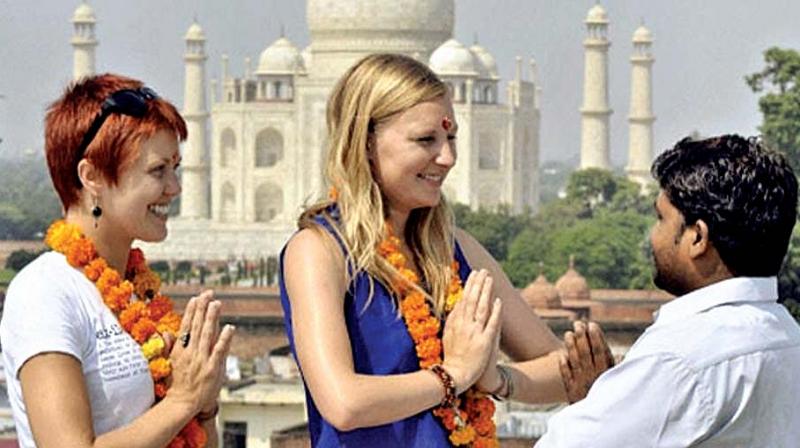
Is India Safe for American Tourists: Honest 2025 Safety Guide for US Travelers
Many American travelers planning a trip to India often ask the same question: Is India safe for American tourists? The simple answer is yes—India is generally safe for US visitors, especially in popular tourist destinations. Millions of Americans travel to India every year for culture, food, heritage, yoga, Ayurveda, wildlife, business, weddings, and spiritual experiences. India welcomes tourists warmly, but like any other major international destination, safety comes from awareness, preparation, and smart travel habits. This guide gives you a clear and realistic understanding of safety in India, written specifically for US travelers. Use these insights to feel confident, informed, and prepared for a smooth journey.
Table of Contents
1. Is India Safe for US Citizens? The Real Overview
India is safe when you follow normal international travel precautions. Tourist areas have good security, hotels follow high safety standards, and local people are friendly and helpful. Violent crime against foreigners is rare. Most problems arise from misunderstandings, crowds, or minor scams—not physical danger. Major cities are like any big city in the world: safe in busy areas, but caution is needed at night or in isolated zones. If you stay aware and follow the tips below, you will enjoy a comfortable, secure trip.
2. Safety in Major Tourist Cities
Most American tourists visit cities like Delhi, Agra, Jaipur, Mumbai, Goa, Kochi, Udaipur, Chennai, Bengaluru, Varanasi, and Rishikesh. These destinations are accustomed to handling international travelers. Police presence is strong in tourist zones, airports, hotels, and monuments. Popular areas are crowded but safe. Each city has unique behaviors, but the overall safety level is consistent. Avoid unfamiliar neighborhoods late at night, stay in good hotels, and use private transportation. These simple habits make travel trouble-free.
3. Common Safety Concerns for US Travelers (and Real Answers)
• Crowds: India has busy streets and markets, but they are generally safe. Stay aware of your belongings.
• Scams: Common tourist issue. Avoid unsolicited help or deals that sound too good.
• Traffic: Roads are busy; use private drivers.
• Food: Eat from clean restaurants to avoid stomach issues.
• Night Travel: Avoid late-night walks in empty areas.
• Women’s Safety: Women can travel safely with awareness and basic precautions.
• Language Barrier: Not a problem; English is widely spoken.
• Police: Helpful with tourists; emergency response is decent.
Most concerns have simple solutions that make your journey smooth.
4. Crime Situation in India: What US Travelers Should Know
Violent crime against foreigners is extremely rare. Petty theft, pickpocketing, and tourist scams happen occasionally, mostly in crowded areas. Tourist police and CCTV coverage are increasing across India. Hotels follow strict security checks. Airports are heavily monitored and extremely safe. Most US travelers experience no security issues throughout their trip. Awareness—not fear—is what ensures safety.
5. Safety Tips for US Travelers: Simple Rules That Work
• Keep valuables close and secure in crowded places.
• Use hotel safes for passports and extra money.
• Avoid showing expensive jewelry or large amounts of cash.
• Choose hotels with strong reviews and central locations.
• Follow your driver or guide’s advice about safe areas.
• Don’t accept unsolicited tour offers or street packages.
• Carry your phone charged with maps and contacts saved.
• Keep your bags zipped while walking or in markets.
These basics prevent 95 percent of common problems.
6. Transportation Safety: The Smartest Ways to Travel in India
Transportation safety matters more than anything else. India’s roads are busy and unpredictable, so US travelers should avoid driving.
• Use private car + English-speaking driver: Most reliable option.
• Use domestic flights for long distances: Safe, modern, efficient.
• Use Uber / Ola: Safe in cities.
• Avoid unmarked taxis: Stick to official or hotel-recommended ones.
• Follow seatbelt rules: Always buckle up, even in the back seat.
Indian drivers understand road patterns far better than foreign travelers. Hiring a private driver ensures comfort and safety.
7. Women’s Safety in India: What Female US Travelers Should Know
India is safe for female travelers when using common-sense precautions. Women travel solo across India every day.
• Dress modestly in traditional areas.
• Avoid walking alone late at night.
• Use private transport or hotel taxis after dark.
• Choose hotels with good ratings and reception support.
• Avoid isolated lanes and unfamiliar neighborhoods.
• Ignore unwanted attention—walk confidently and don’t engage.
• Trust your instincts and leave uncomfortable situations.
India is respectful when you set boundaries. Women travelers often describe India as warm, helpful, and inspiring.
8. Safety at Monuments, Markets & Tourist Spots
Most tourist spots have good security. Still, be aware of your surroundings.
• Avoid extremely crowded areas during festivals.
• Watch out for unofficial guides trying to sell services.
• Keep your bag on your chest or side in packed markets.
• Buy tickets only from official counters.
• Don’t hand your phone to strangers offering “free photos.”
• Politely decline persistent sellers.
Tourist hotspots are safe but busy—situational awareness keeps everything under control.
9. Food Safety for Americans: Avoiding Stomach Trouble
Food in India is delicious, but choose wisely.
• Eat at clean restaurants with good reviews.
• Avoid raw salads unless at reputable places.
• Prefer bottled water over tap water.
• Skip extremely spicy street food if you’re not used to it.
• Carry basic digestive medicines.
• Start with mild dishes and gradually try stronger flavors.
Most stomach issues come from unsafe water or raw foods—not the cuisine itself.
10. Hotel & Accommodation Safety
India offers safe and comfortable hotels for American tourists.
• Book hotels with a rating of 4.0 or higher.
• Prefer international chains, premium boutique hotels, or well-reviewed properties.
• Check hotel photos and recent reviews before booking.
• Use hotel safes for passports, laptops, and extra money.
• Keep your door locked at all times.
• Avoid meeting strangers in your room.
Hotels in major cities are secure and professional. Staff are trained to assist international travelers.
11. Money & ATM Safety
Money handling feels different in India but it’s easy with the right approach.
• Use ATMs inside banks or malls.
• Keep smaller denominations for markets.
• Avoid exchanging money at airports due to high fees.
• Use credit cards for hotels and restaurants.
• Keep your wallet in a secure front pocket or crossbody bag.
• Don’t count money openly in crowded areas.
Managing money safely just requires basic awareness.
12. SIM Cards, Network & Communication Safety
Communication is essential for safe travel.
• Buy an Airtel or Jio SIM card for the best coverage.
• Use WhatsApp to stay connected with drivers and guides.
• Keep your phone charged and carry a power bank.
• Save emergency contacts and hotel numbers.
• Download offline maps before long journeys.
Staying connected helps you navigate India comfortably.
13. Scams to Avoid: Simple Awareness Helps
Scams in India are usually small, not dangerous.
• Avoid overly friendly strangers offering tours or deals.
• Don’t trust “free” items or overly cheap offers.
• Ignore touts claiming a monument is “closed today.”
• Book cabs only through apps or hotels.
• Don’t give money to beggars at busy signals.
• Avoid gem/travel/package scams in tourist hubs.
If something feels too good to be true—walk away.
14. Safety During Festivals & Major Crowds
India’s festivals attract thousands of people.
• Stay close to your group.
• Keep belongings tightly secured.
• Avoid extremely packed areas if uncomfortable.
• Follow instructions from authorities and guides.
Crowds are festive, not dangerous, but awareness is important.
15. Nature, Wildlife & Adventure Safety
India’s natural attractions are beautiful but require caution.
• Follow park rules strictly during safaris.
• Keep distance from animals.
• Avoid swimming in unknown waters.
• Respect weather warnings in hill stations.
• Wear proper footwear for nature trails.
Adventure in India is enjoyable when you stay mindful.
16. Emergency Numbers for US Travelers
Keep these numbers saved:
• 112: All-purpose emergency number
• 100: Police
• 102: Medical ambulance
• 1091: Women’s helpline
India’s emergency services are responsive in major cities and tourist hubs.
17. Final Safety Advice for American Travelers
India is safe when you follow simple guidelines. Stay aware of your surroundings, trust your instincts, use reliable transport, eat wisely, and keep your belongings secure. India offers extraordinary experiences—heritage sites, cultural landmarks, spiritual destinations, natural beauty, welcoming people, and some of the world’s best hospitality. With the right preparation, your India trip will be comfortable, enriching, and full of unforgettable memories. Most American travelers describe India as vibrant, fascinating, safe, and deeply meaningful. Approach with openness, respect, and awareness—and India will reward you with an incredible journey.