
Chardham Yatra Tour Package from Jaipur: Spiritual Journey & Himalayan Beauty
- Places Covered: Chardham Yatra
- Tour Type: Private Tour
- Transport: Private Cab
- Customization: Available
Jaipur to Chardham Tour Package Itinerary
This 9-day Chardham Yatra tour package from Jaipur offers a profound spiritual and scenic exploration of Uttarakhand’s revered pilgrimage sites.
Day 1: Arrival in Dehradun/Haridwar & Drive to Barkot
The journey begins with arrival at Dehradun or Haridwar via air, train, or bus. A scenic drive then proceeds to Barkot, a picturesque town situated at an elevation of 1,220 meters. Barkot serves as an important stopover on the route to Yamunotri, offering stunning views of the Bandarpunch peaks and a tranquil environment for an overnight stay.
Day 2: Yamunotri Darshan & Barkot Stay
An early morning drive takes pilgrims to Janki Chatti, the starting point for the trek to Yamunotri Temple (https://en.wikipedia.org/wiki/Yamunotri_Temple). The temple, dedicated to Goddess Yamuna, is perched amidst the Garhwal Himalayas and is a highly revered site. The trek, which can be done via pony, doli, or on foot, leads to the hot water springs of Surya Kund and Divya Shila, a rock pillar worshipped before entering the temple. The sacred black marble idol of Goddess Yamuna resides within the temple, offering a profound spiritual experience. After darshan, the return journey to Barkot for an overnight stay.
Day 3: Barkot to Gangotri Sightseeing & Uttarkashi Stay
The day begins with a drive from Barkot towards Uttarkashi. En route, the journey pauses for a holy dip in the sacred waters of the Bhagirathi River (https://en.wikipedia.org/wiki/Bhagirathi_River). This river is a major tributary of the Ganges and holds immense spiritual significance. Upon reaching Uttarkashi, the Kashi Vishwanath Temple (https://en.wikipedia.org/wiki/Vishwanath_Temple,_Uttarkashi) is visited. This ancient temple, dedicated to Lord Shiva, is a replica of the original Kashi Vishwanath Temple in Varanasi and attracts numerous devotees. The surroundings of Uttarkashi offer a serene ambiance with views of the Himalayas. An overnight stay is arranged in Uttarkashi.
Day 4: Uttarkashi to Phata Stay
Following breakfast, the drive continues from Uttarkashi towards Phata. This leg of the journey takes travelers through diverse Himalayan landscapes, offering glimpses of traditional villages and lush valleys. Phata serves as a crucial base for pilgrims heading to Kedarnath, especially those opting for helicopter services, due to its proximity to the helipads. The evening is spent in Phata, preparing for the sacred pilgrimage to Kedarnath.
Day 5: Phata to Kedarnath (Helicopter/Pony/Trekking) & Kedarnath Camp Stay
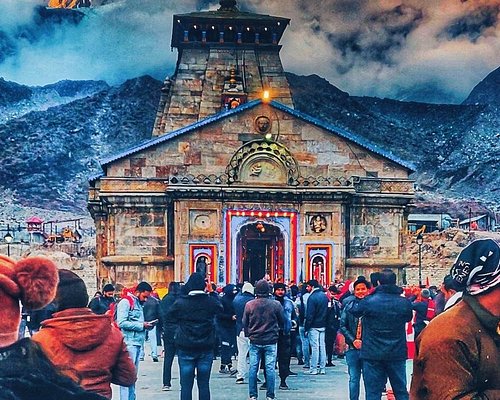
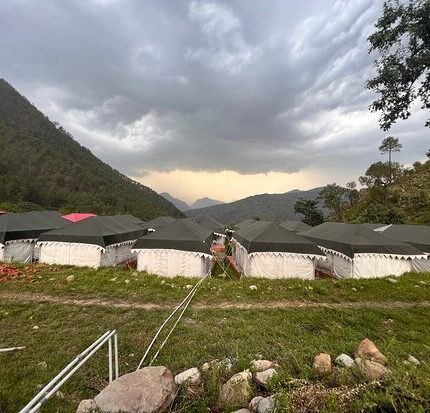
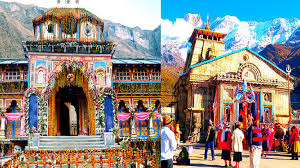
An early start marks the day for the revered Kedarnath Darshan (https://en.wikipedia.org/wiki/Kedarnath_Temple). Pilgrims proceed from Phata to Kedarnath, choosing between a helicopter ride, pony trek, or a challenging foot trek. The Kedarnath Temple, dedicated to Lord Shiva, stands majestically at an altitude of 3,583 meters amidst the snow-capped peaks. It is one of the twelve Jyotirlingas of Shiva and holds profound spiritual importance. The rugged terrain and awe-inspiring natural beauty surrounding the temple create a truly divine atmosphere. An overnight stay is arranged in a camp or guest house near the temple.
Day 6: Kedarnath to Phata Stay
After morning prayers and a final darshan at Kedarnath Temple, the return journey to Phata commences. This involves descending from Kedarnath either by helicopter, pony, or on foot. The descent offers different perspectives of the breathtaking Himalayan scenery. Upon reaching Phata, the evening provides an opportunity for rest and reflection after the arduous yet spiritually rewarding pilgrimage. An overnight stay is arranged in Phata.
Day 7: Phata to Badrinath & Mana Village Visit & Badrinath Stay
The journey continues from Phata towards the sacred town of Badrinath (https://en.wikipedia.org/wiki/Badrinath_Temple). Badrinath, dedicated to Lord Vishnu, is one of the holiest Hindu pilgrimage sites and part of the Char Dham pilgrimage. Upon arrival, a visit to Mana Village (https://en.wikipedia.org/wiki/Mana_village) is undertaken. Known as the ‘last Indian village’ before the Tibetan border, Mana is rich in mythological connections, believed to be where Ved Vyas composed the Mahabharata. Attractions include Vyas Gufa, Ganesh Gufa, and the Bhim Pul. An overnight stay is planned in Badrinath.
Day 8: Badrinath Sightseeing & Evening Pipalkoti Stay
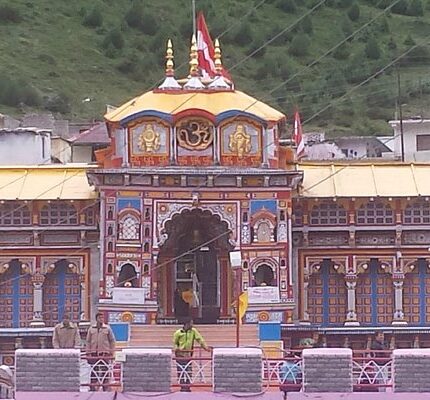
Morning darshan at the revered Badrinath Temple. The temple, with its vibrant facade, is situated on the banks of the Alaknanda River and offers a serene setting for spiritual reflection. After darshan, exploration of the surrounding areas continues. In the evening, the drive proceeds to Pipalkoti, a small town nestled in the Garhwal Himalayas. Pipalkoti provides a peaceful retreat amidst picturesque surroundings and serves as a convenient stopover. An overnight stay is arranged in Pipalkoti.
Day 9: Drive to Rishikesh (Confluence Visits) & Haridwar Drop
The final day involves a scenic drive towards Rishikesh. En route, stops are made at significant prayags (confluences) of rivers: Nand Prayag, where the Mandakini and Alaknanda rivers meet; Karna Prayag, the confluence of the Pindar and Alaknanda rivers; Rudra Prayag, where the Alaknanda meets the Mandakini; and Dev Prayag, the sacred confluence of the Alaknanda and Bhagirathi rivers, forming the Ganges. These confluences hold deep spiritual importance in Hindu mythology. The evening includes a visit to Rishikesh, the ‘Yoga Capital of the World’, known for its ashrams, yoga centers, and the iconic Laxman Jhula and Ram Jhula bridges. The tour concludes with a drop-off in Haridwar by 8 PM.
3 Star Hotels in Chardham and nearby cities
Accommodations during the Chardham Yatra are carefully selected 3-star hotels and camps, offering comfortable stays with essential amenities. These establishments ensure a restful night’s sleep after each day’s spiritual journey. Locations include Barkot, Uttarkashi, Phata, Kedarnath (camp/guest house), Badrinath, and Pipalkoti, providing strategic access to the pilgrimage sites and surrounding attractions.
Chardham Yatra Package Price from Jaipur
(All prices are approximate and per person, based on a 9-day tour with 8 nights hotel stay and vehicle as per group size, including 20% admin & profit.)
- For 2 persons: Rs. 33120
- For 3 persons: Rs. 25920
- For 4-7 persons: Starting from Rs. 20777 (based on 7 adults in Innova)
- For 8-10 persons: Starting from Rs. 20160 (based on 10 adults in 12-seater Tempo Traveller)
- For 11-12 persons: Starting from Rs. 20520 (based on 12 adults in 18-seater Tempo Traveller)
Inclusions in Chardham Yatra Tour Package from Jaipur
Breakfast, all sightseeing as per itinerary, AC vehicle Dzire or Innova or Tempo Traveller as per group size, driver allowance, parking, tolls, and stay in 3star AC hotels.
Exclusions in Chardham Yatra Package from Jaipur
Anything not mentioned in inclusions, entry tickets, boating, guide services, personal expenses, camera fees, or meals other than breakfast.
Child Policy for Chardham Yatra
Child up to 6 years Free
Child 6 to 8 years Half charge
Child above 8 years Full charge
Payment Policy for Chardham Yatra Package Booking
20 percent advance at time of booking
20 percent after getting hotel booking voucher
60 percent during tour in parts
For tours between 15 Dec to 2 Jan, 50 percent advance payment required.
Cancellation Policy for Chardham Yatra Tour
Minimum Rs. 3000 cancellation charge per person
10 percent or Rs. 3000 per person whichever is higher
25 percent cancellation between 46 to 30 days before departure
50 percent cancellation between 30 to 15 days before departure
75 percent cancellation between 15 to 5 days before departure
100 percent cancellation within 5 days of departure or noshow
Cancellation charges are calculated as percentage of total tour cost.
Frequently Asked Questions – Chardham Travel Guide
- What is the best time to undertake the Chardham Yatra?
The ideal time is from May to June and September to October. The temples usually open in late April or early May and close for winter in October or November. - Is it mandatory to complete the Chardham Yatra in a specific order?
Tradition suggests visiting Yamunotri first, followed by Gangotri, Kedarnath, and finally Badrinath, completing the circuit in a clockwise direction. However, this is not strictly enforced. - What are the accommodation options during the Chardham Yatra?
Accommodations range from budget guesthouses and camps to 3-star hotels in major stopovers like Barkot, Uttarkashi, and Badrinath. Kedarnath offers basic camp or guesthouse facilities. - Is a medical check-up advisable before the Yatra?
Yes, a thorough medical check-up is highly recommended, especially for individuals with pre-existing health conditions, due to the high altitudes and arduous treks involved. - What kind of clothing should be carried for the Chardham Yatra?
Warm clothing, including woolens, thermal wear, and a waterproof jacket, is essential as temperatures can drop significantly, especially at higher altitudes. Layering is advisable. - Are there ATMs available along the Chardham route?
ATMs are available in larger towns like Haridwar, Rishikesh, and Uttarkashi. It is advisable to carry sufficient cash for smaller transactions and emergencies. - Can senior citizens undertake the Chardham Yatra?
Yes, with proper planning, senior citizens can undertake the yatra. Pony, doli, and helicopter services are available for difficult stretches, making it accessible. - Are vegetarian food options readily available?
All major stops and pilgrimage sites primarily offer vegetarian food, aligning with the sacred nature of the yatra. Non-vegetarian food is generally not available. - Is it safe to travel during the monsoon season?
Traveling during the monsoon (July-August) can be challenging due to landslides and road blockages. It is generally advisable to avoid this period for safety reasons. - What are the essential items to carry for the trek to Kedarnath and Yamunotri?
Essential items include comfortable trekking shoes, a rain jacket, a small backpack, a water bottle, snacks, a first-aid kit, sunglasses, and a hat. - How can one book a helicopter service for Kedarnath?
Helicopter services for Kedarnath can be booked online through official government portals or authorized private operators. Advance booking is highly recommended due to high demand. - What is the significance of the river confluences (Prayags)?
The Prayags (Devprayag, Rudraprayag, Karnaprayag, Nandprayag) are sacred spots where two or more rivers meet. Taking a dip at these confluences is believed to cleanse sins and bestow blessings.
Important Travel Information for Chardham Package
- Identification and Permits: Carry valid government-issued ID proof (Aadhar Card, Voter ID, Passport) at all times. Inner Line Permits may be required for certain sensitive areas, though generally not for the main Chardham route.
- Health and Fitness: The Chardham Yatra involves high altitudes and varying terrains. Physical fitness is crucial. Consult a physician before the trip, especially if having respiratory or cardiac conditions.
- Altitude Sickness: Be aware of symptoms of Acute Mountain Sickness (AMS) such as headache, nausea, dizziness. Acclimatize gradually, stay hydrated, and avoid strenuous activity immediately upon arrival at high altitudes.
- Weather Conditions: Himalayan weather is unpredictable. Be prepared for sudden changes, including rain, snow, and significant temperature drops. Layered clothing is highly recommended.
- Connectivity: Mobile network coverage can be erratic, especially in remote areas. BSNL/Jio often have better reception. Consider carrying a satellite phone or informing emergency contacts about limited connectivity.
- Footwear: Sturdy, waterproof trekking shoes with good grip are essential for comfortable and safe walking on uneven and sometimes slippery terrain.
- Hydration and Nutrition: Drink plenty of water to stay hydrated. Carry energy bars, dry fruits, and glucose for quick energy boosts during treks.
- Environmental Responsibility: Practice responsible tourism. Avoid littering, respect local customs, and conserve natural resources. Dispose of waste appropriately.
- Emergency Contacts: Keep a list of emergency contacts, including tour operator details, local police, and medical assistance numbers.
- Flexibility in Itinerary: Road conditions, weather, and other unforeseen circumstances can lead to changes in the itinerary. Flexibility and patience are important.
- Respect Local Culture: Dress modestly when visiting temples and religious sites. Remove footwear before entering holy places. Be respectful of local traditions and customs.
- Photography: While photography is generally allowed, certain areas within temples might have restrictions. Seek permission where necessary and be mindful of privacy.
Trypdeals tour packages you might be interested in
Visit our main website for more incredible travel deals: Trypdeals Home
Explore our wide range of tour packages across various destinations: All Tours by Trypdeals
Discover the most sought-after travel destinations with Trypdeals: Top Travel Destinations
Yamunotri
Embark on a sacred journey to Yamunotri, the first stop on the Chardham pilgrimage, a spiritual odyssey originating from Jaipur. This revered shrine is the source of the Yamuna River and a testament to profound Hindu faith. Situated amidst stunning Himalayan landscapes, Yamunotri offers pilgrims a unique blend of spiritual solace and natural beauty. The temple, dedicated to Goddess Yamuna, is accessible via a trek from Janki Chatti, featuring hot water springs and the sacred Divya Shila, promising an unforgettable experience for devotees.
Gangotri
Discover the revered abode of Goddess Ganga at Gangotri, a pivotal destination in the Chardham Yatra, often visited after Yamunotri on this tour package from Jaipur. As the origin of the holy Ganges River, Gangotri holds immense spiritual significance, drawing pilgrims to its majestic temple nestled in the Garhwal Himalayas. The pristine environment, with its towering peaks and the gushing Bhagirathi River, provides a serene backdrop for prayer and contemplation. It is a place where faith meets the raw beauty of nature, offering deep spiritual resonance.
Kedarnath
Experience spiritual solace amidst the majestic Himalayas at Kedarnath, a prominent and challenging stop on the Chardham Yatra. This sacred shrine, dedicated to Lord Shiva, is one of the twelve Jyotirlingas, offering a powerful spiritual encounter. Accessible by trek, pony, or helicopter, the journey to Kedarnath is as revered as the destination itself, presenting awe-inspiring views and a profound sense of devotion. The ancient stone temple, set against a backdrop of snow-capped peaks, embodies resilience and unwavering faith.
Badrinath
Seek blessings at Badrinath, one of India’s holiest shrines and the final stop of the Chardham Yatra. Dedicated to Lord Vishnu, the vibrant temple is beautifully situated on the banks of the Alaknanda River, surrounded by the towering Garhwal peaks. The journey to Badrinath, part of the comprehensive Chardham Yatra tour package from Jaipur, leads through scenic routes and culturally rich towns. Pilgrims also explore Mana Village, a mythologically significant ‘last Indian village’, adding depth to this divine pilgrimage.
Rishikesh
Explore Rishikesh, the ‘Yoga Capital of the World’, a spiritual hub nestled in the foothills of the Himalayas. This vibrant town on the banks of the Ganges River serves as an excellent concluding point for the Chardham Yatra, offering a blend of adventure, spirituality, and tranquility. Known for its ashrams, yoga centers, and iconic suspension bridges like Laxman Jhula and Ram Jhula, Rishikesh provides opportunities for reflection, white-water rafting, and attending the mesmerising Ganga Aarti, completing the journey with a sense of peace and rejuvenation.
There are no reviews yet.