
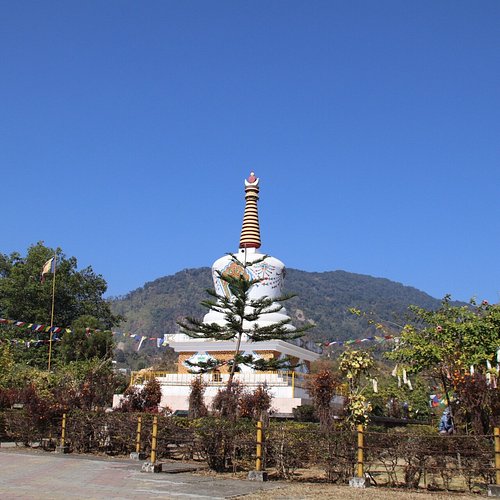
This 10-day expedition covers the remote and breathtaking landscapes of Arunachal Pradesh, starting from Itanagar and exploring Ziro, Daporijo, Aalo, Mechuka, and Tuting.
Day 1: The journey commences with a pickup from Itanagar and a scenic transfer to Ziro Valley. The route winds through the lush foothills of the Himalayas, offering glimpses of traditional Nyishi settlements. Upon arrival, check-in at the hotel is followed by an evening at leisure.
Day 2: The day is dedicated to exploring the cultural treasures of the Apatani tribe. Visits include traditional villages, local markets, and scenic viewpoints overlooking the vast rice fields. The atmosphere provides a deep insight into sustainable tribal living.
Day 3: After breakfast, the tour proceeds to Daporijo. This drive follows the course of the Subansiri River, passing through dense forests and bamboo groves. The transition from the Lower Subansiri to the Upper Subansiri district reveals diverse topographical changes.
Day 4: The itinerary continues towards Aalo. The road traverses through rugged mountain terrain and tribal hamlets. Aalo, situated on the banks of the Siyam River, welcomes visitors with its pleasant climate and sprawling orchards.
Day 5: Aalo sightseeing involves visits to the hanging bridge over the Siang River and the local Donyi-Polo temple. The day features interactions with the Galo tribe and exploration of the vibrant town market, known for indigenous crafts and local produce.
Day 6: The journey moves to the high-altitude Mechuka Valley. The ascent offers dramatic views of snow-capped peaks and the Yargyap Chu River. Mechuka is one of the most remote and scenic valleys in India, located near the international border.
Day 7: A full day is spent in Mechuka. Sightseeing includes the ancient monastery, the Sikh Gurudwara, and the local Memba villages. The landscape features meadows where wild horses graze against a backdrop of towering mountains.
Day 8: The tour heads towards the remote settlement of Tuting. This long drive takes travelers into the heart of the Upper Siang district, following the mighty Siang River. The area is known for its steep valleys and dense vegetation.
Day 9: Tuting exploration includes visits to the Gelling village and the entry point of the Brahmaputra River into India. The day focuses on the spiritual significance of the Pemako region and the stunning natural beauty of the river confluence.
Day 10: The final day involves a long drive back to Itanagar. The route provides a final look at the majestic landscapes of Arunachal Pradesh before the drop-off at the designated location for the onward journey.
Breakfast, all sightseeing as per itinerary, AC vehicle Dzire or Innova or Tempo Traveller as per group size, driver allowance, parking, tolls, and stay in 3star AC hotels.
Anything not mentioned in inclusions, entry tickets, boating, guide services, personal expenses, camera fees, or meals other than breakfast.
Child up to 6 years Free
Child 6 to 8 years Half charge
Child above 8 years Full charge
20 percent advance at time of booking
20 percent after getting hotel booking voucher
60 percent during tour in parts
For tours between 15 Dec to 2 Jan, 50 percent advance payment required.
Minimum Rs. 3000 cancellation charge per person
10 percent or Rs. 3000 per person whichever is higher
25 percent cancellation between 46 to 30 days before departure
50 percent cancellation between 30 to 15 days before departure
75 percent cancellation between 15 to 5 days before departure
100 percent cancellation within 5 days of departure or noshow
Cancellation charges are calculated as percentage of total tour cost.
Is an Inner Line Permit required for this tour?
Yes, all non-residents of Arunachal Pradesh must obtain an Inner Line Permit (ILP) or Protected Area Permit (PAP) to enter the state.
What is the best time to visit these destinations?
The ideal period is between October and April when the weather is pleasant and the roads are generally clear of monsoon disruptions.
How are the road conditions in Upper Siang?
Roads can be challenging and rugged, especially in remote areas like Mechuka and Tuting. High-clearance vehicles are utilized for safety.
Is mobile connectivity available throughout the tour?
Connectivity is limited in Daporijo, Mechuka, and Tuting. BSNL and Airtel generally provide the most reliable service in town centers.
What kind of clothing should be packed?
Layered woolen clothing is essential, as temperatures in Mechuka and Tuting can drop significantly, even during the day.
Are there vegetarian food options?
While tribal cuisine is prominent, hotels and local eateries provide basic vegetarian meals like dal, rice, and vegetable curry.
Are ATMs available in Mechuka?
There are limited ATMs in Mechuka and Tuting. It is highly recommended to carry sufficient cash from Itanagar or Ziro.
Is the tour suitable for elderly travelers?
Due to long driving hours and rugged terrain, the tour can be physically demanding. Prior medical consultation is advised.
Which tribes will be encountered on this route?
Travelers will meet the Nyishi, Apatani, Tagin, Galo, Memba, and Adi tribes, each with distinct languages and customs.
Is photography allowed in tribal villages?
Photography is generally permitted, but it is respectful and mandatory to seek permission from locals before taking their pictures.
What is the altitude of Mechuka?
Mechuka is situated at an elevation of approximately 6,000 feet (1,829 meters) above sea level.
Are medical facilities easily accessible?
Basic medical centers are available in district headquarters, but specialized healthcare is limited in the remote regions.
Visit our main website for more incredible travel deals: Trypdeals Home
Explore our wide range of tour packages across various destinations: All Tours by Trypdeals
Discover the most sought-after travel destinations with Trypdeals: Top Travel Destinations
Itanagar
Itanagar, the capital of Arunachal Pradesh, serves as the starting point for this extensive journey. The city is home to the historic Ita Fort, built with bricks in the 14th-15th century, giving the city its name. The Buddha Vihar, a consecrated Buddhist temple with a yellow roof, provides panoramic views of the surrounding hills. Visitors explore the Jawaharlal Nehru State Museum to understand the rich tribal culture and history of the state. The town provides a mix of modern amenities and traditional influences, nestled within the foothills of the Himalayas, offering a gateway to the remote districts.
Ziro
Ziro Valley, a candidate for UNESCO World Heritage status, is the plateau home of the Apatani tribe. The landscape is characterized by unique wet rice cultivation systems and pine-clad hills. The Apatani people are known for their traditional sustainable agriculture and distinct facial tattoos and nose plugs. Key sites include the Talley Valley Wildlife Sanctuary and the ancient Meghna Cave Temple. The valley stays vibrant with traditional bamboo architecture and lush green fields. It offers a cool climate and a serene atmosphere, making it one of the most picturesque destinations in Northeast India, famous for its cultural preservation.
Daporijo
Daporijo is a small, scenic town located on the banks of the mighty Subansiri River in the Upper Subansiri district. It is the residence of various tribes, including the Tagins, Nyishis, and Galos. The area is renowned for its suspension bridges made of cane and bamboo, showcasing traditional engineering skills. Sightseeing includes the Menga Cave, dedicated to Lord Shiva, which attracts many pilgrims and nature lovers. The town acts as a cultural bridge between the valleys of Ziro and Aalo. Surrounded by dense forests and hills, Daporijo provides a peaceful retreat with opportunities for river viewing and tribal interactions.
Aalo
Aalo, formerly known as Along, is situated at the confluence of the Sipu and Siyam Rivers. It is the cultural heart of the Galo tribe, known for their elaborate Mopin festival. The town is famous for its extensive orange orchards, which fill the air with a sweet aroma during the harvest season. A major attraction is the Patum Bridge, a long hanging bridge over the Siang River. The local museum and the Donyi-Polo temple offer insights into the indigenous faith and traditional lifestyle. Aalo provides a lush, green landscape and serves as an important junction in the central Arunachal circuit.
Mechuka
Mechuka Valley, located at an elevation of 6,000 feet, is often called the Switzerland of the East due to its breathtaking landscapes. The valley is surrounded by snow-capped mountains and is bisected by the crystal-clear Yargyap Chu River. The 400-year-old Samten Yongcha Monastery is a significant spiritual site for the Memba tribe. This remote destination is famous for its colorful wooden houses and wild horses grazing in the meadows. The proximity to the international border adds a sense of mystique. It is a premier location for trekking, photography, and experiencing a slow-paced, traditional Himalayan lifestyle in isolation.
Tuting
Tuting is a remote and spiritual destination located in the Upper Siang district, considered part of the sacred Pemako region. This area is where the Siang River, known as the Brahmaputra in the plains, enters India from Tibet. The town is a confluence of diverse cultures, including the Adi and Memba tribes. Gelling, the last Indian village before the border, offers stunning vistas and historical significance. Tuting is surrounded by dense forests, high mountains, and numerous waterfalls. It serves as a pilgrimage site for Buddhists and a base for explorers seeking the ultimate frontier of the eastern Himalayas.