
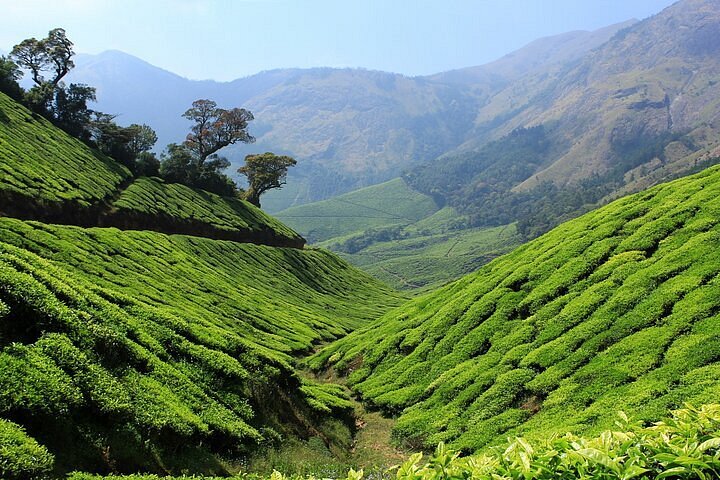
This four-day itinerary provides a comprehensive exploration of the Nilgiri mountains, covering Ooty, Coonoor, and Kotagiri.
Day 1: Arrival and Ooty Exploration
The journey commences with a pickup from Ooty. The day is dedicated to discovering the local attractions of the hill station. The itinerary includes visits to the serene lake and the lush gardens that define the region’s botanical heritage.
Day 2: Coonoor Sightseeing
The second day involves a scenic drive to Coonoor, the second-largest hill station in the Nilgiri Hills. The route passes through extensive tea plantations and offers multiple photography opportunities at various valley view points.
Day 3: Kotagiri and Kodapmund Exploration
The third day focuses on the quieter hill station of Kotagiri. This area is known for its pristine environment and the Kodapmund View Point, which offers a secluded vantage point over the Nilgiri slopes.
Day 4: Final Sightseeing and Departure
The final day allows for any remaining local sightseeing or shopping for Nilgiri tea and spices before the tour concludes with a drop-off at the designated point in Ooty.
The itinerary includes a full-day excursion to Coonoor to visit Sim’s Park, Lamb’s Rock, and Dolphin’s Nose. The following day features Kotagiri, highlighting Catherine Falls and the sprawling tea estates that define the local economy and landscape.
In Ooty, the tour covers the Ooty Lake, the Rose Garden, and the Botanical Garden. A trip to Doddabetta Peak is scheduled to capture the high-altitude vistas, followed by a visit to the Tea Factory and Museum to understand the local tea production process.
The package includes stays in reputable 3-star establishments such as Hotel Lakeview Ooty, Fortune Retreats, or similar properties in the Nilgiris. These hotels provide comfortable AC rooms, modern amenities, and proximity to major sightseeing landmarks.
Final per person package price for each group size:
Breakfast, all sightseeing as per itinerary, AC vehicle Dzire or Innova or Tempo Traveller as per group size, driver allowance, parking, tolls, and stay in 3star AC hotels.
Anything not mentioned in inclusions, entry tickets, boating, guide services, personal expenses, camera fees, or meals other than breakfast.
Child up to 6 years Free
Child 6 to 8 years Half charge
Child above 8 years Full charge
20 percent advance at time of booking
20 percent after getting hotel booking voucher
60 percent during tour in parts
For tours between 15 Dec to 2 Jan, 50 percent advance payment required.
Minimum Rs. 3000 cancellation charge per person
10 percent or Rs. 3000 per person whichever is higher
25 percent cancellation between 46 to 30 days before departure
50 percent cancellation between 30 to 15 days before departure
75 percent cancellation between 15 to 5 days before departure
100 percent cancellation within 5 days of departure or noshow
Cancellation charges are calculated as percentage of total tour cost.
What is the best time to visit Ooty?
The ideal time to visit is from March to June and September to November when the weather is pleasant for sightseeing.
Is a permit required for Kotagiri?
No special permits are required for Indian nationals to visit Kotagiri or the general viewpoints.
What kind of clothing should be carried?
Light woolens are recommended for the day, while heavier jackets are necessary for the chilly evenings and nights.
Are ATMs easily available?
Yes, Ooty and Coonoor have numerous ATMs, though it is advisable to carry some cash when traveling to Kotagiri.
Is mobile connectivity good in the hills?
Most major networks work well in the towns, but signals may drop in deep valleys or remote tea garden areas.
What are the local specialties to shop for?
Visitors should look for homemade chocolates, Nilgiri tea varieties, aromatic oils, and local spices.
Are there vegetarian food options available?
Yes, there are plenty of restaurants offering a variety of vegetarian South Indian and North Indian cuisines.
Is the tour suitable for elderly travelers?
Yes, the itinerary is designed with comfortable vehicle transfers and manageable walking distances at most sites.
Can the itinerary be customized?
The itinerary is fixed as per the 4-day plan, but minor adjustments can be discussed with the coordinator.
Is Ooty Lake safe for boating?
Yes, the tourism department maintains strict safety protocols and provides life jackets for all boating activities.
Are there medical facilities available?
Ooty has well-equipped hospitals and pharmacies to handle medical emergencies.
How far is Coonoor from Ooty?
Coonoor is approximately 20 kilometers from Ooty, taking about an hour by road through scenic routes.
Carry a valid government-issued photo ID at all times during the journey. Plastic bags are strictly banned in the Nilgiris district; visitors must use eco-friendly alternatives. Maintain cleanliness and do not litter in the botanical gardens or tea estates. Photography may be restricted in certain areas of the tea factories; please check local signs. The mountain roads are winding; those prone to motion sickness should carry appropriate medication. Ensure a fully charged power bank as cold weather can drain phone batteries quickly. Respect local traditions and do not disturb wildlife in forested areas. Drinking water should be purchased as bottled mineral water for safety. Wear comfortable walking shoes for sightseeing at viewpoints. Be prepared for occasional mist or light rain even outside the monsoon season. Check the operation times of the Nilgiri Mountain Railway if planning to include it independently. Always confirm the driver’s contact details a night before each day’s travel.
Visit our main website for more incredible travel deals: Trypdeals Home
Explore our wide range of tour packages across various destinations: All Tours by Trypdeals
Discover the most sought-after travel destinations with Trypdeals: Top Travel Destinations
Ooty, formally known as Udhagamandalam, serves as the premier hill station of South India. Nestled in the Nilgiri Hills, it is characterized by its colonial architecture, sprawling botanical gardens, and the iconic Ooty Lake. The town’s altitude provides a cool climate throughout the year, making it a refuge from the tropical heat of the plains. Visitors can explore the vast tea estates that carpet the mountainsides and enjoy the heritage charm of the Nilgiri Mountain Railway. The region is also famous for its diverse flora and the vibrant Rose Garden, which houses thousands of varieties.
Coonoor is the second-largest hill station in the Nilgiris and is known for its tranquil atmosphere compared to its busier neighbor, Ooty. It is a hub for tea production, with numerous factories and plantations open for tours. Key attractions include Sim’s Park, which showcases rare botanical species, and viewpoints like Dolphin’s Nose and Lamb’s Rock that offer stunning vistas of the Coimbatore plains. The town is situated at a lower altitude than Ooty, resulting in a milder climate. It remains a favorite for trekkers and nature lovers seeking a peaceful environment amidst greenery.
Kotagiri is the oldest of the three hill stations in the Nilgiris and is often cited as having one of the best climates in the world. It is surrounded by lush green tea estates and offers several trekking trails, such as the route to Catherine Falls. Unlike the more commercialized hill stations, Kotagiri retains a quiet, rustic charm that appeals to those looking for solitude. The area is rich in tribal history and natural beauty, featuring landmarks like the Kodanad View Point. It provides an authentic experience of the Nilgiri highlands, away from the typical tourist crowds.