Puri Tour Package from Amritsar
Book the Puri Tour Package from Amritsar starting @₹5800/person and explore Odisha’s temples, beaches, and rich cultural heritage.

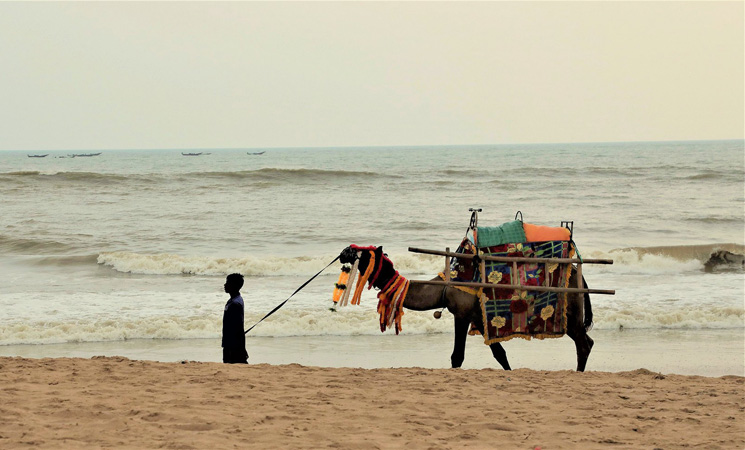
Book the Puri Tour Package from Amritsar starting @₹5800/person and explore Odisha’s temples, beaches, and rich cultural heritage.

Book the Puri Tour Package from Varanasi starting @₹5800/person and explore Odisha’s temples, beaches, and rich cultural heritage.

Puri Tour Package from Rajkot Day-Wise ItineraryBook the Puri Tour Package from Rajkot and immerse yourself in the spiritual and cultural wonders of Odisha. This carefully designed itinerary ensures a hassle-free journey, featuring iconic temples, serene beaches, and picturesque landscapes.Day 1: Arrival in PuriPickup Location: Bhubaneswar (Airport/Railway Station).Highlights of the Day:Jagannath Temple: Explore the spiritual charm of one of the Char Dham pilgrimage sites.
Golden Beach: Relax on the serene sands and soak in the beauty of the coastline.
Loknath Temple: Visit the ancient Shiva temple with its unique spiritual essence.
Narendra Tank: A sacred water tank connected to Jagannath rituals.
Sunset at Swargadwar Beach: End the day with a peaceful view of the sunset.Overnight Stay: Hotel in Puri.Day 2: Konark and Chilika Lake TourMorning – Konark ExplorationKonark Sun Temple: Marvel at the stunning UNESCO World Heritage Site, celebrated for its architectural brilliance.
Chandrabhaga Beach: Experience the serene atmosphere of this sacred beach.Afternoon – Chilika Lake Excursion (Satapada)Boat Ride: Spot playful Irrawaddy dolphins in this famous brackish water lagoon.
Nalabana Bird Sanctuary: A haven for migratory birds (optional, time permitting).
Sea Mouth: Witness the spectacular point where Chilika Lake meets the Bay of Bengal.Overnight Stay: Hotel in Puri.Day 3: Diamond Triangle TourDrive to the Buddhist Sites (Approx. 2.5 hours):Ratnagiri Monastery: Explore the ancient Buddhist ruins, stupas, and sculptures.
Udaygiri Caves: Discover historical caves with Buddhist significance.
Lalitgiri: Visit the iconic relic stupas and monasteries.Return Drive to Bhubaneswar (Approx. 1.5 hours):Unwind and prepare for the next day’s exploration.Overnight Stay: Hotel in Bhubaneswar.Day 4: Bhubaneswar Sightseeing and DepartureMorning City TourLingaraj Temple: Admire the architectural grandeur of Kalinga-style temples.
Mukteshwar Temple: Known as the “Gem of Odisha” for its intricate carvings.
Rajarani Temple: Famous for its unique sandstone design and historical significance.
Dhauli Shanti Stupa: Witness the peace pagoda marking Emperor Ashoka’s transformation.
Udayagiri and Khandagiri Caves: Ancient Jain caves with fascinating inscriptions.
Optional Visit to Nandankanan Zoological Park: Known for white tigers and safari rides.Drop Location: Bhubaneswar (Airport/Railway Station).Highlights of Puri Tour Package from RajkotJagannath Temple: A major Char Dham pilgrimage site.
Golden Beach & Swargadwar Beach: Relax and enjoy stunning sunsets.
Konark Sun Temple: UNESCO World Heritage Site of architectural brilliance.
Chilika Lake: Spot Irrawaddy dolphins and enjoy a scenic boat ride.
Diamond Triangle: Explore ancient Buddhist sites at Ratnagiri, Udaygiri, and Lalitgiri.
Bhubaneswar Temples: Admire the beauty of Lingaraj, Mukteshwar, and Rajarani Temples.
Dhauli Shanti Stupa: Witness Ashoka’s peace pagoda.Tour InclusionsAccommodation: Well-appointed rooms in 2-star A/C hotels:Hotel Puri Inn, Puri.
Greenland Premium Hotel, Bhubaneswar.
Meals: Daily breakfast at hotels.
Transportation: A/C vehicle for sightseeing and transfers (based on group size).
Driver Perks: Driver allowance, tolls, and parking.
Taxes: All applicable hotel taxes and 5% GST included.Tour ExclusionsMeals other than breakfast.
Entrance fees, boating charges, and personal expenses.
Airfare/Train fare.
Expenses due to delays or unforeseen circumstances.Puri Tour Package from Rajkot Package Cost (Per Person)Group of 12 Persons: ₹5,800
Group of6 –7 Persons: ₹6,500
Group of 4 Persons: ₹7,500
Group of 3 Persons: ₹9,300
Group of 2 Persons: ₹12,500(Child below 5 years: Complimentary | 5–8 years: 50% of package cost | Above 8 years: Adult rate)Peak Season Surcharge: Additional ₹1,500/person for tours from Dec 20 to Jan 2.Puri Tour Package from Rajkot Cancellation Policy10% of the total cost or INR 3000 (whichever is higher) for cancellations made at any time.
25% for cancellations 45-30 days before departure.
50% for cancellations 30-15 days before departure.
75% for cancellations 15-5 days before departure.
100% for cancellations within 5 days or no-show.

Book the Puri Tour Package from Meerut starting @₹5800/person and explore Odisha’s temples, beaches, and rich cultural heritage.

Book the Puri Tour Package from Faridabad starting @₹5800/person and explore Odisha’s temples, beaches, and rich cultural heritage.

Book the Puri Tour Package from Nashik starting @₹5800/person and explore Odisha’s temples, beaches, and rich cultural heritage.

Book the Puri Tour Package from Agra starting @₹5800/person and explore Odisha’s temples, beaches, and rich cultural heritage.

Book the Puri Tour Package from Ludhiana starting @₹5800/person and explore Odisha’s temples, beaches, and rich cultural heritage.
Book the Puri Tour Package from Vadodara starting @₹5800/person and explore Odisha’s temples, beaches, and rich cultural heritage.

Book the Puri Tour Package from Bhopal starting @₹5800/person and explore Odisha’s temples, beaches, and rich cultural heritage.