
Religious Significance
Summary
- •Amritsar, founded in 1577 by Guru Ram Das, is the spiritual heart of Sikhism, home to the Harmandir Sahib (Golden Temple), the Akal Takht, and the world's largest free community kitchen, embodying the faith's principles of equality, service, and openness.
Overview
- •Amritsar, meaning 'pool of nectar', was founded in 1577 by the fourth Sikh Guru, Guru Ram Das, around the sacred Amrit Sarovar.
- •The city is synonymous with Sikhism, housing the Harmandir Sahib, which was built by Guru Arjan Dev and later gilded with gold by Maharaja Ranjit Singh.
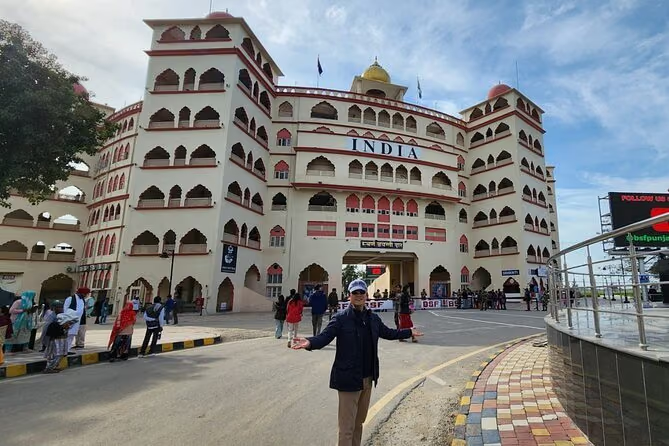
- •Beyond its religious core, Amritsar is a city of profound historical significance, marked by the Jallianwala Bagh massacre and the Partition Museum, and vibrant with culture, cuisine, and the daily ceremony at the Wagah Border.
Religious Significance
Amritsar is the holiest city in Sikhism, serving as the spiritual and temporal center of the faith. It is home to the Harmandir Sahib, where the Guru Granth Sahib is installed, and the Akal Takht, the highest seat of Sikh authority. The city embodies core Sikh principles—equality, service, and devotion—through its architecture, the langar, and its history of resilience and martyrdom.
Tour Packages for Amritsar








Explore More of Amritsar
Destination Hub
Amritsar OverviewSpiritual & Temple Guides
Places to Explore
Golden Temple (Harmandir Sahib)
Discover attraction
Jallianwala Bagh
Discover attraction
Wagah Border
Discover attraction
Akal Takht
Discover attraction
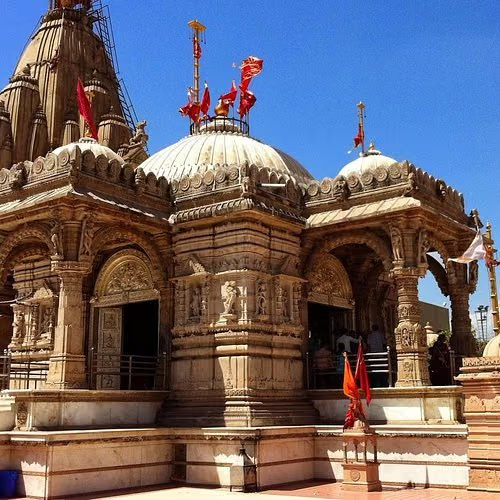
Durgiana Temple
Discover attraction
Partition Museum
Discover attraction
Gobindgarh Fort
Discover attraction
Ram Bagh Gardens
Discover attraction
Guru Ka Langar (Golden Temple Community Kitchen)
Discover attraction