
Bodh Gaya Meditation Retreat Special
Planning 3 days in Bodh Gaya? A 3-day immersion in Bodh Gaya, the site of the Buddha's enlightenment, combining a short meditation retreat at a monastery with guided exploration of the Mahabodhi Temple Complex and the international monastic community. It includes a detailed day-wise schedule, activities, meal suggestions, transportation tips and an estimated budget to help you plan your trip with less guesswork.
Arrival & Introduction to the Sacred Site
Day 1
Arrive in Bodh Gaya and settle into your monastery retreat. Begin with an orientation to the Mahabodhi Temple Complex, including the Bodhi Tree and Vajrasana, and participate in the evening chanting and meditation session.
Activities
- Check-in at the Root Institute for Wisdom Culture or Thai Monastery for your meditation course.
- Guided walk through the Mahabodhi Temple Complex: see the Mahabodhi Temple, Bodhi Tree, Vajrasana, and the Animeshlochan Chaitya.
- Attend introductory meditation instruction and evening chanting at the temple.
- Circumambulate the stupa and offer butter lamps at dusk.
Meals
- •Vegetarian lunch at the monastery (if included) or at a local Tibetan restaurant.
- •Light evening meal at a monastery café or near the temple.
Meditation Retreat & Exploring the International Monasteries
Day 2
Dedicate the day to a structured meditation retreat, with sessions led by resident monks. In the breaks, explore the surrounding monasteries and the Great Buddha Statue, learning about the diverse Buddhist traditions.
Activities
- Morning meditation sessions (breathing and insight meditation) at the Root Institute or Karma Temple.
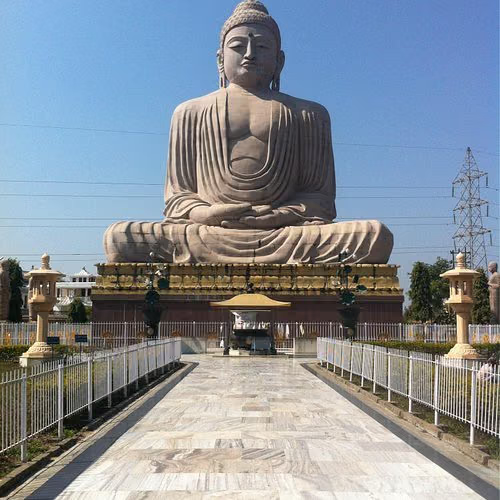
- Midday break: visit the 80-foot Great Buddha Statue (consecrated by the Dalai Lama in 1989).
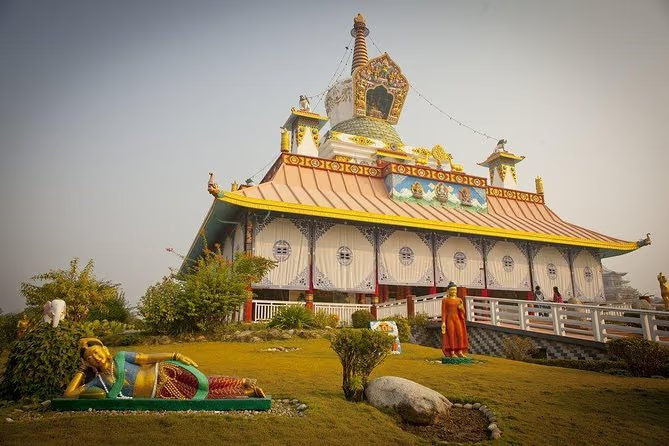
- Afternoon walk to the Thai Monastery, Bhutanese Monastery, Japanese Temple, and the Vietnamese Phat Quoc Tu.
- Evening group meditation and Dharma talk at the retreat center.
Meals
- •Breakfast at the monastery (simple Tibetan bread and tea).
- •Lunch at the monastery (traditional vegetarian thali) or at a local restaurant.
- •Dinner at a monastery or a small café near the temple.
Final Sessions & Reflection at the Lotus Pond
Day 3
Complete your meditation retreat with a final morning session and then visit the remaining sacred spots, including the Muchalinda Lake (Lotus Pond) and the archaeological museum. Depart with a sense of peace and renewal.
Activities
- Final meditation session and closing ceremony at the retreat center.
- Visit the Muchalinda Lake (Lotus Pond) and the Saptasthana sites within the temple complex.
- Explore the Bodh Gaya Archaeological Museum (if time permits) to see artifacts from Ashoka's era.
- Optional: take a short walk to the nearby village of Sujata to learn about the Buddha's pre-enlightenment story.
Meals
- •Breakfast at the monastery.
- •Lunch at a local restaurant (try the traditional sattu drink or litti chokha).
- •Departure or evening snack at a Tibetan bakery.
Detailed Timeline
Day 1
7 activities
Morning
Arrive in Bodh Gaya and check in at your monastery retreat
Arrive at the Root Institute for Wisdom Culture or Thai Monastery. Check-in is usually from 8 AM; if you arrive earlier, you can leave your luggage and explore the grounds. Costs vary from ₹500–₹2,000 per night depending on room type; confirm your booking in advance.
Guided walk through the Mahabodhi Temple Complex
Join a guided tour of the Mahabodhi Temple, the Bodhi Tree, the Vajrasana (Diamond Throne), and the Animeshlochan Chaitya (where the Buddha is said to have stood gazing at the tree for a week). Entry to the complex is free, but a small fee (around ₹100) may apply for camera use. Hire a local guide (₹300–₹500) for deeper historical insights.
Afternoon
Vegetarian lunch at the monastery or a local Tibetan restaurant
If your monastery package includes meals, enjoy a simple vegetarian lunch there. Alternatively, walk to a nearby Tibetan restaurant like the Tibet Om Cafe for momos and thukpa; expect to pay ₹150–₹300 for a hearty meal.
Introductory meditation instruction at the retreat center
Return to your meditation center for a beginner-friendly session on breathing and mindfulness meditation. Led by resident monks, this session helps you settle into the retreat atmosphere. No extra cost if you are staying at the center; donation of ₹100–₹500 is appreciated.
Evening chanting and meditation at the Mahabodhi Temple
Attend the evening chanting and meditation session at the temple, which typically begins around sunset. The atmosphere is serene, with monks and pilgrims from around the world. Arrive early to find a good spot near the Bodhi Tree; no entry fee.
Evening
Circumambulate the stupa and offer butter lamps at dusk
Walk clockwise around the Mahabodhi Stupa, a practice that symbolizes devotion and mindfulness. At dusk, you can purchase butter lamps (₹10–₹50 each) from stalls near the temple and light them as an offering. This is a deeply moving experience; remember to keep your shoes off in the temple area.
Light evening meal at a monastery café or near the temple
Enjoy a simple dinner at your monastery's café or at a small eatery along the temple road. Options include dal, rice, and vegetables; budget ₹100–₹200. After dinner, return to your accommodation for an early night to prepare for the retreat.
Day 2
8 activities
Morning
Morning meditation session (breathing and insight meditation)
Begin the day with a guided meditation session at the Root Institute or Karma Temple, focusing on breath awareness and insight (Vipassana) techniques. Sessions typically last 60–90 minutes. Wear comfortable clothing; no fee for guests, but donations are welcome.
Breakfast at the monastery
Enjoy a simple breakfast of Tibetan bread, butter, and tea at your monastery. If your stay doesn't include meals, visit a nearby café for a similar spread; expect to pay ₹100–₹150.
Visit the 80-foot Great Buddha Statue
Walk or take a short auto-rickshaw ride (₹50) to the Great Buddha Statue, consecrated by the Dalai Lama in 1989. The statue is located in a peaceful park; entry is free. Spend time in quiet reflection and take photos of the impressive landmark.
Afternoon
Lunch at the monastery or a local restaurant
Return to your monastery for a traditional vegetarian thali, or try a local restaurant like the Mahabodhi Restaurant for sattvic food. Lunch costs ₹150–₹250. After lunch, rest briefly before the afternoon explorations.
Afternoon walk to international monasteries
Embark on a walking tour of the Thai Monastery, Bhutanese Monastery, Japanese Temple, and Vietnamese Phat Quoc Tu. These sites showcase distinct architectural styles and offer quiet gardens for meditation. All are free to enter; allow 2–3 hours to visit each at a leisurely pace.
Return to your retreat center for a short rest
Head back to your accommodation to rest and freshen up. You can also use this time to journal about your experiences or read Buddhist texts from the center's library.
Evening
Evening group meditation and Dharma talk
Participate in the evening group meditation session followed by a Dharma talk by a resident monk. Topics often include the Four Noble Truths and the Eightfold Path. This is an excellent opportunity to deepen your understanding; no cost, but donations are appreciated.
Dinner at a monastery or small café near the temple
Enjoy a light dinner at your monastery's dining hall or at a café like the Bodhi Tree Restaurant. Try a simple noodle soup or vegetable curry; budget ₹100–₹200. After dinner, take a quiet walk around the temple area to absorb the evening atmosphere.
Day 3
8 activities
Morning
Final meditation session and closing ceremony
Attend the final guided meditation session at your retreat center, followed by a short closing ceremony. This might include a dedication of merits and a blessing by the monks. If you wish to offer a donation, ₹200–₹500 is customary.
Breakfast at the monastery
Have your last breakfast at the monastery, enjoying the simple fare of Tibetan bread and tea. If you have time, take a final stroll through the monastery gardens.
Visit Muchalinda Lake (Lotus Pond) and Saptasthana sites
Walk to the Muchalinda Lake within the Mahabodhi Temple Complex, where the Buddha is said to have meditated protected by a serpent king. The serene pond is surrounded by lotus flowers. Also explore the Saptasthana, seven sacred spots marking key events after enlightenment. Entry is included in the temple complex (free).
Explore the Bodh Gaya Archaeological Museum
If time permits, visit the Bodh Gaya Archaeological Museum (open 9 AM–5 PM, closed Fridays). The museum houses artifacts from the Ashokan era, including sculptures and relics. Entry fee is ₹5 for Indians and ₹100 for foreigners; cameras may require an extra fee.
Afternoon
Lunch at a local restaurant
Enjoy a traditional Bihar meal at a local eatery. Try the sattu drink (a cooling gram-flour beverage) or litti chokha (baked wheat balls with spiced gram flour, served with mashed vegetables). Expect to pay ₹200–₹300 for a filling meal.
Optional walk to Sujata village
If you have time before departure, take a short walk or auto-rickshaw ride (₹100) to Sujata village, named after the milkmaid who offered the Buddha rice milk before his enlightenment. Visit the Sujata Stupa and temple, and learn about this pivotal story. Allow 1–2 hours.
Return to your accommodation and collect your belongings
Head back to your monastery to pack and check out. If you have a late departure, most centers allow you to store luggage and use common areas until you leave.
Evening
Evening snack at a Tibetan bakery and departure
Before leaving, stop at a Tibetan bakery like the one near the temple for a final treat—try a butter tea or a sweet pastry. Then proceed to the Bodh Gaya bus stand or railway station for your onward journey. If you're staying another night, enjoy a quiet evening and reflect on your transformative experience.
Food Recommendations
Tibetan Restaurant (near the temple)
Tibetan/VegetarianMust Try: Momos (steamed dumplings) with spicy chutney and butter tea.
₹150–₹300 per person
The Bodhgaya Café (inside the Thai Monastery campus)
International/VegetarianMust Try: Fresh fruit smoothie bowl and veggie sandwich.
₹200–₹400 per person
Sujata Restaurant (on the main road)
Indian/BihariMust Try: Litti chokha (roasted wheat balls with spiced potato) and sattu drink.
₹100–₹200 per person
Transportation Tips
- Fly into Gaya International Airport (GAY), only 5 km from Bodh Gaya; take a pre-paid taxi (₹200–₹300) to the temple area.
- From Gaya Junction railway station (17 km away), take a shared auto-rickshaw (₹50–₹80) or private taxi (₹300–₹400) to Bodh Gaya.
- The Mahabodhi Temple Complex is closed to vehicles; plan to walk or cycle rickshaw within the small town.
- For exploring the monasteries, rent a bicycle (₹50–₹100 per day) or use local e-rickshaws (₹20–₹50 per ride).
Budget Breakdown
Total Estimated Per Person
₹5,500–₹10,000 for 3 days (excluding meditation course fee, if any)
Accommodation
₹1,500–₹3,000 per night for monastery guesthouse or budget hotel
Food
₹300–₹600 per day for simple vegetarian meals
Transport
₹300–₹500 total for local transport and airport/train transfers
Miscellaneous
₹500–₹1,000 for donations, entry fees (temple is free, museum ~₹10), and souvenirs
More Itineraries
Explore other pilgrimage durations and special trips.
Tour Packages for Bodh Gaya
Explore More of Bodh Gaya
Destination Hub
Bodh Gaya OverviewSpiritual & Temple Guides
Places to Explore
Discover attraction
Discover attraction
Discover attraction
Discover attraction
Discover attraction
Discover attraction
Discover attraction
Discover attraction
Discover attraction