
Badrinath Auli Mana Village Valley of Flowers Hemkund Sahib tour package 8 days
- Places Covered: Badrinath Auli Mana Village Valley of Flowers Hemkund Sahib
- Tour Type: Private Tour
- Transport: Private Cab
- Customization: Available
Haridwar to Badrinath Auli Mana Village Valley of Flowers Hemkund Sahib Tour Package Itinerary
This 8-day expedition commences from Haridwar, leading travelers through the majestic landscapes of Uttarakhand, encompassing revered pilgrimage sites, stunning alpine meadows, and serene glacial valleys. The itinerary is structured to provide a comprehensive experience of Badrinath, Auli, Mana Village, the UNESCO World Heritage Site of Valley of Flowers, and the sacred Hemkund Sahib, culminating back in Haridwar.
Day 1: Haridwar to Joshimath/Pipalkoti (Approx. 290 km, 9-10 hours)
- Journey to Joshimath/Pipalkoti: The journey begins with a scenic drive from Haridwar into the Garhwal Himalayas. This route offers captivating views of the Ganges River as it winds through valleys and foothills, gradually ascending into the mountainous terrain.
- Devprayag: A sacred confluence where the Alaknanda and Bhagirathi rivers merge to form the holy Ganges. This site holds immense religious significance, drawing pilgrims for its spiritual aura and the unique visible meeting point of the two river currents.
- Rudraprayag: The confluence of the Alaknanda and Mandakini rivers, another revered ‘Panch Prayag’. The town is situated amidst stunning natural beauty and is an important stopover point for pilgrims heading to Kedarnath and Badrinath.
- Joshimath: An ancient town known as the winter seat of Lord Badrinath. It is a significant pilgrimage center and a gateway to several Himalayan expeditions and treks, including Auli. The town is rich in spiritual history and offers majestic mountain views.
Day 2: Joshimath/Pipalkoti to Badrinath & Mana Village Excursion (Approx. 45 km one way, 2 hours)
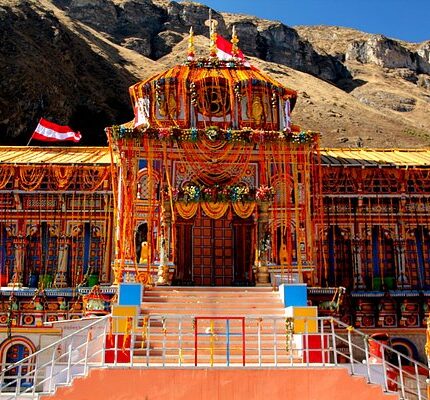
- Badrinath Temple: One of the four Char Dham pilgrimage sites, dedicated to Lord Vishnu. The temple’s striking architecture and vibrant spiritual atmosphere, set against the backdrop of the Garhwal Himalayas, make it a profound spiritual experience. The Tapt Kund, a natural thermal spring, is also a significant attraction where pilgrims take holy dips.
- Mana Village: Located a few kilometers from Badrinath, Mana is declared a “Tourism Village” and is the last Indian village before the Indo-China border. It is steeped in mythology, believed to be where Ved Vyasa dictated the Mahabharata. Visitors can explore the Vyas Gufa and Ganesh Gufa, ancient caves associated with Hindu mythology.
- Vyas Gufa: A natural cave in Mana village where the sage Vyasa is believed to have composed the Mahabharata. This ancient site offers a glimpse into India’s rich mythological past, surrounded by serene mountain beauty.
- Bhim Pul: A natural rock bridge over the Saraswati River in Mana. Legend attributes its formation to Bhima, one of the Pandavas, who placed a massive rock to create a passage for his wife Draupadi. The roaring river beneath adds to its dramatic appeal.
Day 3: Joshimath to Auli Excursion
- Auli: A renowned skiing destination and meadow located above Joshimath, offering panoramic views of Himalayan peaks like Nanda Devi, Kamet, and Dunagiri. The Auli Ropeway, one of the longest in Asia, provides a stunning aerial journey to the plateau. During non-winter months, Auli transforms into a vibrant green meadow ideal for gentle treks and enjoying the pristine mountain air.
- Auli Lake: A man-made lake crucial for the artificial snow production during winter. In other seasons, it reflects the surrounding peaks, creating picturesque scenery. The tranquility around the lake makes it a perfect spot for relaxation and photography.
- Auli Chair Lift: Providing easy access to the upper slopes, the chair lift offers another perspective of Auli’s beauty. It is a popular ride for those seeking to enjoy the expansive views without extensive trekking.
Day 4: Joshimath to Govindghat & Trek to Ghangaria (Approx. 22 km drive, 14 km trek)
- Govindghat: The starting point for the trek to Valley of Flowers and Hemkund Sahib. Situated at the confluence of the Alaknanda and Lakshman Ganga rivers, it serves as a bustling base camp for pilgrims and trekkers.
- Trek to Ghangaria: An invigorating 14 km trek from Govindghat alongside the Lakshman Ganga, leading to the small hamlet of Ghangaria. This scenic trail offers glimpses of gushing waterfalls and lush greenery, providing a refreshing start to the higher altitude expeditions. Ghangaria is the last human habitation before the sacred sites.
Day 5: Ghangaria to Valley of Flowers Excursion & Return (Approx. 3-5 km trek one way)
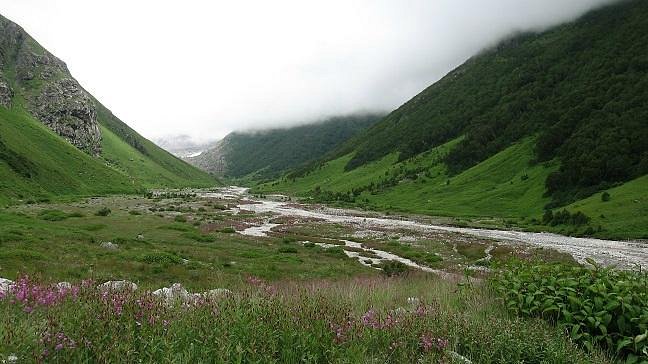
- Valley of Flowers National Park: A UNESCO World Heritage Site renowned for its vibrant meadows of endemic alpine flowers and the diverse fauna. During monsoon, the valley bursts into a spectacle of colors with countless species of flowers in bloom, set against a backdrop of snow-capped peaks. This protected area is a true botanical paradise and offers unparalleled natural beauty.
- Pushpawati River: Flows through the Valley of Flowers, adding to its picturesque charm. The river is fed by glacial melt and plays a vital role in sustaining the valley’s unique ecosystem.
Day 6: Ghangaria to Hemkund Sahib Excursion & Return (Approx. 6 km trek one way)
- Hemkund Sahib: A revered Sikh pilgrimage site, housing a gurudwara situated beside a pristine glacial lake, surrounded by seven snow-capped peaks. It is believed that Guru Gobind Singh meditated at this site in a previous incarnation. The challenging uphill trek to Hemkund Sahib is rewarded with breathtaking views and a profound sense of spiritual tranquility. Pilgrims often take a dip in the icy waters of the lake.
- Lakshman Temple: A small temple located near Hemkund Sahib, dedicated to Lakshman, brother of Lord Rama. It is believed that Lakshman meditated here after being wounded by Meghnad.
Day 7: Ghangaria to Govindghat & Drive to Pipalkoti/Rudraprayag (Approx. 14 km trek, 60-90 km drive)
- Trek down to Govindghat: The downhill trek from Ghangaria offers different perspectives of the landscape and is generally less strenuous. The scenic route continues to enthrall with its natural beauty.
- Drive to Pipalkoti/Rudraprayag: From Govindghat, a drive further down the valley to Pipalkoti or Rudraprayag, depending on the day’s progress and accommodation availability. These towns serve as excellent stopover points with essential amenities.
Day 8: Pipalkoti/Rudraprayag to Haridwar (Approx. 160-200 km, 6-8 hours)
- Return to Haridwar: The final leg of the journey involves a drive back to Haridwar, concluding the remarkable Badrinath Auli Mana Village Valley of Flowers Hemkund Sahib tour package 8 days. The route offers opportunities to reflect on the spiritual experiences and natural wonders encountered throughout the tour, leaving travelers with cherished memories.
3 Star Hotels in Badrinath, Auli, Joshimath, Ghangaria, Haridwar
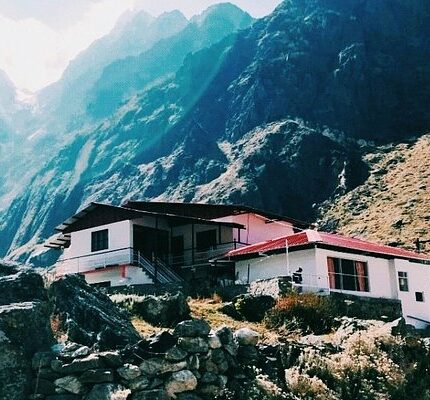
Accommodation throughout the tour is provided in carefully selected 3-star hotels, ensuring comfort and convenience. These hotels offer essential amenities, comfortable rooms, and often provide picturesque views of the surrounding landscapes. Specific hotels may vary based on availability but consistently meet quality standards for a pleasant stay in locations such as Haridwar, Joshimath, Pipalkoti, and Ghangaria. Given the remote nature of Ghangaria, accommodations are simpler yet comfortable, while Badrinath offers more established options for pilgrims.
Badrinath Auli Mana Village Valley of Flowers Hemkund Sahib Package Price from Haridwar
All prices are per person and include accommodation, transportation, and breakfast. Exact prices may vary based on specific travel dates and availability.
- For 2 Persons: Starting from Rs. 29280 per person (Dzire/Etios)
- For 3 Persons: Starting from Rs. 22880 per person (Dzire/Etios)
- For 4-7 Persons: Starting from Rs. 19680 per person (Dzire/Etios for 4, Innova for 5-7)
- For 8-10 Persons: Starting from Rs. 19680 per person (12-seater Tempo Traveller)
- For 11-12 Persons: Starting from Rs. 17062 per person (12-seater Tempo Traveller)
Inclusions in Badrinath Auli Mana Village Valley of Flowers Hemkund Sahib tour package 8 days
Breakfast, all sightseeing as per itinerary, AC vehicle Dzire or Innova or Tempo Traveller as per group size, driver allowance, parking, tolls, and stay in 3star AC hotels.
Exclusions in Badrinath Auli Mana Village Valley of Flowers Hemkund Sahib tour package 8 days from Haridwar
Anything not mentioned in inclusions, entry tickets, boating, guide services, personal expenses, camera fees, or meals other than breakfast.
Child Policy for Badrinath Auli Mana Village Valley of Flowers Hemkund Sahib trip from Haridwar
Child up to 6 years Free
Child 6 to 8 years Half charge
Child above 8 years Full charge
Payment Policy for Badrinath Auli Mana Village Valley of Flowers Hemkund Sahib tour Booking
20 percent advance at time of booking
20 percent after getting hotel booking voucher
60 percent during tour in parts
For tours between 15 Dec to 2 Jan, 50 percent advance payment required.
Cancellation Policy for Badrinath Auli Mana Village Valley of Flowers Hemkund Sahib tour
Minimum Rs. 3000 cancellation charge per person
10 percent or Rs. 3000 per person whichever is higher
25 percent cancellation between 46 to 30 days before departure
50 percent cancellation between 30 to 15 days before departure
75 percent cancellation between 15 to 5 days before departure
100 percent cancellation within 5 days of departure or noshow
Cancellation charges are calculated as percentage of total tour cost.
Frequently Asked Questions – Badrinath Auli Mana Village Valley of Flowers Hemkund Sahib Travel Guide
- What is the best time to visit Badrinath, Auli, Valley of Flowers, and Hemkund Sahib?
The ideal time to visit is from May to October. For Valley of Flowers, the monsoon season (July to early September) is best for witnessing flowers in full bloom, while Hemkund Sahib is accessible from June to October. - What is the difficulty level of the trek to Valley of Flowers and Hemkund Sahib?
The trek to Ghangaria is moderate. The further treks to Valley of Flowers and Hemkund Sahib are also moderate to challenging, involving uphill climbs and varying terrain. Good physical fitness is recommended. - Are there any permits required for Valley of Flowers?
Yes, an entry permit is required for Valley of Flowers National Park, which can be obtained at the entrance gate in Ghangaria. This permit is valid for three days. - What kind of accommodation is available in Ghangaria?
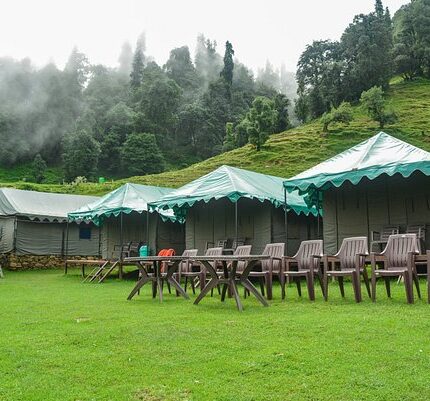
Ghangaria offers basic guesthouses and dharamshalas, providing essential facilities for trekkers and pilgrims. The accommodations are clean and comfortable, catering to the needs of those on the trail. - What should be carried for the tour?
Warm clothing, rain gear, sturdy trekking shoes, personal medication, a first-aid kit, a hat, sunglasses, sunscreen, a power bank, and a water bottle are essential items to carry. - Is vegetarian food readily available?
Yes, being a pilgrimage route, vegetarian food is predominantly available in all restaurants and hotels along the itinerary. Options range from simple local meals to North Indian cuisine. - What is the altitude of Hemkund Sahib and Valley of Flowers?
Hemkund Sahib is situated at an altitude of approximately 4,329 meters (14,200 feet), and the Valley of Flowers ranges from 3,352 to 3,658 meters (11,000 to 12,000 feet). - Is it safe to travel to these regions?
The routes are generally safe, but travelers should be aware of weather conditions and follow local guidelines. Travel insurance and adherence to safety instructions are advisable. - Can children and elderly people undertake this tour?
While the Badrinath and Auli portions are accessible, the treks to Valley of Flowers and Hemkund Sahib are strenuous. Children below 6 years and elderly individuals with health concerns might find these treks challenging. Consultation with a doctor is recommended. - What are the mobile network and internet connectivity like?
Mobile network connectivity can be intermittent and weak in higher altitudes and remote areas like Ghangaria, Valley of Flowers, and Hemkund Sahib. Connectivity is generally better in Joshimath and Haridwar. - Are there ATMs available on the route?
ATMs are available in major towns like Haridwar, Rishikesh, and Joshimath. It is advisable to carry sufficient cash for expenses in remote areas where ATM facilities may not be present or reliable. - What emergency services are available?
Basic medical facilities are available in major towns like Joshimath. For serious emergencies, evacuation to larger hospitals might be necessary. Local authorities and tour operators can assist in such situations.
Important Travel Information for Badrinath Auli Mana Village Valley of Flowers Hemkund Sahib Package
- Acclimatization: Due to the high altitudes, especially around Hemkund Sahib and Valley of Flowers, it is crucial to allow for proper acclimatization to avoid altitude sickness. Stay hydrated and ascend gradually.
- Weather Conditions: Himalayan weather can be unpredictable. Be prepared for sudden changes, including rain and drops in temperature, even during summer months. Pack layers of clothing.
- Physical Fitness: The treks to Valley of Flowers and Hemkund Sahib require a good level of physical fitness. Regular exercise prior to the trip is highly recommended.
- Environmental Responsibility: Practice responsible tourism. Do not litter, avoid plastics, and respect the fragile ecosystem of the Himalayas, especially in protected areas like the Valley of Flowers.
- Photography: The region offers stunning photographic opportunities. Carry extra batteries and memory cards. Respect local customs when photographing people or religious sites.
- Footwear: Invest in high-quality, waterproof trekking shoes with good ankle support. This is vital for navigating the uneven and sometimes slippery terrain.
- Medical Preparedness: Carry any personal medications and a basic first-aid kit. Consult a doctor before traveling to high altitudes if there are any pre-existing health conditions.
- Local Culture: The region is rich in religious and cultural significance. Dress modestly, especially when visiting temples and gurudwaras, and respect local traditions.
- Permits and ID: Keep necessary permits and identification documents readily accessible. These might be checked at various points, especially for entry into national parks or restricted areas.
- Booking in Advance: It is advisable to book accommodations, transportation, and guides well in advance, especially during peak season, to ensure availability and avoid last-minute hassles.
- Hydration and Nutrition: Maintain adequate hydration by drinking plenty of water and consume nutritious food to sustain energy levels during treks. Avoid excessive alcohol consumption.
- Guide Services: Consider hiring a local guide for the treks to Valley of Flowers and Hemkund Sahib. Their knowledge of the terrain, flora, fauna, and local conditions can enhance safety and overall experience.
Trypdeals tour packages you might be interested in
Visit our main website for more incredible travel deals: Trypdeals Home
Explore our wide range of tour packages across various destinations: All Tours by Trypdeals
Discover the most sought-after travel destinations with Trypdeals: Top Travel Destinations
Badrinath: A Sacred Abode in the Himalayas
The Badrinath Auli Mana Village Valley of Flowers Hemkund Sahib tour package 8 days offers a profound spiritual and natural exploration, commencing with the revered Badrinath Dham. Badrinath is one of the holiest pilgrimage sites for Hindus, situated at an elevation of 3,133 meters (10,279 feet) in the Garhwal Himalayas. The temple, dedicated to Lord Vishnu, stands majestically on the banks of the Alaknanda River, surrounded by towering, snow-capped peaks. Its distinctive vibrant facade and the spiritual fervor of pilgrims create an unforgettable atmosphere. Historically, the temple’s origins are ancient, with Adi Shankara credited for its establishment as a major pilgrimage center in the 8th century. Beyond its spiritual significance, Badrinath offers breathtaking natural beauty, with hot springs like Tapt Kund providing therapeutic warmth amidst the chilly mountain air. The town serves as a gateway to profound spiritual experiences and stunning Himalayan vistas.
Auli: India’s Premier Ski Destination and Meadow Wonderland
Auli, a key highlight of this immersive tour package, is celebrated as India’s premier skiing destination during winter, transforming into verdant meadows in warmer months. Perched at an elevation of about 2,500 to 3,050 meters (8,200 to 10,010 feet), it offers spectacular 270-degree views of Himalayan peaks, including Nanda Devi, Mana Parvat, and Kamet. The gently sloping meadows provide an ideal terrain for skiing beginners and professionals alike, supported by modern amenities like ski lifts and a long ropeway connecting it to Joshimath. Historically, Auli has been a training ground for various paramilitary forces due to its strategic location and challenging terrain. Beyond winter sports, its serene environment, artificial lake, and opportunities for picturesque treks attract nature lovers seeking tranquility and panoramic natural splendor away from the bustling plains.
Mana Village: The Last Indian Hamlet with Mythological Roots
Mana Village, an integral part of the Badrinath itinerary, holds the distinction of being the last inhabited village on the Indian side of the Indo-China border, nestled in the Himalayas near Badrinath. Situated at an altitude of approximately 3,200 meters (10,500 feet), this ancient village is steeped in Hindu mythology. It is believed to be the place where the sage Ved Vyasa dictated the epic Mahabharata to Lord Ganesha in a cave known as Vyas Gufa. The village’s rich cultural heritage is evident in its stone houses and traditional lifestyle. Visitors are drawn to its unique geographical position, the mythical Saraswati River originating here, and attractions like Bhim Pul, a natural rock bridge. Mana offers a rare glimpse into the spiritual and historical narratives woven into the fabric of the Himalayan landscape, providing a profound connection to ancient Indian lore.
Valley of Flowers: A UNESCO World Heritage Floral Paradise
The Valley of Flowers is a jewel in the crown of the Badrinath Auli Mana Village Valley of Flowers Hemkund Sahib tour package, recognized globally as a UNESCO World Heritage Site. Located in the Garhwal region of Uttarakhand, this high-altitude Himalayan valley is renowned for its vibrant meadows of endemic alpine flowers and diverse flora. Discovered by mountaineer Frank S. Smythe in 1931, the valley bursts into a spectacular display of colors during the monsoon season, from July to September, showcasing over 500 species of flowering plants. Beyond its botanical wonders, the valley is home to rare and endangered animal species like the Asiatic black bear, snow leopard, and musk deer. The Pushpawati River meanders through the valley, adding to its ethereal beauty. It represents an unparalleled natural sanctuary, offering trekkers an experience of pristine wilderness and breathtaking floral grandeur.
Hemkund Sahib: A Serene Glacial Lake and Revered Shrine
Hemkund Sahib represents a profoundly spiritual and physically challenging destination within the Badrinath Auli Mana Village Valley of Flowers Hemkund Sahib tour package. This sacred gurudwara is majestically situated beside a pristine glacial lake at an astonishing altitude of approximately 4,329 meters (14,200 feet), encircled by seven imposing snow-capped peaks. It holds immense reverence for Sikhs, as it is believed to be the place where Guru Gobind Singh, the tenth Sikh Guru, meditated in a previous incarnation. The arduous uphill trek to Hemkund Sahib is a journey of devotion, culminating in a scene of unparalleled natural beauty and spiritual tranquility. Pilgrims often brave the icy waters of the lake, believed to possess healing properties. The panoramic views from this high-altitude shrine are breathtaking, offering a sense of peace and accomplishment to all who undertake the pilgrimage.
There are no reviews yet.