
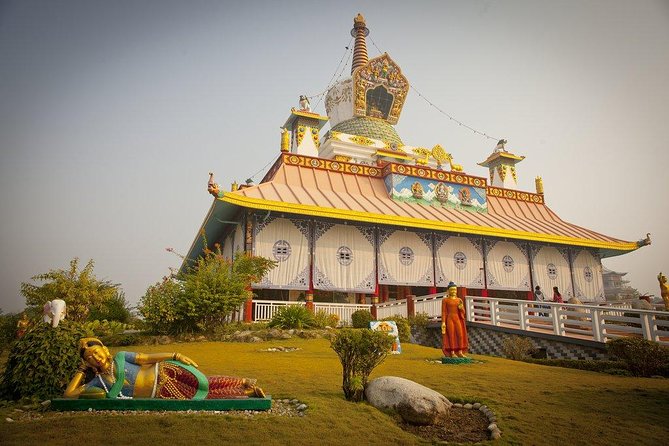
Buddhist Pilgrimage Circuit Tour Package 12 Days
- Places Covered: Buddhist Pilgrimage Circuit
- Tour Type: Private Tour
- Transport: Private Cab
- Customization: Available
Book Buddhist Pilgrimage Circuit Tour Package 12 Days with hotels, cab, meals and sightseeing Get 24×7 support and instant WhatsApp assistance Lowest price guaranteed
Overview:
The Buddhist Pilgrimage Circuit Tour Package is a soul-stirring 12-day odyssey tracing the life and footsteps of Lord Buddha across India and Nepal. Starting from Delhi, this comprehensive journey leads you to the sacred Bodhi tree in Bodh Gaya, the birth site in Lumbini, and the final resting place in Kushinagar. Perfect for devotees, families, and spiritual seekers, this itinerary balances historical exploration with meditative tranquility. Travelers will enjoy a seamless experience with stays in Hotels Budget Category while discovering the architectural wonders of Nalanda and the serene ghats of Varanasi. Experience a profound cultural transformation as you navigate the heart of the Buddhist world on this expertly curated spiritual pilgrimage.
Delhi to Bodh Gaya Tour Package Itinerary
Day 1: Arrival in Delhi
Pickup: Delhi Airport / Drop: Delhi Hotel / Stay: Delhi
-
National Museum houses an extensive collection of Buddhist artifacts, including the sacred relics of Lord Buddha found at Piprahwa. The galleries display exquisite stone sculptures and terracotta art from the Gandhara and Mathura schools, providing a historical foundation for your pilgrimage. It is a quiet sanctuary in the heart of the capital that allows visitors to appreciate the artistic evolution of Buddhist philosophy over centuries.
Day 2: Delhi to Varanasi Transit
Pickup: Delhi Hotel / Drop: Varanasi Hotel / Stay: Varanasi
-
Sarnath Museum is the oldest site museum of the Archaeological Survey of India, housing the famous Lion Capital of Ashoka which became India’s national emblem. The museum preserves a rich collection of Buddhist sculptures from the 3rd century BCE to the 12th century CE, including the iconic “Preaching Buddha” statue. This visit offers a scholarly introduction to the spiritual significance of the region before you head to the riverfront for the evening prayers.
Day 3: Sarnath and Varanasi Spiritualism
Pickup: Varanasi Hotel / Drop: Varanasi Hotel / Stay: Varanasi
-
Dhamek Stupa is a massive cylindrical structure marking the exact spot where Lord Buddha preached his first sermon to his five disciples. Standing amidst the ruins of ancient monasteries, the stupa is adorned with intricate floral carvings from the Gupta period that still retain their original beauty. Pilgrims from all over the world circumambulate this sacred monument, chanting prayers in an atmosphere of profound peace and devotion.
Day 4: Varanasi to Bodh Gaya
Pickup: Varanasi Hotel / Drop: Bodh Gaya Hotel / Stay: Bodh Gaya
-
Dashashwamedh Ghat provides a breathtaking sunrise experience where you can witness the daily rituals of life and death on the banks of the Ganges. Taking a boat ride at dawn allows you to see the historic temples and ghats bathed in golden light as devotees perform their morning prayers. It is a powerful reminder of the spiritual continuity that has existed in this city since the time of the Buddha.
Day 5: Enlightenment at Bodh Gaya
Pickup: Bodh Gaya Hotel / Drop: Bodh Gaya Hotel / Stay: Bodh Gaya
-
Mahabodhi Temple is a UNESCO World Heritage site and the most sacred destination for Buddhists, marking the location where Siddhartha Gautama attained enlightenment. The pyramid-shaped temple stands next to the sacred Bodhi Tree, under which the Buddha meditated for seven weeks to realize the ultimate truth. The complex is filled with monks in saffron robes and the air is thick with the scent of incense and rhythmic chanting.
Rajgir and Nalanda Sightseeing Itinerary
Day 6: Rajgir and Nalanda Excursion
Pickup: Bodh Gaya Hotel / Drop: Bodh Gaya Hotel / Stay: Bodh Gaya
-
Nalanda University Ruins represent the remains of the world’s first residential university, which once served as a global center for Buddhist studies. You can explore the red-brick monasteries, temples, and lecture halls where great masters like Nagarjuna once taught thousands of students. The site’s sophisticated drainage system and massive library ruins stand as a testament to the intellectual heights reached by ancient Indian civilization.
-
Vishwa Shanti Stupa is a magnificent white peace pagoda located atop the Ratnagiri Hill in Rajgir, accessible via a scenic aerial ropeway. Built by the Japanese Buddhist community, the stupa features four gold statues of Buddha representing different stages of his life. It offers a panoramic view of the surrounding hills where the Buddha spent many seasons meditating and preaching the Lotus Sutra.
Day 7: Bodh Gaya to Patna
Pickup: Bodh Gaya Hotel / Drop: Patna Hotel / Stay: Patna
-
Vulture’s Peak or Gidhakuta Hill is one of the favorite meditation spots of Lord Buddha, where he delivered several significant discourses. The rocky peak is reached via a stone path and offers a tranquil environment for meditation, overlooking the lush Rajgir valley. Many pilgrims find this location particularly moving due to its raw natural beauty and direct historical connection to the Buddha’s daily life.
Kushinagar and Lumbini Sightseeing Itinerary
Day 8: Patna to Kushinagar via Vaishali
Pickup: Patna Hotel / Drop: Kushinagar Hotel / Stay: Kushinagar
-
Ashokan Pillar Vaishali is a beautifully preserved monolith topped by a single lion, marking the site where the Buddha preached his last sermon. Vaishali is also significant as the place where the Buddha first allowed women into the Sangha and where the Second Buddhist Council was held. The site features a sacred coronation tank and ruins of ancient stupas set amidst peaceful, green surroundings.
Day 9: Mahaparinirvana at Kushinagar
Pickup: Kushinagar Hotel / Drop: Kushinagar Hotel / Stay: Kushinagar
-
Mahaparinirvana Temple houses a 6-meter long reclining statue of Lord Buddha, representing his final moments and transition into Nirvana. The statue, carved from a single block of red sandstone, lies on its right side facing west, creating a deeply somber and respectful atmosphere for visitors. It is surrounded by the ruins of ancient monasteries and the Nirvana Stupa, serving as a site for intense reflection on the impermanence of life.
Day 10: Kushinagar to Lumbini
Pickup: Kushinagar Hotel / Drop: Lumbini Hotel / Stay: Lumbini
-
Ramabhar Stupa is the sacred site where Lord Buddha was cremated, located about 1.5 kilometers away from the main Mahaparinirvana shrine. The massive circular mound is situated in a pleasant park-like setting, where pilgrims come to offer flowers and meditate. It marks the conclusion of the Buddha’s earthly journey, making it an essential stop in the pilgrimage circuit.
Day 11: Birthplace of Buddha at Lumbini
Pickup: Lumbini Hotel / Drop: Lumbini Hotel / Stay: Lumbini
-
Maya Devi Temple is the heart of Lumbini, protecting the exact spot where Queen Maya Devi gave birth to Prince Siddhartha. Inside the temple, you can see the Marker Stone and the Nativity Sculpture, while outside sits the sacred Pushkarini pond where the Queen bathed before delivery. The Ashokan Pillar nearby confirms the site’s authenticity, as the Emperor visited this location in 249 BCE to pay his respects.
Day 12: Departure
Pickup: Lumbini Hotel / Drop: Gorakhpur Airport / Stay: End of Tour
-
World Peace Pagoda in Lumbini is a sprawling white monument built by Japanese monks to inspire global harmony and non-violence. Surrounded by a quiet park, the stupa features golden statues and intricate carvings that depict the life of the Buddha. A final visit here provides a serene conclusion to your 12-day spiritual journey before heading to the airport for your flight home.
Explore the architectural history of the Mahabodhi Temple on Wikipedia.
Read reviews of the sacred Lumbini Garden on Tripadvisor.
Discover the official excavation details of Nalanda University on the district website.
Learn about the spiritual significance of Kushinagar from the official government portal.
Buddhist Pilgrimage Package Price from Delhi
2 Adults: Rs. 64800 per person
3 Adults: Rs. 51200 per person
4–7 Adults: Rs. 43200 per person
8–10 Adults: Rs. 45600 per person
11–12 Adults: Rs. 43200 per person
For long weekend, holidays and festivals, extra charges applicable.
Inclusions in Buddhist Pilgrimage Tour Package
Breakfast, all sightseeing as per itinerary, AC vehicle Dzire or Innova or Tempo Traveller as per group size, driver allowance, parking, tolls, and stay in 3star AC hotels.
Exclusions in Buddhist Pilgrimage Package from Delhi
Anything not mentioned in inclusions, entry tickets, boating, guide services, personal expenses, camera fees, or meals other than breakfast.
Child Policy for Buddhist Pilgrimage Trip from Delhi
Child up to 6 years Free
Child 6 to 8 years Half charge
Child above 8 years Full charge
Payment Policy for Buddhist Pilgrimage Package Booking
20 percent advance at time of booking
20 percent after getting hotel booking voucher
60 percent during tour in parts
For tours between 15 Dec to 2 Jan, 50 percent advance payment required.
Cancellation Policy for Buddhist Pilgrimage Tour
Minimum Rs. 3000 cancellation charge per person
10 percent or Rs. 3000 per person whichever is higher
25 percent cancellation between 45 to 30 days before departure
50 percent cancellation between 30 to 15 days before departure
75 percent cancellation between 15 to 5 days before departure
100 percent cancellation within 5 days of departure or noshow
Cancellation charges are calculated as percentage of total tour cost.
Frequently Asked Questions – Buddhist Pilgrimage Travel Guide
Best time to visit Buddhist Pilgrimage Circuit
The ideal period is from October to March when the weather is cool and comfortable for long outdoor visits to ruins and temples.
Weather conditions
Summers (April to June) are extremely hot and dry. Monsoons (July to September) bring heavy rains. Winters are mild and pleasant.
Safety for solo travelers
The circuit is generally safe as it is a major international tourist track, but solo travelers should avoid late-night travel in rural areas.
Family and couple suitability
This package is highly suitable for families and couples looking for a deep cultural and spiritual educational experience.
Famous temples, beaches, or attractions
Key attractions include the Mahabodhi Temple, Maya Devi Temple, Dhamek Stupa, and the ancient ruins of Nalanda University.
Adventure and water activities
While primarily spiritual, you can enjoy boat rides on the Ganges and the ropeway ride in Rajgir.
Local cuisine and food options
Try the local Bihari Litti Chokha, Sattu Paratha, and a variety of international vegetarian cuisines available at Buddhist monasteries.
Ideal trip duration
12 days is the ideal duration to cover the entire circuit across India and Nepal without feeling rushed.
Nearest airports and railheads
Major airports include Delhi, Varanasi, Gaya, and Gorakhpur. Major railheads are Varanasi, Gaya, and Patna.
Tips for first-time travelers
Always carry a valid passport and visa for the Nepal border crossing at Lumbini and wear modest clothing at all shrines.
Read about Buddhist Tourism in India on Wikipedia for more context.
Find traveler tips on the Bodh Gaya TripAdvisor page to plan your stay.
This line describes the wealth of community-sourced and historical info available through these external links.
Important Travel Information for Buddhist Pilgrimage Package
Weather and temperature: Summer (25-45°C), Winter (8-25°C), Monsoon (24-33°C)
What to wear: Modest cotton clothes that cover shoulders and knees; comfortable walking shoes; light woolens for winter
Travel safety and local culture: Respect the silence in meditation zones; do not touch ancient stone carvings
Dos and Don’ts: Do remove shoes before entering temples; Don’t use flash photography inside Mahabodhi Temple
Mobile connectivity and ATMs: Good in major towns like Varanasi and Bodh Gaya; carry cash for Lumbini border areas
Basic local etiquette and language tips: Hindi and English are widely understood; a polite “Namaste” is the universal greeting
Visit the Ministry of Tourism – India for official pilgrimage updates.
Check the Nepal Tourism Board for information on Lumbini and border regulations.
These official government links provide the most reliable information regarding cross-border travel and site management.
Trypdeals tour packages you might be interested in
Explore our range of spiritual tours at Trypdeals Official Website
Browse all our current travel offerings at Trypdeals Tours
Check out the most popular routes at Top Travel Destinations by Trypdeals
Bodh Gaya
Bodh Gaya is the most significant pilgrimage site in the Buddhist world, located in Bihar. It is the place where Siddhartha Gautama attained enlightenment under the Bodhi tree after years of meditation. The town is dominated by the majestic Mahabodhi Temple, a UNESCO World Heritage site, and numerous monasteries built by different nations like Thailand, Japan, and Bhutan. Staying in Hotels Budget Category allows you to stay close to the spiritual energy of the temple. It is a place for deep reflection, where the air is filled with the chanting of monks and the flickering light of thousands of butter lamps.
Lumbini
Lumbini, located just across the border in Nepal, is the birthplace of Lord Buddha and a cornerstone of the Buddhist Pilgrimage Circuit Tour Package. The site is anchored by the Maya Devi Temple, which marks the exact spot of the Buddha’s birth in 623 BCE. The surrounding Monastic Zone is a massive area dedicated to peace, featuring monasteries built in diverse global architectural styles. It is a tranquil sanctuary of gardens and ponds, where the Ashokan Pillar stands as a 2,000-year-old historical marker. Lumbini offers a unique cross-border cultural experience, blending Nepalese hospitality with universal spiritual values.
Kushinagar
Kushinagar is the sacred site where Lord Buddha attained Mahaparinirvana, marking his final departure from the physical world. Located in Uttar Pradesh, it is a place of great solemnity and reverence, home to the reclining Buddha statue in the Mahaparinirvana Temple. The town is dotted with ancient stupas and the ruins of monasteries where monks lived for centuries. The Ramabhar Stupa, where the Buddha was cremated, remains a major point of devotion. Kushinagar provides a quiet, meditative atmosphere that allows pilgrims to contemplate the Buddha’s teachings on impermanence and the path to liberation.
Sarnath
Sarnath is where the wheels of Dharma were first set in motion when Lord Buddha delivered his first sermon after enlightenment. Located near the ancient city of Varanasi, it is famous for the towering Dhamek Stupa and the beautifully preserved Ashokan Pillar. The site is a rich archaeological treasure, featuring ruins of ancient temples and monasteries that highlight the prosperity of Buddhism during the Mauryan and Gupta periods. Sarnath serves as a bridge between the spiritual energy of the Ganges and the intellectual history of Buddhist philosophy, making it a vital stop for any traveler on a spiritual quest.
There are no reviews yet.