
Chardham Yatra Tour Package from Dhanbad
- Places Covered: Chardham Yatra
- Tour Type: Private Tour
- Transport: Private Cab
- Customization: Available
Dhanbad to Chardham Tour Package Itinerary
A comprehensive 9-day itinerary designed to facilitate a profound spiritual journey to the sacred Chardham shrines from Dhanbad.
- Day 1: Arrival in Dehradun/Haridwar and Drive to Barkot
Upon morning arrival from the originating city (Dhanbad) at Dehradun or Haridwar via air, train, or bus, a pickup is arranged. The journey proceeds with a scenic drive towards Barkot. Barkot serves as a crucial base for the Yamunotri pilgrimage, nestled amidst the picturesque Garhwal Himalayas. The evening offers a chance to relax and prepare for the upcoming spiritual trek. Night stay in Barkot. - Day 2: Yamunotri Darshan and Barkot Stay
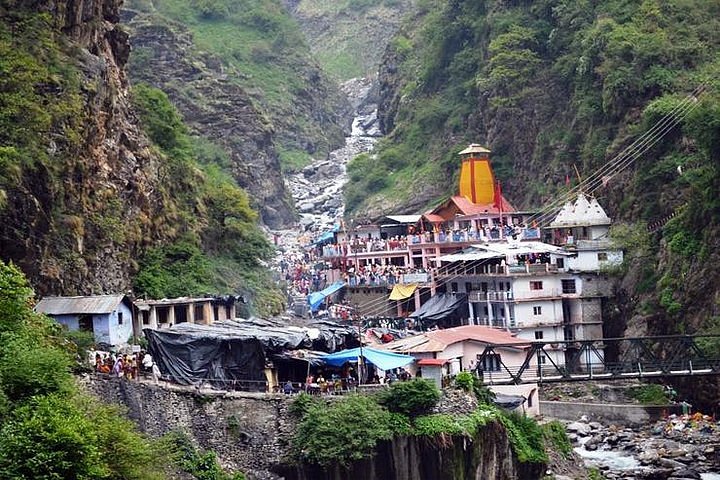
The day is dedicated to the revered Yamunotri Darshan. From Barkot, the journey progresses to Janki Chatti, the starting point for the trek to Yamunotri Temple. This sacred temple is dedicated to Goddess Yamuna and marks the origin of the Yamuna River, emanating from the Champasar Glacier. Pilgrims often take a holy dip in the hot springs at Janki Chatti before ascending to the temple. The surrounding region is renowned for its natural thermal springs and serene mountainous landscape. Night stay in Barkot. - Day 3: Barkot to Gangotri Sightseeing, Uttarkashi Stay
Following breakfast, the journey from Barkot continues towards Uttarkashi, a town significant for its spiritual heritage. En route, the itinerary includes a visit to the sacred Gangotri Temple. This revered shrine is dedicated to Goddess Ganga, situated near the source of the Bhagirathi River, which is considered the Ganga’s origin. The temple’s architectural grandeur, set against the backdrop of the majestic Himalayas and the rushing river, creates a deeply spiritual atmosphere. Pilgrims perform rituals and prayers here. The journey then proceeds to Uttarkashi for the night stay. - Day 4: Uttarkashi to Phata Stay
After breakfast in Uttarkashi, the journey continues towards Phata. Uttarkashi itself is known as “Devbhoomi” or the “Land of Gods,” housing many ashrams and temples. The drive to Phata is scenic, traversing through the Garhwal region’s captivating landscapes. Phata serves as a strategic base for pilgrims embarking on the Kedarnath Yatra, particularly for those opting for helicopter services, making it a bustling hub during the pilgrimage season. Night stay in Phata. - Day 5: Phata to Kedarnath (Helicopter/Pony/Trekking), Kedarnath Camp Stay
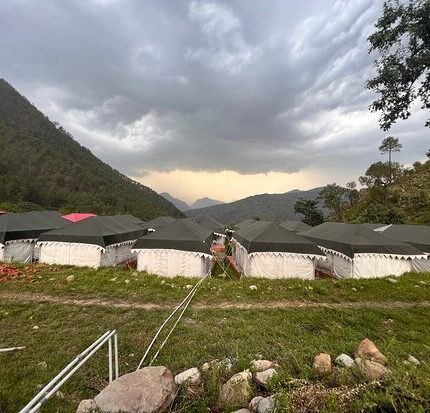
This day is dedicated to the holy Kedarnath Darshan. From Phata, pilgrims proceed to Gaurikund, the starting point for the trek to Kedarnath, or to the helipad for helicopter services, as pre-booked. The Kedarnath Temple, an ancient Shiva shrine, is one of the twelve Jyotirlingas of Lord Shiva. It is nestled amidst the dramatic peaks of the Garhwal Himalayas, revered for its profound spiritual significance and architectural resilience. The challenging journey to the temple is rewarded with an unparalleled sense of devotion and awe-inspiring natural beauty. Overnight stay in a camp or guest house near Kedarnath. - Day 6: Kedarnath to Phata Stay
After morning prayers and darshan at Kedarnath, the descent begins. Pilgrims return from Kedarnath to Phata, either by trek, pony, or helicopter, depending on their booked arrangements. The return journey offers another opportunity to soak in the majestic Himalayan views and reflect on the spiritual experiences of Kedarnath. Relax and recuperate in Phata. Night stay in Phata. - Day 7: Phata to Badrinath, Visit Mana Village, Badrinath Stay
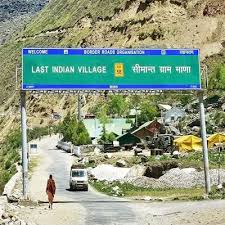
The journey continues from Phata to the sacred town of Badrinath. Upon arrival, the itinerary includes a visit to Mana Village, often referred to as “the last Indian village” before the Tibetan border. This quaint village holds mythological significance, believed to be where Ved Vyas dictated the Mahabharata. It features attractions like Vyas Gufa, Ganesh Gufa, and the Bhim Pul, offering insights into ancient Indian culture and history. Later, check into accommodation in Badrinath. Night stay in Badrinath. - Day 8: Badrinath Sightseeing, Evening Pipalkoti Stay
The morning is dedicated to Badrinath Darshan. The Badrinath Temple, dedicated to Lord Vishnu, is one of the most important pilgrimage sites in Hinduism. Situated on the banks of the Alaknanda River, it is surrounded by towering peaks and is a key part of both the Chardham and smaller Chota Char Dham circuits. Pilgrims take a dip in the Tapt Kund, a natural thermal spring, before entering the temple. The town’s vibrant spiritual atmosphere and the temple’s ancient rituals offer a profound experience. In the evening, the journey continues to Pipalkoti for the night stay. - Day 9: Drive to Rishikesh, Enroute Confluence of Rivers, Haridwar Drop
After breakfast, the scenic drive towards Rishikesh begins. En route, stops are made at significant confluences of rivers, known as Prayags: Nand Prayag, where the Alaknanda meets Mandakini; Karna Prayag, where Alaknanda meets Pindar; Rudra Prayag, where Alaknanda meets Mandakini; and Dev Prayag, where the Alaknanda merges with the Bhagirathi to form the Ganga. These confluences hold immense spiritual significance. In the evening, a visit to Rishikesh provides an opportunity to experience its spiritual ambiance before the final drop-off in Haridwar by 8 PM, marking the conclusion of the Chardham Yatra.
3 Star Hotels in Chardham and nearby cities
The Chardham Yatra ensures comfortable stays in carefully selected 3-star hotels or equivalent accommodations in locations such as Barkot, Uttarkashi, Phata, Kedarnath (camp/guest house), Badrinath, and Pipalkoti. These accommodations are chosen to provide pilgrims with necessary amenities, clean rooms, and a relaxing environment after a day of travel and darshan, upholding a standard of quality and service throughout the journey. Efforts are made to provide hotels offering basic comforts, hygienic conditions, and proximity to essential facilities where available in remote regions.
Chardham Yatra Tour Package Price from Dhanbad
- For a group of 2 persons: Rs. 33120 per person
- For a group of 3 persons: Rs. 25920 per person
- For a group of 4 persons: Rs. 22320 per person
- For a group of 5-7 persons: Rs. 20780 per person
- For a group of 8-10 persons: Rs. 20160 per person
- For a group of 11-12 persons: Rs. 18720 per person
Inclusions in Chardham Yatra Tour Package from Dhanbad
Breakfast, all sightseeing as per itinerary, AC vehicle Dzire or Innova or Tempo Traveller as per group size, driver allowance, parking, tolls, and stay in 3star AC hotels.
Exclusions in Chardham Yatra Tour Package from Dhanbad
Anything not mentioned in inclusions, entry tickets, boating, guide services, personal expenses, camera fees, or meals other than breakfast.
Child Policy for Chardham Yatra Trip from Dhanbad
Child up to 6 years Free
Child 6 to 8 years Half charge
Child above 8 years Full charge
Payment Policy for Chardham Yatra Package Booking
20 percent advance at time of booking
20 percent after getting hotel booking voucher
60 percent during tour in parts
For tours between 15 Dec to 2 Jan, 50 percent advance payment required.
Cancellation Policy for Chardham Yatra Tour
Minimum Rs. 3000 cancellation charge per person
10 percent or Rs. 3000 per person whichever is higher
25 percent cancellation between 46 to 30 days before departure
50 percent cancellation between 30 to 15 days before departure
75 percent cancellation between 15 to 5 days before departure
100 percent cancellation within 5 days of departure or noshow
Cancellation charges are calculated as percentage of total tour cost.
Frequently Asked Questions – Chardham Travel Guide
- What is the best time to visit Chardham?
The ideal time to undertake the Chardham Yatra is from April to June and again from September to November, avoiding the monsoon season due to potential landslides. - Is a medical check-up required for the Chardham Yatra?
It is highly recommended for all pilgrims, especially those with pre-existing conditions, to undergo a medical check-up before the yatra due to the high altitudes and challenging terrain. - What kind of clothing should be carried for the Chardham trip?
Warm woolen clothing, including thermals, sweaters, jackets, caps, and gloves, is essential as temperatures can drop significantly even during summer. Comfortable trekking shoes are also advisable. - Are there ATMs available on the Chardham route?
ATMs are available in major towns like Haridwar, Rishikesh, and Uttarkashi. However, cash is recommended for smaller expenses in remote areas. - Is it safe for senior citizens to undertake the Chardham Yatra?
The yatra can be challenging. Senior citizens are advised to consult their doctor, travel with a companion, and consider options like helicopter services or palanquins for difficult sections. - What is the significance of the Chardham Yatra?
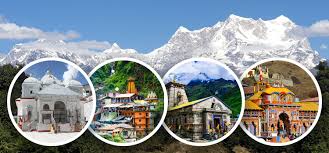
The Chardham Yatra holds immense spiritual importance in Hinduism, believed to grant moksha (salvation) by visiting the four sacred abodes of deities in the Himalayas. - Can non-Hindus visit the Chardham temples?
Yes, non-Hindus are generally permitted to visit the temples, but it is important to respect local customs and traditions. - What kind of food is available on the route?
Vegetarian food is predominantly available throughout the yatra route, with dhabas and eateries offering local Garhwali cuisine and standard Indian meals. - Is there mobile network connectivity throughout the Chardham route?
Connectivity can be intermittent, especially in higher altitudes and remote areas. BSNL and Jio generally offer better coverage. - What are the emergency contact numbers for the Chardham Yatra?
Emergency services can be contacted through district administration helplines, local police, and medical aid posts established during the yatra season. Specific numbers are often provided by tour operators. - Are there any specific rituals to follow at the temples?
Pilgrims typically take a holy dip in nearby sacred waters, perform puja, and offer prayers. Local guides can assist with specific rituals if desired. - What is the role of Mana Village in the Badrinath trip?
Mana Village is the last Indian village near the Indo-Tibetan border and is famous for its mythological connection to Vyas Gufa, Ganesh Gufa, and Bhim Pul, offering a cultural and historical experience alongside the spiritual journey to Badrinath.
Important Travel Information for Chardham Package
- Carry valid identification proof such as Aadhar Card, Voter ID, or Passport, along with multiple photocopies.
- Ensure all necessary permits and registrations for the Chardham Yatra are completed prior to the journey.
- Pack a first-aid kit containing essential medicines for fever, headache, pain relief, antiseptics, and any personal medications.
- Stay hydrated by drinking plenty of water and consuming light, energy-rich foods.
- Be prepared for varying weather conditions; temperatures can fluctuate significantly within a single day.
- Respect local customs, traditions, and the sanctity of the pilgrimage sites.
- Avoid littering and help maintain the cleanliness of the environment.
- Inform the tour operator about any special requirements or medical conditions in advance.
- Keep emergency contact numbers handy, including those of family, friends, and the tour operator.
- Portable power banks are recommended for charging electronic devices due to limited charging points in remote areas.
- Travel insurance is highly recommended to cover unforeseen circumstances like medical emergencies or trip cancellations.
- Acclimatization to high altitudes is crucial. Allow ample time for rest upon arrival at higher altitude destinations.
Trypdeals tour packages you might be interested in
Visit our main website for more incredible travel deals: Trypdeals Home
Explore our wide range of tour packages across various destinations: All Tours by Trypdeals
Discover the most sought-after travel destinations with Trypdeals: Top Travel Destinations
Yamunotri
The Chardham Yatra Tour Package from Dhanbad offers an incredible journey.
Yamunotri, nestled in the Garhwal Himalayas, is one of the four sacred sites of the Chardham Yatra. It is revered as the source of the Yamuna River, India’s second holiest river. The primary attraction is the Yamunotri Temple, dedicated to Goddess Yamuna, which stands at an altitude of approximately 3,293 meters. Pilgrims undertake a challenging trek from Janki Chatti to reach the temple, passing through stunning landscapes. The area is also known for its thermal springs, where devotees prepare rice and potatoes to offer at the temple. The spiritual aura combined with the raw beauty of the mountains makes Yamunotri a profound destination.
Gangotri
Gangotri, located in the Uttarkashi district of Uttarakhand, is another pivotal destination in the Chardham Yatra, marking the origin of the sacred River Ganga (Bhagirathi). The Gangotri Temple, dedicated to Goddess Ganga, is situated at an elevation of about 3,100 meters. Mythology states that King Bhagirath performed penance here to bring the goddess to earth. The temple’s serene environment, with the roaring Bhagirathi River and the majestic Himalayan peaks in the backdrop, offers a deeply spiritual experience. Pilgrims often take a holy dip in the icy waters of the Bhagirathi before offering prayers. It is a place of immense devotion and natural splendor.
Kedarnath
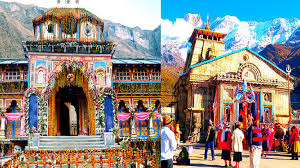
Kedarnath, one of the twelve Jyotirlingas of Lord Shiva, is arguably the most revered and geographically challenging of the Chardham sites. Perched at an altitude of 3,583 meters amidst the dramatic Kedar range, the ancient Kedarnath Temple is a symbol of resilience and faith. The arduous trek or helicopter ride to reach the temple is undertaken by thousands of devotees annually, seeking Lord Shiva’s blessings. The surrounding glaciers and snow-capped peaks contribute to its awe-inspiring and mystical ambiance. The temple’s rich history and profound spiritual energy make it a cornerstone of Hindu pilgrimage.
Badrinath
Badrinath, the final and perhaps most significant stop on the Chardham Yatra, is dedicated to Lord Vishnu. Situated on the banks of the Alaknanda River, surrounded by the towering Nar and Narayan mountain ranges and the Neelkanth Peak, it offers a truly divine setting. The Badrinath Temple, with its vibrant facade and intricate carvings, houses a black stone idol of Lord Vishnu. Pilgrims often take a purifying dip in the Tapt Kund, a natural thermal spring, before entering the temple. The nearby Mana Village, the last Indian village before the Indo-Tibetan border, adds a cultural and historical dimension to the spiritual journey.
There are no reviews yet.