
Chardham Yatra Tour Package from Patna
- Places Covered: Chardham Yatra
- Tour Type: Private Tour
- Transport: Private Cab
- Customization: Available
Patna to Chardham Tour Package Itinerary
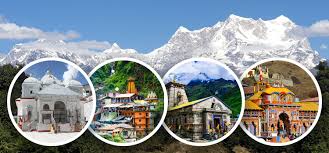
This Chardham Yatra Tour Package from Patna offers a comprehensive 9-day spiritual journey covering the four sacred Hindu pilgrimage sites in Uttarakhand.
Day 1: Arrival in Dehradun/Haridwar – Drive to Barkot
The tour commences with an arrival from the starting city to Dehradun or Haridwar via air, train, or bus. Following the pickup, a scenic drive transports pilgrims to Barkot, a picturesque town serving as the gateway to Yamunotri. The remainder of the day is for relaxation and acclimatization. Night stay in Barkot.
Day 2: Yamunotri Darshan – Barkot
- Yamunotri Temple: Dedicated to Goddess Yamuna, this revered temple is situated amidst the majestic Garhwal Himalayas. The temple is known for its hot water springs (Kunds) where devotees prepare rice and potatoes, which are then offered to the deity. A trek or pony ride from Jankichatti leads to this sacred abode, marking the source of the Yamuna River. Yamunotri Temple Wikipedia
- Divya Shila: A sacred rock pillar near the Yamunotri Temple, worshipped before entering the main temple. Devotees offer prayers to Divya Shila as a mark of respect to the divine energy of Yamuna.
The day is dedicated to the Yamunotri darshan, after which pilgrims return to Barkot for the night stay.
Day 3: Barkot to Gangotri Sightseeing – Uttarkashi
The journey proceeds from Barkot towards Uttarkashi. En route, the sacred town of Gangotri is visited for darshan.
- Gangotri Temple: This revered temple, dedicated to Goddess Ganga, stands majestically on the banks of the Bhagirathi River. It is the highest and one of the most significant temples of Goddess Ganga, believed to be the place where King Bhagirath worshipped Lord Shiva to bring Ganga to earth. Gangotri Temple Wikipedia
- Bhagirathi Shila: A sacred rock near the Gangotri Temple where King Bhagirath is said to have meditated for the descent of River Ganga. It holds significant religious importance for pilgrims.
- Submerged Shivling: Visible during winter when water levels recede, this natural rock Shivling is believed to be the spot where Lord Shiva received the Ganga in his matted locks.
After the darshan at Gangotri, the journey continues to Uttarkashi for the night stay.
Day 4: Uttarkashi to Phata
A picturesque drive from Uttarkashi leads to Phata, a small town strategically located en route to Kedarnath. This day is primarily for travel and preparation for the subsequent pilgrimage to Kedarnath. Pilgrims can rest and prepare for the journey ahead. Night stay in Phata.
Day 5: Phata to Kedarnath – Kedarnath Camp Stay
From Phata, the journey to Kedarnath is undertaken. Pilgrims can opt for a helicopter service, pony ride, or trek to reach the sacred shrine as per their prior booking.
- Kedarnath Temple: One of the twelve Jyotirlingas of Lord Shiva, the Kedarnath Temple is nestled at an altitude of 3,583 meters amidst the breathtaking Kedar Range. Its ancient stone architecture and formidable mountain backdrop evoke a powerful sense of spirituality and devotion. The temple is believed to have been built by the Pandavas and later revived by Adi Shankaracharya. Kedarnath Temple Wikipedia
The day is spent experiencing the spiritual ambiance of Kedarnath, followed by a camp stay near the temple.
Day 6: Kedarnath to Phata
After morning prayers and absorbing the divine atmosphere of Kedarnath, pilgrims descend back to Phata. This return journey allows for further contemplation of the profound spiritual experience. Night stay in Phata.
Day 7: Phata to Badrinath – Mana Village – Badrinath Stay
The journey continues from Phata to Badrinath, another pivotal shrine of the Chardham Yatra. Upon arrival, a visit to Mana Village is scheduled.
- Mana Village: Situated near Badrinath, Mana is recognized as the ‘last Indian village’ before the Indo-Tibetan border. This quaint village is rich in mythological connections, home to significant sites such as व्यास गुफा (Vyas Gufa), गणेश गुफा (Ganesh Gufa), and भीम पुल (Bhim Pul), believed to be where Ved Vyas dictated the Mahabharata. Mana Village TripAdvisor
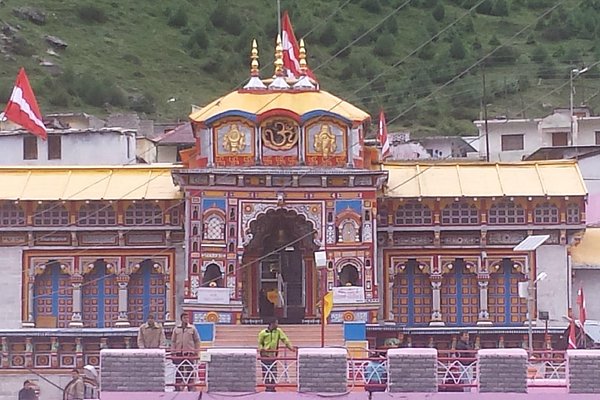
- Badrinath Temple: Dedicated to Lord Vishnu, also known as Badrinarayan, this temple is located along the Alaknanda River. The temple’s vibrant architecture and the towering Neelkanth Peak in the background create a visually stunning and spiritually uplifting experience. It is one of the 108 Divya Desams, a holy shrine for Vaishnavites. Badrinath Temple Wikipedia
After exploring Mana Village and darshan at Badrinath Temple, the night is spent in Badrinath.
Day 8: Badrinath Sightseeing – Pipalkoti Stay
The morning is dedicated to further sightseeing in Badrinath.
- Tapt Kund: A natural thermal spring located near the Badrinath Temple, believed to possess medicinal properties. Pilgrims often take a holy dip in its warm waters before entering the main temple, considering it an essential part of the purification ritual.
- Narad Kund: This sacred pond is where the idol of Lord Badrinarayan is believed to have been recovered. Its waters are cold and considered highly holy, attracting devotees who wish to connect with the temple’s ancient origins.
In the evening, the journey proceeds to Pipalkoti for the night stay.
Day 9: Drive to Rishikesh – Confluence Points – Haridwar Drop
The final day involves a drive towards Rishikesh. En route, stops are made at significant confluence points.
- Nand Prayag: The confluence of the Alaknanda and Nandakini rivers. This sacred spot is named after King Nanda, who is believed to have performed a yajna here.
- Karna Prayag: Where the Alaknanda River meets the Pindar River. This confluence is associated with Karna from the Mahabharata, who is said to have meditated here to please the Sun God.
- Rudra Prayag: The sacred meeting point of the Alaknanda and Mandakini rivers. It holds immense religious significance and is considered one of the Panch Prayags (five confluences) of the Alaknanda River.
- Dev Prayag: The revered confluence of the Bhagirathi and Alaknanda rivers, which then takes the name Ganga. This is considered the most sacred of the Panch Prayags.
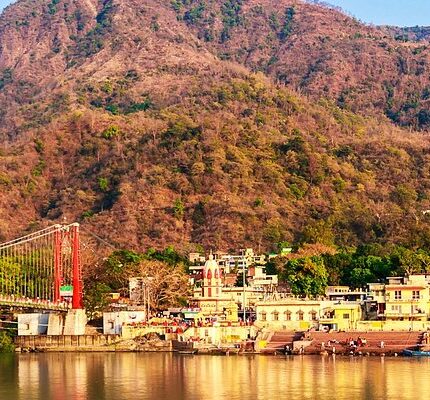
- Rishikesh: Known as the “Yoga Capital of the World,” Rishikesh is a spiritual town nestled in the foothills of the Himalayas. It is famous for its ashrams, yoga centers, and the iconic Laxman Jhula and Ram Jhula bridges. The serene Ganges River flows through the town, offering opportunities for spiritual reflection and adventure activities. Rishikesh Tripadvisor
In the evening, after visiting Rishikesh, pilgrims are dropped off at Haridwar by 8 PM, marking the conclusion of the Chardham Yatra.
Yamunotri and Gangotri Sightseeing Itinerary
This segment of the Chardham Yatra focuses on the sacred shrines of Yamunotri and Gangotri, offering pilgrims an immersive spiritual experience in the Garhwal Himalayas. The journey to Yamunotri involves a trek or pony ride to the temple, known for its hot springs and as the source of the Yamuna River. Gangotri, nestled on the banks of the Bhagirathi, is the revered origin of the Ganga, a site steeped in mythological significance where King Bhagirath’s penance brought the holy river to earth. Pilgrims witness breathtaking mountain landscapes and deeply sacred sites during this part of the tour.
Kedarnath and Badrinath Sightseeing Itinerary
The pilgrimage continues to the formidable Kedarnath and the divine Badrinath, two of the most significant Chardham destinations. Kedarnath, an ancient Jyotirlinga of Lord Shiva, stands majestically amidst snow-capped peaks, accessible by helicopter, pony, or trek. Badrinath, dedicated to Lord Vishnu, is renowned for its vibrant temple architecture and proximity to Mana, India’s ‘last village’. This part of the journey provides an intense spiritual connection and showcases the raw, pristine beauty of the higher Himalayas.
Rishikesh and Confluence Points Sightseeing Itinerary
The concluding leg of the Chardham Yatra includes a serene journey through the sacred confluence points and the spiritual hub of Rishikesh. Travelers witness the powerful merging of rivers like Alaknanda with Nandakini, Pindar, Mandakini, and finally Bhagirathi at Dev Prayag, forming the holy Ganga. Rishikesh, the “Yoga Capital of the World,” offers a tranquil environment for reflection, featuring iconic bridges and ashrams along the Ganges, providing a peaceful culmination to the pilgrimage.
3 Star Hotels in Chardham and nearby cities
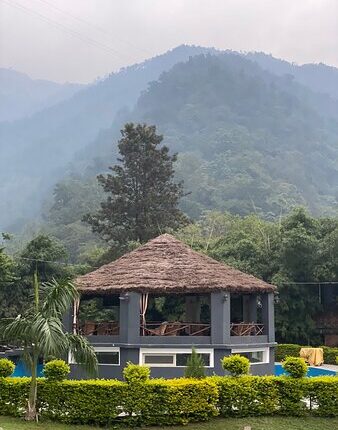
Throughout the Chardham Yatra tour package from Patna, accommodations are arranged in comfortable 3-star hotels in key locations such as Barkot, Uttarkashi, Phata, Badrinath, and Pipalkoti. These hotels are selected to provide a balance of comfort, cleanliness, and essential amenities for pilgrims. Rooms are generally well-appointed, featuring private bathrooms and basic services to ensure a relaxing stay after each day’s spiritual journey. Efforts are made to provide hotels with convenient access to local facilities and scenic views where available, enhancing the overall pilgrimage experience.
Chardham Package Price from Patna
The Chardham Yatra tour package from Patna offers flexible pricing based on group size, ensuring competitive rates for a comprehensive pilgrimage experience.
- For 2 Adults: Approximately Rs. 33,120 per person
- For 3 Adults: Approximately Rs. 25,920 per person
- For 4-7 Adults: Approximately Rs. 20,777 to Rs. 24,480 per person (depending on exact group size and vehicle type)
- For 8-10 Adults: Approximately Rs. 20,160 to Rs. 22,320 per person
- For 11-12 Adults: Approximately Rs. 18,720 to Rs. 19,375 per person
Inclusions in Chardham Yatra Tour Package from Patna
Breakfast, all sightseeing as per itinerary, AC vehicle Dzire or Innova or Tempo Traveller as per group size, driver allowance, parking, tolls, and stay in 3star AC hotels.
Exclusions in Chardham Yatra Tour Package from Patna
Anything not mentioned in inclusions, entry tickets, boating, guide services, personal expenses, camera fees, or meals other than breakfast.
Child Policy for Chardham Trip from Patna
Child up to 6 years Free
Child 6 to 8 years Half charge
Child above 8 years Full charge
Payment Policy for Chardham Package Booking
20 percent advance at time of booking
20 percent after getting hotel booking voucher
60 percent during tour in parts
For tours between 15 Dec to 2 Jan, 50 percent advance payment required.
Cancellation Policy for Chardham Tour
Minimum Rs. 3000 cancellation charge per person
10 percent or Rs. 3000 per person whichever is higher
25 percent cancellation between 46 to 30 days before departure
50 percent cancellation between 30 to 15 days before departure
75 percent cancellation between 15 to 5 days before departure
100 percent cancellation within 5 days of departure or noshow
Cancellation charges are calculated as percentage of total tour cost.
Frequently Asked Questions – Chardham Travel Guide
- What is the best time to undertake the Chardham Yatra?
The ideal time for the Chardham Yatra is from April to June and then from September to early November. The temples close for winter from October/November to April/May due to heavy snowfall. - Is a medical check-up necessary before the Yatra?
It is highly recommended to consult a doctor before embarking on the Yatra, especially for individuals with pre-existing medical conditions, due to high altitudes and varying weather. - What kind of clothes should be packed for the Chardham Yatra?
Layered clothing is advised. Pack warm woolen clothes, thermals, gloves, a cap, and a waterproof jacket, even during summer, as temperatures can drop significantly. - Are there ATMs available on the Chardham route?
ATMs are available in major towns like Rishikesh, Uttarkashi, and Badrinath, but their functionality can be inconsistent. It is advisable to carry sufficient cash. - Is a permit required for the Chardham Yatra?
Currently, no specific permit is required, but it is always good to check the latest government advisories before your trip. Registration is often required upon arrival in Uttarakhand. - What are the accommodation options during the Yatra?
The tour package includes stays in 3-star hotels. Basic guesthouses and dharamshalas are also available in some areas, but quality can vary. - Is it safe to travel during the monsoon season?
Travel during the monsoon (July-August) is generally discouraged due to increased risks of landslides and road blockages. - What about food and water during the Yatra?
The package includes breakfast. It is advisable to consume only boiled or filtered water and stick to simple, vegetarian meals available at local eateries. - Are mobile network and internet services reliable?
Mobile network coverage can be sporadic, especially in remote areas. BSNL/Jio often have better connectivity. Do not rely heavily on continuous internet access. - Is a guide necessary for the Chardham Yatra?
While not strictly necessary, a local guide can enhance the experience by providing insights into the history, mythology, and local culture of the sites. - What are the emergency services available on the route?
Basic medical facilities are available in major towns. For serious emergencies, evacuation might be required, which can be time-consuming due to terrain. - Can the itinerary be customized?
While this package follows a set itinerary, customization requests can often be discussed with the tour operator for specific needs, though additional costs may apply.
Important Travel Information for Chardham Package
- Altitude Sickness: The Chardham Yatra involves significant altitude variations. Travelers should acclimatize properly, stay hydrated, and report any symptoms of altitude sickness immediately.
- Weather Conditions: Weather in the Himalayas is unpredictable. Be prepared for sudden changes, including rain, snow, and significant temperature drops, even in peak season.
- Road Conditions: Mountain roads can be challenging. Expect winding roads and potential delays due to landslides or road maintenance, especially during the monsoon season.
- Physical Fitness: A moderate level of physical fitness is recommended, particularly for the treks to Yamunotri and Kedarnath. Consult a doctor if uncertain about physical capabilities.
- Dress Code: Modest dress is expected at all religious sites. Cover shoulders and knees. Remove footwear before entering temples.
- Photography: While photography is generally allowed, check for specific restrictions inside temples or sensitive areas. Respect local customs and privacy.
- Environmental Responsibility: Practice responsible tourism. Avoid littering, do not disturb wildlife, and respect the natural beauty of the Himalayas.
- Connectivity: Carry power banks for electronic devices, as charging points may be limited in remote areas.
- Medicines: Carry a personal first-aid kit, including any prescribed medications, altitude sickness tablets, pain relievers, and antiseptics.
- Identification: Always carry valid identification, such as Aadhar card or passport, as it may be required at check-posts and for accommodation.
- Cash Availability: While some places accept digital payments, carrying sufficient cash is essential for small purchases, offerings, and emergencies.
- Flexibility: Himalayan tours can sometimes encounter unforeseen circumstances like weather delays or road closures. A flexible attitude is crucial for a smooth journey.
Trypdeals tour packages you might be interested in
Visit our main website for more incredible travel deals: Trypdeals Home
Explore our wide range of tour packages across various destinations: All Tours by Trypdeals
Discover the most sought-after travel destinations with Trypdeals: Top Travel Destinations
Yamunotri
The sacred abode of Goddess Yamuna, Yamunotri marks the source of the Yamuna River, nestled majestically in the Garhwal Himalayas. The revered Yamunotri Temple, accessible by a scenic trek or pony ride from Janki Chatti, stands as a testament to ancient Hindu devotion. Pilgrims are drawn to its natural hot water springs, where sacred offerings are prepared. The pristine surroundings and spiritual ambiance provide a profoundly tranquil experience, making it a pivotal site in the Chardham Yatra. Its remote location and breathtaking mountain views symbolize the raw, untamed beauty of the Indian Himalayas.
Gangotri
Perched at a high altitude on the banks of the Bhagirathi River, Gangotri is the origin point of the holy River Ganga. The Gangotri Temple, dedicated to Goddess Ganga, holds immense spiritual significance, believed to be the spot where Lord Shiva received the mighty river in his matted locks. Surrounded by the majestic Himalayas, the temple’s serene environment offers a deep sense of peace and divine connection. Devotees visit to seek blessings and witness the stunning natural beauty that characterizes this revered pilgrimage site, a crucial stop on the Chardham Yatra.
Kedarnath
Kedarnath, home to one of the twelve Jyotirlingas of Lord Shiva, is a profoundly sacred destination nestled amidst the dramatic Kedar Range. The ancient stone temple, an architectural marvel, stands as a symbol of unwavering faith against the backdrop of towering snow-clad peaks. Accessible by helicopter, pony, or a challenging trek, the journey to Kedarnath is an act of deep devotion. The raw, untamed beauty of the surrounding landscape combined with the temple’s spiritual power creates an unforgettable and transformative experience for all pilgrims.
Badrinath
Badrinath, dedicated to Lord Vishnu (Badrinarayan), is a vibrant and spiritually charged temple town situated on the banks of the Alaknanda River. Flanked by the towering Neelkanth Peak, the temple’s colorful architecture and serene surroundings create a captivating atmosphere. As one of the 108 Divya Desams, it holds immense importance for Vaishnavites. The town also features Tapt Kund, a natural thermal spring, and is close to Mana, the ‘last Indian village’ with its mythological caves. Badrinath offers a blend of spiritual fulfillment and stunning natural beauty.
Rishikesh
Known globally as the “Yoga Capital of the World,” Rishikesh is a vibrant spiritual town nestled at the foothills of the Himalayas, where the holy Ganges River gracefully descends from the mountains. It is a hub for spiritual seekers, yoga enthusiasts, and adventure lovers alike. The town is famous for its numerous ashrams, yoga and meditation centers, and iconic suspension bridges like Laxman Jhula and Ram Jhula, offering panoramic views of the river and surrounding hills. Rishikesh provides a serene environment for reflection and a perfect conclusion to a spiritual journey.

There are no reviews yet.