
Chardham Yatra Tour Package from Pimpri Chinchwad 9 Days
- Places Covered: Chardham Yatra Chinchwad
- Tour Type: Private Tour
- Transport: Private Cab
- Customization: Available
Pimpri Chinchwad to Chardham Tour Package Itinerary
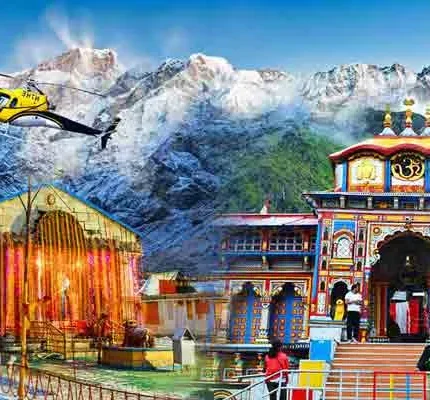
The Chardham Yatra is a revered pilgrimage encompassing four of India’s most sacred Hindu shrines: Yamunotri, Gangotri, Kedarnath, and Badrinath. This 9-day tour package offers a spiritual odyssey through the majestic Himalayas, allowing pilgrims to connect with divine energy and witness breathtaking natural beauty.
Day 1: Arrival in Haridwar/Dehradun & Drive to Barkot
Upon arrival at Dehradun or Haridwar via air, train, or bus, a representative will facilitate pickup. The journey then proceeds to Barkot, a picturesque town located on the banks of the Yamuna River. Barkot serves as an important stopover on the route to Yamunotri, offering serene views of the Bandarpoonch peak. The town is known for its tranquil environment, making it an ideal place for pilgrims to rest before embarking on the challenging yatra. Overnight accommodation will be provided in Barkot.
Day 2: Yamunotri Darshan & Return to Barkot
This day is dedicated to the pilgrimage to Yamunotri, the source of the Yamuna River and the first stop on the Chardham circuit. The trek to the temple usually begins from Janki Chatti. Yamunotri is famous for its thermal springs, particularly the Surya Kund, where pilgrims cook rice and potatoes to offer to the deity. The main shrine, dedicated to Goddess Yamuna, is situated amidst breathtaking mountainous scenery, surrounded by glaciers and dense forests, creating a profound spiritual atmosphere. After darshan and performing rituals, the return journey to Barkot for an overnight stay.
Day 3: Barkot to Uttarkashi & Gangotri Sightseeing
The journey continues from Barkot towards Gangotri, the origin of the sacred River Ganga (Bhagirathi). En route, a stop at Uttarkashi is made, a town often referred to as the ‘Kashi of the North’. Uttarkashi is situated on the banks of the Bhagirathi River and is home to several ashrams and temples, including the Vishwanath Temple, dedicated to Lord Shiva. Uttarkashi on Wikipedia The scenic drive through the mountains offers panoramic views before reaching the revered Gangotri temple. Gangotri is a significant Hindu pilgrimage site where Goddess Ganga is believed to have descended to Earth. Gangotri on Wikipedia The temple, built by the Gorkha General Amar Singh Thapa in the 18th century, sits at an altitude of 3,100 meters. The surrounding landscape, with the Bhagirathi River flowing vigorously, adds to the sanctity and beauty of the location. After the sacred darshan, accommodation is in Uttarkashi.
Day 4: Uttarkashi to Phata
Today involves a scenic drive from Uttarkashi to Phata. Phata serves as a crucial base for pilgrims heading to Kedarnath, particularly for those opting for helicopter services. It is a small village in the Rudraprayag district, offering essential facilities and accommodation. The drive offers glimpses of the Himalayan terrain and local life in the Garhwal region. Pilgrims use this stop to prepare for the subsequent journey to the Kedarnath shrine. Overnight accommodation will be in Phata.
Day 5: Phata to Kedarnath Darshan & Kedarnath Camp Stay
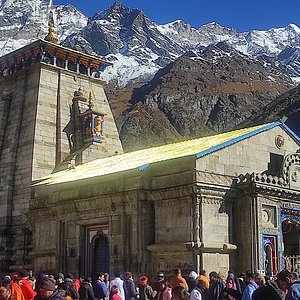
The journey proceeds from Phata to Kedarnath, one of the twelve Jyotirlingas of Lord Shiva. Guests may choose to reach Kedarnath by helicopter, pony, or by trekking. The Kedarnath Temple, an ancient and revered shrine, is nestled amidst the majestic Garhwal Himalayas at an altitude of 3,583 meters. Kedarnath Temple on TripAdvisor The temple’s robust stone construction is a testament to its resilience against natural calamities over centuries. The spiritual ambiance, coupled with the awe-inspiring backdrop of snow-clad peaks, makes it a profoundly moving experience. After darshan, overnight accommodation will be in a camp near Kedarnath.
Day 6: Kedarnath to Phata
After a spiritual morning in Kedarnath, the descent begins back to Phata. This day allows for reflection on the divine experience at Kedarnath. The return journey offers another opportunity to appreciate the rugged beauty of the Himalayan landscape. Rest and recuperation are important after the high-altitude visit. Overnight accommodation will be provided in Phata.
Day 7: Phata to Badrinath & Mana Village Visit
The drive from Phata takes pilgrims to Badrinath, the abode of Lord Vishnu. Badrinath is nestled between the Nar and Narayan mountain ranges with the towering Neelkanth peak in the background. The main temple, Badrinath Temple (also known as Badrinarayan Temple), is one of the most important pilgrimage sites in India. Badrinath Temple on Wikipedia Its vibrant architecture and spiritual significance attract devotees from across the globe. After arrival and checking in, a visit to Mana Village is included, which is often referred to as the ‘last Indian village’ before the Tibetan border. Mana is culturally rich, with attractions such as Vyas Gufa, Ganesh Gufa, and the Bheem Pul, associated with Mahabharata legends. Overnight accommodation will be in Badrinath.
Day 8: Badrinath Sightseeing & Evening to Pipalkoti
The morning is dedicated to further sightseeing in Badrinath. Pilgrims can take a holy dip in the Tapt Kund, a natural thermal spring, before visiting the Badrinath Temple for darshan. Other significant sites include the Brahma Kapal, a sacred place for performing rites for ancestors, and various smaller shrines. The day offers ample time for spiritual contemplation and exploring the serene surroundings. In the evening, the journey proceeds to Pipalkoti, a small town located on the National Highway 7, serving as a stopover for travelers to Badrinath and Hemkund Sahib. Pipalkoti offers a quiet environment amidst lush green hills. Overnight accommodation will be in Pipalkoti.
Day 9: Drive to Rishikesh & Drop at Haridwar
The final day involves a drive towards Rishikesh. En route, stops are made to witness the significant river confluences (Prayags): Nand Prayag, where the Alaknanda and Nandakini rivers meet; Karna Prayag, the confluence of the Alaknanda and Pindar rivers; Rudra Prayag, where the Alaknanda and Mandakini rivers merge; and Dev Prayag, the sacred confluence of the Alaknanda and Bhagirathi rivers, which then takes the name Ganga. These confluences hold immense spiritual importance. In the evening, a visit to Rishikesh, the ‘Yoga Capital of the World’, is included. Rishikesh on Wikipedia Pilgrims can explore the famous Laxman Jhula and Ram Jhula bridges, visit ashrams, or witness the evening Ganga Aarti. The tour concludes with a drop-off at Haridwar by 8 PM.
3 Star Hotels in Chardham and nearby cities
Accommodation throughout the Chardham Yatra is provided in comfortable 3-star hotels in key locations such as Barkot, Uttarkashi, Phata, Kedarnath (camp), Badrinath, and Pipalkoti. These hotels are selected to offer essential amenities, hygienic conditions, and a pleasant stay, ensuring a rejuvenating experience after each day’s journey. Facilities typically include clean rooms, attached bathrooms, and often provide basic meal services. While luxury is not the primary focus, comfort and convenience for pilgrims are prioritized, ensuring a peaceful retreat amidst the challenging terrain.
Chardham Yatra Tour Package Price from Pimpri Chinchwad
The final per person package price for the Chardham Yatra from Pimpri Chinchwad varies based on the group size, reflecting vehicle and accommodation sharing.
- For 2 persons: Rs. 33,120 per person
- For 3 persons: Rs. 25,920 per person
- For 4 persons: Rs. 22,320 per person
- For 5-7 persons: Rs. 24,480 per person (based on 5 adults sharing an Innova)
- For 8-10 persons: Rs. 22,320 per person (based on 8 adults sharing a 12-seater Tempo Traveller)
- For 11-12 persons: Rs. 19,374 per person (based on 11 adults sharing a 12-seater Tempo Traveller)
Inclusions in Chardham Yatra Tour Package from Pimpri Chinchwad
Breakfast, all sightseeing as per itinerary, AC vehicle Dzire or Innova or Tempo Traveller as per group size, driver allowance, parking, tolls, and stay in 3star AC hotels.
Exclusions in Chardham Yatra Package from Pimpri Chinchwad
Anything not mentioned in inclusions, entry tickets, boating, guide services, personal expenses, camera fees, or meals other than breakfast.
Child Policy for Chardham Yatra Trip from Pimpri Chinchwad
Child up to 6 years Free
Child 6 to 8 years Half charge
Child above 8 years Full charge
Payment Policy for Chardham Yatra Package Booking
20 percent advance at time of booking
20 percent after getting hotel booking voucher
60 percent during tour in parts
For tours between 15 Dec to 2 Jan, 50 percent advance payment required.
Cancellation Policy for Chardham Yatra Tour
Minimum Rs. 3000 cancellation charge per person
10 percent or Rs. 3000 per person whichever is higher
25 percent cancellation between 46 to 30 days before departure
50 percent cancellation between 30 to 15 days before departure
75 percent cancellation between 15 to 5 days before departure
100 percent cancellation within 5 days of departure or noshow
Cancellation charges are calculated as percentage of total tour cost.
Frequently Asked Questions – Chardham Yatra Travel Guide
Q1. What is the best time to undertake the Chardham Yatra?
The ideal time to visit Chardham is from April/May to June and again from September to October/November, before the winter closure. The weather during these months is generally pleasant, making the pilgrimage more comfortable.
Q2. How physically demanding is the Chardham Yatra?
The Chardham Yatra involves varying degrees of physical exertion, especially for Kedarnath and Yamunotri, which require trekking. While specific arrangements like ponies, palanquins, or helicopters are available, a reasonable level of fitness is advisable.
Q3. Are vegetarian meals easily available during the tour?
Yes, all destinations on the Chardham circuit are sacred Hindu sites, and vegetarian food is widely available. Most hotels and local eateries primarily serve vegetarian cuisine.
Q4. What kind of clothing should be carried for the Chardham Yatra?
Layered clothing is recommended. Pack woolens, thermals, and warm jackets for evenings and higher altitudes, even during summer. Comfortable walking shoes are essential. Rain gear is also advisable.
Q5. Is it safe to travel to Chardham post-monsoon?
Traveling post-monsoon (September-October) is generally safe. The landscape is lush, and the weather is crisp. However, it is always wise to check current weather forecasts and road conditions before and during the journey.
Q6. What are the key identification documents required for the Yatra?
A valid government-issued photo ID (Aadhar Card, Voter ID, Passport) is mandatory for all travelers. It is also advisable to carry multiple copies.
Q7. Are there medical facilities available along the route?
Basic medical facilities and first-aid centers are available at major stops. For more serious conditions, hospitals are located in larger towns like Uttarkashi, Rudraprayag, and Srinagar. It is recommended to carry personal medications.
Q8. Is mobile connectivity reliable in the Chardham region?
Mobile connectivity can be intermittent in certain remote areas, especially at higher altitudes. BSNL and Jio generally offer better coverage compared to other networks.
Q9. Can children and elderly individuals undertake the Chardham Yatra?
With proper planning and necessary arrangements (like palkis or helicopters for difficult stretches), children and elderly individuals can undertake the yatra. Consultation with a doctor for health advisories is recommended.
Q10. Are ATMs available in all the Chardham destinations?
ATMs are available in major towns like Barkot, Uttarkashi, and Badrinath. However, it is advisable to carry sufficient cash for smaller expenses, as not all places accept digital payments.
Q11. What is the significance of the “Prayags” visited on Day 9?
The Prayags (confluences) are highly sacred points where different rivers merge. Witnessing these confluences is considered spiritually significant, as it is believed to cleanse sins and offer immense spiritual merit according to Hindu mythology.
Q12. Is it possible to customize the Chardham Yatra package?
Many tour operators, including Trypdeals, offer customization options for Chardham Yatra packages. This can include adjusting duration, hotel categories, vehicle types, and adding specific activities to suit individual preferences.
Important Travel Information for Chardham Yatra Package
- Registration: All pilgrims undertaking the Chardham Yatra must complete mandatory biometric registration with the Uttarakhand Tourism Development Board.
- Health Check-up: It is highly advisable for all travelers, especially the elderly and those with pre-existing conditions, to undergo a medical check-up before the yatra due to high altitudes and varying terrains.
- Altitude Sickness: Be aware of symptoms of Acute Mountain Sickness (AMS). Acclimatization is crucial; ascend gradually, stay hydrated, and avoid strenuous activity on the first day at higher altitudes.
- Weather Conditions: Weather in the Himalayas is unpredictable. Carry layers of clothing, including warm wear, rain gear, and sun protection.
- Footwear: Comfortable, sturdy, waterproof trekking shoes with good grip are essential, especially for Yamunotri and Kedarnath.
- Hydration & Food: Drink plenty of water and carry energy-rich snacks. While vegetarian food is readily available, personal preferences for specific snacks might require carrying them.
- Medication: Carry a personal first-aid kit, including prescribed medications, pain relievers, antiseptic cream, and basic cold/fever remedies.
- Connectivity: BSNL and Jio provide relatively better mobile network coverage, but expect dead zones. Inform family/friends about limited connectivity.
- Cash Availability: While ATMs are present, carry sufficient cash for emergencies, small purchases, offerings, and situations where card payments might not be accepted.
- Environmental Responsibility: Maintain cleanliness, do not litter, and respect the sanctity of the pilgrimage sites and natural environment.
- Photography: Be mindful of local customs and privacy when taking photographs, especially inside temples where photography might be restricted.
- Flexibility: Due to unpredictable weather or road conditions, minor itinerary changes might occur. Maintain flexibility and cooperate with tour operators for a smooth experience.
Trypdeals tour packages you might be interested in
Visit our main website for more incredible travel deals: Trypdeals Home
Explore our wide range of tour packages across various destinations: All Tours by Trypdeals
Discover the most sought-after travel destinations with Trypdeals: Top Travel Destinations
Chardham Yatra
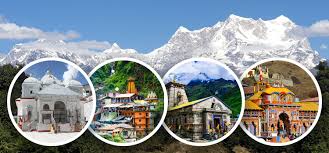
The Chardham Yatra Tour Package from Pimpri Chinchwad offers a sacred 9-day journey through the revered pilgrimage sites of Yamunotri, Gangotri, Kedarnath, and Badrinath. This spiritual expedition guides pilgrims through the majestic Garhwal Himalayas, allowing for deep spiritual connection and an immersive experience of India’s ancient heritage amidst stunning natural beauty.
Yamunotri
Yamunotri, nestled in the Uttarkashi district of Uttarakhand, is the source of the Yamuna River and one of the four revered sites of the Chardham pilgrimage. The temple, dedicated to Goddess Yamuna, is located at an altitude of approximately 3,293 meters and is typically accessed via a trek from Janki Chatti. Pilgrims often take a holy dip in the Yamuna River and offer prayers. The region is also famous for its thermal springs, particularly the Surya Kund, where devotees cook rice and potatoes as prasad. Surrounded by rugged peaks and lush valleys, Yamunotri offers a serene and deeply spiritual experience. The challenging trek culminates in a profound sense of accomplishment and divine blessings.
Gangotri
Gangotri is a significant Hindu pilgrimage town in the Uttarkashi district, renowned as the origin of the sacred River Ganga (Bhagirathi). Situated at an elevation of about 3,100 meters, the Gangotri Temple is dedicated to Goddess Ganga and holds immense spiritual importance. It is believed that Goddess Ganga descended to Earth at this very spot. The temple, an exquisite example of Hindu architecture, offers spectacular views of the Bhagirathi River gushing forth from the Gaumukh glacier. Pilgrims partake in rituals and prayers, soaking in the tranquil yet powerful spiritual ambiance. The natural beauty surrounding Gangotri, with its towering peaks and pristine river, adds to the profound experience for every visitor.
Kedarnath
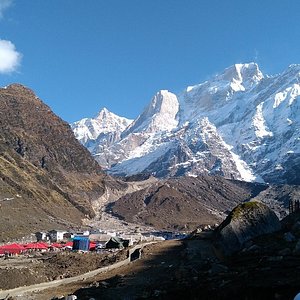
Kedarnath, one of the twelve Jyotirlingas of Lord Shiva, is a revered Hindu temple located in the Rudraprayag district of Uttarakhand. Perched at an altitude of 3,583 meters amidst the majestic Garhwal Himalayas, the temple is a significant site for devotees seeking spiritual solace. The ancient stone temple stands as a testament to architectural endurance, having withstood centuries of natural challenges. Surrounded by snow-capped peaks and glaciers, the journey to Kedarnath is often undertaken by trek, pony, or helicopter, offering breathtaking views of the pristine Himalayan landscape. The powerful spiritual aura, combined with the awe-inspiring natural surroundings, makes Kedarnath a truly transformative pilgrimage destination.
Badrinath
Badrinath, located in the Chamoli district of Uttarakhand, is one of the holiest shrines in Hinduism and a key destination of the Chardham Yatra. Situated between the Nar and Narayan mountain ranges, with the Neelkanth peak providing a dramatic backdrop, the town is home to the revered Badrinarayan Temple, dedicated to Lord Vishnu. The temple’s vibrant architecture and spiritual history attract millions of pilgrims annually. Pilgrims traditionally take a dip in the Tapt Kund, a natural thermal spring, before entering the temple. The sacred Alaknanda River flows alongside the town, enhancing its spiritual charm. Badrinath offers a profound spiritual experience amidst stunning Himalayan vistas.
Rishikesh
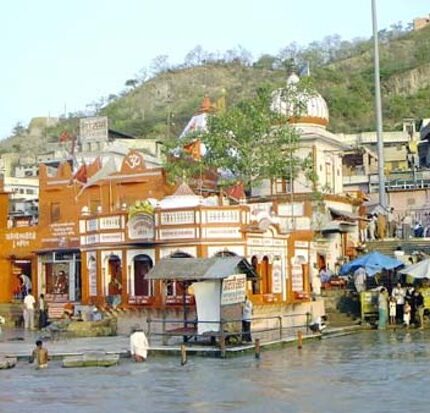
Rishikesh, nestled in the foothills of the Himalayas in Uttarakhand, is globally renowned as the ‘Yoga Capital of the World’. Situated on the banks of the sacred River Ganga, it is a significant pilgrimage town and a hub for spiritual seekers and adventure enthusiasts alike. The town is famous for its numerous ashrams, yoga and meditation centers, and iconic suspension bridges like Laxman Jhula and Ram Jhula, which offer panoramic views of the river and surrounding hills. Rishikesh is a gateway to the Garhwal Himalayas and a starting point for various treks. The serene Ganges, the evening Ganga Aarti, and the spiritual energy of the ashrams create a unique and uplifting atmosphere for visitors.
There are no reviews yet.