
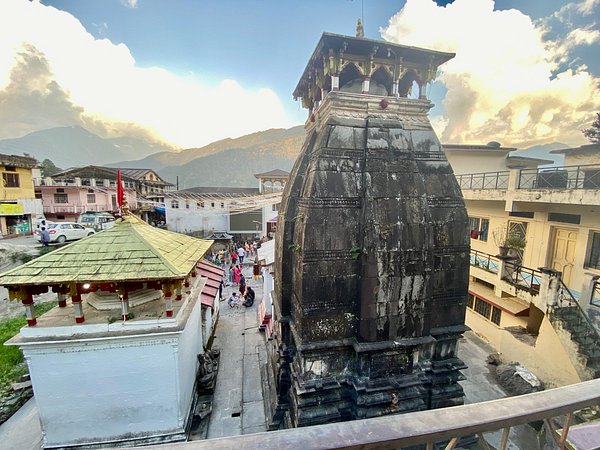
Guptkashi Kedarnath Chopta Tungnath Badrinath Tour Package 7 Days from Haridwar
- Places Covered: Guptkashi Kedarnath Chopta Tungnath Badrinath
- Tour Type: Private Tour
- Transport: Private Cab
- Customization: Available
Haridwar to Guptkashi Kedarnath Chopta Tungnath Badrinath Tour Package Itinerary
This 7-day Guptkashi Kedarnath Chopta Tungnath Badrinath tour package from Haridwar offers a profound spiritual journey combined with stunning natural exploration.
Day 1: Haridwar – Guptkashi (Approx. 220 km/8-9 hrs)
Upon arrival in Haridwar, the journey commences with a drive towards Guptkashi, a significant town en route to Kedarnath. The route is scenic, passing through charming Garhwal villages and the confluence of rivers. Stops are made at significant points such as Devprayag, where the Alaknanda and Bhagirathi rivers merge to form the holy Ganges, a revered spot for pilgrims.
- Devprayag: This sacred confluence marks the true beginning of the Ganges River. It is a place of immense religious significance, believed to be where Lord Rama performed penance. The distinct colors of the two rivers before they merge offer a captivating spectacle, drawing devotees for ritualistic dips.
Day 2: Guptkashi – Sonprayag – Kedarnath Trek (Approx. 30 km drive, 18 km trek)
An early start from Guptkashi to Sonprayag. From Sonprayag, a local jeep takes pilgrims to Gaurikund, the starting point for the Kedarnath trek. The Kedarnath trek is an exhilarating and challenging journey through lush green valleys and towering mountains, offering mesmerizing views.
- Gaurikund: The base for the Kedarnath trek, Gaurikund is known for its hot springs and the Gauri Temple. It holds mythological importance as the place where Goddess Parvati meditated to win Lord Shiva’s affection, making it a sacred prelude to the Kedarnath pilgrimage.
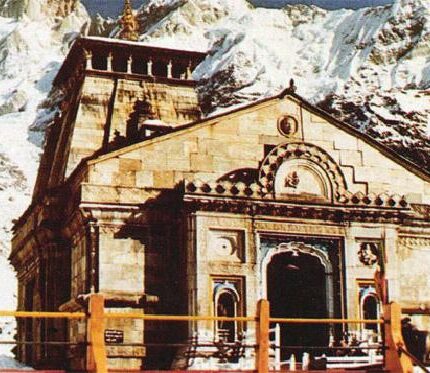
- Kedarnath Temple: Situated at an altitude of 3,583 meters, Kedarnath Temple is one of the twelve Jyotirlingas of Lord Shiva. This ancient stone temple, surrounded by snow-capped peaks, is a testament to extraordinary Hindu architecture and unwavering faith. The temple’s history dates back to Mahabharata times, with its current structure believed to have been built by Adi Shankaracharya. The rugged terrain and the spiritual energy make the pilgrimage an intensely moving experience.
Day 3: Kedarnath – Sonprayag – Guptkashi/Chopta (18 km trek, drive to Guptkashi/Chopta)
After morning prayers and darshan at Kedarnath Temple, begin the descent back to Gaurikund and then to Sonprayag. From Sonprayag, drive back towards Guptkashi or proceed towards Chopta, depending on the itinerary’s pace. The return journey allows for further absorption of the Himalayan grandeur.
Day 4: Chopta – Tungnath – Chandrashila Trek (Approx. 4-5 km trek one way)
This day is dedicated to exploring the scenic Chopta valley. Drive to the starting point of the trek for Tungnath. The Chopta region is often referred to as ‘Mini Switzerland’ due to its verdant meadows and panoramic views.
- Tungnath Temple: Perched at an elevation of 3,680 meters, Tungnath Temple is the highest Shiva temple in the world and one of the Panch Kedar. Its pristine environment, intricate stone architecture, and profound spiritual ambiance make it a captivating destination. Legends link the temple to the Pandavas, who built it to atone for their sins committed during the Mahabharata war. The trek to Tungnath is relatively moderate, offering stunning views throughout.
- Chandrashila Peak: A further 1.5 km trek from Tungnath leads to Chandrashila Peak, offering a 360-degree panoramic view of the Himalayan ranges, including Nanda Devi, Trishul, Chaukhamba, and Kedarnath. The sunrise views from Chandrashila are particularly renowned, painting the snowy peaks in golden hues.
Day 5: Chopta – Badrinath (Approx. 200 km/7-8 hrs)
Drive from Chopta towards Badrinath, another sacred Char Dham destination. The route is exceptionally scenic, passing through high mountain passes and river valleys. Upon arrival, check into the hotel and prepare for evening darshan at Badrinath Temple.
- Badrinath Temple: Dedicated to Lord Vishnu, Badrinath Temple is a major pilgrimage site and one of the holiest Hindu shrines in India. Nestled between the Nar and Narayan mountain ranges, with the Neelkanth Peak in the background, the temple’s vibrant architecture and serene location are awe-inspiring. Devotees often take a holy dip in the Tapt Kund, a natural thermal spring, before entering the temple.
- Mana Village: Situated near Badrinath, Mana Village is considered the ‘last Indian village’ before the Indo-China border. It is a treasure trove of mythological tales and natural beauty, featuring sites like Vyas Gufa, Ganesh Gufa, and the Bhim Pul. The Saraswati River, believed to flow underground for a short stretch, is also visible here.
Day 6: Badrinath – Rudraprayag (Approx. 160 km/6-7 hrs)
After morning darshan and a visit to Mana Village, begin the return journey from Badrinath towards Rudraprayag. The drive passes through several significant confluences and towns, offering more opportunities for spiritual reflection and sightseeing. Stops include Joshimath, Vishnuprayag, and Karnaprayag.
- Joshimath: A significant religious town, Joshimath is the winter seat of Lord Badrinath and home to one of the four ‘Maths’ established by Adi Shankaracharya. It serves as a gateway to several Himalayan expeditions and pilgrimage routes, including the Valley of Flowers and Hemkund Sahib.
- Rudraprayag: This holy town is the confluence of the Alaknanda and Mandakini rivers. It is named after Lord Shiva (Rudra) and is revered for its spiritual significance. The serene surroundings and the sight of the merging rivers create a tranquil atmosphere for contemplation.
Day 7: Rudraprayag – Haridwar (Approx. 165 km/6-7 hrs)
On the final day, complete the journey from Rudraprayag back to Haridwar. The drive offers a last glimpse of the beautiful Uttarakhand landscape. Upon reaching Haridwar, the tour concludes, leaving travelers with cherished memories of a profound spiritual and scenic adventure.
Kedarnath and Chopta Tungnath Sightseeing Itinerary
This section details the specific sightseeing experiences within the Kedarnath and Chopta Tungnath regions, emphasizing their unique attractions and spiritual significance.
Kedarnath: The trek to Kedarnath itself is a spiritual pilgrimage, leading to the ancient stone temple nestled amidst the majestic Garhwal Himalayas. Pilgrims immerse themselves in the divine atmosphere, witnessing the powerful worship of Lord Shiva in his aniconic form. The surrounding landscapes, including the Mandakini River, provide a backdrop of unparalleled natural beauty, making the spiritual journey also an exhilarating adventure.
Chopta: Known as the ‘Mini Switzerland of India,’ Chopta is a picturesque valley famous for its lush green meadows and temperate forests of rhododendron and deodar. It serves as the base for the Tungnath trek and offers stunning panoramic views of the Himalayan peaks. The tranquility and pristine environment make it an ideal spot for nature lovers and trekkers seeking solace away from urban life.
Tungnath: The highest Shiva temple in the world, Tungnath offers a unique blend of spiritual devotion and high-altitude trekking. The temple’s historical and mythological connections, coupled with its exquisite craftsmanship, draw devotees from all corners. From Tungnath, the views of the surrounding peaks are spectacular, particularly during sunrise and sunset.
Chandrashila: This summit, accessible via a short trek from Tungnath, provides a breathtaking 360-degree vista of prominent Himalayan ranges. It is revered for its mythological association with Lord Rama and offers an unparalleled vantage point for witnessing the grandeur of the Garhwal Himalayas. The sense of achievement upon reaching the summit is complemented by the serene beauty of the mountain panorama.
Badrinath and Devprayag Rudraprayag Sightseeing Itinerary
This segment highlights the key attractions and spiritual sites encountered during the Badrinath and return journey through Devprayag and Rudraprayag.
Badrinath: The abode of Lord Vishnu, the Badrinath Temple stands as a beacon of faith in the Garhwal Himalayas. The temple complex, with its vibrant facade and surrounding hot springs (Tapt Kund), offers a deeply spiritual experience. Beyond the temple, the pristine Alaknanda River and the towering Neelkanth Peak contribute to the sacred and awe-inspiring ambiance of this Char Dham site.
Mana Village: Situated just a few kilometers from Badrinath, Mana Village is culturally rich, known for its mythological connections to the Mahabharata. Visitors explore ancient caves like Vyas Gufa and Ganesh Gufa, where Maharishi Vyas is believed to have dictated the epic. The village’s unique location near the Tibetan border also offers a glimpse into traditional Himalayan life and craftsmanship.
Joshimath: A critical stop on the pilgrimage route, Joshimath is a spiritual hub and a gateway to several Himalayan destinations. It hosts one of the four cardinal Maths established by Adi Shankaracharya. The town’s temples, ancient trees, and panoramic views of the Dhauligiri and Nanda Devi peaks make it a significant cultural and scenic point.
Rudraprayag: This sacred confluence of the Alaknanda and Mandakini rivers is a site of profound religious importance. The town itself is named after Lord Shiva and is believed to be where Narada Muni worshipped Shiva. The serene environment at the convergence of these two powerful rivers creates a tranquil atmosphere for spiritual contemplation and appreciating nature’s majesty.
Devprayag: The most significant of the Panch Prayags, Devprayag is where the holy Bhagirathi and Alaknanda rivers unite to form the mighty Ganges. The distinct colors of the two rivers before their merger are a captivating sight. This sacred confluence holds immense religious significance, with pilgrims often performing rituals and taking holy dips, believing it purifies the soul.
3 Star Hotels in Guptkashi, Chopta, Badrinath and Rudraprayag
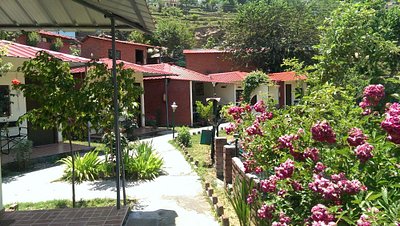
Accommodation during the tour is provided in comfortable 3-star hotels or similar category guesthouses. Properties are chosen for their cleanliness, essential amenities, and proximity to key locations, ensuring a pleasant stay after each day’s journey. Common facilities include well-appointed rooms, attached bathrooms with hot water, and attentive service. Specific hotel names will be provided upon booking confirmation, selected from reputable options in each town.
Guptkashi Kedarnath Chopta Tungnath Badrinath Package Price from Haridwar
Package price per person for the Guptkashi Kedarnath Chopta Tungnath Badrinath tour package from Haridwar:
- For 2 Adults: Rs. 26880 per person
- For 3 Adults: Rs. 21280 per person
- For 4-7 Adults (e.g., 5 Adults): Rs. 20160 per person
- For 8-10 Adults (e.g., 10 Adults): Rs. 16800 per person
- For 11-12 Adults: Rs. 15680 per person
Inclusions in Guptkashi Kedarnath Chopta Tungnath Badrinath tour package 7 days
Breakfast, all sightseeing as per itinerary, AC vehicle Dzire or Innova or Tempo Traveller as per group size, driver allowance, parking, tolls, and stay in 3star AC hotels.
Exclusions in Guptkashi Kedarnath Chopta Tungnath Badrinath Package from Haridwar
Anything not mentioned in inclusions, entry tickets, boating, guide services, personal expenses, camera fees, or meals other than breakfast.
Child Policy for Kedarnath Badrinath Tour
Child up to 6 years Free
Child 6 to 8 years Half charge
Child above 8 years Full charge
Payment Policy for Kedarnath Badrinath Tour Booking
20 percent advance at time of booking
20 percent after getting hotel booking voucher
60 percent during tour in parts
For tours between 15 Dec to 2 Jan, 50 percent advance payment required.
Cancellation Policy for Kedarnath Badrinath Tour
Minimum Rs. 3000 cancellation charge per person
10 percent or Rs. 3000 per person whichever is higher
25 percent cancellation between 46 to 30 days before departure
50 percent cancellation between 30 to 15 days before departure
75 percent cancellation between 15 to 5 days before departure
100 percent cancellation within 5 days of departure or noshow
Cancellation charges are calculated as percentage of total tour cost.
Frequently Asked Questions – Guptkashi Kedarnath Chopta Tungnath Badrinath Travel Guide
- What is the best time to visit Guptkashi Kedarnath Chopta Tungnath Badrinath?
The ideal time to undertake this tour is from May to June and again from September to October. During these months, the weather is pleasant, and the trekking routes are accessible. - Is the Kedarnath trek difficult?
The Kedarnath trek is considered moderately challenging. It is an 18 km ascent from Gaurikund. Pilgrims should prepare physically and consult a doctor before embarking on the trek. - Are there any age restrictions for the tour?
While there are no strict age restrictions, the tour involves significant travel and trekking at high altitudes. It is recommended for individuals with good physical fitness. Children and elderly persons should be accompanied and assessed for their suitability. - What kind of clothing should be packed?
Layered clothing is advisable. Pack warm jackets, sweaters, thermal wear, gloves, and caps, especially for higher altitudes like Kedarnath and Tungnath. Comfortable trekking shoes are essential. - Are medical facilities available along the route?
Basic medical facilities and first aid posts are available in major towns and along the Kedarnath trek route. However, it is advisable to carry personal medications for any specific health conditions. - Is it necessary to book accommodation in advance?
Yes, especially during peak seasons, pre-booking accommodation is highly recommended to ensure availability and secure preferred options. - What are the food options available during the tour?
Most hotels and guesthouses offer local Indian cuisine. Vegetarian food is predominantly available in the pilgrimage areas. Travelers with specific dietary requirements should inform in advance. - Is a guide required for the treks to Kedarnath and Tungnath?
While not strictly mandatory, hiring a local guide can enhance the experience by providing insights into the local culture, history, and safer navigation, especially for those unfamiliar with the terrain. - What transportation is used for the tour?
Transportation is provided by AC vehicles such as Dzire, Innova, or Tempo Traveller, depending on the group size, ensuring comfortable travel between destinations. - Are there ATMs available on the route?
ATMs are available in larger towns like Haridwar, Guptkashi, and Badrinath. However, availability can be inconsistent at higher altitudes, so carrying sufficient cash is recommended. - Can we customize the itinerary?
Customization requests can be discussed at the time of booking. Efforts are made to accommodate specific preferences, subject to feasibility and additional costs. - What precautions should be taken for high altitude sickness?
Acclimatization is crucial. Drink plenty of water, avoid strenuous activity on the first day at high altitude, and avoid alcohol. Report any symptoms like headache or nausea immediately.
Important Travel Information for Guptkashi Kedarnath Chopta Tungnath Badrinath Package
- Carry valid identification proof, such as an Aadhar card or passport, as it is required for hotel check-ins and registration at various points.
- Ensure proper physical fitness before embarking on the tour, especially for the treks to Kedarnath and Tungnath. Regular exercise prior to the trip is beneficial.
- Pack appropriate clothing for varying weather conditions, including warm layers, rain gear, and comfortable walking or trekking shoes.
- It is advisable to carry a basic medical kit with essential medicines for fever, cold, headache, pain relief, and any personal prescription drugs.
- High altitude regions can have limited network connectivity. Inform family members about potential communication challenges.
- Respect local customs and traditions, particularly in religious sites. Modest dressing is recommended when visiting temples.
- Stay hydrated by drinking plenty of water and avoid consuming alcohol or smoking at high altitudes.
- Protect skin from sun exposure by using sunscreen, sunglasses, and a hat, as UV radiation is strong at higher elevations.
- Keep the environment clean by disposing of waste responsibly and avoiding littering, especially in trekking areas.
- Confirm all booking details and carry printouts or digital copies of hotel vouchers and travel itinerary.
- Inform the tour operator about any specific medical conditions or dietary requirements in advance.
- Be prepared for potential delays or changes in the itinerary due to unforeseen circumstances like weather conditions or road blocks, as these are common in mountainous regions.
Trypdeals tour packages you might be interested in
Visit our main website for more incredible travel deals: Trypdeals Home
Explore our wide range of tour packages across various destinations: All Tours by Trypdeals
Discover the most sought-after travel destinations with Trypdeals: Top Travel Destinations
About Guptkashi
Guptkashi serves as an important stopover and a spiritual hub on the route to Kedarnath. This picturesque town, literally meaning ‘Hidden Kashi,’ is steeped in mythology, believed to be the place where Lord Shiva hid from the Pandavas. It is renowned for its ancient Vishwanath Temple and Ardhanareshwar Temple, where Lord Shiva is worshipped in his half-male, half-female form. The confluence of the Mandakini and Alaknanda rivers, just downstream, adds to its sacred ambiance. Guptkashi offers stunning views of the Chaukhamba peaks and provides essential services for pilgrims, making it a vital point for rest and spiritual preparation.
About Kedarnath
The Guptkashi Kedarnath Chopta Tungnath Badrinath tour package offers a divine journey to Kedarnath. Kedarnath, one of the twelve Jyotirlingas of Lord Shiva, is a revered pilgrimage site nestled in the Garhwal Himalayas of Uttarakhand. Perched at an altitude of 3,583 meters near the Chorabari Glacier, the ancient stone temple is a testament to unwavering faith amidst challenging natural beauty. Its history is intertwined with the Pandavas of the Mahabharata and the significant reconstruction efforts by Adi Shankaracharya. The arduous trek to Kedarnath, traversing breathtaking landscapes, culminates in a deeply spiritual experience, offering solace and connection to the divine.
About Chopta
Chopta, often dubbed the ‘Mini Switzerland of India,’ is an enchanting valley in Uttarakhand, known for its pristine natural beauty. Located at an altitude of 2,680 meters, it serves as the base for the trek to Tungnath and Chandrashila. The region is characterized by lush green meadows, dense forests of deodar and rhododendron, and panoramic views of prominent Himalayan peaks like Trishul, Nanda Devi, and Chaukhamba. It’s a haven for trekkers, bird watchers, and nature enthusiasts seeking tranquility and adventure away from the bustling crowds. Its serene environment and rich biodiversity make it a highlight of the tour.
About Tungnath
Tungnath holds the distinction of being the highest Shiva temple in the world, majestically situated at an elevation of 3,680 meters in the Rudraprayag district of Uttarakhand. It is one of the five Panch Kedar temples, deeply embedded in Hindu mythology, believed to have been built by the Pandavas. The trek to Tungnath is relatively moderate, passing through scenic alpine meadows and rhododendron forests, offering awe-inspiring views of the Garhwal Himalayas. Pilgrims visit this ancient stone temple not only for its spiritual significance but also to witness its unparalleled natural setting, often continuing to the Chandrashila peak for breathtaking panoramic views.
About Badrinath
Badrinath is a preeminent Hindu pilgrimage town and one of the four sacred Char Dham sites, located in the Garhwal Himalayas along the Alaknanda River. Dedicated to Lord Vishnu, the vibrant Badrinath Temple stands majestically against the backdrop of the Neelkanth Peak. The town’s spiritual aura is enhanced by the Tapt Kund, a natural thermal spring where pilgrims take a holy dip before entering the temple. Badrinath is not only a spiritual sanctuary but also a place of immense natural beauty, surrounded by towering mountains and tranquil valleys. Its proximity to Mana Village, the ‘last Indian village,’ adds a cultural and historical dimension to the pilgrimage.
There are no reviews yet.