
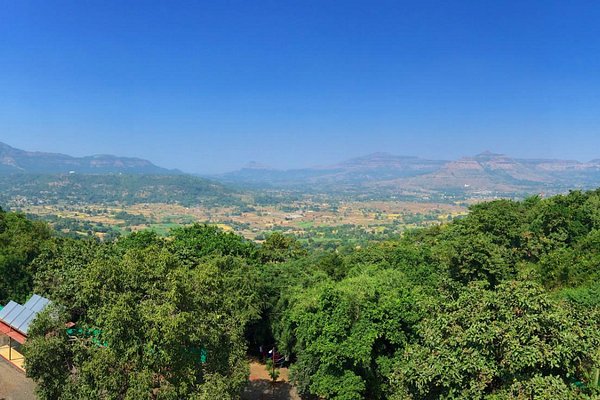
The Mulshi Tour Package 2 Days provides a tranquil retreat into the Sahyadri mountains, starting from Pune and covering the area’s most stunning natural landscapes.
The journey begins with a departure from Pune in a private air-conditioned vehicle. The route winds through scenic landscapes toward the Mulshi region. Upon arrival, the schedule focuses on the expansive dam area and local vistas.
The second day is dedicated to deeper exploration of the surrounding wilderness and hidden gems.
The itinerary concludes with a final visit to local viewpoints before the return journey. The return drive to Pune allows for stops at local markets to purchase regional produce and handicrafts. Arrival in Pune is scheduled for the evening.
The region offers several high-quality 3-star accommodations such as the Residency Lake Resort, Malhar Machi, and various boutique stays that provide modern amenities, air-conditioned rooms, and stunning views of the Sahyadri ranges.
2 Persons: Rs. 6240 per person
3 Persons: Rs. 4640 per person
4-7 Persons: Rs. 3497 per person
8-10 Persons: Rs. 3360 per person
11-12 Persons: Rs. 3040 per person
Breakfast, all sightseeing as per itinerary, AC vehicle Dzire or Innova or Tempo Traveller as per group size, driver allowance, parking, tolls, and stay in 3star AC hotels.
Anything not mentioned in inclusions, entry tickets, boating, guide services, personal expenses, camera fees, or meals other than breakfast.
Child up to 6 years Free
Child 6 to 8 years Half charge
Child above 8 years Full charge
20 percent advance at time of booking
20 percent after getting hotel booking voucher
60 percent during tour in parts
For tours between 15 Dec to 2 Jan, 50 percent advance payment required.
Minimum Rs. 3000 cancellation charge per person
10 percent or Rs. 3000 per person whichever is higher
25 percent cancellation between 46 to 30 days before departure
50 percent cancellation between 30 to 15 days before departure
75 percent cancellation between 15 to 5 days before departure
100 percent cancellation within 5 days of departure or noshow
Cancellation charges are calculated as percentage of total tour cost.
What is the best time to visit Mulshi? The monsoon season from June to September is considered the best time to witness the lush greenery.
How far is Mulshi from Pune? The destination is located approximately 50 kilometers from Pune city.
Are there ATM facilities available in Mulshi? ATM availability is limited in the immediate dam area; carrying cash is highly recommended.
Is mobile network connectivity reliable? While major networks work, connectivity can be spotty in deep ghat sections and trekking trails.
What should be carried for the trip? Rain gear, comfortable trekking shoes, and insect repellent are essential items.
Is the tour suitable for senior citizens? Yes, the itinerary is designed to be comfortable with minimal walking required for primary viewpoints.
Can the tour be customized for larger groups? The package can be adjusted for any group size with appropriate vehicle upgrades.
Are medical facilities available nearby? Basic clinics are available, but major hospitals are located back in Pune city.
Is photography allowed at the dam? Photography is generally permitted, though some sensitive areas of the dam structure may have restrictions.
What is the local language spoken? Marathi is the primary language, but Hindi and English are widely understood.
Visit our main website for more incredible travel deals: Trypdeals Home
Explore our wide range of tour packages across various destinations: All Tours by Trypdeals
Discover the most sought-after travel destinations with Trypdeals: Top Travel Destinations
Mulshi is a pristine destination located in the heart of the Sahyadri mountain range in Maharashtra. Known primarily for the Mulshi Dam and the breathtaking Mulshi Lake, it serves as a vital ecological hub and a popular weekend getaway. The region is characterized by dense forests, seasonal waterfalls, and a diverse range of flora and fauna. Historically, the area gained prominence during the construction of the dam in the early 20th century. Today, it attracts nature enthusiasts, photographers, and trekkers who seek the tranquility of the Western Ghats away from the bustling environment of nearby urban centers.