
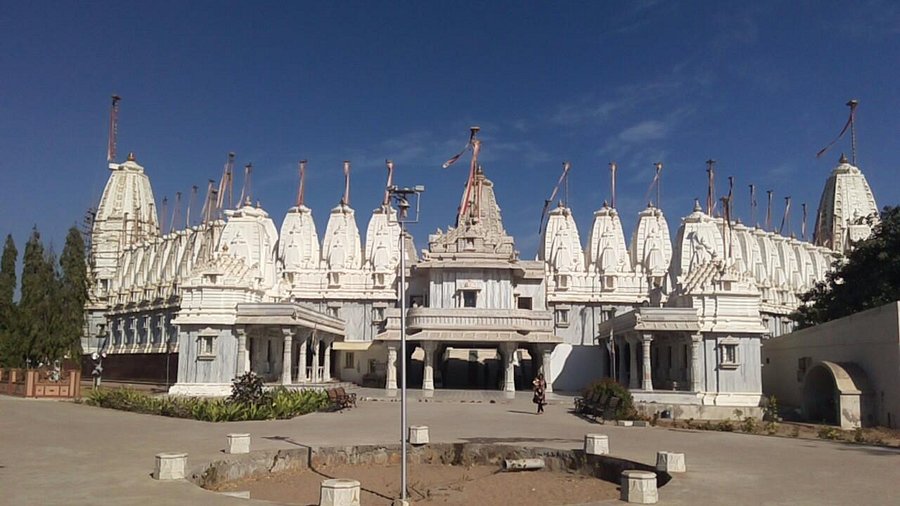
Spiritual Jain Circuit Across Central India Tour Package 12 Days 11 Nights
- Places Covered: Spiritual Jain Circuit Across Central India, #8211; 11 Nights
- Tour Type: Private Tour
- Transport: Private Cab
- Customization: Available
Book Spiritual Jain Circuit Across Central India Tour Package – 12 Days 11 Nights with hotels, cab, meals and sightseeing Get 24×7 support and instant WhatsApp assistance Lowest price guaranteed
Overview:
Spiritual Jain Circuit Across Central India, a comprehensive 12-day pilgrimage starting from Ranchi. This sacred itinerary traverses the most revered Tirthas of the Jain faith, including the pinnacle of spirituality, Sammed Shikharji, the miraculous idol at Kundalpur, and the site of Lord Mahavira’s Nirvana, Pawapuri. Experience deep cultural immersion as you visit ancient temples and serene hill shrines. This package is thoughtfully designed for families, elderly pilgrims, and spiritual groups seeking peace and devotion. Staying in comfortable budget category hotels, you will witness the architectural grandeur of central India while following the footsteps of the Tirthankaras through Jharkhand and Bihar.
Ranchi to Sammed Shikharji Tour Package Itinerary
Day 1: Ranchi Pickup and Transfer to Madhuban
-
Madhuban Town serves as the base camp for the holy Sammed Shikharji and is dotted with numerous beautiful Digambar and Shvetambara Dharamshalas and temples. The air here is filled with spiritual chants, and it is where pilgrims prepare themselves for the arduous climb ahead. It offers a peaceful environment to rest in budget category hotels before starting the mountain trek at dawn.
Day 2: Sammed Shikharji Vandana (Parshwanath Hill)
-
Sammed Shikharji is the most sacred pilgrimage site for Jains, as 20 out of the 24 Tirthankaras attained Nirvana on this holy mountain. The 27-kilometer parikrama involves visiting various “Tonks” or shrines dedicated to each Tirthankara across the rugged peaks. Reaching the final Tonk of Lord Parshwanath provides a sense of spiritual accomplishment and unmatched panoramic views of the Chotanagpur plateau.
Day 3: Madhuban to Deoghar and Lachuar
-
Lachuar Jain Temple is believed to be the birthplace of Lord Mahavira by many traditions and is located in a serene valley surrounded by hills. The ancient black stone idol of Lord Mahavira here is a major draw for devotees seeking blessings in a quiet, meditative atmosphere. It serves as a vital stop in the Jain circuit, offering a glimpse into the early life of the 24th Tirthankara.
Kundalpur and Rajgir Sightseeing Itinerary
Day 4: Lachuar to Kundalpur and Nalanda
-
Kundalpur Digambar Jain Temple is home to a massive and ancient idol of Lord Rishabhdev (Bade Baba) and is considered the birthplace of Gautam Gandhara. The temple complex is beautifully maintained and features several small shrines and a museum detailing Jain history. It is a site of many reported miracles and remains a focal point for Digambar Jain pilgrims visiting central India.
-
Nalanda University Ruins represent the remains of the world-renowned ancient Buddhist monastic university that flourished from the 5th to the 12th century. While primarily Buddhist, it was a center of learning for all Indian philosophies and is a UNESCO World Heritage site showcasing incredible brick architecture. Visitors can explore the vast classrooms, monasteries, and the famous Sariputra Stupa located within the excavated grounds.
Day 5: Rajgir Local Sightseeing
-
Vishwa Shanti Stupa is a massive white pagoda situated atop the Ratnagiri Hill in Rajgir, accessible by a scenic ropeway ride. Built by the Japanese, it symbolizes world peace and offers a breathtaking view of the five hills that surround the valley. It is a place of absolute silence and serenity, attracting tourists and pilgrims from across the globe.
-
Saptaparni Caves are located on the Vaibhara Hill and are historically significant as the site where the First Buddhist Council was held after Buddha’s Nirvana. For Jain pilgrims, these hills are also sacred as Lord Mahavira spent many monsoon retreats (Chaturmas) in the surrounding caves. The trek to the caves allows for a deeper connection with the ascetic traditions of ancient India.
Day 6: Rajgir to Pawapuri and Guniyaji
-
Pawapuri Jal Mandir is a stunning white marble temple located in the middle of a large pond filled with red lotuses, marking the site of Lord Mahavira’s Nirvana. The reflection of the temple in the water creates a celestial sight, especially during sunrise and sunset. Pilgrims visit this “Sinless City” to offer prayers at the spot where the Lord attained liberation and was cremated.
-
Guniyaji Tirth is dedicated to Lord Gautam Swami, the chief disciple of Lord Mahavira, and is located a short distance from Pawapuri. The temple is known for its peaceful ambiance and historical significance in the life of the Gandharas. It is an essential stop for devotees to complete their regional pilgrimage circuit before heading toward Gaya.
Gaya and return route Sightseeing Itinerary
Day 7: Gaya and Bodhgaya Exploration
-
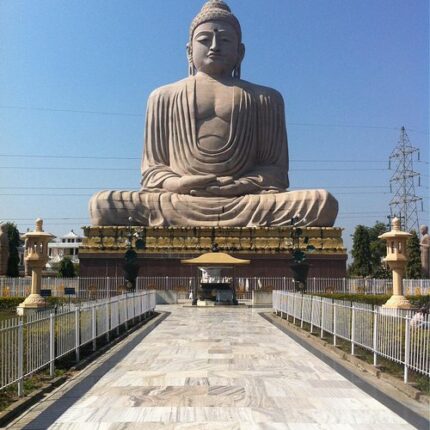
Bodh Gaya Mahabodhi Temple is the holiest site in Buddhism, marking the spot where Siddhartha Gautama attained Enlightenment under the Bodhi Tree. The towering temple architecture and the tranquil meditation gardens create a powerful spiritual energy that transcends religious boundaries. Jain pilgrims often visit this site to respect the shared heritage of the Shramana traditions of ancient Magadha.
Day 8: Gaya to Varanasi (Night Stay in Varanasi)
-
Sarnath Jain Temple is located near the famous Buddhist site and marks the birthplace of Lord Shreyansunath, the 11th Tirthankara. The temple is beautifully decorated with glasswork and murals depicting the life of the Tirthankara. It provides a quiet alternative to the bustling Ghats of Varanasi, allowing for peaceful reflection in the heart of the holy city.
Day 9: Varanasi Local and Ghats
-
Kashi Vishwanath Corridor is a grand spiritual project that connects the ancient Shiva temple directly to the banks of the Ganges. Walking through the corridor allows pilgrims to experience the architectural revival and the ancient spirit of Kashi in a clean, organized manner. The evening Ganga Aarti at Dashashwamedh Ghat is a mesmerizing spectacle of fire and chants that concludes the day beautifully.
Day 10: Varanasi to Prayagraj
-
Triveni Sangam is the sacred confluence of the three rivers—Ganges, Yamuna, and the mythical Saraswati—and is a primary site for the Kumbh Mela. Taking a boat ride to the point where the different colored waters meet is a spiritually cleansing experience for many. For Jain travelers, the nearby Rishabhdev Taposthali is a significant place of worship dedicated to the first Tirthankara.
Day 11: Prayagraj to Ayodhya
-
Ayodhya Jain Temples are of immense importance as Ayodhya is the birthplace of five Tirthankaras, including Lord Rishabhdev. Various temples across the city mark these holy sites, showcasing beautiful marble work and traditional Jain motifs. Visiting these “Janma Bhoomis” is a deeply emotional experience for devotees, connecting them to the very origins of Jainism.
Day 12: Ayodhya to Lucknow Drop
-
Lucknow Bara Imambara is a grand architectural marvel famous for its Bhulbhulaiya (labyrinth) and the massive arched hall built without any pillars. Before your departure, a visit to this historical monument provides a glimpse into the Nawabi culture and artistic heritage of Awadh. Afterward, you will be dropped at the Lucknow Airport or Railway Station for your return journey.
Read more about Sammed Shikharji on Wikipedia.
Explore the architecture of Pawapuri Jal Mandir on Tripadvisor.
Learn about the ancient Nalanda University on Wikipedia.
Check reviews for Rajgir Vishwa Shanti Stupa on Tripadvisor.
Sammed Shikharji Package Price from Ranchi
2 Adults: Rs. 44640 per person
3 Adults: Rs. 33600 per person
4–7 Adults: Rs. 25920 per person
8–10 Adults: Rs. 25920 per person
11–12 Adults: Rs. 24000 per person
For long weekend, holidays and festivals, extra charges applicable.
Inclusions in Sammed Shikharji Tour Package
Breakfast, all sightseeing as per itinerary, AC vehicle Dzire or Innova or Tempo Traveller as per group size, driver allowance, parking, tolls, and stay in 3star AC hotels.
Exclusions in Sammed Shikharji Package from Ranchi
Anything not mentioned in inclusions, entry tickets, boating, guide services, personal expenses, camera fees, or meals other than breakfast.
Child Policy for Sammed Shikharji Trip from Ranchi
Child up to 6 years Free
Child 6 to 8 years Half charge
Child above 8 years Full charge
Payment Policy for Sammed Shikharji Package Booking
20 percent advance at time of booking
20 percent after getting hotel booking voucher
60 percent during tour in parts
For tours between 15 Dec to 2 Jan, 50 percent advance payment required.
Cancellation Policy for Sammed Shikharji Tour
Minimum Rs. 3000 cancellation charge per person
10 percent or Rs. 3000 per person whichever is higher
25 percent cancellation between 45 to 30 days before departure
50 percent cancellation between 30 to 15 days before departure
75 percent cancellation between 15 to 5 days before departure
100 percent cancellation within 5 days of departure or noshow
Cancellation charges are calculated as percentage of total tour cost.
Frequently Asked Questions – Sammed Shikharji Travel Guide
Best time to visit Sammed Shikharji
The best time is from October to March when the weather is pleasant for the long mountain climb.
Weather conditions
Summers are hot and humid, monsoons make the hills slippery, while winters are cool and dry, ideal for pilgrimage.
Safety for solo travelers
The entire Jain circuit is very safe for solo travelers, with active pilgrim communities and secure budget category hotels.
Family and couple suitability
This tour is highly suitable for families, especially multi-generational groups looking for a combined spiritual and heritage experience.
Famous temples, beaches, or attractions
Key attractions include Sammed Shikharji, Pawapuri Jal Mandir, and the Mahabodhi Temple; there are no beaches in this inland circuit.
Adventure and water activities
The primary adventure is the 27km trek at Sammed Shikharji and the ropeway ride in Rajgir.
Local cuisine and food options
Sattvic Jain food is easily available at all pilgrimage stops, along with local Bihari and Awadhi vegetarian delicacies.
Ideal trip duration
A duration of 10 to 12 days is ideal to cover the major Jain Tirthas across Jharkhand, Bihar, and Uttar Pradesh comfortably.
Nearest airports and railheads
The circuit starts at Ranchi (IXR) and ends at Lucknow (LKO), with Gaya and Varanasi serving as major transit hubs.
Tips for first-time travelers
Carry comfortable walking shoes for the trek, maintain silence in temples, and stay in budget category hotels near the shrines.
Visit Jainism on Wikipedia or browse Tripadvisor Bihar for travel stories.
Explore these links to understand the deep philosophy and travel logistics associated with the Jain heartland of India.
Important Travel Information for Sammed Shikharji Package
Weather and temperature: Summer (25°C to 42°C), Winter (8°C to 24°C), Monsoon (22°C to 32°C)
What to wear: Modest cotton clothing, white clothes for temples, and warm layers for winter mornings
Travel safety and local culture: Respect the non-violence (Ahimsa) ethos; photography may be restricted in some inner sanctums
Dos and Don’ts: Do carry a walking stick for Shikharji; Don’t carry leather items or non-vegetarian food into Tirtha areas
Mobile connectivity and ATMs: Good connectivity in major towns; limited signal on the Shikharji mountain top
Basic local etiquette and language tips: Hindi is the primary language; use “Jai Jinendra” as a common greeting in Jain circles
Refer to Bihar Tourism Official or Jharkhand Tourism NIC for updates.
These official government portals provide the latest information on pilgrim facilities, road conditions, and temple timings.
Trypdeals tour packages you might be interested in
Explore our range of spiritual tours at Trypdeals Official Website
Browse all our current travel offerings at Trypdeals Tours
Check out the most popular routes at Top Travel Destinations by Trypdeals
Sammed Shikharji
Sammed Shikharji, located on the Parasnath Hills in Jharkhand, is the most revered “Siddha Kshetra” for both Digambar and Shvetambara Jains. It is the place where twenty Tirthankaras attained salvation, making every pebble on this hill sacred to devotees. The trek to the summit is a journey of faith, often undertaken barefoot by the devout. The mountain is home to beautiful Tonks (shrines) that represent the footprint of each Tirthankara. The spiritual energy and the panoramic views of the surrounding forests make it a profound destination for meditation and religious fulfillment.
Rajgir
Rajgir, the ancient capital of the Magadha Empire, is a city of immense historical and religious significance for Jains, Buddhists, and Hindus alike. Lord Mahavira spent fourteen monsoon seasons here, and it is the site of many important events in early Jain history. The city is famous for its natural hot springs (Brahmakund) and the five hills that create a protective valley. From the modern Peace Pagoda to the ancient cyclopean walls, Rajgir offers a fascinating blend of archaeology and spirituality. Its tranquil environment and well-developed pilgrim infrastructure make it a vital stop in the Central India circuit.
Pawapuri
Pawapuri, also known as Apapuri or the “sinless city,” is a major holy site in the Nalanda district of Bihar. It is the place where Lord Mahavira, the last Tirthankara, attained Nirvana and was cremated in 527 BCE. The Jal Mandir, a spectacular marble temple built in the middle of a large lotus pond, marks the exact spot of his cremation. It is said that the demand for his ashes was so great that a large amount of soil was removed from the spot, creating the pond that surrounds the temple today. Pawapuri remains a symbol of peace and liberation for Jain pilgrims worldwide.
There are no reviews yet.