
Sri Padaleeswarar Temple, Chidambaram
Overview
- •Sri Padaleeswarar Temple, also known as Pataleeswarar Temple, is a serene Hindu shrine dedicated to Lord Shiva, located in the town of Thirupathiripuliyur, Cuddalore, about 39.3 km from Chidambaram.
- •This ancient temple, built during the Pallava and Medieval Chola periods, offers visitors a glimpse into the region's rich architectural and spiritual heritage.
- •Its tranquil atmosphere and historical significance make it a worthwhile stop for pilgrims and history enthusiasts alike.
Highlights
- Ancient Pallava and Chola-era architecture
- Serene, less-crowded atmosphere for peaceful darshan
- Historical significance as a regional Shiva shrine
- Proximity to Chidambaram, allowing combined pilgrimage itineraries
Religious Significance
The temple is significant as a surviving example of Pallava and Medieval Chola temple architecture in the Cuddalore region. It holds religious importance for devotees of Lord Shiva, who come to worship the presiding deity, Padaleeswarar. The temple's history and its connection to the local Chola-era religious practices add to its cultural value, though it remains a relatively modest and peaceful pilgrimage site.
Dress Code
Traditional and modest attire is recommended, as is customary in most Hindu temples in Tamil Nadu.
Facilities
Basic facilities only, including a small temple tank (if present) and limited seating areas. Restrooms may not be available; visitors are advised to plan accordingly.
Rituals
- •Daily rituals include abhishekam (ritual bathing of the deity) and various aartis (offerings of light) conducted by the temple priests.
- •Special pujas are performed on auspicious days like Pradosham and full moon days, attracting local devotees.
Festivals
- •Mahashivaratri is the most prominent festival celebrated here, with special abhishekams and night-long prayers.
- •Other Tamil month festivals, such as Aadi Pooram and Panguni Uthiram, are also observed with devotion, though on a modest scale.
Darshan Guide
- •Visitors can have darshan of the main deity throughout the day, with special pujas performed at key times.
- •The temple is generally less crowded than major pilgrimage centers, allowing for a peaceful and unhurried visit.
- •Photography may be restricted inside the sanctum; it is best to check with the temple authorities.
Rituals
- •Daily rituals include abhishekam (ritual bathing of the deity) and various aartis (offerings of light) conducted by the temple priests.
- •Special pujas are performed on auspicious days like Pradosham and full moon days, attracting local devotees.
History
- •The temple was constructed during the Pallava period and later expanded or renovated during the Medieval Chola period, as evidenced by its architectural features.
- •While specific historical records are sparse, the temple's structure reflects the evolution of South Indian temple design over several centuries.
- •It stands as a testament to the enduring devotion and craftsmanship of the Pallava and Chola dynasties in the Tamil region.
Architecture
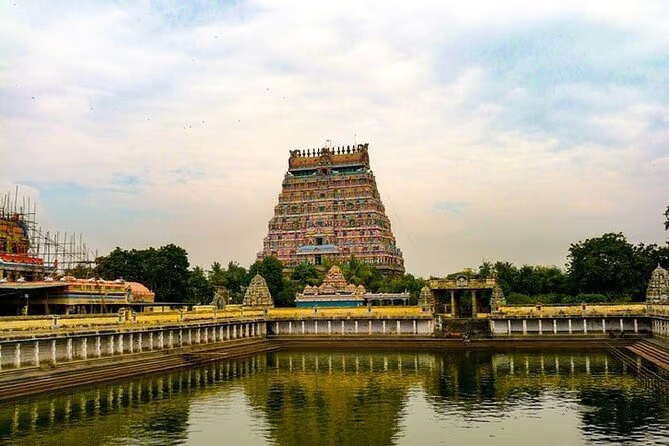
- •The temple showcases classic Dravidian architecture with stone walls, a sanctum, and a modest gopuram (tower) typical of Pallava and Chola styles.
- •The vimana (tower above the sanctum) and pillared halls exhibit intricate carvings and mouldings that reflect the period's craftsmanship.
- •The use of granite and the layout follow traditional temple construction norms of the era.
Temple Layout
- •The temple complex includes a main sanctum dedicated to Lord Shiva as Padaleeswarar, along with a separate shrine for Goddess Parvati (often referred to as Periyanayaki or similar).
- •The layout features a prakara (circumambulatory path) and a mandapa (hall) for devotees to gather.
- •A sacred tree or well may also be present, common in many Shiva temples of the region.
Travel Tips
- Combine your visit with nearby attractions in Cuddalore or Chidambaram to make the most of your trip.
- Carry drinking water and a hat, as the temple may have limited shade and amenities.
- Respect local customs by removing footwear before entering the inner sanctum and maintaining silence during pujas.
Frequently Asked Questions
The temple dates back to the Pallava period and was further developed during the Medieval Chola period, making it an important example of early South Indian temple architecture. It reflects the religious and cultural patronage of these dynasties in the Cuddalore region. While not as grand as major temples, it offers valuable insight into the region's medieval history.
The temple is located approximately 39.3 kilometers from Chidambaram, in the town of Thirupathiripuliyur, Cuddalore. You can reach it by taxi, private vehicle, or local bus from Chidambaram. The journey takes about an hour, depending on traffic and road conditions.
Yes, Mahashivaratri is the major festival celebrated with special pujas and offerings. Daily rituals include abhishekam and aarti, and Pradosham (a bi-monthly auspicious day for Shiva worship) is also observed. Visitors are welcome to participate, but it is advisable to check local schedules for exact timings.
Quick Information
Best Time
The best time to visit is from October to March when the weather is cooler and more comfortable for temple exploration.
Timings
6:00 AM - 12:00 PM, 4:00 PM - 8:00 PM
Entry Fee
Free
Related Topics
Tour Packages for Chidambaram




Explore More of Chidambaram
Destination Hub
Chidambaram OverviewSpiritual & Temple Guides
Places to Explore
Discover attraction
Discover attraction
Discover attraction
Discover attraction
Discover attraction
Discover attraction
Discover attraction
Discover attraction
Discover attraction
Discover attraction
Discover attraction
Discover attraction
Discover attraction
Discover attraction
Discover attraction
Discover attraction
Discover attraction
Discover attraction
Discover attraction
Discover attraction
Discover attraction
Discover attraction
Discover attraction
Discover attraction
Discover attraction
Discover attraction
Discover attraction
Discover attraction
Discover attraction
Discover attraction
Discover attraction
Discover attraction
Discover attraction
Discover attraction
Discover attraction