
Odisha · Puri
Puri
Puri, on the Bay of Bengal in Odisha, is one of Hinduism's holiest cities, home to the majestic Jagannath Temple and the spectacular Rath Yatra. A vibrant coastal town where ancient rituals, daily temple life, and the rhythm of the sea converge, Puri offers a deeply immersive spiritual and cultural experience.
Puri at a Glance
Why Puri?
The highlights, landmarks and experiences that make this destination worth visiting.
- Spiritual Significance
- Architectural Marvel
- Rath Yatra Spectacle
- Mahaprasad
- Beach and Nature
- Cultural Immersion
Puri at a Glance
Essential travel information to understand Puri before planning your visit.
Can be combined with
Explore Puri
Places to Visit
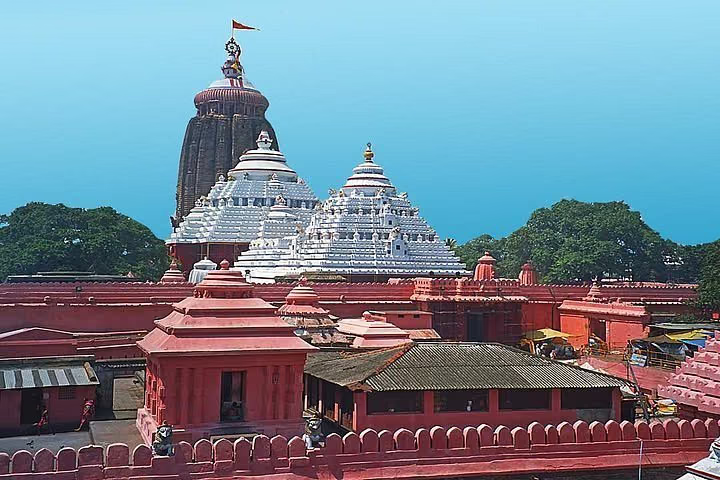
- Jagannath Temple: One of the four Char Dham pilgrimage sites, this 12th-century temple (built by King Anantavarman Chodaganga Deva) houses the distinctive wooden deities of Lord Jagannath, Balabhadra, and Subhadra. Its 65-meter shikhara is topped by the Nila Chakra and a flag that is changed daily. Note that non-Hindus are traditionally not permitted inside the main sanctum.
- Gundicha Temple: Known as the 'birthplace' or aunt's home of Lord Jagannath, this temple is the destination of the deities during the annual Rath Yatra. Located about 3 km from the main Jagannath Temple, it is a significant pilgrimage site in its own right, especially during the chariot festival.
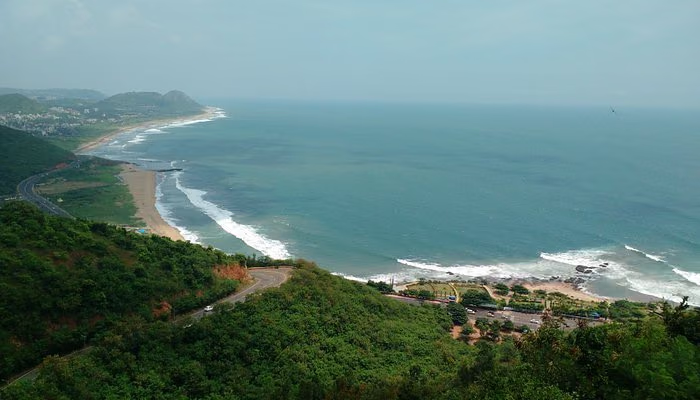
- Puri Beach (Golden Beach): A wide, golden-sand beach along the Bay of Bengal, adjacent to the town of Puri. It is famous for its spectacular sunrise views and the traditional wooden fishing boats of the local Nolia fishermen, which add a colorful, cultural touch to the shore.
- Ananda Bazaar (Temple Kitchen): The massive kitchen of the Jagannath Temple, also known as Rosaghara, is one of the largest in the world. It prepares Mahaprasad for tens of thousands of devotees daily, using traditional clay-pot cooking methods over wood fire. Visitors can purchase and taste the sacred food from the Ananda Bazaar area.
- Chilika Lake: India's largest coastal lagoon and a major bird sanctuary, located a short drive from Puri. The lake is home to the famous Irrawaddy dolphins and hosts thousands of migratory birds in winter. Boat rides offer a chance to explore its serene waters and the picturesque islands like Kalijai.
- Chakra Tirtha: A sacred bathing spot on the beach near the Jagannath Temple, believed to be where the Sudarshana Chakra (divine discus) rested after being brought here by a devotee. It is considered holy for ritual bathing, especially during solar eclipses and other auspicious occasions. The site offers a serene view of the sea and the temple's distant silhouette.
Things to Do
- Visit the Jagannath Temple (from outside): Admire the majestic temple architecture and the Nila Chakra from the viewing platform. Learn about its history and significance from local guides.
- Witness the Rath Yatra: If visiting in June/July, join the millions of devotees pulling the colossal chariots. This once-in-a-lifetime experience is the highlight of Puri's calendar.
- Savor Mahaprasad: Partake in the sacred temple food, available at the Ananda Bazaar or through authorized outlets. It is considered a blessing and a culinary delight.
- Sunrise at Puri Beach: Wake up early to watch the sun rise over the Bay of Bengal, while local fishermen launch their traditional boats. The beach is also ideal for evening strolls.
- Explore Gundicha Temple: Visit the temple where the deities reside during Rath Yatra. It is a peaceful site, less crowded than the main temple, and rich in legend.
- Day Trip to Chilika Lake: Drive to Asia's largest brackish water lagoon, a haven for migratory birds and home to the Irrawaddy dolphins. Enjoy a boat ride and visit the island temples.
Sightseeing Places
- Jagannath Temple: One of the four Char Dham pilgrimage sites, this 12th-century temple (built by King Anantavarman Chodaganga Deva) houses the distinctive wooden deities of Lord Jagannath, Balabhadra, and Subhadra. Its 65-meter shikhara is topped by the Nila Chakra and a flag that is changed daily. Note that non-Hindus are traditionally not permitted inside the main sanctum.
- Gundicha Temple: Known as the 'birthplace' or aunt's home of Lord Jagannath, this temple is the destination of the deities during the annual Rath Yatra. Located about 3 km from the main Jagannath Temple, it is a significant pilgrimage site in its own right, especially during the chariot festival.
- Puri Beach (Golden Beach): A wide, golden-sand beach along the Bay of Bengal, adjacent to the town of Puri. It is famous for its spectacular sunrise views and the traditional wooden fishing boats of the local Nolia fishermen, which add a colorful, cultural touch to the shore.
- Ananda Bazaar (Temple Kitchen): The massive kitchen of the Jagannath Temple, also known as Rosaghara, is one of the largest in the world. It prepares Mahaprasad for tens of thousands of devotees daily, using traditional clay-pot cooking methods over wood fire. Visitors can purchase and taste the sacred food from the Ananda Bazaar area.
- Chilika Lake: India's largest coastal lagoon and a major bird sanctuary, located a short drive from Puri. The lake is home to the famous Irrawaddy dolphins and hosts thousands of migratory birds in winter. Boat rides offer a chance to explore its serene waters and the picturesque islands like Kalijai.
- Chakra Tirtha: A sacred bathing spot on the beach near the Jagannath Temple, believed to be where the Sudarshana Chakra (divine discus) rested after being brought here by a devotee. It is considered holy for ritual bathing, especially during solar eclipses and other auspicious occasions. The site offers a serene view of the sea and the temple's distant silhouette.
Temples
- Jagannath Temple: One of the four Char Dham pilgrimage sites, this 12th-century temple (built by King Anantavarman Chodaganga Deva) houses the distinctive wooden deities of Lord Jagannath, Balabhadra, and Subhadra. Its 65-meter shikhara is topped by the Nila Chakra and a flag that is changed daily. Note that non-Hindus are traditionally not permitted inside the main sanctum.
- Gundicha Temple: Known as the 'birthplace' or aunt's home of Lord Jagannath, this temple is the destination of the deities during the annual Rath Yatra. Located about 3 km from the main Jagannath Temple, it is a significant pilgrimage site in its own right, especially during the chariot festival.
- Ananda Bazaar (Temple Kitchen): The massive kitchen of the Jagannath Temple, also known as Rosaghara, is one of the largest in the world. It prepares Mahaprasad for tens of thousands of devotees daily, using traditional clay-pot cooking methods over wood fire. Visitors can purchase and taste the sacred food from the Ananda Bazaar area.
- Markandeshwar Temple: An ancient Shiva temple located near the Swargadwar cremation ground in Puri. It is associated with the sage Markandeya and is considered one of the important temples in the town. The temple's architecture reflects the Kalinga style and it is a peaceful spot for spiritual reflection.
- Sun Temple, Konark: A UNESCO World Heritage Site located about 35 km from Puri, this 13th-century temple is a masterpiece of Odisha's Kalinga architecture. Designed as a colossal chariot of the Sun God with 24 carved wheels and seven horses, it is a must-visit for history and architecture enthusiasts. The temple is partially in ruins but the intricate stone carvings remain breathtaking.
Places That Define Puri
Explore the most iconic landmarks and sacred sites.
Jagannath Temple
2-3 hours
Gundicha Temple
1-2 hours
Puri Beach (Golden Beach)
1-2 hours
Ananda Bazaar (Temple Kitchen)
30 minutes to 1 hour (for viewing and purchasing prasad)
Chilika Lake
Half-day to full-day trip
Chakra Tirtha
30 minutes to 1 hour
Sudarshan Craft Museum
1-2 hours
Markandeshwar Temple
30 minutes
Sun Temple, Konark
2-3 hours (including travel from Puri)
Explore Destination on Map
Discover all sub-destinations, routes and detailed navigation information on an interactive map.
Explore Puri on Map
Open the destination map to discover attractions and routes.
Plan Your Trip
Plan Your Way
- When to Visit: Choose the cool, dry season for comfort, or time your trip around the spectacular Rath Yatra for a once-in-a-lifetime festival experience.
- Getting Around: Puri is compact and walkable, but auto-rickshaws, cycle rickshaws, and taxis are readily available for longer trips.
- Budget & Practical Tips: Plan for modest costs, respect temple rules, and savor the unique Mahaprasad experience.
All Itineraries
- 1 Day in Puri: 1 days with detailed day plans
- 2 Days in Puri: 2 days with detailed day plans
- Golden Triangle of Odisha (Puri-Konark-Bhubaneswar): 3 days with detailed day plans
- Puri Rath Yatra Special: 3 days with detailed day plans
How to Reach
- By Air: The nearest airport is Biju Patnaik International Airport in Bhubaneswar, about 60 km away. From the airport, you can take a taxi or bus to Puri, a journey of roughly 2 hours. Several airlines connect Bhubaneswar to Delhi, Mumbai, Kolkata, and other cities.
- By Train: Puri has its own railway station, Puri Junction, well-connected to major cities like Kolkata, Delhi, Mumbai, and Chennai. Several express and superfast trains, including the Puri-Howrah and Puri-New Delhi routes, serve the station. The station is about 2 km from the Jagannath Temple, easily reachable by auto-rickshaw.
- By Road: Puri is well-connected by road to major cities in Odisha and neighboring states. National Highway 316 (NH316) links Puri to Bhubaneswar and beyond. State-run and private buses, as well as taxis, operate regularly.
Best Time to Visit
- Winter (November to February): Cool, dry, and pleasant weather with clear skies. Ideal for sightseeing and beach activities.
- Summer (March to May): Hot and humid with temperatures rising up to 33°C. Occasional pre-monsoon showers offer little relief.
- Monsoon (June to September): Heavy rainfall, especially in July and August, with high humidity. The sea is rough and beach activities are unsafe.
- Post-Monsoon (October): Transitional month with decreasing rain and improving weather. Humidity remains but conditions are more manageable.
Weather
- Summer: Hot and humid with temperatures rising up to 34°C. Sea breeze offers some relief, but the heat can be intense.
- Monsoon: Heavy rainfall, especially in July and August, with high humidity. The region receives the bulk of its annual precipitation during this time.
- Post-Monsoon: Rainfall decreases but occasional showers continue. Humidity remains high, and temperatures start to cool down.
- Winter: Mild and pleasant with cool evenings and mornings. This is the most comfortable time to visit Puri.
Travel Tips
- Dress Modestly: As a pilgrimage town, it is respectful to wear conservative clothing, especially when visiting temples. Remove footwear before entering sacred areas.
- Plan for Rath Yatra: If attending the festival, book accommodation months in advance and expect extreme crowds. Keep your belongings secure and stay hydrated.
- Respect Temple Rules: Observe the restrictions on non-Hindus and photography inside the temple. Follow local customs and avoid disrupting rituals.
- Try Local Cuisine: Beyond Mahaprasad, Puri offers delicious Odia food. Sample the local seafood and sweets like 'chhena poda' at reputable eateries.
- Hire a Local Guide: A knowledgeable guide can enrich your understanding of the temple's history and rituals, and help navigate the bustling streets.
Local Transport
- Auto-Rickshaw: Auto-rickshaws are the most common and flexible mode of local transport in Puri. They are ideal for short distances within the town, such as from the railway station to the Jagannath Temple or to Puri Beach. Fares are negotiable, so agree on a price before starting your journey.
- Cycle-Rickshaw: Cycle-rickshaws are a slower, eco-friendly option for short trips, especially in the crowded lanes near the Jagannath Temple. They are best for exploring the bazaars and getting a closer look at local life.
- Taxi / Cab: Taxis and app-based cabs (like Ola and Uber, though limited) are available for more comfortable and longer journeys, such as to Chilika Lake or the Konark Sun Temple. They are also a good option for families or groups.
- Walking: Many of Puri's key sites are within walking distance of each other, especially the temple, the beach, and the local markets. Walking is the best way to soak in the spiritual atmosphere and observe daily rituals.
Suggested Itinerary
Choose the perfect duration for your Puri trip.
Spiritual & Religious
Char Dham Significance
- Summary: Puri, on the eastern coast of Odisha, is one of the four sacred Char Dham pilgrimage sites of Hinduism, home to the revered Jagannath Temple. Dedicated to Lord Jagannath, a form of Krishna/Vishnu, the temple is famed for its unique wooden deities, the colossal annual Rath Yatra, and its massive kitchen. As a distinct Char Dham site, Puri offers a profound spiritual experience rooted in the worship of Jagannath, Balabhadra, and Subhadra, set against the backdrop of the Bay of Bengal.
- Overview: Puri is a coastal town in the Indian state of Odisha, situated on the shores of the Bay of Bengal. It is one of the four Char Dham pilgrimage sites, alongside Badrinath in the north, Dwarka in the west, and Rameshwaram in the south. The town is synonymous with the Jagannath Temple, a majestic 12th-century structure built by King Anantavarman Chodaganga Deva of the Ganga dynasty. The temple's towering shikhara (spire) reaches about 65 meters and is crowned with the Nila Chakra, a sacred discus of Vishnu, and a flag that is ceremonially changed every day. Unlike other Char Dham temples, the deities here are not conventional stone idols but distinctive wooden, painted forms of Lord Jagannath, his brother Balabhadra, and sister Subhadra. Puri is also one of Hinduism's Sapta Puri, the seven holiest cities. The town's spiritual life centers on the temple, but it also embraces the beach, with the Golden Beach offering sunrise views and the traditional Nolia fishermen's boats. The annual Rath Yatra, when the three deities are pulled on massive wooden chariots to the Gundicha Temple about 3 km away, is one of the largest religious processions in the world. The temple's kitchen, known as the Ananda Bazaar or Rosaghara, is one of the largest in the world, preparing Mahaprasad for tens of thousands of devotees daily using traditional clay-pot cooking. Notably, non-Hindus are traditionally not permitted inside the main sanctum of the Jagannath Temple, a restriction that distinguishes Puri from most other Char Dham sites. Nearby, Chilika Lake, India's largest coastal lagoon and a major bird sanctuary, lies a short drive away, adding to the region's natural allure.
- Puri In Char Dham: Puri holds a unique place in the Char Dham circuit as the easternmost site, dedicated to Lord Jagannath, a form of Krishna/Vishnu. Unlike the other Char Dham temples, the deities here are made of wood and are replaced every twelve years in a sacred ritual. Puri is also the only Char Dham site where non-Hindus are traditionally not permitted inside the main sanctum, adding to its distinct identity. The town's spiritual significance is amplified by the annual Rath Yatra, which draws millions of devotees, and its massive kitchen that feeds thousands daily, making it a living center of devotion and tradition.
Jagannath Cult & Legend
- Summary: The Jagannath cult, centered on the 12th-century Jagannath Temple in Puri, Odisha, is a unique and deeply symbolic tradition of Hinduism. It venerates Lord Jagannath (Krishna/Vishnu) alongside his siblings Balabhadra and Subhadra as distinctive wooden, painted deities, a practice that diverges from conventional stone idol worship. The cult is celebrated globally for its grand Rath Yatra, its massive temple kitchen, and its profound theological and ritualistic depth, making Puri a premier Char Dham and Sapta Puri pilgrimage site.
- Overview: Puri, a coastal town on the Bay of Bengal, is one of Hinduism's holiest cities and a key Char Dham pilgrimage destination. Its Jagannath Temple, built in the 12th century under King Anantavarman Chodaganga Deva of the Ganga dynasty, stands as a monumental architectural and spiritual landmark. The temple's 65-meter shikhara, topped with the Nila Chakra and a daily-changed flag, dominates the skyline. The cult's core revolves around the triad of deities—Jagannath, Balabhadra, and Subhadra—who are worshipped as wooden icons, a practice unique among major Hindu temples. The annual Rath Yatra, where the deities are paraded on massive wooden chariots, is one of the world's largest religious processions. The temple's kitchen, Ananda Bazaar, prepares Mahaprasad for tens of thousands daily using traditional clay-pot methods. While non-Hindus are traditionally not permitted inside the main temple sanctum, the town and its festivals welcome all, and nearby attractions like Puri Beach and Chilika Lake enrich the pilgrimage experience.
- Origin Legend: According to legend, King Indradyumna, a devout ruler, was instructed in a dream to build a temple for a wooden form of Vishnu. He found a floating log of neem wood on the sea at Puri, from which Vishwakarma, the divine architect, was tasked to carve the deities. However, Vishwakarma insisted on working in complete seclusion, and when the impatient king opened the door prematurely, the carvings were left unfinished—with the deities appearing as rudimentary, armless forms. This incomplete form became the iconic, abstract representation of Jagannath, symbolizing the ineffable and formless nature of the divine. Another legend links the wooden deities to the worship of the tribal god Nilamadhava, later assimilated into the Vaishnava fold.
Rath Yatra Guide
- Summary: The Puri Rath Yatra is one of the world's largest religious processions, held annually in Puri, Odisha, India. It celebrates the journey of Lord Jagannath (a form of Krishna/Vishnu), his elder brother Balabhadra, and sister Subhadra from their home in the 12th-century Jagannath Temple to the Gundicha Temple, about 3 km away. The deities, carved from wood and painted, are placed on three massive, colorfully decorated chariots and pulled by thousands of devotees through the streets. This festival, steeped in tradition and devotion, is a profound spiritual experience, though it requires careful planning due to massive crowds.
- Overview: Puri is one of the four Char Dham pilgrimage sites and one of Hinduism's Sapta Puri. The Jagannath Temple, built in the 12th century under King Anantavarman Chodaganga Deva, features a 65-meter-tall shikhara topped with the Nila Chakra and a daily-changed flag. The temple's kitchen, Ananda Bazaar, is among the largest in the world, preparing Mahaprasad for tens of thousands daily using traditional clay-pot methods. Non-Hindus are traditionally not permitted inside the main temple sanctum, a unique restriction among Char Dham sites. The nearby Puri Beach along the Bay of Bengal offers scenic sunrise views, and Chilika Lake, India's largest coastal lagoon, is a short drive away.
- Chariots Details: Each deity travels on a separate, towering wooden chariot. Lord Jagannath's chariot, called Nandighosa, is 45 feet high with 16 wheels and is covered in red and yellow cloth. Balabhadra's chariot, Taladhwaja, is 44 feet high with 14 wheels and features red and blue cloth. Subhadra's chariot, Devadalana, is 43 feet high with 12 wheels and is draped in red and black. These chariots are newly constructed each year from specific wood and are pulled by devotees using long ropes.
Temple Guide
- Overview: The Jagannath Temple in Puri, Odisha, is one of the most sacred Hindu pilgrimage sites in India and a cornerstone of the Char Dham Yatra. Dedicated to Lord Jagannath (an incarnation of Vishnu/Krishna) along with his siblings Balabhadra and Subhadra, the temple is renowned for its unique wooden deities, colossal annual Rath Yatra, and its massive kitchen that feeds thousands daily. The towering 65-meter shikhara, topped with the Nila Chakra, dominates the skyline of Puri, a town that blends deep spirituality with the serene beauty of the Bay of Bengal. While non-Hindus are traditionally not permitted inside the main sanctum, the temple's grandeur and the vibrant atmosphere of its precincts draw pilgrims and curious travelers alike from around the world.
- History: The present Jagannath Temple was constructed in the 12th century under the patronage of Anantavarman Chodaganga Deva of the Eastern Ganga dynasty. However, the worship of Jagannath as a wooden deity predates the current structure, with references in ancient texts like the Skanda Purana. The temple has survived numerous invasions and has been renovated and maintained by successive dynasties, including the Gajapati kings of Odisha, who still play a ceremonial role in temple rituals. The temple's history is intertwined with the Bhakti movement and the propagation of Vaishnavism, and it has long been a center of Odia culture and religious life. The unique practice of replacing the wooden deities every 12 or 19 years (Nabakalevara) is an ancient tradition that continues to this day.
- Architecture: The Jagannath Temple is a masterpiece of Kalinga (Odisha) architecture. The main structure, the Vimana (sanctum tower), rises to about 65 meters and is crowned by the Nila Chakra, a massive discus made of an alloy of eight metals, and a flag that is changed daily. The temple complex includes the Jagamohana (assembly hall), the Nata Mandira (festival hall), and the Bhoga Mandapa (offering hall), all adorned with intricate carvings of deities, mythical creatures, and floral motifs. The walls are covered with sculptures depicting scenes from the Ramayana, Mahabharata, and Bhagavata Purana. The temple's kitchen, known as the Ananda Bazaar or Rosaghara, is a functional architectural marvel where food is cooked in clay pots stacked in tiers over wood fires, a method that imparts a unique flavor. The temple's main entrance, the Singhadwara (Lion's Gate), is flanked by two massive lion statues and a pillar (Aruna Stambha) originally from the Sun Temple at Konark.
Religious Significance
- Summary: Puri, a coastal town in Odisha, India, is one of Hinduism's most sacred pilgrimage sites, renowned as the abode of Lord Jagannath, a form of Krishna/Vishnu. It is a key Char Dham and Sapta Puri destination, famous for its majestic 12th-century Jagannath Temple, the grand Rath Yatra chariot festival, and its unique tradition of wooden deities. The town blends deep spiritual heritage with the serene beauty of the Bay of Bengal, offering pilgrims and travelers a profound experience of devotion, culture, and tradition.
- Famous For: Puri is world-famous for the Jagannath Temple, one of the four Char Dham pilgrimage sites, and its annual Rath Yatra (Chariot Festival), one of the largest religious processions globally. The temple's distinctive wooden deities, massive kitchen (Ananda Bazaar), and the towering Nila Chakra (Vishnu's discus) are iconic. The adjacent Puri Beach, with its golden sands and traditional Nolia fishing boats, adds to its appeal.
- Overview: Puri, located on the eastern coast of India in Odisha, is a town synonymous with spiritual devotion and cultural heritage. Its heart is the Jagannath Temple, a monumental 12th-century structure built under the Ganga dynasty king Anantavarman Chodaganga Deva. The temple enshrines Lord Jagannath, along with his siblings Balabhadra and Subhadra, as unique wooden, painted deities—unlike conventional stone idols. The temple's 65-meter-high shikhara, topped with the Nila Chakra and a daily-changing flag, dominates the skyline. Puri is a living center of Vaishnavism, drawing millions of pilgrims annually, especially during the Rath Yatra, when the deities are pulled on massive wooden chariots. Beyond the temple, Puri offers a tranquil beach experience, and nearby Chilika Lake, India's largest coastal lagoon, adds natural splendor.
Festivals
- Overview: Puri, on the eastern coast of Odisha, is one of Hinduism's holiest cities and a key Char Dham pilgrimage site. Its spiritual heart is the 12th-century Jagannath Temple, home to the distinctive wooden deities Lord Jagannath, Balabhadra, and Subhadra. The town is famous for its grand annual Rath Yatra, the world's largest chariot procession, and a vibrant festival calendar that fills the streets with devotion, color, and community. The adjacent Golden Beach on the Bay of Bengal and nearby Chilika Lake add natural beauty to the sacred experience.
- Best Time: The best time to visit Puri for festivals is from October to March, when the weather is pleasant. However, for the famous Rath Yatra, you must come in June–July, despite the heat and crowds. For a balance of good weather and fewer crowds, consider visiting during Kartik Purnima (November) or the winter months.
History
- Summary: Puri, on the eastern coast of India in Odisha, is one of Hinduism's holiest cities and a key Char Dham pilgrimage site. Its spiritual heart is the Jagannath Temple, a 12th-century marvel built by the Ganga dynasty, enshrining the wooden deities Jagannath, Balabhadra, and Subhadra. The city is globally renowned for the Rath Yatra, a colossal chariot festival, and its temple kitchen, one of the world's largest. Puri's history spans ancient legends, medieval dynastic patronage, colonial-era governance, and modern pilgrimage tourism, all centered on the living tradition of Lord Jagannath.
- Overview: Puri is a coastal town in Odisha, India, on the Bay of Bengal, synonymous with the Jagannath Temple. It is one of the four Char Dham sites (with Badrinath, Dwarka, and Rameshwaram) and one of the Sapta Puri. The temple's towering shikhara, daily flag change, and unique wooden deities set it apart. The annual Rath Yatra draws millions, and the temple's Mahaprasad kitchen feeds thousands daily. Non-Hindus are traditionally not allowed inside the main temple, but can view the temple from the nearby Raghunandan Library or participate in the Rath Yatra. Puri's golden beach and proximity to Chilika Lake add to its appeal as a pilgrimage and tourist destination.
- Ancient History: Puri's origins are steeped in legend. The region, historically known as Kalinga, finds mention in ancient texts like the Puranas, which describe a shrine to Purushottama (a form of Vishnu) at this coastal site. The deity was originally worshipped as a totemic wooden pillar, possibly a tribal tradition later absorbed into Brahmanical Hinduism. The Sabar tribe, indigenous to the region, have a legendary connection: the deity is said to have been hidden in a cave and later discovered by a tribal chief, Viswavasu. The ancient kings of Kalinga patronized the shrine, and the area became a center for Vaishnavism. The present wooden deities are replaced every 12 or 19 years in a secret ritual called Nabakalebara, symbolizing the cycle of creation and dissolution. The ancient history is thus a blend of tribal, Buddhist, and Hindu influences, with the Jagannath cult evolving over centuries.
Mahaprasad & Cuisine Guide
- Summary: Puri, one of Hinduism's four Char Dham sites, is home to the 12th-century Jagannath Temple, where the deity Mahaprasad—food cooked in a vast traditional kitchen—is offered to Lord Jagannath, Balabhadra, and Subhadra. The temple's culinary tradition, alongside Puri's coastal cuisine, offers a unique spiritual and gastronomic experience.
- Overview: Puri, on the Bay of Bengal in Odisha, is a sacred town centered on the Jagannath Temple, built in the 12th century under King Anantavarman Chodaganga Deva. The temple's 65-meter shikhara, topped with the Nila Chakra and a daily-changed flag, dominates the skyline. The deities—Jagannath, Balabhadra, and Subhadra—are distinctive wooden, painted forms, and the town is famous for the annual Rath Yatra, when they are pulled on massive chariots. Puri Beach, with its golden sands and Nolia fishermen, and nearby Chilika Lake add to the region's appeal.
- Mahaprasad Tradition: The temple's kitchen, known as the Ananda Bazaar or Rosaghara, is one of the largest in the world, preparing Mahaprasad for tens of thousands of devotees daily. Food is cooked in traditional clay pots, stacked in tiers, over wood or charcoal fires, with methods unchanged for centuries. The Mahaprasad is offered to the deities first, then distributed to devotees, and is considered sacred and blessed. The kitchen operates with strict ritual purity, and the variety of dishes—including rice, dal, vegetable curries, and sweets—is vast.
The Sacred Heart of Puri
A timeless journey of faith and devotion.
Significance
Puri is a major center of Vaishnavism, dedicated to Lord Jagannath, and is considered a gateway to spiritual liberation.
Char Dham Significance
As one of the four Char Dham sites, it is a mandatory pilgrimage for Hindus, symbolizing the ultimate journey of faith.
Jagannath Cult Significance
The Jagannath cult is known for its unique deities and the egalitarian practice of Mahaprasad, where all devotees eat together.
Rath Yatra Significance
The Rath Yatra is the most important festival, where the deities travel to Gundicha Temple, symbolizing their visit to their aunt's home.
Frequently Asked Questions
No, traditionally non-Hindus are not permitted inside the main temple sanctum. However, you can view the temple from designated viewpoints or the Raghunandan Library.
The winter months from October to March are ideal for pleasant weather. If you wish to witness the Rath Yatra, plan your visit for June or July, though be prepared for large crowds.
Puri has its own railway station and is well-connected by road. The nearest airport is Biju Patnaik International Airport in Bhubaneswar, about 60 km away.
Mahaprasad is the sacred food offered to the deities, cooked in a massive kitchen. It is available for purchase at the Ananda Bazaar and also distributed to devotees.
The beach can have strong currents, so it is advisable to swim only in designated areas. The southern end near the lighthouse is generally safer, but always heed local warnings.
Taxi to Puri
Outstation cabs with fares for every vehicle — sedan, SUV and Tempo Traveller.
Tour Packages for Puri

Your Puri Journey Starts Here
Explore top attractions, local culture, and the experiences that make this destination worth visiting.