

Odisha
Land of Temples, Tribes & the Golden Coast
Odisha, on India's eastern coast, is famed for its ancient temples, classical Odissi dance, tribal heritage and a long, temple-studded Bay of Bengal shoreline.
About Odisha
Overview
Odisha is a coastal state on India's eastern seaboard, bordered by the Bay of Bengal along roughly 480 km of coastline. Its capital, Bhubaneswar, is often called the 'Temple City of India' for its hundreds of ancient shrines, while nearby Puri hosts the sacred Jagannath Temple and the annual Rath Yatra chariot festival that draws millions of pilgrims. The 13th-century Sun Temple at Konark, built in the form of a colossal stone chariot, is a UNESCO World Heritage Site and one of India's most celebrated monuments. Odisha is also home to Chilika Lake, Asia's largest brackish-water lagoon and a vital wintering ground for migratory birds, as well as a rich tribal heritage spanning dozens of indigenous communities in its interior highlands. The state's classical Odissi dance, intricate Pattachitra paintings and silver filigree craft reflect a cultural lineage stretching back over a thousand years.
- Sun Temple, Konark (UNESCO, 1984) — chariot-shaped temple to the sun god Surya
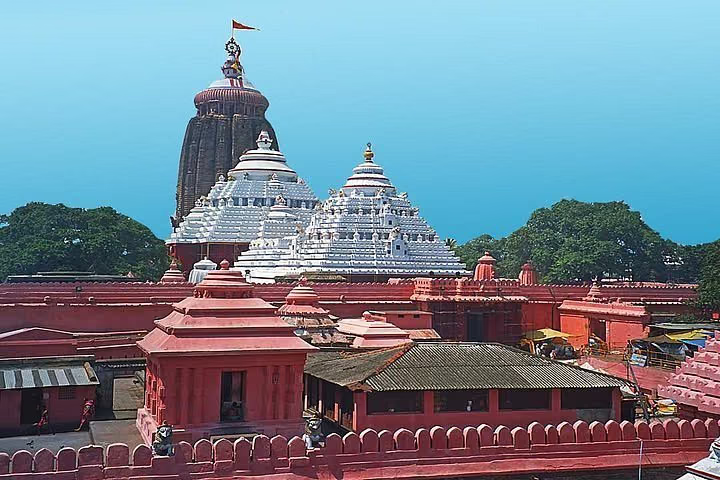
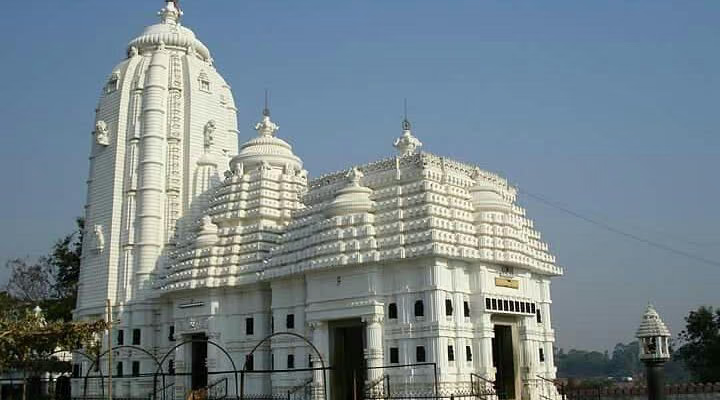
- Jagannath Temple, Puri and the annual Rath Yatra chariot festival
- Chilika Lake — Asia's largest brackish-water lagoon and Irrawaddy dolphin habitat
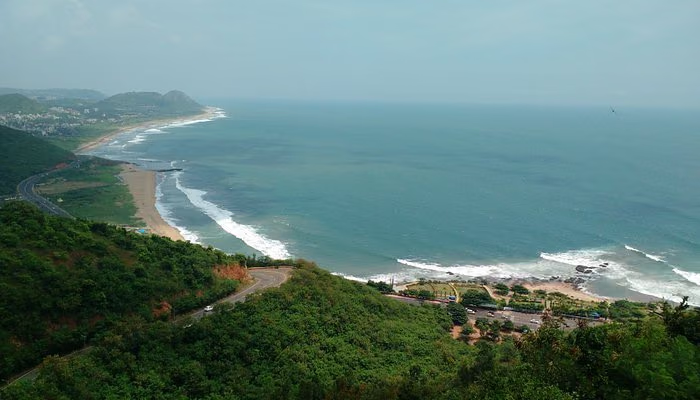
- 480 km of coastline along the Bay of Bengal
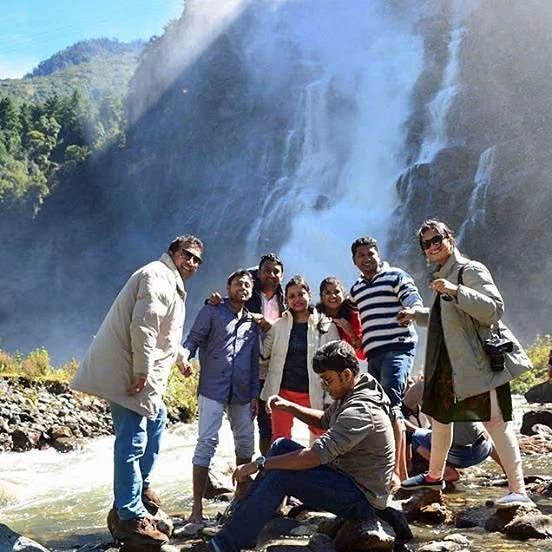
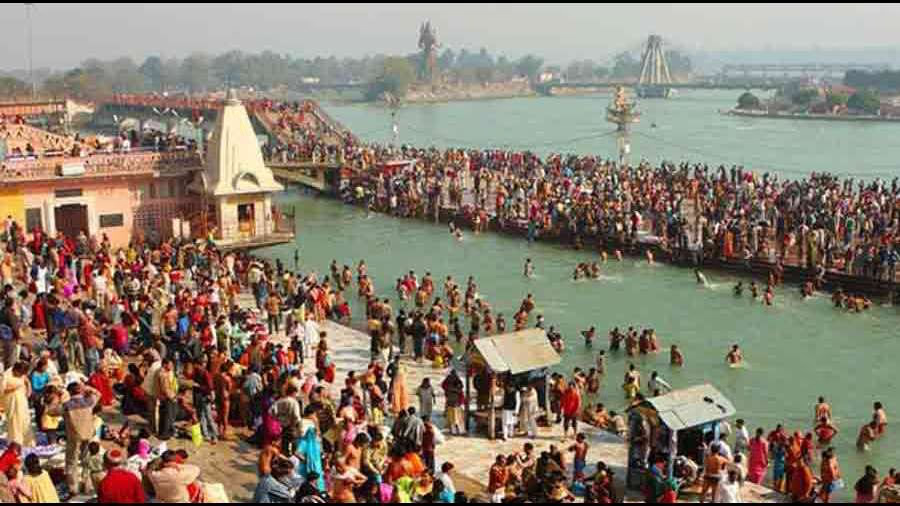
Top Destinations in Odisha
View All DestinationsTour Packages for Odisha


Culture & Heritage
Odisha's culture is anchored in temple worship, classical dance and craft traditions that have flourished for over a millennium under dynasties such as the Ganga and Eastern Ganga rulers who built Konark and the great Puri temple complex. A deep tribal heritage, with dozens of indigenous communities across the state's highlands, adds another distinct layer to Odia identity.
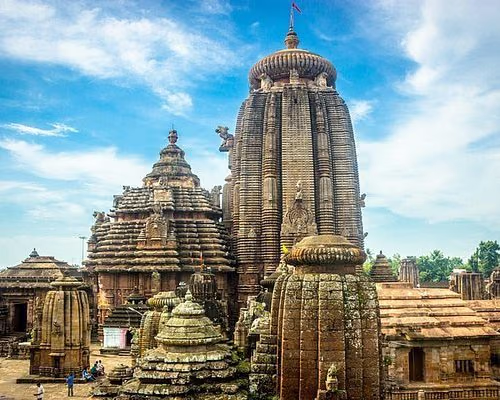
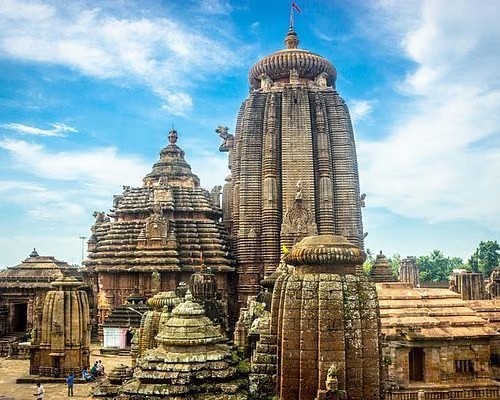
- Kalinga Temple Architecture
- Odissi Classical Dance
- Pattachitra Scroll Painting
- Tribal Art & Handicrafts
Famous Festivals
- Rath Yatra — June / JulyPuri's iconic chariot festival, in which images of Jagannath, Balabhadra and Subhadra are pulled through the streets on massive wooden chariots.
- Konark Dance Festival — DecemberA five-day classical dance festival held against the backdrop of the Sun Temple at Konark.
- Nuakhai — SeptemberA traditional agrarian harvest festival celebrating the season's new rice crop.
Food of Odisha
- Pakhala BhataFermented rice soaked in water, a cooling staple especially popular in summer.
- DalmaA lentil and vegetable stew, a comforting everyday Odia dish.
- Chhena PodaA baked dessert made from caramelized cottage cheese, said to have originated in Odisha.
- RasagolaSpongy chhena balls in sugar syrup, a sweet with deep roots in Odisha's Puri temple tradition.
Travel Information
How to Reach
- Biju Patnaik International Airport in Bhubaneswar connects to major Indian cities and select international routes.
- Bhubaneswar and Puri are major railheads on the East Coast Railway, well linked to Kolkata, Chennai and Delhi.
- National highways connect Bhubaneswar, Puri, Konark and Cuttack to neighbouring states.
Nearest Airports
- Biju Patnaik International Airport (BBI) — Bhubaneswar
Travel Tips
- Puri gets extremely crowded during Rath Yatra (June/July) — book accommodation well in advance if visiting then.
- Odisha's coast is cyclone-prone, mainly May–June and October–November; check weather advisories before coastal travel.
- Modest dress is expected at temples, and non-Hindus are not permitted inside the main Jagannath Temple sanctum in Puri.
Frequently Asked Questions
October to March is the ideal window, with cool, dry weather that makes long days of temple-hopping, Chilika boat rides and wildlife safaris far more comfortable than the humid summer. December and January are the most pleasant months, and this period also coincides with the Konark Dance Festival. The monsoon (June–September) brings heavy rain and the risk of cyclones along the coast, while the Rath Yatra in June/July is worth planning around despite the heat and enormous crowds, since it is one of India's most spectacular religious festivals. Avoid April–May unless you can tolerate high humidity and temperatures well above 35°C.
A well-paced trip needs four to five days: roughly a day and a half in Bhubaneswar to see its temple cluster, a day for Konark's Sun Temple and a beach stop, and two days in Puri to visit the Jagannath Temple and relax by the sea. If your itinerary allows, add one to two extra days for a boat trip on Chilika Lake to spot Irrawaddy dolphins and migratory birds, and a longer add-on of two to three days is worthwhile for wildlife enthusiasts wanting to explore Similipal National Park in the interior highlands. Group tours often combine Bhubaneswar–Puri–Konark into a single efficient loop given the short driving distances between them.
Odisha is best known for the UNESCO-listed Sun Temple at Konark, an extraordinary 13th-century monument built in the shape of a colossal stone chariot dedicated to the sun god Surya. It is equally famous for the Jagannath Temple in Puri and the annual Rath Yatra, when massive wooden chariots carrying the deities are pulled through the streets by huge crowds of pilgrims. The state is also celebrated for Chilika Lake, Asia's largest brackish-water lagoon, home to Irrawaddy dolphins and vast numbers of wintering migratory birds, as well as for its classical Odissi dance, Pattachitra scroll paintings and a deep tribal heritage in its interior.
Biju Patnaik International Airport (BBI) in Bhubaneswar is the state's main gateway, with regular domestic connections to Delhi, Mumbai, Kolkata, Chennai, Bengaluru and other major Indian cities, plus a handful of international routes. From the airport it's about a 1.5-hour drive to Puri and a similar distance onward to Konark, making Bhubaneswar a convenient base for exploring the temple circuit. Bhubaneswar is also a major railhead on the East Coast Railway, so travellers coming from Kolkata or Chennai have the option of overnight trains as an alternative to flying.
Yes, this is one of eastern India's most well-established and group-friendly circuits, with good highways connecting all three towns, plentiful hotel capacity in Puri and Bhubaneswar, and short drive times of an hour or two between stops. The route packs a lot into a short distance — ancient temple architecture in Bhubaneswar, the UNESCO Sun Temple at Konark, and the pilgrimage town of Puri with its beach and Jagannath Temple — which makes for an efficient, low-fatigue itinerary. The main planning consideration for groups is timing around Rath Yatra in June/July, when Puri becomes extremely crowded and accommodation should be booked well in advance.