
Nagvasuki Temple
Overview
- •Cradled along the sacred Ganga at Daraganj, Nagvasuki Temple exudes a quiet, serpentine mystique that draws pilgrims seeking protection and spiritual renewal.
- •The air carries the scent of incense and river breeze as devotees approach the shrine of Vasuki, the revered serpent king.
- •This ancient sanctuary offers a contemplative pause in Prayagraj's bustling spiritual landscape, where myth and devotion intertwine.
Highlights
- Morning aarti at the Ganga ghat steps
- Close-up carvings of coiled serpents on temple pillars
- Quiet boat ride past the temple’s riverside facade
- Offering milk and flowers at the main Vasuki shrine
- Watching pilgrims perform ritual dips at dawn
- Viewing the temple’s reflection in calm Ganga water
Religious Significance
Nagvasuki Temple holds profound significance as one of the few prominent shrines dedicated to Vasuki, the serpent king who played a role in the churning of the ocean (Samudra Manthan). Devotees believe that sincere worship here can mitigate the malefic effects of Kaal Sarp Dosh and bestow protection from snake-related perils. The temple's riverside location enhances its spiritual potency, as the Ganga's purifying waters are thought to amplify the blessings of the deity.
Dress Code
Visitors are advised to dress modestly, in traditional Indian attire or clean, conservative clothing that covers shoulders and knees. Avoid wearing leather items, as the temple's sanctity emphasizes non-violence and purity.
Facilities
Basic amenities include shoe storage, drinking water, and clean restrooms for pilgrims. Small shops near the temple offer puja items, flowers, and prasad, while a few dharamshalas provide simple accommodation for overnight stays.
Rituals
- Abhishekam of the serpent deity with milk, honey, and sacred water, especially on Mondays and Nag Panchami.
- Offering of raw milk and flowers at the sanctum, often accompanied by the chanting of Naga mantras.
- Performing pradakshina (circumambulation) around the main shrine while reciting the Vasuki Stotra.
- Lighting ghee lamps and incense to invoke the deity's blessings for protection from snake bites and astrological doshas.
- Participating in the evening aarti, where devotees sing bhajans and receive prasad sanctified by the deity.
Festivals
- •The most vibrant celebration occurs during Nag Panchami, when the temple becomes a focal point for devotees offering milk, flowers, and prayers to the serpent deity.
- •Special abhishekams and havan ceremonies are conducted throughout the day, drawing large crowds from across the region.
- •During the month of Shravan, Mondays witness an influx of worshippers who combine their visit with a dip in the nearby Ganga.
Darshan Guide
- •The best time for darshan is early morning (around 5:30 AM) when the temple opens, as the atmosphere is serene and less crowded.
- •Evenings, particularly during aarti, offer a vibrant experience with rhythmic chants and lamp offerings.
- •Avoid midday visits during summer months due to intense heat; the temple remains open throughout the day, but darshan is most rewarding during aarti hours.
History
- •The temple's origins are steeped in legend, with local lore tracing its foundation to ancient times when the worship of Nagas was prevalent across the subcontinent.
- •It is believed that the site gained prominence as a center for serpent worship, particularly for those seeking relief from snake bites and astrological afflictions.
- •Over centuries, the temple has been renovated and maintained by successive generations, preserving its sanctity as a key stop for pilgrims undertaking the Panch Kosi Parikrama of Prayagraj.
- •Its location at the confluence of the Ganga has always made it a vital part of the region's religious geography.
Architecture
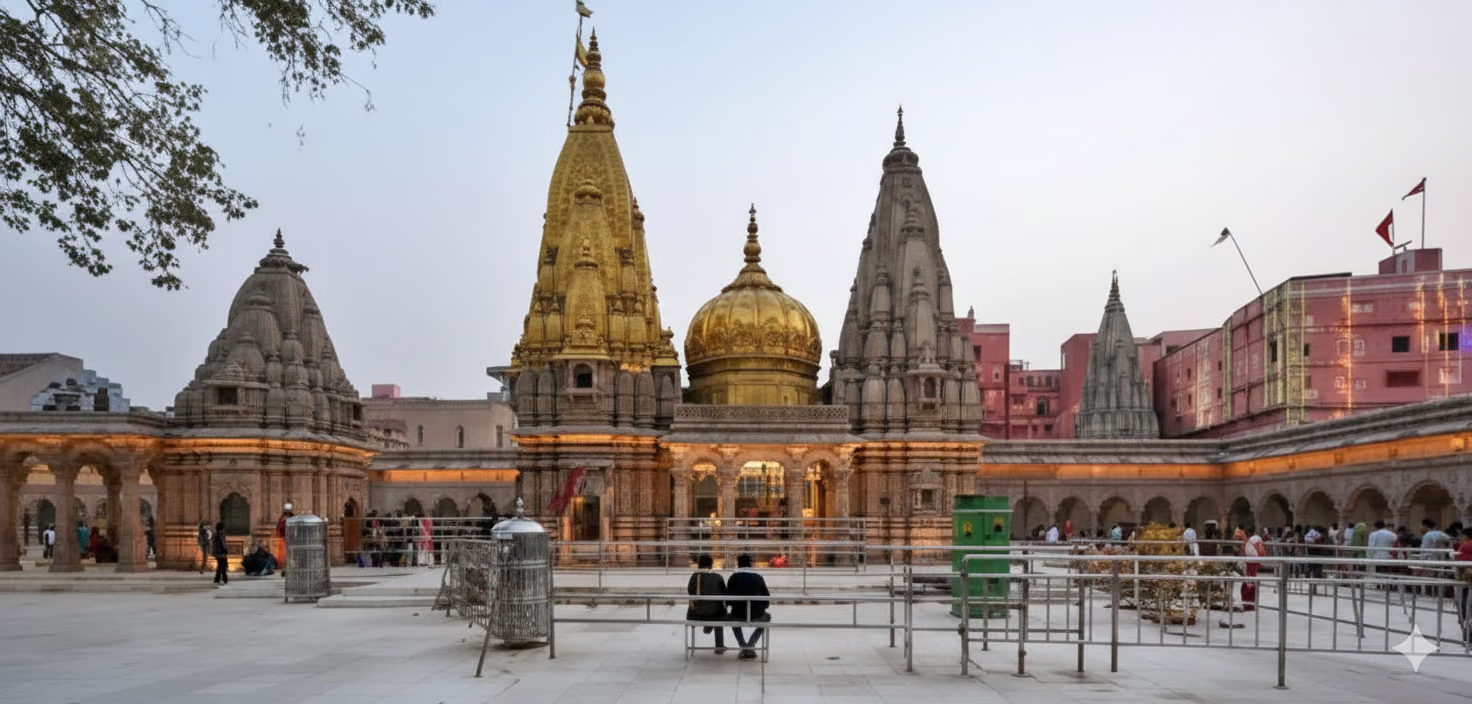
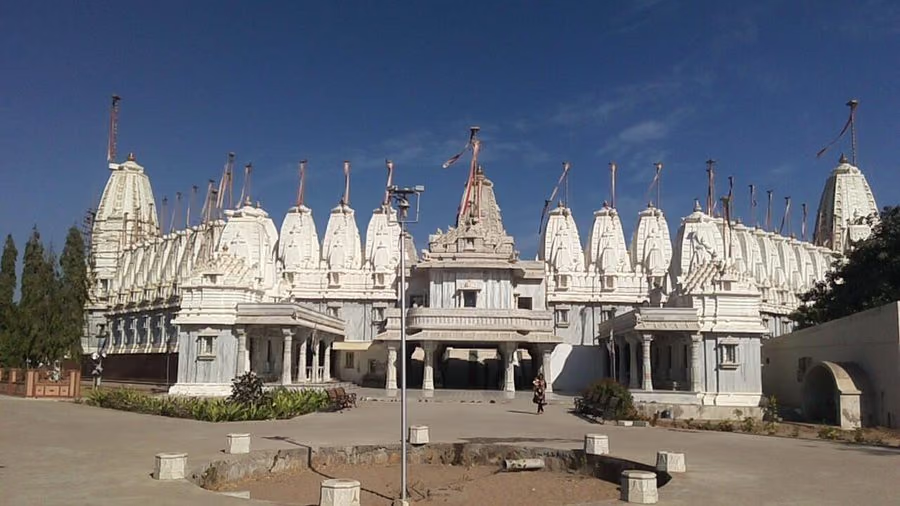
- •The temple architecture reflects a modest yet distinctive North Indian style, with a high spire (shikhara) adorned with intricate carvings of serpents and mythological motifs.
- •The sanctum houses a black stone idol of Vasuki, often depicted with a serpent hood, surrounded by smaller shrines dedicated to other deities.
- •The outer walls feature faded frescoes and inscriptions that hint at centuries of devotion and patronage.
- •A spacious courtyard, shaded by ancient trees, provides a serene setting for meditation and congregational gatherings.
Temple Layout
- •The temple complex is oriented towards the Ganga, with the main entrance opening onto a stone-paved path leading to the inner sanctum.
- •The central shrine houses the principal deity, with circumambulation paths (pradakshina) around it.
- •Subsidiary shrines dedicated to Shiva, Hanuman, and other serpent deities are positioned in the corners of the courtyard.
- •A separate area near the riverbank features ghats with steps descending into the water for ritual bathing.
Travel Tips
- Visit early morning to avoid crowds and heat: Reach the temple by 6:30 AM, as the site gets crowded and the stone floors become hot by mid-morning. This also gives you cooler, quieter time for darshan and easier movement for seniors.
- Carry your own water bottles and a small foldable stool: There are limited drinking water points and no shaded rest areas inside the complex, so bring at least one litre per person. A lightweight stool lets seniors sit and rest during the queue, which can take 30-45 minutes on weekends.
- Book a local auto or taxi for the full day, not just one-way: The temple is located on a hillock with limited parking, and public buses drop you 500 metres away on a busy road. Hiring a vehicle with a driver for the entire morning ensures a safe pickup point, and the driver can also help carry any medical supplies or snacks you need for the trip.
- Plan for a step-free route via the rear entrance for group coordination: The main entrance has about 20 steep steps, but the rear gate (near the parking lot) has a ramp that is easier for those with knee issues. Agree on a meeting point near the big banyan tree outside, as mobile signals are weak inside the temple courtyard.
- Use the wheelchair and assistance service at the entrance: The temple trust provides free wheelchairs and helpers from the main gate to the sanctum, which is essential as the path includes steps and uneven ground. Ask the security staff or the donation counter for this service; it saves energy for the return climb.
Things to Do
Walk the temple courtyard and observe the ancient architecture
30 minutesStroll around the open courtyard to see the weathered sandstone pillars, carved serpent motifs, and the old shikhara-style tower that dates back several centuries. The peaceful atmosphere here is ideal for quiet reflection and photography.
Visit the adjacent sacred pond (Kund) for a ritual dip or wash
20 minutesLocated just outside the temple complex, this small kund is believed to have purifying waters blessed by Vasuki. Many visitors take a quick dip or wash their hands and feet before entering the shrine, as per local tradition.
Enjoy a quiet break at the temple’s shaded verandah and watch daily life
1 hourSit on the raised stone benches under the old banyan tree near the entrance, watching pilgrims from nearby villages perform their routines. This is a great spot to rest, sip on some locally available coconut water or chai, and absorb the rural temple vibe.
Explore the nearby small shrines dedicated to Shiva and other nagas
30 minutesWithin the temple premises, there are tiny side shrines for Lord Shiva (as Vasuki is his devotee) and several other serpent deities. Spend time observing the local offerings and the intricate stone carvings on these lesser-known altars.
Participate in the Naga Panchami festival rituals (if visiting in July-August)
1-2 hoursIf your visit coincides with Naga Panchami, join the special milk abhishekam and witness the temple decked with marigolds and oil lamps. Devotees offer raw milk, honey, and sacred threads to the serpent deity, creating a vibrant, crowded scene.
Offer prayers at the main Vasuki idol and sanctum
45 minutesEnter the main shrine to seek blessings from the serpent king Vasuki, where the black stone idol is adorned with fresh flowers and milk offerings. Observe the traditional aarti timings (morning and evening) for a deeply spiritual experience.
Frequently Asked Questions
The best time is between October and March, when the weather is pleasant and cool, ideal for walking and temple visits. Summers (April to June) are extremely hot, and monsoon (July to September) brings heavy rain, which can make travel slippery and uncomfortable for senior travellers.
The temple is located in the town of Naimisharanya, about 90 km from Lucknow. You can hire a private taxi or take a state bus from Lucknow or Sitapur; the last stretch involves a short walk of about 200 metres, with some uneven steps, so comfortable shoes and a walking stick are advised. For groups, a private van is best, as the temple area has limited parking near the entrance.
There is no strict dress code, but modest clothing (covering shoulders and knees) is appreciated as a mark of respect. Before entering the main sanctum, you must remove your shoes; you can carry them in a bag or use the free shoe-stand outside. It is also customary to offer flowers, coconut, or milk, which are available for purchase at small stalls near the entrance.
Yes, the temple is part of the larger Naimisharanya pilgrimage site, which includes the Chakratirtha pond, Lalita Devi Temple, and the Vyas Gaddi (where sage Vyasa is said to have composed the Puranas). There are basic rest houses and a few simple dharamshalas nearby, but for better comfort, plan to stay in Sitapur (about 45 km away) or return to Lucknow the same day.
The temple is moderately crowded on regular days, but it becomes very busy during the Hindu month of Shravan (July-August) and on Nag Panchami, when thousands of devotees come to worship the serpent deity. For a peaceful visit, go on a weekday morning between 8 and 10 AM, and avoid the festival days if you prefer a quieter experience.
Quick Information
Best Time
October to March
Related Topics
Tour Packages for Prayagraj





Explore More of Prayagraj
Destination Hub
Prayagraj OverviewSpiritual & Temple Guides
Places to Explore
Discover attraction
Discover attraction
Discover attraction
Discover attraction
Discover attraction
Discover attraction
Discover attraction
Discover attraction
Discover attraction
Discover attraction
Discover attraction
Discover attraction
Discover attraction
Discover attraction
Discover attraction