
Badrinath Joshimath Auli Valley of Flowers tour package 7 days
- Places Covered: Badrinath Joshimath Auli Valley of Flowers
- Tour Type: Private Tour
- Transport: Private Cab
- Customization: Available
Haridwar to Badrinath Joshimath Auli Valley of Flowers Tour Package Itinerary
This “Badrinath Joshimath Auli Valley of Flowers tour package 7 days” commences from Haridwar, leading travelers through the majestic landscapes of Uttarakhand. The journey encompasses revered pilgrimage sites, charming hill stations, and a trek through a world-renowned floral paradise, culminating back in Haridwar.
- Day 1: Haridwar to Joshimath/Pipalkoti (approx. 270 km, 8-9 hours drive)
The journey begins from Haridwar, proceeding towards the Garhwal Himalayas. The route offers scenic views of the Ganga and Alaknanda rivers. Overnight stay in Joshimath or Pipalkoti, a quaint town providing comfortable lodging amidst the mountains. - Day 2: Joshimath Sightseeing & Auli Excursion
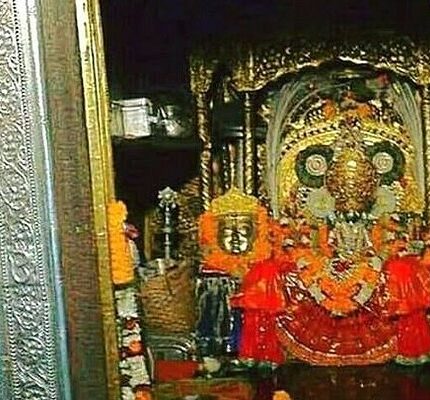
After breakfast, the day is dedicated to exploring Joshimath, an ancient town with deep religious significance. A cable car ride to Auli offers breathtaking panoramic views.- Narsingh Temple, Joshimath: This revered temple is dedicated to Lord Narsingh, an avatar of Vishnu. It holds immense religious importance as the winter seat of Badrinath’s idol, signifying its role as a spiritual confluence point.
- Shankaracharya Math: Established by Adi Shankaracharya in the 8th century, this monastery is one of the four cardinal institutions. It serves as a center for Advaita Vedanta philosophy and preserves ancient scriptures.
- Auli: Known as a premier skiing destination, Auli transforms into a vibrant green meadow during summer. It offers unparalleled views of Nanda Devi, Mana Parvat, and Kamet peaks, accessible via Asia’s longest ropeway.
- Day 3: Joshimath/Govindghat to Ghangaria Trek (13 km trek)
The day involves a drive to Govindghat, the starting point for the trek. From Govindghat, a challenging yet rewarding trek leads to Ghangaria, a small settlement located at the confluence of Lakshman Ganga and Hem Ganga. Ghangaria serves as the base camp for both Valley of Flowers and Hemkund Sahib. - Day 4: Valley of Flowers Trek (approx. 5 km one way)
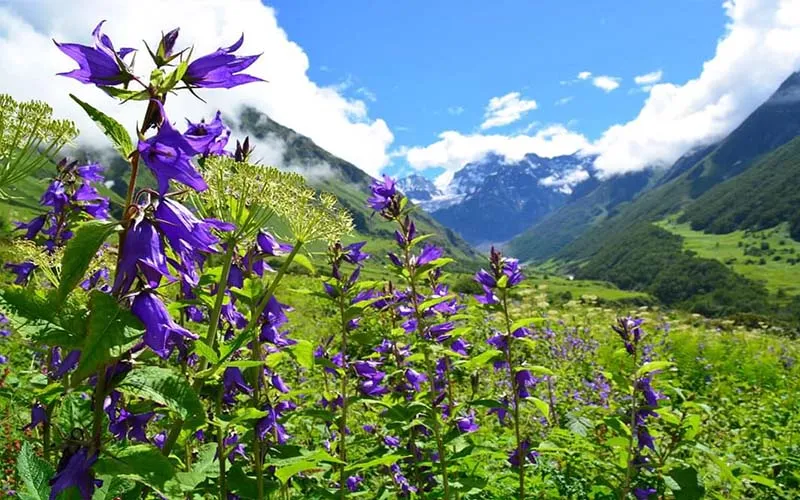
A trek from Ghangaria leads to the magnificent Valley of Flowers National Park. This UNESCO World Heritage site is renowned for its vast meadows of endemic alpine flowers and diverse fauna. The pristine beauty of the valley, set against the backdrop of the Zanskar range, offers a truly enchanting experience. After exploring, return to Ghangaria for an overnight stay. - Day 5: Ghangaria to Govindghat Trek & Drive to Badrinath (approx. 13 km trek, 25 km drive)
Trek back from Ghangaria to Govindghat. From Govindghat, proceed by vehicle to Badrinath, one of the holiest Char Dham pilgrimage sites. Nestled between Nar and Narayan peaks, Badrinath is famed for its ancient temple dedicated to Lord Vishnu. Upon arrival, check into the hotel and prepare for Darshan. - Day 6: Badrinath Sightseeing & Drive to Rudraprayag/Pipalkoti (approx. 150 km, 6-7 hours drive)
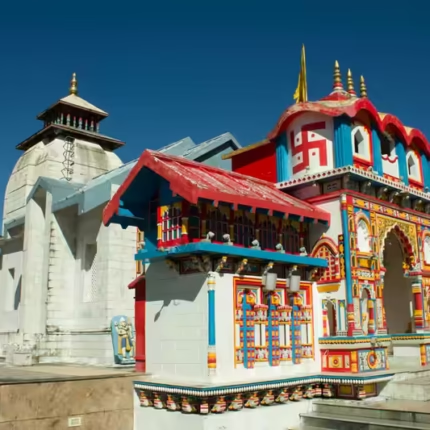
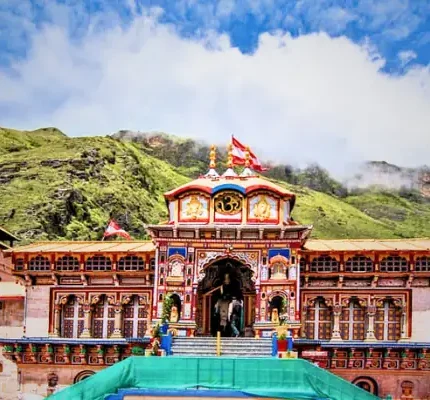
Early morning Darshan at the Badrinath Temple is a spiritually uplifting experience. The temple’s vibrant architecture and sacred atmosphere draw devotees from across the globe. Later, visit Mana Village, the last Indian village before the Indo-China border, known for its unique culture and mythological connections. Afterwards, begin the descent, driving towards Rudraprayag or Pipalkoti for an overnight stay.- Mana Village: Situated near Badrinath, Mana is famous for being the “last Indian village.” It is steeped in mythology, believed to be where Ved Vyas dictated the Mahabharata. Visitors can explore its unique Bhotia culture and visit sites like Vyas Gufa and Ganesh Gufa.
- Day 7: Rudraprayag/Pipalkoti to Haridwar Drop-off (approx. 160-200 km, 5-7 hours drive)
The final day involves a scenic drive back to Haridwar. The journey passes through picturesque towns like Devprayag, where the Alaknanda and Bhagirathi rivers merge to form the sacred Ganga. Drop-off at Haridwar marks the conclusion of this memorable Himalayan tour.
3 Star Hotels in Badrinath, Joshimath, Auli, Govindghat, and nearby cities
Accommodations are selected to ensure comfort and convenience throughout the journey. In cities like Joshimath and Pipalkoti, travelers can expect hotels such as Hotel Malari Inn or Hotel Badri Valley Resort, offering essential amenities. Near Badrinath, options like Hotel Narayan Palace or Hotel Snow Crest provide clean rooms and proximity to the temple. For Govindghat or Ghangaria, lodges and guesthouses like Hotel Sarovar Portico or similar standard accommodations are utilized, focusing on accessibility to the trekking routes and basic comforts suitable for the region. All hotels are chosen based on their 3-star rating, ensuring a pleasant and restful stay.
Badrinath Joshimath Auli Valley of Flowers Package Price from Haridwar
- For 2 persons: Rs. 25440 per person
- For 3 persons: Rs. 19840 per person
- For 4-7 persons: From Rs. 17040 to Rs. 15840 per person
- For 8-10 persons: From Rs. 17040 to Rs. 15360 per person
- For 11-12 persons: From Rs. 14749 to Rs. 14240 per person
Inclusions in Badrinath Joshimath Auli Valley of Flowers tour package 7 days
Breakfast, all sightseeing as per itinerary, AC vehicle Dzire or Innova or Tempo Traveller as per group size, driver allowance, parking, tolls, and stay in 3star AC hotels.
Exclusions in Badrinath Joshimath Auli Valley of Flowers Package from Haridwar
Anything not mentioned in inclusions, entry tickets, boating, guide services, personal expenses, camera fees, or meals other than breakfast.
Child Policy for Badrinath Joshimath Auli Valley of Flowers Trip from Haridwar
Child up to 6 years Free
Child 6 to 8 years Half charge
Child above 8 years Full charge
Payment Policy for Badrinath Joshimath Auli Valley of Flowers Package Booking
20 percent advance at time of booking
20 percent after getting hotel booking voucher
60 percent during tour in parts
For tours between 15 Dec to 2 Jan, 50 percent advance payment required.
Cancellation Policy for Badrinath Joshimath Auli Valley of Flowers Tour
Minimum Rs. 3000 cancellation charge per person
10 percent or Rs. 3000 per person whichever is higher
25 percent cancellation between 46 to 30 days before departure
50 percent cancellation between 30 to 15 days before departure
75 percent cancellation between 15 to 5 days before departure
100 percent cancellation within 5 days of departure or noshow
Cancellation charges are calculated as percentage of total tour cost.
Frequently Asked Questions – Badrinath Joshimath Auli Valley of Flowers Travel Guide
- What is the best time to visit Badrinath, Joshimath, Auli, and Valley of Flowers?
The ideal time for this tour is from May to June and September to October. The Valley of Flowers is typically open from June to October, with peak bloom from mid-July to mid-August. Badrinath temple also opens around May and closes in October-November. - Is the Valley of Flowers trek difficult?
The trek to Valley of Flowers from Govindghat via Ghangaria is moderate. It involves a 13 km trek to Ghangaria and then a 5 km trek to the Valley. A reasonable level of fitness is recommended. - Are there ATM facilities available on the route?
ATMs are available in major towns like Haridwar, Joshimath, and Rudraprayag. It is advisable to carry sufficient cash as facilities may be limited in remote areas like Ghangaria or Badrinath. - What kind of clothes should be packed for this tour?
Layered clothing is recommended as temperatures can vary. Light woolens for evenings, especially in higher altitudes, and rain gear are essential, particularly during monsoon months (July-August). - Is it safe for solo travelers?
The region is generally safe for travelers. However, it is always advisable to travel with a reputable tour operator and inform someone of your itinerary. - What are the accommodation options like in Ghangaria?
Ghangaria offers basic guesthouses and lodges, primarily catering to trekkers. While comfortable, these accommodations are not luxurious and focus on providing essential facilities for overnight stays. - Can children undertake the Valley of Flowers trek?
Children with good physical fitness can undertake the trek. However, parents should assess their child’s stamina and be prepared for walking long distances. - Are there medical facilities available during the trek?
Basic medical aid and first aid posts are available in Ghangaria and Govindghat. For serious emergencies, evacuation to larger hospitals in Joshimath or Srinagar (Garhwal) may be required. - What is the significance of Joshimath?
Joshimath is an important spiritual center, one of the four ‘Maths’ established by Adi Shankaracharya. It serves as the winter abode for the idol of Lord Badrinath. - Is it necessary to pre-book accommodation and transport?
During peak season, pre-booking accommodation and transport is highly recommended to ensure availability and avoid last-minute complications. - What is the altitude of Badrinath?
Badrinath is situated at an elevation of approximately 3,100 meters (10,170 feet) above sea level. - Are non-vegetarian food options available?
Due to the religious sanctity of the region, especially around Badrinath and Govindghat, vegetarian food is predominantly served. Non-vegetarian options may be limited or unavailable in certain areas.
Important Travel Information for Badrinath Joshimath Auli Valley of Flowers Package
- The Valley of Flowers National Park requires an entry permit, which can be obtained at the entrance gate in Ghangaria.
- The trek to Valley of Flowers and Ghangaria does not allow pony or palki services beyond certain points; trekking is primarily on foot.
- Badrinath temple and Valley of Flowers are subject to seasonal closures, typically during winter months due to heavy snowfall. Confirm opening dates before planning.
- Acclimatization is crucial for high-altitude destinations like Badrinath and Ghangaria to prevent acute mountain sickness (AMS).
- Carry essential medications, a first-aid kit, and personal toiletries, as availability might be limited in remote areas.
- Respect local customs and traditions, especially when visiting religious sites. Dress modestly and remove footwear where required.
- Plastic waste should be minimized, and all waste must be disposed of responsibly to maintain the pristine environment.
- Mobile network connectivity can be intermittent or weak in higher altitude regions. BSNL/Jio generally offer better coverage.
- Road conditions in the Himalayas can be unpredictable, especially during monsoon. Delays are possible, and flexibility in the itinerary is advisable.
- Ensure all necessary identification documents, such as Aadhar card or voter ID, are carried for permit checks and hotel registrations.
- Photography is generally permitted, but certain areas within temples may have restrictions. Always seek permission or observe signage.
- Avoid trekking or venturing out alone after dark, particularly in forested or remote areas.
Trypdeals tour packages you might be interested in
Visit our main website for more incredible travel deals: Trypdeals Home
Explore our wide range of tour packages across various destinations: All Tours by Trypdeals
Discover the most sought-after travel destinations with Trypdeals: Top Travel Destinations
Badrinath: The Abode of Lord Vishnu
This “Badrinath Joshimath Auli Valley of Flowers tour package 7 days” features Badrinath, a sacred town nestled in the Garhwal Himalayas of Uttarakhand, India. It is one of the four holiest sites in Hinduism, known as the Char Dham. The town is most famous for the Badrinath Temple, dedicated to Lord Vishnu, which stands majestically against the backdrop of the Neelkanth peak. The temple’s history dates back to the Vedic age, with its present structure believed to be built by the Garhwal Kings. The area is also rich in natural beauty, with hot springs like Tapt Kund believed to have medicinal properties. Pilgrims visit not only for spiritual solace but also to admire the stunning mountain vistas and the serenity of the Alaknanda River.
Joshimath: Gateway to the Himalayas
Joshimath, or Jyotirmath, holds significant importance as a spiritual and strategic town in the Chamoli district of Uttarakhand. It is one of the four ‘Maths’ established by Adi Shankaracharya, making it a crucial center for Advaita Vedanta. The town serves as a vital gateway for several Himalayan expeditions, treks, and pilgrimage routes, including Badrinath, Hemkund Sahib, and the Valley of Flowers. During winters, it becomes the winter seat for the idol of Lord Badrinath. Joshimath offers stunning views of the surrounding peaks and is known for its ancient temples like the Narsingh Temple. Its strategic location makes it a key stopover, blending spiritual tranquility with a vibrant local culture.
Auli: India’s Skiing Paradise
Auli, situated in the Chamoli district of Uttarakhand, is renowned as one of India’s premier skiing destinations. Perched at an elevation of about 2,800 meters, it offers breathtaking panoramic views of the Nanda Devi, Mana Parvat, and Kamet peaks. Beyond skiing, Auli is cherished for its expansive green meadows during summer and autumn, making it an ideal spot for nature lovers and trekkers. The town is connected to Joshimath by Asia’s longest ropeway, providing a spectacular aerial perspective of the Garhwal Himalayas. The pristine environment, coupled with activities like trekking and cable car rides, establishes Auli as a perfect retreat for adventure enthusiasts and those seeking serene mountain beauty.
Valley of Flowers: A Floral Wonderland
The Valley of Flowers National Park, a UNESCO World Heritage site, is an ethereal expanse nestled in the West Himalayan region of Uttarakhand. Famous for its meadows of endemic alpine flowers and the diversity of its flora, it presents a vibrant spectacle, especially during the monsoon months from July to September. The valley is home to rare and endangered animal species, including the Asiatic black bear, snow leopard, musk deer, and blue sheep. Accessible only by trekking from Govindghat, this natural garden is situated at an altitude of approximately 3,658 meters. Its pristine beauty, mythological connections, and unique biodiversity make it a captivating destination for botanists, photographers, and nature enthusiasts alike.
There are no reviews yet.