
Day 1: Arrival in Dehradun/Haridwar – Barkot Stay
The journey commences with an arrival at Dehradun or Haridwar, where guests are met and transferred to Barkot. This scenic drive introduces the diverse landscapes of Uttarakhand, transitioning from bustling plains to the tranquil foothills of the Himalayas. Barkot, nestled on the banks of the Yamuna River, serves as a crucial base for the Yamunotri pilgrimage. The evening offers an opportunity for relaxation and preparation for the spiritual trek ahead. Overnight accommodation is arranged in Barkot.
Day 2: Yamunotri Darshan – Barkot Stay
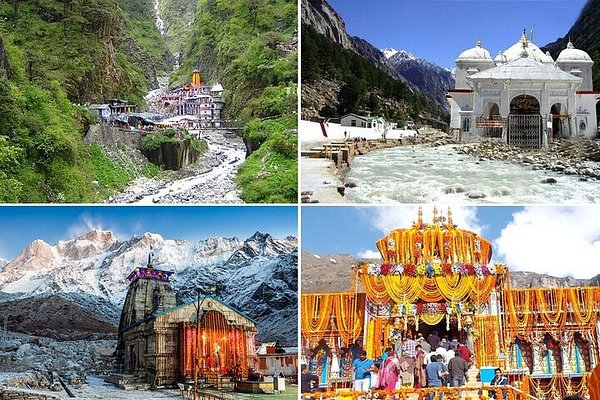
This day is dedicated to the revered Yamunotri Darshan. The trek to Yamunotri, the source of the Yamuna River and the seat of Goddess Yamuna, typically starts from Janki Chatti. Pilgrims can choose to trek, hire ponies, or use palanquins to reach the temple. The hot springs at Janki Chatti, notably Surya Kund, are a significant attraction where devotees prepare rice and potatoes to offer at the temple. The sacred Yamunotri Temple itself is a simple yet profoundly spiritual structure situated amidst captivating mountain scenery, marking the first of the Chardham pilgrimage sites. Return to Barkot for overnight rest.
Day 3: Barkot to Gangotri Sightseeing – Uttarkashi Stay
Following breakfast, the drive proceeds from Barkot towards Uttarkashi, with a significant detour to Gangotri. Gangotri is the origin of the sacred River Ganga (Bhagirathi) and is considered one of the holiest places in India. The Gangotri Temple, dedicated to Goddess Ganga, is a pristine white structure located on the banks of the Bhagirathi River. The area is enveloped by majestic Himalayan peaks and lush green valleys, offering a serene and awe-inspiring environment for devotees. Nearby, the natural rock Shiva lingam submerged in the river, known as Shivlinga, is visible during winter when the water level recedes. After darshan and exploration, the journey continues to Uttarkashi for the night stay.
Day 4: Uttarkashi to Phata Stay
The morning begins with a drive from Uttarkashi towards Phata. Uttarkashi itself is a charming town often referred to as the ‘Kashi of the North,’ known for its numerous temples and ashrams. The journey to Phata is characterized by winding mountain roads, panoramic views of the Himalayas, and glimpses of local life in remote villages. Phata serves as an important transit point, particularly for pilgrims embarking on the Kedarnath Yatra, often being a helipad base. The day is spent traveling to and settling into accommodation in Phata, preparing for the next day’s spiritual ascent. Overnight stay in Phata.
Day 5: Phata to Kedarnath – Kedarnath Camp Stay
This day marks the pilgrimage to Kedarnath, one of the twelve Jyotirlingas of Lord Shiva. Guests proceed from Phata to Gaurikund, the base camp for the Kedarnath trek. From Gaurikund, the challenging yet rewarding trek to Kedarnath begins, or guests can opt for helicopter services from Phata (as booked). The Kedarnath Temple is an ancient stone edifice standing majestically against the backdrop of snow-capped peaks. Its origins are shrouded in legend, dating back to the Mahabharata era, making it a site of immense historical and spiritual significance. The surrounding landscape, with the Mandakini River flowing nearby, adds to its ethereal beauty. Night stay is arranged at a camp near Kedarnath.
Day 6: Kedarnath to Phata Stay
Following the divine darshan and spiritual experience at Kedarnath, the descent begins. Guests trek back to Gaurikund or utilize helicopter services to return to Phata. The journey downhill provides further opportunities to absorb the serene beauty of the Himalayan landscape. Upon reaching Phata, time is allocated for rest and rejuvenation after the strenuous yet fulfilling pilgrimage. Overnight accommodation in Phata.
Day 7: Phata to Badrinath – Mana Village Visit – Badrinath Stay
The route from Phata leads towards Badrinath, the abode of Lord Vishnu. Upon arrival, the sacred Badrinath Temple is the primary destination. This vibrant temple, distinctive with its colourful facade, is nestled between the Nar and Narayan peaks. It is believed to have been re-established by Adi Shankara in the 8th century. After visiting the temple, an excursion to Mana Village is undertaken. Mana, often called the ‘Last Indian Village’ before the Indo-Tibetan border, is steeped in mythology. It is believed to be the place where Vyasa dictated the Mahabharata. Attractions include Vyas Gufa, Ganesh Gufa, and the Bheem Pul, offering insights into ancient Indian lore and stunning natural vistas. Overnight stay in Badrinath.
Day 8: Badrinath Sightseeing – Pipalkoti Stay
The morning is dedicated to further exploration and spiritual activities in Badrinath. This may include visiting the Tapt Kund, a natural thermal spring known for its medicinal properties, where pilgrims take a holy dip before entering the main temple. Exploring the surrounding areas provides opportunities to appreciate the raw beauty of the Himalayas. Later in the day, the drive proceeds to Pipalkoti. Pipalkoti is a small, picturesque town situated on the Badrinath highway, offering breathtaking views of the Dhauliganga River and surrounding mountains. It serves as a comfortable stopover during the return journey, providing amenities amidst serene surroundings. Overnight accommodation is in Pipalkoti.
Day 9: Pipalkoti to Rishikesh Sightseeing – Haridwar Drop
The final day of the tour involves a scenic drive towards Rishikesh. En route, stops are made at the sacred confluences of rivers, known as Prayags. These include Nandaprayag, where Alaknanda meets Mandakini; Karnaprayag, where Alaknanda meets Pindar; Rudraprayag, where Alaknanda meets Mandakini; and Devprayag, the majestic confluence of the Alaknanda and Bhagirathi rivers, forming the holy Ganga. Each Prayag holds immense spiritual significance and offers captivating natural beauty. In the evening, a brief visit to Rishikesh allows for exploration of its famous spiritual landmarks like Ram Jhula and Lakshman Jhula. The tour concludes with a drop-off in Haridwar by 8 PM, marking the end of the sacred Chardham Yatra.
This section provides details regarding typical 3-star accommodation options encountered during the Chardham Yatra. Accommodation facilities prioritize cleanliness, comfort, and essential amenities. Locations include Barkot, Uttarkashi, Phata, Kedarnath (camp stay), Badrinath, and Pipalkoti, offering a range of options suitable for pilgrims. Specific hotel names are subject to availability and booking confirmation. Each hotel is selected to ensure a restful environment after each day’s travel and spiritual activities, equipped with necessary facilities for a comfortable stay.
The package prices are calculated per person, based on the group size, and include accommodation, transport, and specified meals. Prices are subject to change and are provided as an estimate.
Breakfast, all sightseeing as per itinerary, AC vehicle Dzire or Innova or Tempo Traveller as per group size, driver allowance, parking, tolls, and stay in 3star AC hotels.
Anything not mentioned in inclusions, entry tickets, boating, guide services, personal expenses, camera fees, or meals other than breakfast.
Child up to 6 years Free
Child 6 to 8 years Half charge
Child above 8 years Full charge
20 percent advance at time of booking
20 percent after getting hotel booking voucher
60 percent during tour in parts
For tours between 15 Dec to 2 Jan, 50 percent advance payment required.
Minimum Rs. 3000 cancellation charge per person
10 percent or Rs. 3000 per person whichever is higher
25 percent cancellation between 46 to 30 days before departure
50 percent cancellation between 30 to 15 days before departure
75 percent cancellation between 15 to 5 days before departure
100 percent cancellation within 5 days of departure or noshow
Cancellation charges are calculated as percentage of total tour cost.
Visit our main website for more incredible travel deals: Trypdeals Home
Explore our wide range of tour packages across various destinations: All Tours by Trypdeals
Discover the most sought-after travel destinations with Trypdeals: Top Travel Destinations
Yamunotri, the westernmost shrine of the Chardham Yatra, is dedicated to Goddess Yamuna. Situated in the picturesque Garhwal Himalayas, it is renowned for its thermal springs and the revered Yamunotri Temple. Pilgrims undertake a challenging trek to reach the temple, nestled at an altitude of approximately 3,293 meters. The serene environment and the captivating views of the surrounding peaks offer a profound spiritual experience. The temple, constructed in the 19th century, marks the source of the Yamuna River, attracting devotees seeking divine blessings and purification.
This sacred Chardham Yatra Tour Package from Thane embarks on a spiritual journey, offering divine darshan at Yamunotri, Gangotri, Kedarnath, and Badrinath amidst the serene Himalayan beauty.
Gangotri, the sacred source of the River Ganga, holds immense religious significance as one of the four principal pilgrimage destinations in Uttarakhand. The majestic Gangotri Temple, dedicated to Goddess Ganga, is set against the backdrop of snow-capped mountains and dense forests. The Bhagirathi River, as the Ganga is known at its source, flows with pristine clarity. Devotees visit Gangotri to seek blessings and witness the origin of India’s most revered river. The spiritual atmosphere, combined with the breathtaking natural beauty, makes Gangotri an unforgettable destination for pilgrims and nature enthusiasts alike.
Kedarnath, a revered shrine of Lord Shiva, stands majestically amidst the Himalayas as one of the twelve Jyotirlingas. The ancient stone temple, accessible by a strenuous trek or helicopter, is a testament to unwavering faith and architectural resilience. Surrounded by towering peaks and the Mandakini River, its spiritual aura is palpable. Pilgrims undertake this journey to seek salvation and experience a deep connection with the divine. The challenging terrain adds to the sanctity and profound sense of accomplishment for those who complete the pilgrimage.
Badrinath, the abode of Lord Vishnu, is one of the holiest shrines in Hinduism and a key destination in the Chardham circuit. Nestled between the Nar and Narayan mountain ranges with the Alaknanda River flowing by, the temple’s vibrant facade stands out against the stark Himalayan landscape. It is believed that Adi Shankara established the temple in the 8th century. Pilgrims visit Badrinath to seek blessings from Lord Vishnu and immerse themselves in its profound spiritual tranquility, often preceded by a purifying dip in the Tapt Kund hot springs.