
Guptkashi Kedarnath Chopta Tungnath Badrinath Auli Mana Village Tour Package 9 Days Haridwar to Haridwar Tour Package
- Places Covered: Guptkashi Kedarnath Chopta Tungnath Badrinath Auli Mana Village
- Tour Type: Private Tour
- Transport: Private Cab
- Customization: Available
Haridwar to Guptkashi Kedarnath Chopta Tungnath Badrinath Auli Mana Village Tour Package Itinerary
Day 1: Haridwar to Guptkashi
The journey commences with a pick-up from Haridwar, followed by a scenic drive towards Guptkashi. The route offers captivating views of the Mandakini River, accompanying the vehicle for much of the journey. Upon arrival in Guptkashi, check-in at the hotel. The evening can be dedicated to local exploration or relaxation amidst the serene Himalayan surroundings.
- Guptkashi: Situated in the Garhwal Himalayas, Guptkashi holds immense religious significance, believed to be the place where Lord Shiva hid from the Pandavas. The town offers stunning views of Chaukhamba peaks and is home to ancient temples like Vishwanath Temple and Ardhanareshwar Temple, showcasing rich architectural heritage and spiritual aura.
Day 2: Guptkashi to Kedarnath
An early start initiates the journey to Sonprayag. From Sonprayag, a local jeep facilitates travel to Gaurikund, the starting point for the Kedarnath Temple trek. The trek to Kedarnath is a spiritual and physically demanding experience, spanning approximately 16-18 km. Ponies or palanquins are available for those preferring assistance. Upon reaching Kedarnath, check-in at the available accommodation for an overnight stay.
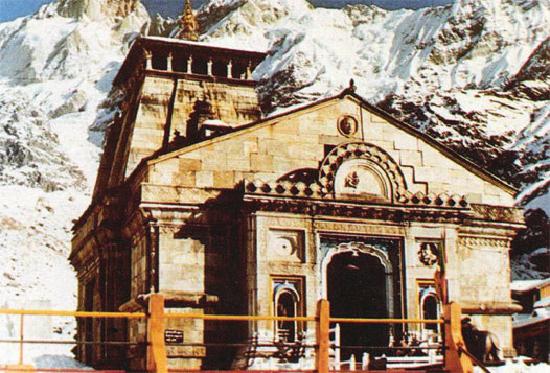
- Kedarnath Temple: One of the twelve Jyotirlingas of Lord Shiva, the Kedarnath Temple is a revered pilgrimage site nestled at an altitude of 3,583 meters. Its ancient stone architecture, set against the backdrop of snow-capped peaks and the Mandakini River, creates a profound spiritual ambiance. The temple is accessible for only six months a year due to extreme weather conditions.
Day 3: Kedarnath Darshan to Guptkashi/Sitapur
Witness the morning Aarti at Kedarnath Temple, followed by Darshan and personal prayers. After breakfast, commence the descent trek back to Gaurikund. From Gaurikund, travel to Sonprayag and then to Guptkashi or Sitapur for an overnight stay. The day concludes with reflection on the spiritual experience at Kedarnath.
- Gaurikund: This sacred spot is the base camp for the Kedarnath trek, believed to be where Goddess Parvati performed penance to win Lord Shiva’s affection. It features hot springs and a temple dedicated to Gauri, offering pilgrims a cleansing dip before their arduous journey.
Chopta & Tungnath Sightseeing Itinerary
Day 4: Guptkashi/Sitapur to Chopta to Tungnath Trek and Back
Depart from Guptkashi/Sitapur towards Chopta, often referred to as ‘Mini Switzerland’ due to its lush meadows and panoramic views. From Chopta, embark on a scenic trek to Tungnath Temple, the highest Shiva temple in the world. The trek continues to Chandrashila peak for breathtaking 360-degree views of the Himalayan ranges. Return to Chopta or Ukhimath for an overnight stay.
- Chopta: A picturesque hamlet in Uttarakhand, Chopta serves as the base for the Tungnath trek. It is renowned for its verdant meadows, dense forests of rhododendron and deodar, and spectacular views of the Himalayan peaks like Trishul, Nanda Devi, and Chaukhamba, attracting nature lovers and trekkers.
- Tungnath Temple: Perched at an elevation of 3,680 meters, this ancient temple is dedicated to Lord Shiva and is the highest of the Panch Kedar temples. Its rustic stone architecture and serene surroundings, coupled with mythical origins, make it a significant spiritual and trekking destination offering unparalleled vistas.
Badrinath, Mana Village & Auli Sightseeing Itinerary
Day 5: Chopta/Ukhimath to Badrinath to Mana Village
Proceed to Badrinath via Joshimath, a route that traverses scenic mountain roads. Upon arrival at Badrinath, check into the hotel. In the afternoon, visit Mana Village, recognized as the ‘last Indian village’ before the Tibetan border. Explore the local attractions and return to Badrinath for an overnight stay.
- Badrinath Temple: A prominent Char Dham pilgrimage site, Badrinath Temple is dedicated to Lord Vishnu. Situated on the banks of the Alaknanda River, its vibrant architecture and the towering Neelkanth Peak in the backdrop create a mesmerizing spiritual ambiance. Tapt Kund, a natural hot spring, is also a significant attraction.
- Mana Village: Located just 3 km from Badrinath, Mana is a quaint village inhabited by the Bhotiya community. It boasts several mythological connections, including the Ganesh Gufa and Vyas Gufa, where Maharishi Vyas is believed to have dictated the Mahabharata. It’s a culturally rich destination at India’s border.
Day 6: Badrinath Darshan to Auli
Participate in the morning Darshan at Badrinath Temple. After breakfast, drive towards Joshimath, the winter seat of Lord Badrinath. From Joshimath, proceed to Auli by cable car, offering panoramic views of the Himalayas. Check into the hotel in Auli for an overnight stay.
- Joshimath: A sacred town in Uttarakhand, Joshimath is a gateway to several Himalayan expeditions and pilgrimage sites. It is one of the four ‘Maths’ established by Adi Shankaracharya and serves as the winter abode for the idol of Lord Badrinath. It is also the starting point for the Auli cable car.
Day 7: Auli Sightseeing to Joshimath
Indulge in a full day of sightseeing in Auli. Enjoy the breathtaking views of Nanda Devi, Hathi Parbat, and other majestic peaks. Options include trekking, chairlift rides, or simply soaking in the natural beauty. In the afternoon, take the cable car back to Joshimath for an overnight stay.
- Auli: Renowned as a premier skiing destination, Auli transforms into a lush green meadow in summer, offering stunning panoramic views of the Himalayan ranges. Its natural slopes, surrounded by coniferous and oak forests, make it an ideal spot for adventure and nature enthusiasts throughout the year.
Return Journey Sightseeing Itinerary
Day 8: Joshimath to Rudraprayag/Srinagar
Commence the return journey from Joshimath towards Rudraprayag or Srinagar. The drive offers different perspectives of the Garhwal Himalayas and various river confluences. Upon arrival, check-in to the hotel for an overnight stay, breaking the long journey back to Haridwar.
- Rudraprayag: This sacred town is situated at the confluence of the Alaknanda and Mandakini rivers, one of the Panch Prayag (five confluences) of the Alaknanda River. It is named after Lord Shiva (Rudra) and is an important pilgrimage spot, offering serene river views and a spiritual atmosphere.
Day 9: Rudraprayag/Srinagar to Haridwar Drop
After breakfast, continue the drive from Rudraprayag or Srinagar back to Haridwar. The journey passes through scenic landscapes and small towns. Upon reaching Haridwar, the tour concludes with a drop-off at the preferred location, carrying memories of a spiritual and adventurous Himalayan expedition.
3 Star Hotels in Haridwar, Guptkashi, Sitapur, Chopta, Badrinath, Joshimath, Auli
Accommodation during the tour is provided in well-regarded 3-star hotels or similar category guesthouses. These establishments ensure comfortable stays with essential amenities, focusing on cleanliness, service, and convenience for travelers.
- Haridwar: Hotel Hari Heritage or similar
- Guptkashi/Sitapur: Hotel Kedar River Retreat or similar
- Chopta/Ukhimath: Hotel Pushpdeep Grand or similar
- Badrinath: Hotel Sarovar Portico or similar
- Joshimath: Hotel Mount View or similar
- Auli: Auli Resort or similar
- Rudraprayag/Srinagar: Hotel Samrat or similar
Guptkashi Kedarnath Chopta Tungnath Badrinath Auli Mana Village Package Price from Haridwar
- Price for 2 persons: Rs. 33120 per person
- Price for 3 persons: Rs. 25920 per person
- Price for 4 persons: Rs. 22320 per person
- Price for 5 persons: Rs. 24480 per person
- Price for 6 persons: Rs. 22320 per person
- Price for 7 persons: Rs. 20777 per person
- Price for 8 persons: Rs. 22320 per person
- Price for 9 persons: Rs. 21120 per person
- Price for 10 persons: Rs. 20160 per person
- Price for 11 persons: Rs. 19375 per person
- Price for 12 persons: Rs. 18720 per person
Inclusions in Guptkashi Kedarnath Chopta Tungnath Badrinath Auli Mana Village tour package 9 days
Breakfast, all sightseeing as per itinerary, AC vehicle Dzire or Innova or Tempo Traveller as per group size, driver allowance, parking, tolls, and stay in 3star AC hotels.
Exclusions in Guptkashi Kedarnath Chopta Tungnath Badrinath Auli Mana Village Package from Haridwar
Anything not mentioned in inclusions, entry tickets, boating, guide services, personal expenses, camera fees, or meals other than breakfast.
Child Policy for Guptkashi Kedarnath Badrinath Auli Trip from Haridwar
Child up to 6 years Free
Child 6 to 8 years Half charge
Child above 8 years Full charge
Payment Policy for Guptkashi Kedarnath Badrinath Auli Package Booking
20 percent advance at time of booking
20 percent after getting hotel booking voucher
60 percent during tour in parts
For tours between 15 Dec to 2 Jan, 50 percent advance payment required.
Cancellation Policy for Guptkashi Kedarnath Badrinath Auli Tour
Minimum Rs. 3000 cancellation charge per person
10 percent or Rs. 3000 per person whichever is higher
25 percent cancellation between 46 to 30 days before departure
50 percent cancellation between 30 to 15 days before departure
75 percent cancellation between 15 to 5 days before departure
100 percent cancellation within 5 days of departure or noshow
Cancellation charges are calculated as percentage of total tour cost.
Frequently Asked Questions – Guptkashi Kedarnath Badrinath Auli Travel Guide
- What is the best time to visit Kedarnath, Badrinath, and Auli?
The ideal time to visit these destinations is from May to June and September to October. During these months, the weather is pleasant, and pilgrimage routes are accessible. Auli is particularly popular for winter sports from December to March. - Is the Kedarnath trek difficult?
The Kedarnath trek is considered moderately difficult, involving a steep ascent of approximately 16-18 km from Gaurikund. Pilgrims should ensure good physical fitness or opt for ponies/palanquins for assistance. - Are there medical facilities available during the tour?
Basic medical facilities are available in larger towns like Joshimath and Guptkashi. It is advisable to carry personal medications for common ailments and consult a physician before the trip, especially for high-altitude travel. - What kind of clothing should be packed for this tour?
Warm clothing, including heavy woolen sweaters, thermal wear, jackets, caps, and gloves, is essential, even during summer, as temperatures can drop significantly at higher altitudes. Comfortable trekking shoes are also highly recommended. - Is a helicopter service available for Kedarnath?
Yes, helicopter services are available from Phata, Guptkashi, or Sitapur to Kedarnath, significantly reducing travel time. Booking in advance is highly recommended due to high demand. - Are vegetarian food options readily available?
Yes, vegetarian food is predominantly available throughout the region, especially in pilgrim towns like Kedarnath and Badrinath, adhering to religious sentiments. - What are the accommodation options in Kedarnath?
Accommodation in Kedarnath is basic, typically comprising guesthouses, dharamshalas, and tents managed by the local administration. Facilities are limited due to the high altitude and remote location. - Is it safe to travel with children or elderly persons?
Travel with children or elderly persons is possible, but careful consideration of their health and physical capabilities is necessary, especially for the Kedarnath trek. Adequate rest and acclimatization are crucial. - What permits are required for Mana Village?
Generally, no special permits are required for Indian nationals to visit Mana Village, although identification documents are always advisable for border areas. - What is the significance of the Auli cable car?
The Auli cable car, or ‘Gondola’, is Asia’s longest, connecting Joshimath to Auli. It offers spectacular panoramic views of the Himalayan peaks, serving as a primary mode of transport to Auli and a major tourist attraction. - Can we visit all temples mentioned in the itinerary?
The itinerary aims to cover all major temples, including Kedarnath and Badrinath. However, access can sometimes be subject to weather conditions or local regulations, which are beyond control. - Is it necessary to carry cash or are card payments accepted?
While major towns may have ATMs and accept card payments, it is highly recommended to carry sufficient cash, especially in remote areas and for smaller purchases or emergencies.
Important Travel Information for Guptkashi Kedarnath Badrinath Auli Package
- Acclimatization: High altitudes necessitate proper acclimatization. Ascend gradually, stay hydrated, and be aware of symptoms of acute mountain sickness (AMS).
- Weather Conditions: Himalayan weather is unpredictable. Be prepared for sudden changes, including rain, snow, and temperature drops, by packing layers.
- Physical Fitness: The Kedarnath trek demands good physical fitness. Regular exercise before the trip is beneficial. Consult a doctor for high-altitude travel advice.
- Permits & IDs: Carry valid identification documents (Aadhar Card, Voter ID, Passport). While generally not required for Indian nationals in most areas, it is prudent for border regions like Mana Village.
- Connectivity: Mobile network connectivity can be erratic or non-existent in remote areas. BSNL/Jio generally have better coverage in Uttarakhand.
- Medication: A personal first-aid kit with essential medicines for fever, pain, stomach upset, and altitude sickness is highly recommended.
- Environmental Responsibility: Practice responsible tourism by not littering, respecting local culture, and preserving the natural beauty of the Himalayas.
- Photography: Photography is generally permitted, but certain temple interiors might have restrictions. Always seek permission or observe signs.
- Footwear: Sturdy, waterproof trekking shoes with good ankle support are indispensable for the treks and uneven terrain.
- Hydration: Drink plenty of water to prevent dehydration, especially at high altitudes. Carry a reusable water bottle.
- Food and Water: Consume boiled or filtered water and stick to freshly prepared meals to avoid stomach ailments.
- Emergency Contacts: Keep a list of emergency contacts, including local police, medical services, and tour operator information.
Trypdeals tour packages you might be interested in
Visit our main website for more incredible travel deals: Trypdeals Home
Explore our wide range of tour packages across various destinations: All Tours by Trypdeals
Discover the most sought-after travel destinations with Trypdeals: Top Travel Destinations
There are no reviews yet.