
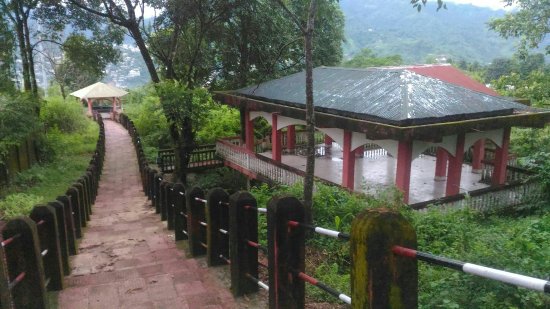
9 Days Itanagar Ziro Daporijo Aalo Mechuka Tour Package
- Places Covered: Itanagar Ziro Daporijo Aalo Mechuka Package
- Tour Type: Private Tour
- Transport: Private Cab
- Customization: Available
The Itanagar Ziro Daporijo Aalo Mechuka Package 9 Days provides a detailed exploration of the eastern Himalayas, blending tribal culture with high-altitude alpine scenery.
Itanagar to Mechuka Tour Package Itinerary
Day 1: Arrival in Itanagar and Transfer to Ziro
- Jawaharlal Nehru State Museum: This institution in Itanagar houses a remarkable collection of tribal artifacts, including traditional jewelry, handicrafts, and weapons. The State Museum offers a profound look into the multi-ethnic heritage of the state through its diverse galleries. The premises also feature a section dedicated to the archaeology of the region.
- Ziro Valley: Located at an elevation of 1,500 meters, this plateau is the ancestral home of the Apatani tribe. The Ziro valley is famous for its sustainable terraced rice farming and the unique facial tattoos once practiced by its elders. The landscape is characterized by rolling hills and lush pine forests.
Day 2: Ziro Full Day Sightseeing
- Talley Valley Wildlife Sanctuary: This protected area is a biodiversity hotspot located 30 kilometers from Ziro. The sanctuary is home to rare species like the clouded leopard and features giant bamboo forests and silver fir trees. It serves as a prime destination for eco-tourists and nature researchers.
- Kile Pakho: This scenic ridge offers views of the entire Ziro plateau on one side and the snow-capped Himalayan ranges on the other. It is a favored location for birdwatching and landscape photography due to its elevated perspective. The area remains cool and mist-covered for much of the year.
Day 3: Journey to Daporijo
- Subansiri River: The journey to Daporijo follows the course of this mighty river, which is the largest tributary of the Brahmaputra. The riverbanks offer stunning views of rugged cliffs and dense forests. Daporijo itself is situated in a valley formed by this perennial water source.
- Daporijo Town: This administrative hub is inhabited primarily by the Tagin and Galo tribes. The town serves as a junction for travelers moving between the lower valleys and the higher reaches of the state. Local markets display traditional bamboo products and indigenous produce.
Day 4: Daporijo to Aalo
- Aalo (Along): Nestled in a valley where the Sipu and Siyom rivers meet, Aalo is the headquarters of the West Siang district. The town is surrounded by orange orchards and features a pleasant subtropical climate. It is considered one of the most picturesque towns in the central part of the state.
Day 5: Aalo Sightseeing and Tribal Interaction
- Patum Bridge: A magnificent cable suspension bridge that spans across the Siyom River. It provides critical connectivity and offers a vantage point to observe the rapid flow of the river below. The architecture of the bridge is a testament to the engineering challenges of the hilly terrain.
- Darka Village: Recognized as one of the largest villages of the Galo tribe, this settlement showcases traditional bamboo houses built on stilts. The community maintains its age-old customs and animistic practices. Visitors observe the daily life and social structures that define the Galo culture.
Day 6: Aalo to Mechuka Scenic Drive
- Siyom River Valley: The drive from Aalo to Mechuka follows the winding path of the Siyom River, passing through numerous waterfalls and dense tropical greenery. The elevation rises significantly during this stretch, leading to a transition from tropical to alpine vegetation. Several viewpoints along the road provide panoramas of the deep gorges.
Day 7: Mechuka Exploration
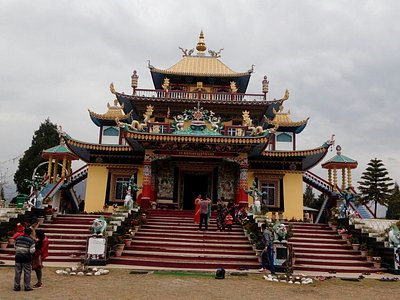
- Samten Yongcha Monastery: Situated on a hilltop overlooking the valley, this 400-year-old Buddhist monastery is older than the Tawang Monastery. It belongs to the Mahayana sect and contains ancient scriptures and deity statues. The peaceful atmosphere provides a spiritual retreat for visitors.
- Mechuka Valley: Often described as a hidden paradise, the valley is located close to the international border. The Yargyap Chu River flows through wide meadows surrounded by snow-dusted peaks. The area is home to the Memba tribe, who practice Tibetan Buddhism.
Day 8: Mechuka Village and Nature Walk
- Yargyap Chu Riverside: The riverbanks are dotted with wooden bridges and grazing horses, creating a landscape that resembles the European Alps. The crystal-clear water and the cold mountain breeze define the sensory experience of the valley. Small hamlets along the river offer a glimpse into the resilient lifestyle of the highlanders.
- Hanuman Camp: A geological wonder where the natural contours of the mountain face appear to resemble the profile of Lord Hanuman. The site is revered by travelers and the military personnel stationed in the region. It serves as a prominent landmark on the road to the border areas.
Day 9: Return to Itanagar and Departure
- Itanagar Wildlife Sanctuary: Before concluding the journey, a brief visit to the outskirts of the capital reveals a protected forest area. The sanctuary supports a variety of birdlife and mammals such as the capped langur. The return journey concludes with a drop at the designated point in Itanagar.
Ziro and Daporijo Sightseeing Itinerary
The sightseeing in Ziro focuses on the cultural landscape of the Apatani people, including visits to Hong Village and the massive Shivalinga. In Daporijo, the itinerary highlights the Subansiri riverbanks and the local bamboo suspension bridges. These destinations emphasize the transition from the plateau life of Ziro to the riverine culture of Upper Subansiri.
Aalo and Mechuka Sightseeing Itinerary
Aalo offers explorations of orange plantations and the confluence of the Sipu and Siyom rivers. The itinerary then shifts to the alpine grandeur of Mechuka, featuring the ancient Samten Yongcha Monastery and the sprawling meadows of the Yargyap Chu. This segment highlights the profound Buddhist influence and the high-altitude natural beauty near the McMahon Line.
3 Star Hotels in Mechuka and nearby cities
- Itanagar: Hotel Arun Subansiri or equivalent.
- Ziro: Hotel Blue Pine or Siiro Resort.
- Daporijo: Hotel Singhik or equivalent guest house.
- Aalo: Hotel Tashi or Hotel West Siang.
- Mechuka: The Mystical Mechuka or local premium homestays with 3-star amenities.
Mechuka Package Price from Itanagar
- 2 Persons: Rs. 33120 per person
- 3 Persons: Rs. 25920 per person
- 4-7 Persons: Rs. 24480 per person
- 8-10 Persons: Rs. 22320 per person
- 11-12 Persons: Rs. 19374 per person
Inclusions in Itanagar Ziro Daporijo Aalo Mechuka Package 9 Days
Breakfast, all sightseeing as per itinerary, AC vehicle Dzire or Innova or Tempo Traveller as per group size, driver allowance, parking, tolls, and stay in 3star AC hotels.
Exclusions in Badrinath Kedarnath Auli Chopta Package from Jabalpur
Anything not mentioned in inclusions, entry tickets, boating, guide services, personal expenses, camera fees, or meals other than breakfast.
Child Policy for Itanagar Ziro Daporijo Aalo Mechuka Package 9 Days
Child up to 6 years Free
Child 6 to 8 years Half charge
Child above 8 years Full charge
Payment Policy for Itanagar Ziro Daporijo Aalo Mechuka Package 9 Days Booking
20 percent advance at time of booking
20 percent after getting hotel booking voucher
60 percent during tour in parts
For tours between 15 Dec to 2 Jan, 50 percent advance payment required.
Cancellation Policy for Itanagar Ziro Daporijo Aalo Mechuka Package 9 Days
Minimum Rs. 3000 cancellation charge per person
10 percent or Rs. 3000 per person whichever is higher
25 percent cancellation between 46 to 30 days before departure
50 percent cancellation between 30 to 15 days before departure
75 percent cancellation between 15 to 5 days before departure
100 percent cancellation within 5 days of departure or noshow
Cancellation charges are calculated as percentage of total tour cost.
Frequently Asked Questions – Mechuka Travel Guide
1. What is the best time to visit Mechuka?
The months from October to April provide the clearest skies and best views.
2. Is an Inner Line Permit required for this tour?
Yes, all non-residents of Arunachal Pradesh must obtain an ILP before entry.
3. Are there ATMs available in Mechuka?
ATM facilities are extremely limited; it is advised to carry sufficient cash from Itanagar.
4. What kind of mobile network is available?
BSNL and Jio offer the best coverage, though signals are often weak in remote valleys.
5. Can vegetarian food be easily found?
Yes, most hotels and local eateries serve standard Indian vegetarian meals.
6. What are the road conditions like?
The roads are mountainous and can be bumpy; a high-clearance vehicle is used.
7. How cold does it get in Mechuka?
Winter temperatures can drop below freezing; heavy woolens are necessary.
8. Is the tour suitable for elderly travelers?
The journey involves long drives on hilly terrain, which may be tiring for some.
9. What is the primary language spoken?
Hindi and English are widely understood, alongside local tribal dialects.
10. Do I need to carry oxygen cylinders?
While Mechuka is at 6,000 feet, most travelers do not experience altitude sickness.
11. Is there electricity in Mechuka?
Electricity is available but power outages are frequent; power banks are recommended.
12. Can international tourists visit this region?
Yes, but international travelers require a Protected Area Permit (PAP).
Important Travel Information for Mechuka Package
- Always carry physical copies of government-issued photo identification and permits.
- Pack layered clothing to adjust to varying temperatures across different altitudes.
- Motion sickness medication is recommended for the long winding mountain drives.
- Respect local tribal customs and ask for permission before taking portraits.
- Carry a basic first-aid kit including stomach and pain relief medications.
- Expect limited high-speed internet connectivity throughout the circuit.
- Plastic usage is discouraged; travelers should use reusable water bottles.
- Ensure the vehicle has a spare tire and necessary tools for remote stretches.
- Buffering an extra day in the itinerary is wise due to potential weather delays.
- Tribal markets are excellent for buying authentic hand-woven textiles.
- Maintain ecological sensitivity by not littering in the pristine valleys.
- Check local weather forecasts daily as mountain conditions change rapidly.
Trypdeals tour packages you might be interested in
Visit our main website for more incredible travel deals: Trypdeals Home
Explore our wide range of tour packages across various destinations: All Tours by Trypdeals
Discover the most sought-after travel destinations with Trypdeals: Top Travel Destinations
Itanagar
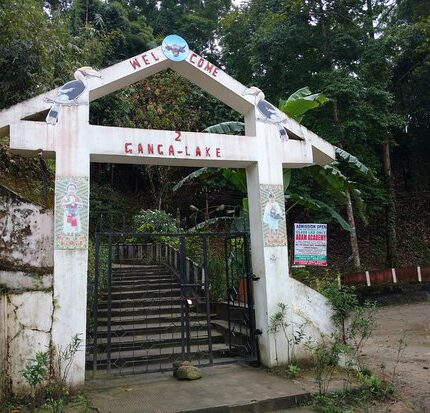
Itanagar, the capital of Arunachal Pradesh, serves as the primary gateway to the state’s interior. The city is dominated by the historical Ita Fort, built with bricks in the 14th century, which gives the city its name. Visitors explore the Gekar Sinyi (Ganga Lake), a beautiful natural water body surrounded by primeval vegetation and orchids. The city reflects a blend of modern administrative infrastructure and traditional Nyishi tribal culture. Itanagar provides the necessary logistical base for obtaining permits and preparing for the rugged journeys into the higher Himalayan valleys of the north.
Ziro
Ziro is an enchanting valley known for its UNESCO-listed cultural landscape. The Apatani tribe, who inhabit the valley, are celebrated for their sophisticated system of ecological conservation and wet rice cultivation. The town is famous for the Ziro Music Festival, which attracts global artists and travelers. Landmarks like the Meghna Cave Temple and the massive Shivalinga at Kardo offer spiritual insights, while the surrounding pine forests provide excellent trekking trails. The unique facial tattoos and nose plugs of the Apatani elders represent a significant ethnographic heritage that remains a focal point for cultural enthusiasts visiting the region.
Daporijo
Daporijo is a picturesque town located on the banks of the Subansiri River in the Upper Subansiri district. It serves as a vital cultural crossroads for the Tagin and Galo tribes. The town is surrounded by verdant hills and is known for its bamboo suspension bridges that showcase indigenous engineering. Travelers often visit the Sigem-Daporijo Sanctuary to witness local flora and fauna. The Subansiri River offers opportunities for angling and rafting for adventure seekers. Daporijo’s local markets are vibrant centers where one can find traditional tribal jewelry and hand-crafted bamboo household items, reflecting a lifestyle deeply connected to nature.
Aalo
Aalo, formerly known as Along, is situated in a wide valley where the Sipu and Siyom rivers converge. It is the heartland of the Galo tribe and is renowned for its scenic beauty and orange plantations. The town features a hanging bridge made of cane and bamboo, which is a marvel of local craftsmanship. Aalo is a center for the Donyi-Polo religion, and the local temples offer a glimpse into this indigenous belief system. The surrounding villages like Darka provide an authentic experience of tribal hospitality. The temperate climate and lush landscapes make Aalo a refreshing stopover on the route to Mechuka.
Mechuka
Mechuka is a breathtaking alpine valley located at an altitude of 6,000 feet, near the Indo-China border. The valley is characterized by its vast meadows, the meandering Yargyap Chu River, and the surrounding snow-capped peaks. The Memba tribe, who are followers of Mahayana Buddhism, lend the region a distinct spiritual character. The 400-year-old Samten Yongcha Monastery is a major cultural landmark. Mechuka’s landscape is often compared to Switzerland due to its pristine beauty and wooden houses. It is an ideal destination for those seeking solitude, photography, and high-altitude trekking in one of the most remote corners of India.
There are no reviews yet.