
Guptkashi Kedarnath Badrinath Tour Package 5 Days from Haridwar
- Places Covered: Guptkashi Kedarnath Badrinath
- Tour Type: Private Tour
- Transport: Private Cab
- Customization: Available
Haridwar to Kedarnath Badrinath Tour Package Itinerary
Day 1: Haridwar to Guptkashi/Sitapur
The journey commences with pickup from Haridwar, proceeding towards Guptkashi or Sitapur. The drive through the scenic Uttarakhand region offers captivating views of the Mandakini River. Guptkashi, meaning ‘Hidden Kashi’, holds significant religious importance, believed to be the place where Lord Shiva hid from the Pandavas. Upon arrival, check into the hotel and prepare for the sacred pilgrimage ahead. The evening is free for relaxation or exploring the local surroundings.
Day 2: Guptkashi/Sitapur to Kedarnath
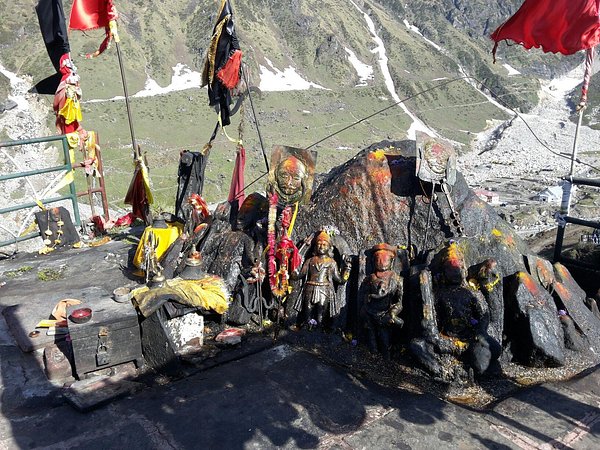
Early morning, proceed to Sonprayag. From Sonprayag, the trek to Kedarnath begins, either by foot (approximately 16 km) or by opting for pony, doli, or helicopter services (at an additional cost). The route to Kedarnath Temple is incredibly picturesque, offering panoramic views of snow-capped peaks and lush valleys. Upon reaching Kedarnath, visit the revered Kedarnath Temple, one of the twelve Jyotirlingas of Lord Shiva. This ancient shrine, built of massive gray stones on a large rectangular platform, stands at an altitude of 3,583 meters and is a testament to architectural resilience and profound spirituality. The temple’s exact origins are uncertain, though it has been standing for over a millennium. Spend time in devotion and soak in the divine atmosphere. Overnight stay near Kedarnath.
Day 3: Kedarnath to Badrinath Region (Joshimath/Pipalkoti)
Descend from Kedarnath to Sonprayag and then drive towards the Badrinath region. The route passes through charming Garhwali villages and offers stunning Himalayan vistas. The drive itself is an integral part of the experience, showcasing the diverse landscapes of Uttarakhand. The destination for the night could be Joshimath or Pipalkoti, strategic locations en route to Badrinath. Joshimath, a significant pilgrimage center, is known as the winter seat of Lord Badrinath and is a gateway to several Himalayan expeditions. Upon arrival, check into the hotel.
Day 4: Badrinath Darshan and Sightseeing, Drive to Rudraprayag/Srinagar
Early morning, proceed to Badrinath Temple for Darshan. Dedicated to Lord Vishnu, this sacred shrine is one of the Char Dham pilgrimage sites. The temple’s vibrant architecture, with its colorful facade, stands in stark contrast to the rugged mountainous backdrop, creating a truly awe-inspiring sight. The temple complex includes the Tapt Kund, a natural hot spring where pilgrims take a holy dip. After Darshan, explore nearby attractions such as Mana Village, often referred to as the ‘last Indian village’ before the Tibetan border. This quaint village is rich in mythological connections, believed to be the place where Vyasa dictated the Mahabharata. Visitors can see Vyasa Gufa, Ganesh Gufa, and the Bhim Pul. Later, commence the drive towards Rudraprayag or Srinagar for an overnight halt.
Day 5: Rudraprayag/Srinagar to Haridwar Drop
Conclude the pilgrimage by driving back to Haridwar. En route, pass through significant confluence points (Prayags). A notable stop is Devprayag, the sacred confluence of the Alaknanda and Bhagirathi rivers, which thereafter forms the holy Ganges River. This spiritual site is revered for its pristine beauty and religious significance. Another important stop might be Rudraprayag, the confluence of the Alaknanda and Mandakini rivers. These sites offer moments of reflection and stunning photographic opportunities. Upon arrival in Haridwar, the tour concludes with drop-off at a designated point, carrying cherished memories of the divine journey.
Kedarnath and Badrinath Sightseeing Highlights
- Kedarnath Temple: A sacred Hindu shrine nestled in the Garhwal Himalayas, dedicated to Lord Shiva. It is one of the Char Dham pilgrimage sites and one of the 12 Jyotirlingas, revered for its ancient history and stunning mountainous backdrop. The temple, accessible by a strenuous trek or helicopter, offers profound spiritual experiences amidst nature’s grandeur.
- Badrinath Temple: This revered Hindu temple, dedicated to Lord Vishnu, is situated along the Alaknanda River. It forms one of the four Dhams of India and is known for its distinctive colorful architecture and the Tapt Kund hot spring, where pilgrims traditionally bathe. The temple’s location in the majestic Himalayas makes it a site of immense spiritual and natural beauty.
- Mana Village: Situated near Badrinath, this is the last inhabited village on the Indian side of the Indo-Tibetan border. Rich in mythological significance, it is believed to be the place where Ved Vyasa composed the Mahabharata. Attractions include Vyas Gufa, Ganesh Gufa, and the impressive Bhim Pul, formed by a natural rock bridge over the Saraswati River.
- Tapt Kund: A natural thermal spring located near the Badrinath Temple. Pilgrims consider a dip in its warm, sulfur-rich waters to be sacred and purifying before entering the main temple for Darshan. The kund is believed to have medicinal properties and adds to the spiritual allure of the Badrinath pilgrimage.
En Route Spiritual Confluences and Scenic Drives
- Devprayag: The holy confluence of two sacred rivers, the Alaknanda and Bhagirathi, which merge here to form the mighty Ganges River. This picturesque site is one of the Panch Prayags (five sacred confluences) and holds immense religious significance for Hindus. The vibrant color difference between the two rivers at their meeting point is a captivating sight.
- Rudraprayag: Located at the confluence of the Alaknanda and Mandakini rivers, Rudraprayag is another revered Panch Prayag. The town is named after Lord Shiva, also known as Rudra. It serves as a significant stopover point for pilgrims traveling to Kedarnath and Badrinath, offering spiritual tranquility and stunning views of the Himalayan rivers.
3 Star Hotels in Guptkashi Kedarnath Badrinath and nearby cities
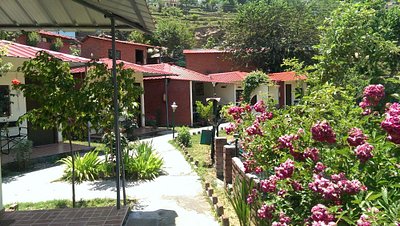
- Guptkashi/Sitapur: Accommodations offer comfortable stays with basic amenities, often providing views of the surrounding mountains. Hotels focus on pilgrim comfort, ensuring clean rooms and essential services.
- Kedarnath: Limited options for basic but clean guesthouses and dharamshalas near the temple, primarily focused on providing shelter for pilgrims.
- Joshimath/Pipalkoti: Hotels here provide more modern facilities and are often used as a comfortable base before proceeding to Badrinath. They offer a range of amenities suitable for families and groups.
- Rudraprayag/Srinagar: These stopover towns offer decent 3-star hotel options with good connectivity and amenities, suitable for resting before the final leg of the journey back to Haridwar.
Guptkashi Kedarnath Badrinath Package Price from Haridwar
- For 2 adults: Rs. 17760 per person
- For 3 adults: Rs. 13760 per person
- For 4-7 adults: Starting from Rs. 10903 per person (for 7 adults)
- For 8-10 adults: Starting from Rs. 10560 per person (for 10 adults)
- For 11-12 adults: Starting from Rs. 9760 per person (for 12 adults)
Inclusions in Guptkashi Kedarnath Badrinath tour package 5 days
Breakfast, all sightseeing as per itinerary, AC vehicle Dzire or Innova or Tempo Traveller as per group size, driver allowance, parking, tolls, and stay in 3star AC hotels.
Exclusions in Guptkashi Kedarnath Badrinath Package from Haridwar
Anything not mentioned in inclusions, entry tickets, boating, guide services, personal expenses, camera fees, or meals other than breakfast.
Child Policy for Kedarnath Badrinath Trip from Haridwar
Child up to 6 years Free
Child 6 to 8 years Half charge
Child above 8 years Full charge
Payment Policy for Kedarnath Badrinath Package Booking
20 percent advance at time of booking
20 percent after getting hotel booking voucher
60 percent during tour in parts
For tours between 15 Dec to 2 Jan, 50 percent advance payment required.
Cancellation Policy for Kedarnath Badrinath Tour
Minimum Rs. 3000 cancellation charge per person
10 percent or Rs. 3000 per person whichever is higher
25 percent cancellation between 46 to 30 days before departure
50 percent cancellation between 30 to 15 days before departure
75 percent cancellation between 15 to 5 days before departure
100 percent cancellation within 5 days of departure or noshow
Cancellation charges are calculated as percentage of total tour cost.
Frequently Asked Questions – Kedarnath Badrinath Travel Guide
- What is the best time to visit Kedarnath and Badrinath?
The best time to visit is from May to June and September to October. During these months, the weather is pleasant, and the pilgrimage routes are fully accessible. The temples usually close for winter in late October or early November. - Is it necessary to book accommodation in advance for Kedarnath and Badrinath?
Yes, especially during peak season, it is highly recommended to book all accommodations in advance to avoid last-minute hassles and ensure comfortable stays. - What kind of clothing should be carried for the trip?
Layered clothing is advisable. Warm woolens, thermals, a heavy jacket, caps, and gloves are essential, even in summer, as temperatures can drop significantly, especially at higher altitudes like Kedarnath. - Are medical facilities available along the pilgrimage route?
Basic medical aid posts and first aid facilities are available at various points, particularly in Sonprayag, Gaurikund, and near Kedarnath and Badrinath temples. It is recommended to carry personal medications. - Is a helicopter service available for Kedarnath?
Yes, helicopter services are available from Phata, Guptkashi, and Sitapur to Kedarnath, significantly reducing the travel time and effort. Bookings should be made well in advance. - What is the altitude of Kedarnath and Badrinath?
Kedarnath Temple is situated at an altitude of approximately 3,583 meters (11,755 feet), and Badrinath Temple is at about 3,133 meters (10,279 feet) above sea level. - Can senior citizens undertake this pilgrimage?
Senior citizens can undertake this pilgrimage, but physical fitness is important. Helicopter services for Kedarnath and doli/pony options are available to assist them. Consultation with a doctor before the trip is recommended. - What are the key attractions besides the main temples?
Other attractions include Mana Village, Tapt Kund, Vyas Gufa, Ganesh Gufa, Bhim Pul near Badrinath, and the various spiritual confluences like Devprayag and Rudraprayag en route. - Is it safe to travel to these regions during monsoon?
Travel during monsoon (July-August) can be risky due to landslides and heavy rainfall, potentially causing road closures. It is generally advisable to avoid these months for pilgrimage. - What types of food are available during the journey?
Predominantly vegetarian food is available. There are numerous small eateries (dhabas) and restaurants offering local Garhwali cuisine, North Indian dishes, and simple meals for pilgrims. - What are the mobile network and internet connectivity like?
Connectivity can be patchy, especially in remote areas and higher altitudes. BSNL and Jio networks generally have better coverage in some regions, but do not expect seamless internet access throughout the journey. - Are there any specific entry requirements for the temples?
No specific entry tickets are required for the temples themselves, but some regions might require registration for pilgrims. Photography might be restricted inside the inner sanctum of the temples.
Important Travel Information for Guptkashi Kedarnath Badrinath Package
- Physical Fitness: The pilgrimage involves significant trekking, particularly to Kedarnath. A good level of physical fitness is required. Regular walks and light exercises prior to the trip are beneficial.
- Altitude Sickness: Be aware of the symptoms of altitude sickness (Acute Mountain Sickness – AMS) such as headache, nausea, dizziness. Acclimatize gradually, stay hydrated, and avoid strenuous activity on arrival at higher altitudes.
- Weather Conditions: Himalayan weather can be unpredictable. Pack layers of clothing, including heavy woolens, rain gear, and comfortable walking shoes. Check weather forecasts before departure.
- Permits and Registrations: Ensure all necessary permits or registrations for the Char Dham Yatra are completed as mandated by local authorities.
- Cash and Cards: Carry sufficient cash, as ATM facilities may be limited in remote areas. Digital payment options are also expanding but not universally available.
- Environmental Responsibility: Practice responsible tourism. Do not litter, respect local customs and traditions, and maintain the sanctity of the pilgrimage sites.
- Travel Insurance: Consider purchasing travel insurance to cover unforeseen circumstances like medical emergencies, trip cancellations, or baggage loss.
- Accommodation: Book all accommodations in advance, especially during the peak season, to ensure availability and secure preferred rates.
- Hydration and Nutrition: Drink plenty of water and consume light, nutritious food to maintain energy levels throughout the journey. Avoid heavy or oily foods.
- Emergency Contacts: Keep a list of emergency contacts, including tour operator details, local police, and medical services.
- Photography: While photography is generally allowed in most open areas, respect signboards indicating restrictions, particularly inside temple sanctums.
- Flexibility: The itinerary may be subject to changes due to weather conditions, road closures, or other unforeseen circumstances. Maintain flexibility and cooperate with the tour operator.
Trypdeals tour packages you might be interested in
Visit our main website for more incredible travel deals: Trypdeals Home
Explore our wide range of tour packages across various destinations: All Tours by Trypdeals
Discover the most sought-after travel destinations with Trypdeals: Top Travel Destinations
Kedarnath
Embark on the revered Guptkashi Kedarnath Badrinath tour package 5 days, a spiritual odyssey into the heart of the Himalayas. This journey offers a unique blend of devotion and natural splendor across sacred sites.
The revered Kedarnath Dham is one of the twelve Jyotirlingas of Lord Shiva and a prominent site in the Char Dham pilgrimage. Situated at an astonishing altitude of 3,583 meters amidst the majestic Garhwal Himalayas, the ancient temple stands as a testament to profound faith and architectural resilience. Surrounded by towering snow-clad peaks and the Mandakini River, the journey to Kedarnath is as spiritually enriching as the destination itself, offering unparalleled views and a deep sense of tranquility.
Badrinath
Badrinath Temple, dedicated to Lord Vishnu, stands proudly on the banks of the Alaknanda River, surrounded by the towering Neelkanth Peak. It is one of India’s most sacred pilgrimage sites, forming part of both the Char Dham and Chota Char Dham yatras. The vibrant temple, with its distinct architecture, offers a breathtaking spiritual experience, complemented by the natural hot springs of Tapt Kund. Pilgrims visit Badrinath not only for devotion but also to soak in the serene beauty of the high Himalayas.
Guptkashi
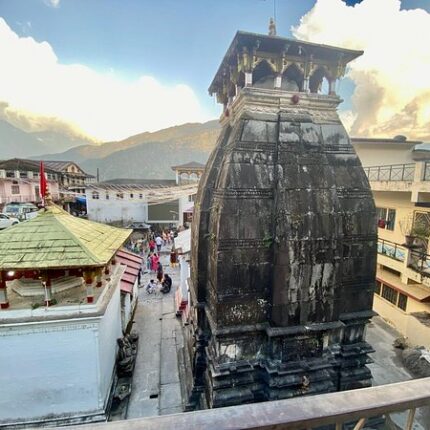
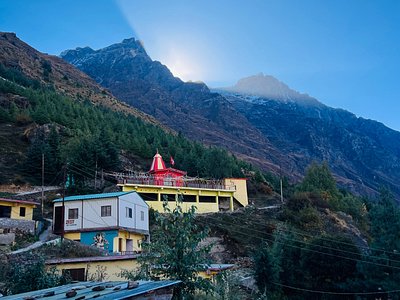
Guptkashi, nestled in the scenic Mandakini valley, holds deep mythological significance, believed to be the place where Lord Shiva hid from the Pandavas. This spiritual town serves as a crucial base for the Kedarnath pilgrimage, offering a serene environment and stunning views of the Chaukhamba peaks. Guptkashi is home to ancient temples like the Vishwanath Temple and Ardhnareshwar Temple, reflecting rich Hindu traditions and providing a tranquil prelude to the higher Himalayan shrines.
Haridwar
Haridwar, the ‘Gateway to God’, is one of the seven holiest places for Hindus. Situated on the banks of the sacred River Ganges, it is a significant pilgrimage city where millions flock to take a holy dip in the river, believing it cleanses sins. The evening Ganga Aarti at Har Ki Pauri is a mesmerizing spectacle of devotion, light, and sound. Haridwar serves as an essential starting and ending point for various Himalayan pilgrimages, including the Char Dham Yatra.
There are no reviews yet.