
Five Rathas, Chennai
Overview
- •The Five Rathas, or Pancha Rathas, is a remarkable cluster of monolithic rock-cut temples at Mahabalipuram, a UNESCO World Heritage Site on Tamil Nadu's Coromandel Coast.
- •Carved from single outcrops of granite, these fifth-century structures resemble chariots and showcase the pinnacle of Pallava architecture.
- •The complex offers a fascinating glimpse into early Dravidian temple design, with each ratha named after a character from the Mahabharata.
Highlights
- The monolithic rock-cut architecture, each ratha carved from a single granite boulder.
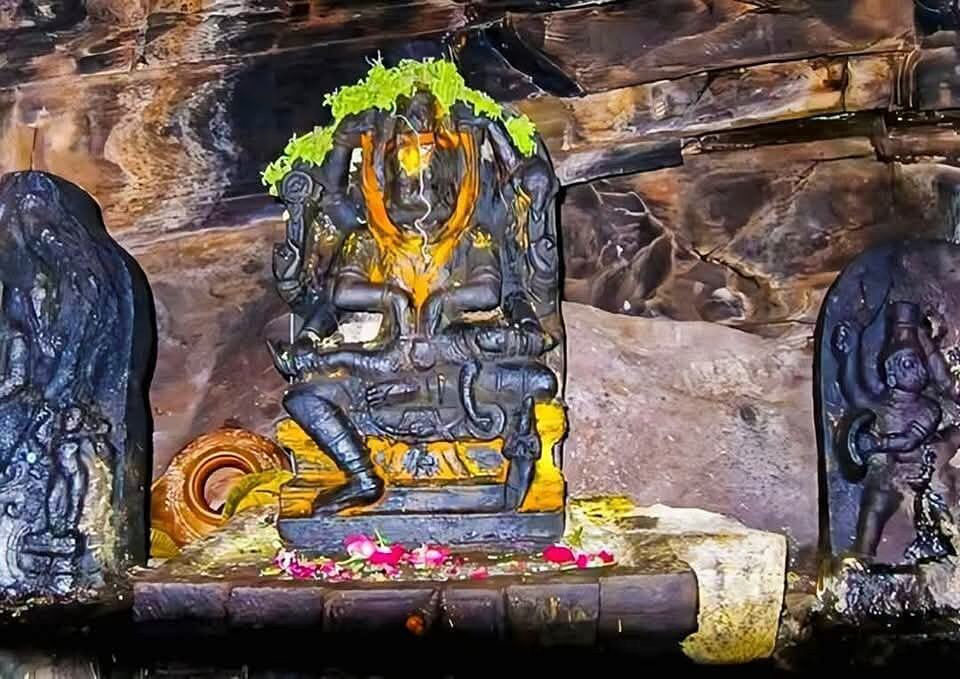
- The intricate carvings depicting Hindu deities, including Durga, Shiva, and Vishnu.
- The unfinished Dharmaraja Ratha, which offers insight into the carving process.
- The nearby elephant and lion sculptures that add to the site's grandeur.
Religious Significance
The Pancha Rathas are historically significant as outstanding examples of monolithic Indian rock-cut architecture, demonstrating the transition from wooden to stone temples in South India. They are part of the Group of Monuments at Mahabalipuram, inscribed as a UNESCO World Heritage Site, and are protected by the Archaeological Survey of India. The site provides crucial insights into the artistic and engineering skills of the Pallava dynasty, reflecting both religious and royal patronage.
Facilities
Basic facilities only: there is a small ticket counter, and nearby you can find restrooms and a few local vendors selling water and snacks, but no formal cafeteria. The site is open-air, so there is limited shade.
Legend
- •According to local legend, the five rathas were carved from the living rock and were never consecrated, as they were considered to be the chariots of the Pandava brothers from the Mahabharata.
- •It is said that the unfinished nature of some rathas and the absence of worship are due to a curse or that the site was abandoned before completion.
- •However, this is a popular folk tale rather than a historically verified account.
History
- •The Pancha Rathas were initially attributed to the reign of King Narasimhavarman I (630–668 CE), but later historians, notably R.
- •Nagaswamy, have suggested they were carved under Narasimhavarman II (695–722 CE) based on new inscriptions.
- •The complex was likely created as a training ground for sculptors and architects, experimenting with different styles of temple architecture.
- •Over centuries, the site remained buried under sand until it was excavated by the Archaeological Survey of India in the early 20th century.
Travel Tips
- Start your visit early in the morning to avoid crowds and heat, as the site gets busy by mid-day.
- Combine your trip with other Mahabalipuram monuments—buy a combined ticket to save money.
- Hire a local guide at the entrance for a deeper understanding of the carvings and history.
Location
- •The Five Rathas are located in the town of Mahabalipuram, in Chengalpattu district, Tamil Nadu, approximately 53.4 kilometers south of Chennai.
- •They lie within the main monument complex, close to the shore of the Bay of Bengal.
How to Reach
- •From Chennai city center, you can hire a taxi or take a local bus (e.g., from Thiruvanmiyur or Koyambedu) to Mahabalipuram; the journey takes about 1.5 to 2 hours via the East Coast Road (ECR).
- •Alternatively, you can drive along the scenic ECR, which is well-maintained and signposted.
Things to Do
Guided Heritage Walk
1-2 hoursJoin a knowledgeable guide or use an audio guide to explore the rathas and learn about Pallava art and architecture.
Photography Tour
1 hourCapture the intricate carvings and play of light on the granite structures, especially during golden hour.
Do's and Don'ts
- •Do wear comfortable walking shoes as the site involves walking on uneven rocky terrain, and carry water and sun protection.
- •Do not climb or touch the carvings to help preserve them, and avoid littering.
- •Photography is allowed, but be respectful of the archaeological importance and do not use flash if it disturbs other visitors.
Photography Rules
- •Photography is generally permitted for personal use, but tripods and commercial shoots may require prior permission from the Archaeological Survey of India.
Frequently Asked Questions
No, the rathas are not active temples; they are archaeological monuments preserved by the ASI. They were likely never consecrated for worship, and visitors are not allowed to enter the sanctums. The site is primarily for historical and architectural appreciation.
As of recent updates, the entry fee for Indian citizens is around ₹40, for foreign nationals it is ₹600 (including the Shore Temple and other monuments), and for SAARC/ASEAN visitors it is ₹250. Children under 15 enter free. Fees are subject to change, so it's best to verify with the ASI.
You can comfortably explore the Five Rathas in about 45 minutes to an hour. However, since it is part of the larger Mahabalipuram monument complex, plan for at least half a day to see other nearby attractions like the Shore Temple and Arjuna's Penance.
Quick Information
Best Time
The best time to visit is from November to February when the weather is pleasant and cool, ideal for exploring the outdoor monuments.
Related Topics
Tour Packages for Chennai




Explore More of Chennai
Destination Hub
Chennai OverviewSpiritual & Temple Guides
Places to Explore
Discover attraction
Discover attraction
Discover attraction
Discover attraction
Discover attraction
Discover attraction
Discover attraction
Discover attraction
Discover attraction
Discover attraction
Discover attraction
Discover attraction
Discover attraction
Discover attraction
Discover attraction
Discover attraction
Discover attraction
Discover attraction
Discover attraction
Discover attraction
Discover attraction
Discover attraction
Discover attraction
Discover attraction
Discover attraction
Discover attraction
Discover attraction
Discover attraction
Discover attraction
Discover attraction
Discover attraction
Discover attraction
Discover attraction
Discover attraction
Discover attraction
Discover attraction
Discover attraction
Discover attraction
Discover attraction
Discover attraction
Discover attraction
Discover attraction
Discover attraction
Discover attraction
Discover attraction
Discover attraction
Discover attraction
Discover attraction
Discover attraction
Discover attraction
Discover attraction
Discover attraction
Discover attraction
Discover attraction
Discover attraction
Discover attraction
Discover attraction
Discover attraction
Discover attraction
Discover attraction
Discover attraction
Discover attraction
Discover attraction
Discover attraction
Discover attraction
Discover attraction
Discover attraction
Discover attraction
Discover attraction
Discover attraction
Discover attraction
Discover attraction
Discover attraction
Discover attraction
Discover attraction
Discover attraction
Discover attraction
Discover attraction
Discover attraction
Discover attraction
Discover attraction
Discover attraction
Discover attraction
Discover attraction
Discover attraction
Discover attraction
Discover attraction
Discover attraction
Discover attraction
Discover attraction
Discover attraction
Discover attraction
Discover attraction
Discover attraction
Discover attraction
Discover attraction
Discover attraction
Discover attraction
Discover attraction
Discover attraction
Discover attraction
Discover attraction
Discover attraction
Discover attraction
Discover attraction
Discover attraction
Discover attraction
Discover attraction
Discover attraction
Discover attraction
Discover attraction
Discover attraction
Discover attraction