
Nitya Kalyana Perumal Temple, Tiruvidanthai, Chennai
Overview
- •Nithyakalayana Perumal Temple, located in the village of Thiruvidandai about 35.7 km from Chennai, is a revered Hindu shrine dedicated to Varaha, the boar avatar of Vishnu.
- •This ancient temple, constructed in the Tamil style of architecture, is one of the 108 Divya Desams and is celebrated in the early medieval Tamil hymns of the Alvar saints.
- •Its serene coastal setting and rich spiritual heritage make it a meaningful stop for pilgrims and history enthusiasts alike.
Highlights
- One of the 108 Divya Desams, glorified in the Naalayira Divya Prabandham
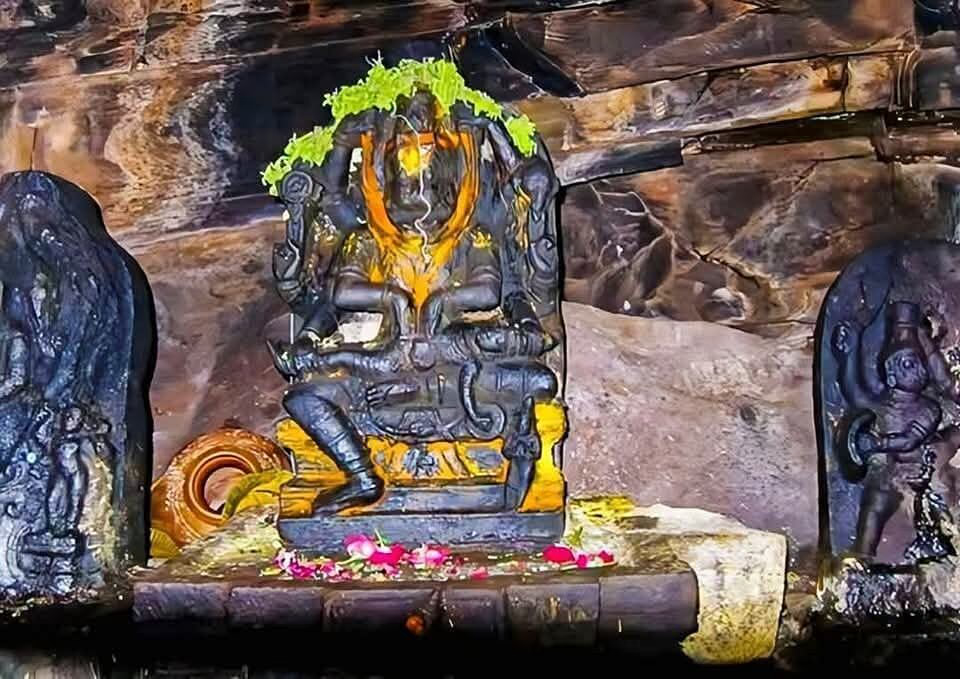
- Dedicated to Varaha, the boar avatar of Vishnu, a rare form among Divya Desams
- Ancient Pallava-era architecture with intricate stone carvings
- Serene village setting near the coast, about 35.7 km from Chennai
Religious Significance
The temple holds significant religious importance as one of the 108 Divya Desams, glorified in the Naalayira Divya Prabandham by the Alvar saints (6th–9th centuries CE). It is dedicated to Vishnu as Nithyakalayana Perumal (Varaha) with his consort Lakshmi as Komalavalli Thayar, making it a key site for Vaishnavite pilgrims. The temple's association with the Varaha avatar and its mention in sacred Tamil literature underscore its enduring spiritual relevance.
Dress Code
Traditional attire is recommended; men may wear dhoti or trousers, and women are advised to wear sarees or salwar kameez, avoiding shorts and revealing clothing.
Facilities
Basic facilities such as restrooms and a small temple office are available. Drinking water is provided, but there are no dining options on site; nearby eateries in the village offer simple meals.
Rituals
- •Daily rituals include suprabhatam, thiruvananthal, and ardhajama puja, following Vaishnavite traditions.
- •Special abhishekams and homams are performed on auspicious days and during festivals.
Festivals
- •The temple celebrates Vaikunta Ekadasi with grandeur, drawing large crowds, and the annual Brahmotsavam is a major event featuring processions of the deity.
- •Other Vaishnavite festivals like Rama Navami and Navaratri are also observed with devotion.
Darshan Guide
- •Darshan is generally open throughout the day, with special offerings during festival times.
- •Visitors should check local timings as they may vary on festival days and during temple rituals.
Rituals
- •Daily rituals include suprabhatam, thiruvananthal, and ardhajama puja, following Vaishnavite traditions.
- •Special abhishekams and homams are performed on auspicious days and during festivals.
History
- •The original structure of the temple is attributed to the Pallava dynasty, reflecting early medieval South Indian temple architecture.
- •Its glory is recorded in the Naalayira Divya Prabandham, the Tamil canon of the Alvar saints composed between the 6th and 9th centuries CE.
- •Over the centuries, the temple has been maintained and expanded by successive rulers, preserving its ancient character.
Architecture
- •The temple exemplifies the Tamil style of architecture, featuring a modest gopuram (entrance tower) and pillared halls typical of the Pallava and later Chola periods.
- •The sanctum houses the principal deity, with intricate stone carvings adorning the walls and pillars.
- •The layout follows traditional Dravidian temple planning, with a central shrine surrounded by subsidiary structures.
Temple Layout
- •The temple complex includes a central sanctum dedicated to Nithyakalayana Perumal (Varaha) in a standing posture, along with a separate shrine for Goddess Komalavalli Thayar.
- •The precincts contain a temple tank, a flagstaff, and pillared mandapas used for rituals and gatherings.
- •Devotees typically circumambulate the inner courtyard to view the various shrines and sculptures.
Travel Tips
- Combine your visit with nearby attractions like Mahabalipuram, as the temple is on the ECR route, but plan for at least 1–2 hours at the temple.
- Carry cash for offerings (prasadam) and donations, as there may not be card payment facilities on site.
- Visit on weekdays to avoid the weekend rush from Chennai day-trippers, and check festival dates if you wish to witness special celebrations.
Frequently Asked Questions
The temple is one of the 108 Divya Desams, sacred to Vaishnavites, and is dedicated to Varaha, an avatar of Vishnu. It is mentioned in the Naalayira Divya Prabandham, a collection of hymns by Alvar saints from the 6th–9th centuries CE. The name 'Nithyakalayana' means 'eternal bridegroom,' reflecting the belief that Vishnu is ever-ready to bless devotees with marriage and prosperity.
The temple is located about 35.7 km from Chennai in Thiruvidandai village, along the East Coast Road (ECR) towards Mahabalipuram. You can drive via ECR, which takes about 1 to 1.5 hours depending on traffic, or take a bus from Chennai to Thiruvidandai. Taxis and app-based cabs are also available for a more convenient journey.
The temple is typically open from 6:00 AM to 12:00 PM and 4:00 PM to 8:00 PM, but hours may vary during festivals. Traditional attire is recommended; men should wear dhoti or trousers, and women should wear sarees or salwar kameez. Avoid shorts and revealing clothing to respect local customs.
Quick Information
Best Time
The best time to visit is from November to February when the weather is pleasant; early morning or evening darshan is ideal to avoid crowds and heat.
Timings
6:00 AM - 12:00 PM, 4:00 PM - 8:00 PM
Entry Fee
Free
Related Topics
Tour Packages for Chennai




Explore More of Chennai
Destination Hub
Chennai OverviewSpiritual & Temple Guides
Places to Explore
Discover attraction
Discover attraction
Discover attraction
Discover attraction
Discover attraction
Discover attraction
Discover attraction
Discover attraction
Discover attraction
Discover attraction
Discover attraction
Discover attraction
Discover attraction
Discover attraction
Discover attraction
Discover attraction
Discover attraction
Discover attraction
Discover attraction
Discover attraction
Discover attraction
Discover attraction
Discover attraction
Discover attraction
Discover attraction
Discover attraction
Discover attraction
Discover attraction
Discover attraction
Discover attraction
Discover attraction
Discover attraction
Discover attraction
Discover attraction
Discover attraction
Discover attraction
Discover attraction
Discover attraction
Discover attraction
Discover attraction
Discover attraction
Discover attraction
Discover attraction
Discover attraction
Discover attraction
Discover attraction
Discover attraction
Discover attraction
Discover attraction
Discover attraction
Discover attraction
Discover attraction
Discover attraction
Discover attraction
Discover attraction
Discover attraction
Discover attraction
Discover attraction
Discover attraction
Discover attraction
Discover attraction
Discover attraction
Discover attraction
Discover attraction
Discover attraction
Discover attraction
Discover attraction
Discover attraction
Discover attraction
Discover attraction
Discover attraction
Discover attraction
Discover attraction
Discover attraction
Discover attraction
Discover attraction
Discover attraction
Discover attraction
Discover attraction
Discover attraction
Discover attraction
Discover attraction
Discover attraction
Discover attraction
Discover attraction
Discover attraction
Discover attraction
Discover attraction
Discover attraction
Discover attraction
Discover attraction
Discover attraction
Discover attraction
Discover attraction
Discover attraction
Discover attraction
Discover attraction
Discover attraction
Discover attraction
Discover attraction
Discover attraction
Discover attraction
Discover attraction
Discover attraction
Discover attraction
Discover attraction
Discover attraction
Discover attraction
Discover attraction
Discover attraction
Discover attraction
Discover attraction
Discover attraction