
Chitragupta Temple, Mahabalipuram
Overview
- •Chitragupta Temple is a rare Hindu shrine dedicated to Chitragupta, the celestial accountant of Yama, the god of death.
- •Located in Kanchipuram, approximately 57.9 km from Mahabalipuram, this temple offers a unique spiritual experience for those exploring Tamil Nadu's temple heritage.
- •Its modest yet distinctive architecture and religious significance make it a worthwhile stop for pilgrims and history enthusiasts.
Highlights
- One of the rare temples dedicated to Chitragupta in India
- Three-tiered Rajagopuram with traditional Dravidian architecture
- Compact single-precinct layout offering an intimate spiritual experience
- Located in the historic temple town of Kanchipuram, close to Mahabalipuram
Religious Significance
This temple is one of the very few in India dedicated to Chitragupta, who is believed to record the good and bad deeds of human beings for Yama's judgment. According to legend, Chitragupta emerged from a painting created by Brahma, making him a unique deity associated with justice and accountability. For devotees, the temple holds special importance as a place to seek blessings for a righteous life and a favorable afterlife.
Dress Code
Traditional and modest attire is expected, with men often wearing dhotis and women in sarees or salwar kameez, though decent Western clothing is also acceptable.
Facilities
Basic facilities only, including limited rest areas and a small temple office. Visitors may find minimal amenities, so it's advisable to carry water and plan for limited services.
Rituals
- •Daily rituals include abhishekam (sacred bathing of the deity) and aarthi (offering of light), following standard South Indian temple practices.
- •Special poojas may be performed on auspicious days, but the temple primarily serves as a site for regular worship.
Festivals
- •The temple celebrates major Hindu festivals such as Brahmotsavam and Vaikasi Visakam, which draw devotees for special processions and rituals.
- •Chitragupta's unique association with Yama may also be highlighted during certain observances.
Darshan Guide
- •Darshan is typically open to all visitors, and the temple's small size allows for a quick and personal visit.
- •It is advisable to check local timings before visiting, as the temple may close during afternoon hours.
Rituals
- •Daily rituals include abhishekam (sacred bathing of the deity) and aarthi (offering of light), following standard South Indian temple practices.
- •Special poojas may be performed on auspicious days, but the temple primarily serves as a site for regular worship.
History
- •The temple's origins are rooted in Hindu mythology, particularly the story of Chitragupta's creation by Brahma.
- •While the exact date of construction is not well-documented, it is part of Kanchipuram's rich temple tradition, which flourished under various South Indian dynasties.
- •The temple has been maintained as an active place of worship, preserving its unique dedication over the centuries.
Architecture
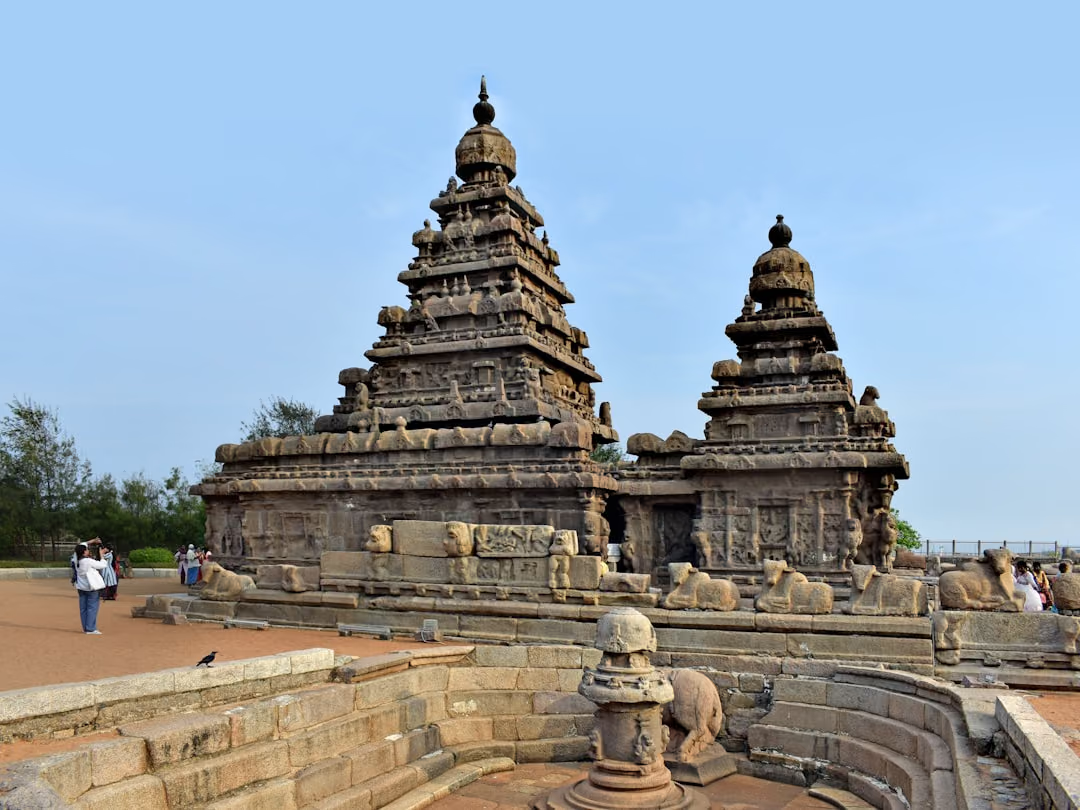
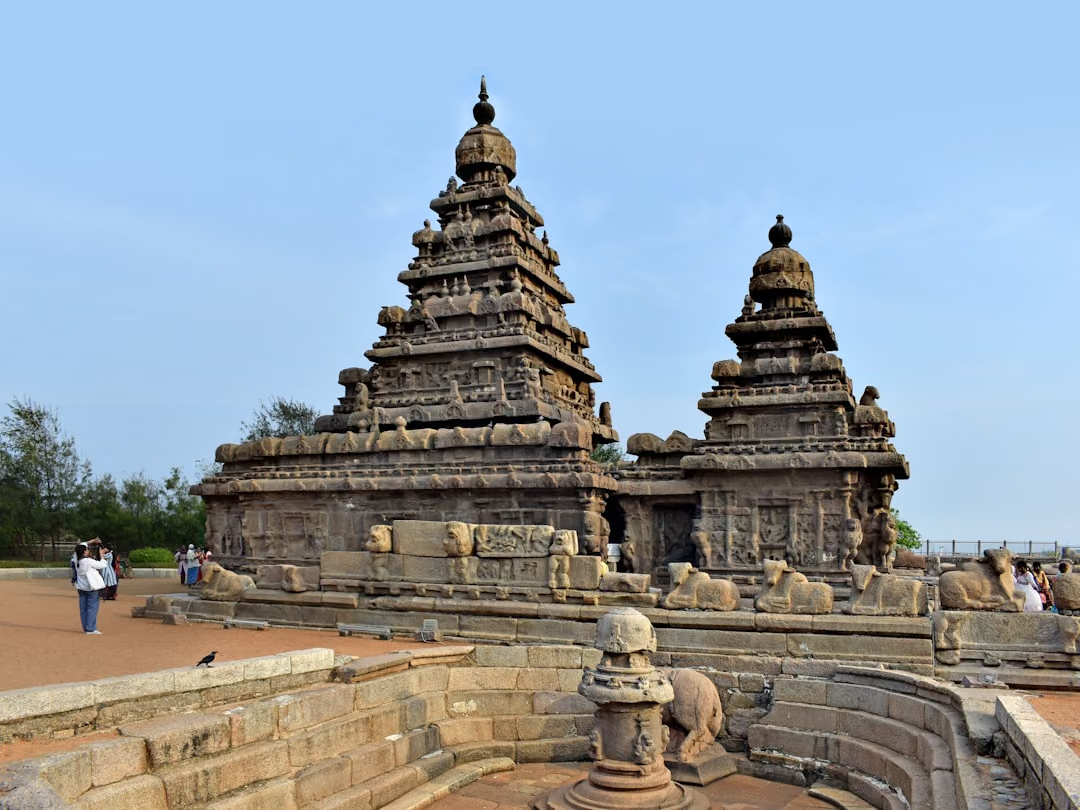
- •The temple features a three-tiered Rajagopuram (gateway tower), a characteristic element of South Indian temple architecture.
- •The sanctum is enclosed within a single precinct, giving the temple a compact and intimate layout.
- •The architecture reflects the traditional Dravidian style, with intricate carvings and a serene ambiance.
Temple Layout
- •The temple comprises a single precinct surrounding the sanctum, which houses the main deity, Chitragupta.
- •The Rajagopuram at the entrance leads into a modest courtyard with the central shrine.
- •The layout is simple, allowing devotees to easily navigate the temple and focus on worship.
Travel Tips
- Combine your visit with other Kanchipuram temples, as the town is known for its rich temple heritage.
- Hire a local guide to learn more about the temple's mythology and history, but agree on a price beforehand.
- Carry water and wear comfortable footwear, as you may need to walk from parking areas to the temple.
Frequently Asked Questions
Chitragupta is a Hindu deity considered the assistant of Yama, the god of death, and is believed to record the good and bad deeds of humans. He is said to have emerged from a painting created by Brahma. This temple is one of the very few dedicated to him, making it a rare and significant pilgrimage site.
The temple is located about 57.9 km from Mahabalipuram, in Kanchipuram. You can reach it by road via the East Coast Road and NH-32, which typically takes about 1.5 to 2 hours by car or taxi. Public buses also connect Mahabalipuram to Kanchipuram, though with more travel time.
The temple is generally open from 6:00 AM to 12:00 PM and 4:00 PM to 8:00 PM. Entry is free, but donations are welcome. It's advisable to confirm timings locally before your visit, as they may vary on festival days.
Quick Information
Best Time
The best time to visit is during the cooler months from November to February, avoiding the peak summer heat.
Timings
6:00 AM - 12:00 PM and 4:00 PM - 8:00 PM
Entry Fee
Free
Related Topics
Tour Packages for Mahabalipuram




Explore More of Mahabalipuram
Destination Hub
Mahabalipuram OverviewSpiritual & Temple Guides
Places to Explore
Discover attraction
Discover attraction
Discover attraction
Discover attraction
Discover attraction
Discover attraction
Discover attraction
Discover attraction
Discover attraction
Discover attraction
Discover attraction
Discover attraction
Discover attraction
Discover attraction
Discover attraction
Discover attraction
Discover attraction
Discover attraction
Discover attraction
Discover attraction
Discover attraction
Discover attraction
Discover attraction
Discover attraction
Discover attraction
Discover attraction
Discover attraction
Discover attraction
Discover attraction
Discover attraction
Discover attraction
Discover attraction
Discover attraction
Discover attraction
Discover attraction
Discover attraction
Discover attraction
Discover attraction
Discover attraction
Discover attraction
Discover attraction
Discover attraction
Discover attraction
Discover attraction
Discover attraction
Discover attraction
Discover attraction
Discover attraction
Discover attraction
Discover attraction
Discover attraction
Discover attraction
Discover attraction
Discover attraction
Discover attraction
Discover attraction
Discover attraction
Discover attraction
Discover attraction
Discover attraction
Discover attraction
Discover attraction
Discover attraction
Discover attraction
Discover attraction
Discover attraction
Discover attraction
Discover attraction
Discover attraction
Discover attraction
Discover attraction
Discover attraction
Discover attraction
Discover attraction
Discover attraction
Discover attraction
Discover attraction
Discover attraction
Discover attraction
Discover attraction
Discover attraction
Discover attraction
Discover attraction
Discover attraction
Discover attraction
Discover attraction
Discover attraction
Discover attraction
Discover attraction
Discover attraction
Discover attraction
Discover attraction
Discover attraction
Discover attraction
Discover attraction
Discover attraction
Discover attraction
Discover attraction
Discover attraction
Discover attraction
Discover attraction
Discover attraction
Discover attraction
Discover attraction
Discover attraction
Discover attraction
Discover attraction
Discover attraction
Discover attraction
Discover attraction
Discover attraction
Discover attraction
Discover attraction
Discover attraction
Discover attraction
Discover attraction
Discover attraction
Discover attraction
Discover attraction