
Kesava Perumal Temple, Mahabalipuram
Overview
- •Kesava Perumal Temple, also known as Adi Kesava Temple, is a serene Vaishnavite shrine located in Mylapore, Chennai, approximately 45.7 km from the coastal heritage town of Mahabalipuram.
- •Dedicated to Vishnu as Adi Kesava Perumal, this ancient temple is celebrated as the birthplace of the Alvar saint Peyalvar.
- •Its tranquil atmosphere and Dravidian architecture offer a peaceful retreat for pilgrims exploring Tamil Nadu's temple trail.
Highlights
- Birthplace of Peyalvar, one of the earliest Alvar saints
- One of the 108 Abhimana Kshethrams of Vaishnavism
- Tranquil Dravidian architecture in the heart of Mylapore
- Sacred shrine to Vishnu as Adi Kesava and Mayuravalli Thayar
Religious Significance
The temple holds deep religious importance as one of the 108 Abhimana Kshethrams of the Vaishnavate tradition, revered sites mentioned in the works of the Alvar saints. It is especially significant as the believed birthplace of Peyalvar, one of the three earliest Alvars, whose hymns are integral to Tamil Vaishnavite liturgy. Devotees visit to seek blessings of Vishnu and his consort Mayuravalli Thayar, and to connect with the saintly heritage of the region.
Dress Code
Traditional attire is preferred; men may wear dhoti or trousers, and women should dress modestly in sarees or salwar kameez.
Facilities
Basic facilities include a temple office for inquiries and a small area for devotees to rest. Limited restrooms are available; pilgrims may need to rely on nearby public amenities in Mylapore.
Rituals
- •Daily rituals include suprabhatam (morning awakening), abhishekam, and alankaram (decoration) of the deities, followed by multiple aradhanas (offerings).
- •Special poojas are conducted on Vaikunta Ekadashi and other Vishnu-related observances.
Festivals
- •Vaikunta Ekadashi, celebrated in the Tamil month of Margazhi (December-January), is the most prominent festival, drawing large crowds.
- •Other festivals include Brahmotsavam and the birth anniversary of Peyalvar, marked with processions and recitals of his hymns.
Darshan Guide
- •Darshan is available throughout the day, with special abhishekams (ritual bathing) performed during morning hours.
- •Devotees can offer prayers at the main shrine and seek blessings at the Thayar shrine; queues are typically short except during festival days.
Rituals
- •Daily rituals include suprabhatam (morning awakening), abhishekam, and alankaram (decoration) of the deities, followed by multiple aradhanas (offerings).
- •Special poojas are conducted on Vaikunta Ekadashi and other Vishnu-related observances.
History
- •The temple's origins are ancient, with legends linking it to the divine appearance of Vishnu as Adi Kesava.
- •It is traditionally associated with Peyalvar, who is said to have been born here, and the temple finds mention in the Divya Prabandham, the collection of Alvar hymns.
- •While exact historical dates are not documented, the site has been a living center of worship for centuries, with later contributions from various dynasties.
Architecture
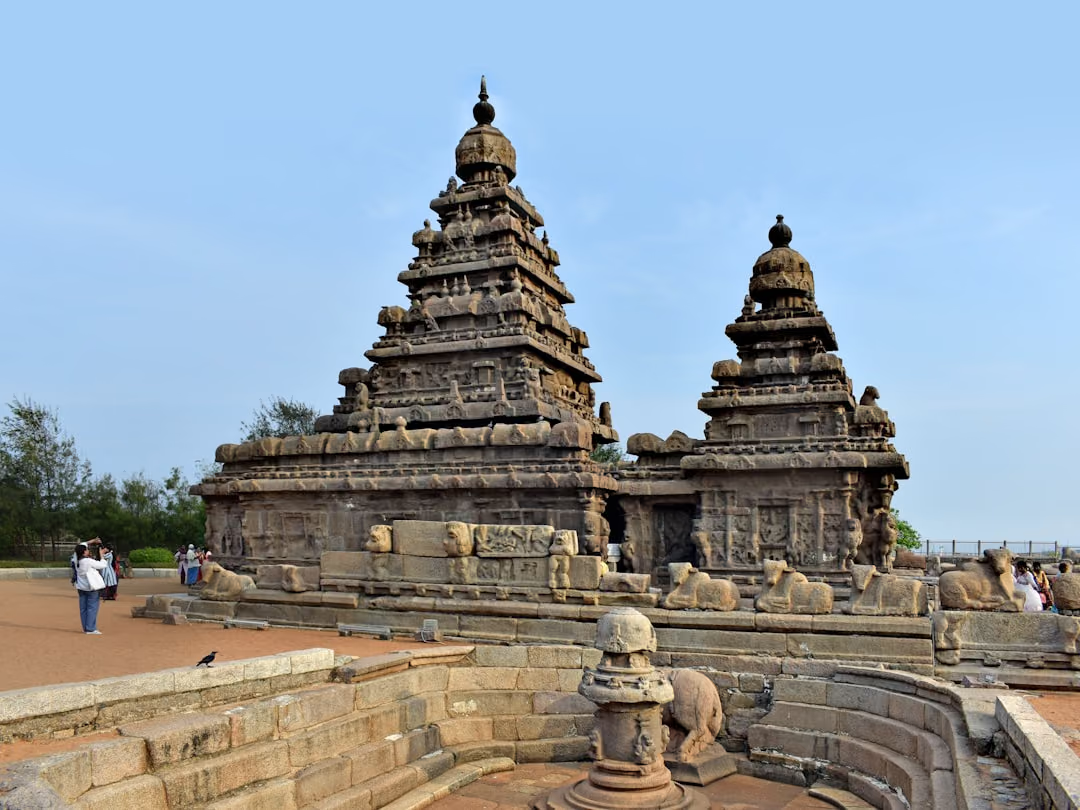
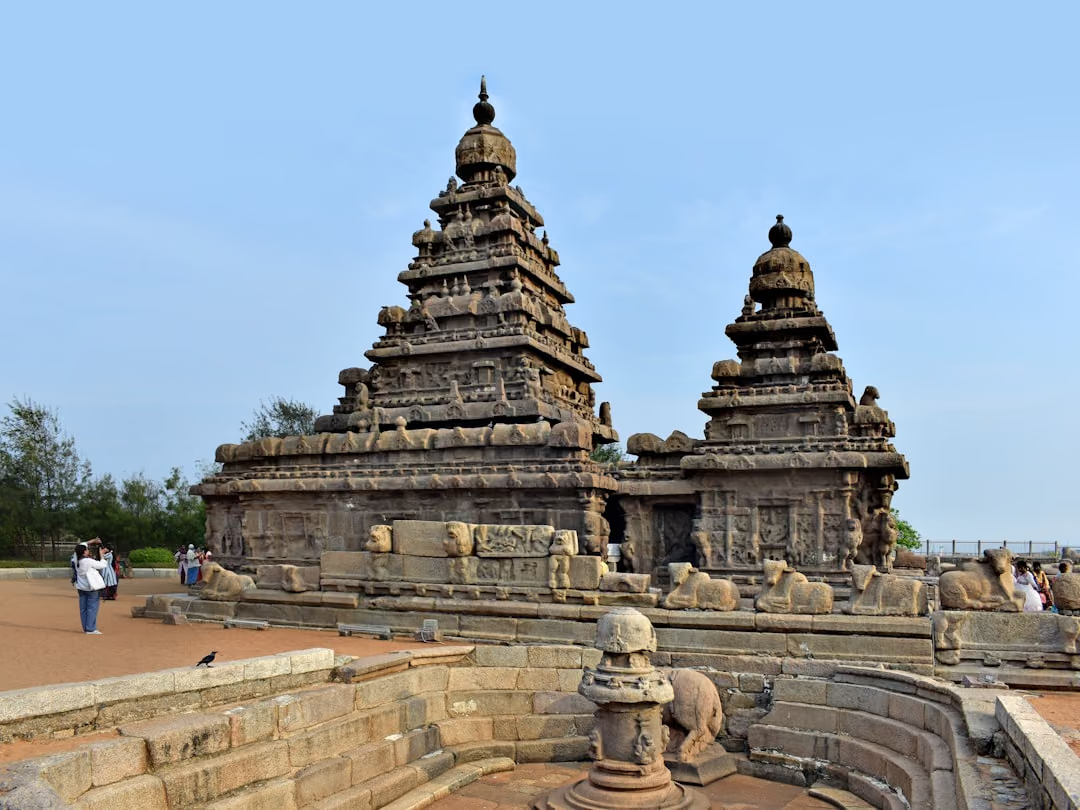
- •The temple is built in the Tamil style of architecture, featuring a modest gopuram (gateway tower) and a sanctum with intricate carvings.
- •The walls and pillars display typical Dravidian motifs, including floral and mythological figures.
- •The temple's compact layout is characteristic of many ancient shrines in the Chennai region, emphasizing devotion over grandeur.
Temple Layout
- •The main sanctum houses the processional deity of Adi Kesava Perumal, while a separate shrine is dedicated to Mayuravalli Thayar.
- •The temple complex includes a small courtyard, a flagstaff, and a mandapa (pillared hall) for gatherings.
- •The sacred tank and the temple's inner corridors add to the traditional layout, guiding devotees through a chronological worship path.
Travel Tips
- Combine your visit with other Mylapore landmarks like the Kapaleeshwarar Temple and San Thome Basilica for a fuller cultural experience.
- Carry a small offering like flowers or prasadam items, as local shops may be limited.
- Be mindful of temple timings, as the midday break (12:00 PM - 4:00 PM) closes the sanctum.
Frequently Asked Questions
The temple is best visited during the early morning or evening when the atmosphere is calm and the deities are beautifully adorned. The months from November to February offer pleasant weather for exploring the area. If you wish to witness special rituals, plan around Vaikunta Ekadashi or other festival days.
The temple is located about 45.7 km from Mahabalipuram, which is roughly a 1.5-hour drive via the East Coast Road (ECR). You can hire a taxi or take a bus to Chennai and then a local auto-rickshaw to Mylapore. Parking is limited, so public transport is often convenient.
Visitors are expected to dress modestly, with men ideally in traditional dhoti or trousers and women in sarees or salwar kameez. Footwear must be removed before entering the inner sanctum. Photography is usually prohibited inside the sanctum, so respect the temple's guidelines.
Quick Information
Best Time
Early morning or evening hours are ideal for a peaceful darshan; the cooler months from November to February are most comfortable for travel.
Timings
6:00 AM - 12:00 PM, 4:00 PM - 8:30 PM
Entry Fee
Free
Related Topics
Tour Packages for Mahabalipuram




Explore More of Mahabalipuram
Destination Hub
Mahabalipuram OverviewSpiritual & Temple Guides
Places to Explore
Discover attraction
Discover attraction
Discover attraction
Discover attraction
Discover attraction
Discover attraction
Discover attraction
Discover attraction
Discover attraction
Discover attraction
Discover attraction
Discover attraction
Discover attraction
Discover attraction
Discover attraction
Discover attraction
Discover attraction
Discover attraction
Discover attraction
Discover attraction
Discover attraction
Discover attraction
Discover attraction
Discover attraction
Discover attraction
Discover attraction
Discover attraction
Discover attraction
Discover attraction
Discover attraction
Discover attraction
Discover attraction
Discover attraction
Discover attraction
Discover attraction
Discover attraction
Discover attraction
Discover attraction
Discover attraction
Discover attraction
Discover attraction
Discover attraction
Discover attraction
Discover attraction
Discover attraction
Discover attraction
Discover attraction
Discover attraction
Discover attraction
Discover attraction
Discover attraction
Discover attraction
Discover attraction
Discover attraction
Discover attraction
Discover attraction
Discover attraction
Discover attraction
Discover attraction
Discover attraction
Discover attraction
Discover attraction
Discover attraction
Discover attraction
Discover attraction
Discover attraction
Discover attraction
Discover attraction
Discover attraction
Discover attraction
Discover attraction
Discover attraction
Discover attraction
Discover attraction
Discover attraction
Discover attraction
Discover attraction
Discover attraction
Discover attraction
Discover attraction
Discover attraction
Discover attraction
Discover attraction
Discover attraction
Discover attraction
Discover attraction
Discover attraction
Discover attraction
Discover attraction
Discover attraction
Discover attraction
Discover attraction
Discover attraction
Discover attraction
Discover attraction
Discover attraction
Discover attraction
Discover attraction
Discover attraction
Discover attraction
Discover attraction
Discover attraction
Discover attraction
Discover attraction
Discover attraction
Discover attraction
Discover attraction
Discover attraction
Discover attraction
Discover attraction
Discover attraction
Discover attraction
Discover attraction
Discover attraction
Discover attraction
Discover attraction
Discover attraction
Discover attraction
Discover attraction