
Marudeeswarar Temple, Mahabalipuram
Overview
- •Marundeeswarar Temple, located in Thiruvanmiyur along the Chennai coastline, is an ancient Shiva shrine steeped in curative legend.
- •Revered as one of the 275 Paadal Petra Sthalams, it draws pilgrims seeking both spiritual solace and healing.
- •Its proximity to the Bay of Bengal and its historic Chola-era architecture make it a meaningful stop for those exploring the temple trail near Mahabalipuram.
Highlights
- Ancient Paadal Petra Sthalam glorified by Appar and Sambandar
- Two seven-tiered gopurams and a large sacred tank
- Healing association with medicinal offerings
- Scenic beachside location in Thiruvanmiyur
Religious Significance
This temple is one of the 275 Paadal Petra Sthalams, glorified in the 7th-century hymns of the Nayanar saints Appar and Tirugnana Sambandar. Its name, Marundeeswarar, is associated with healing, as the deity is believed to cure diseases of devotees who worship with faith. The temple's long-standing reputation as a place of curative worship adds a unique dimension to its religious importance.
Dress Code
Traditional attire is recommended; men may wear dhoti or trousers, and women are advised to wear saree or salwar kameez.
Facilities
Basic facilities include restrooms, a small shop for offerings, and drinking water. Parking is available nearby, and the temple is wheelchair accessible at the main entrance.
Rituals
- •Daily rituals include multiple pujas and abhishekams (sacred bathing of the deity), with special offerings made on Mondays and during the Tamil month of Aadi.
- •The temple is particularly known for the practice of offering herbal oils and medicinal substances to the deity, reflecting its healing association.
Festivals
- •Major festivals include Maha Shivaratri, celebrated with great fervor, and the Aadi Pooram festival dedicated to the goddess.
- •The temple also observes the traditional Brahmotsavam during the Tamil month of Panguni, drawing large congregations.
Darshan Guide
- •Devotees can have darshan throughout the day, though the temple is busiest during morning and evening puja times.
- •The sanctum visit is typically quick, and photography inside the inner sanctum is not permitted.
Rituals
- •Daily rituals include multiple pujas and abhishekams (sacred bathing of the deity), with special offerings made on Mondays and during the Tamil month of Aadi.
- •The temple is particularly known for the practice of offering herbal oils and medicinal substances to the deity, reflecting its healing association.
History
- •The temple's origins are ancient, with its literary fame cemented in the 7th century CE by the hymns of Appar and Tirugnana Sambandar.
- •During the 11th century CE, the Chola kings undertook significant expansions, shaping much of the structure seen today.
- •Over subsequent centuries, the temple continued to be a vital center of Shaiva worship in the region.
Architecture
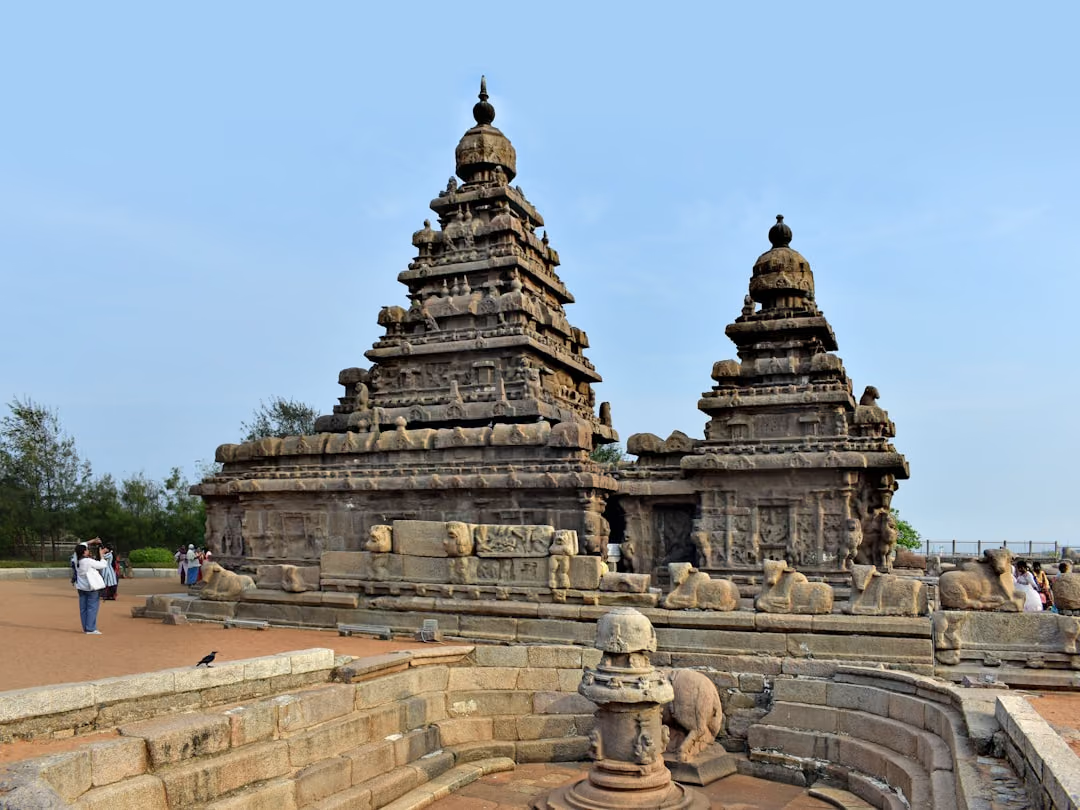
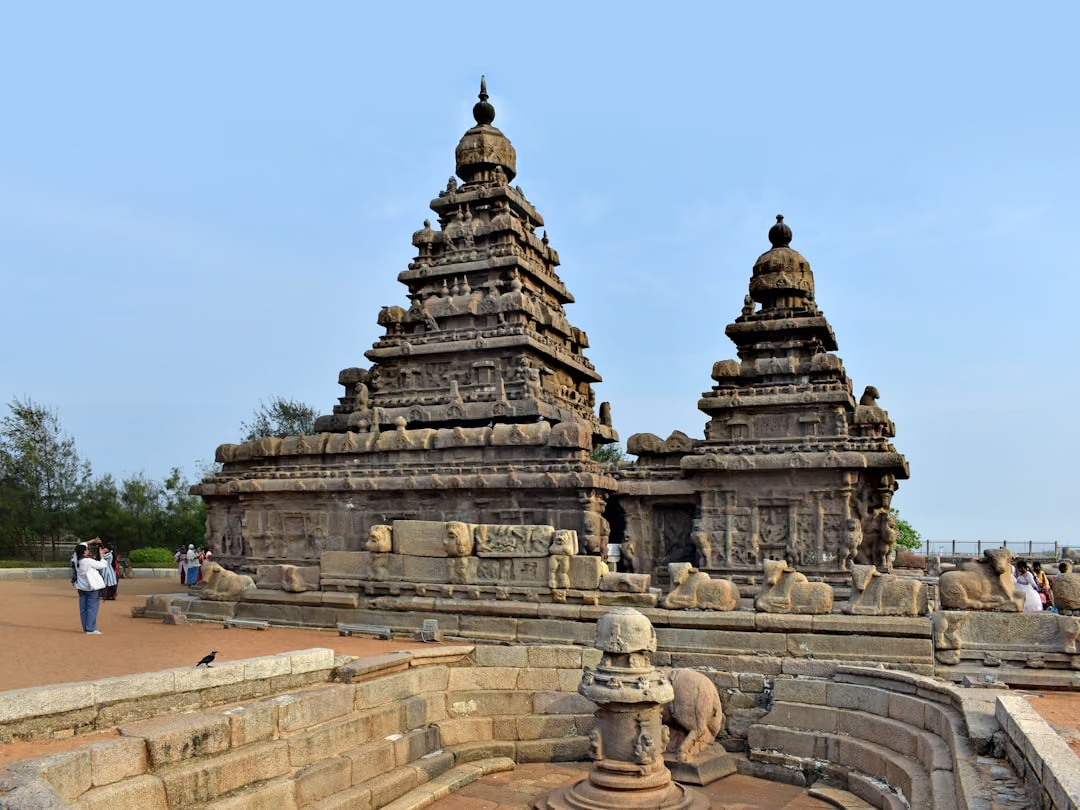
- •The temple exhibits classic South Indian Dravidian architecture, characterized by two impressive seven-tiered gateway towers (gopurams).
- •The main shrine and associated structures are built in the traditional granite style, reflecting the Chola architectural idiom.
- •The temple complex, covering about one acre, is a harmonious blend of sanctum, halls, and a large temple tank.
Temple Layout
- •The temple complex is enclosed by high walls, with the main entrance through the eastern gateway tower leading into a spacious courtyard.
- •The central shrine houses the principal deity, Marundeeswarar, in the form of a Shiva Lingam, while a separate shrine is dedicated to his consort, Tripurasundari (or Marundeeswari).
- •The complex also includes a large temple tank, adding to the serene atmosphere.
Travel Tips
- Combine your visit with the nearby Thiruvanmiyur beach for a peaceful break.
- Check the temple's opening hours before visiting, as it closes during midday hours.
- Carry a small offering like flowers or bilva leaves; you can also purchase them near the temple.
Frequently Asked Questions
Marundu means medicine in Tamil, and the deity is considered a divine healer. According to local belief, worshipping here with devotion can cure diseases, and the temple has been a place of curative worship for centuries. This healing aspect is central to the temple's identity.
Yes, the temple is about 40.5 km from Mahabalipuram, which is roughly a 1.5-hour drive along the East Coast Road. It is a convenient addition to a temple tour of the region, and public transport and taxis are available.
The most prominent festival is Maha Shivaratri, celebrated with night-long prayers and special abhishekams. The Aadi Pooram festival for the goddess and the Panguni Brahmotsavam are also celebrated with processions and cultural events, attracting many devotees.
Quick Information
Best Time
The best time to visit is from November to February when the weather is pleasant, or during the early morning hours to avoid crowds.
Timings
6:00 AM - 12:00 PM, 4:00 PM - 8:30 PM
Entry Fee
Free
Related Topics
Tour Packages for Mahabalipuram




Explore More of Mahabalipuram
Destination Hub
Mahabalipuram OverviewSpiritual & Temple Guides
Places to Explore
Discover attraction
Discover attraction
Discover attraction
Discover attraction
Discover attraction
Discover attraction
Discover attraction
Discover attraction
Discover attraction
Discover attraction
Discover attraction
Discover attraction
Discover attraction
Discover attraction
Discover attraction
Discover attraction
Discover attraction
Discover attraction
Discover attraction
Discover attraction
Discover attraction
Discover attraction
Discover attraction
Discover attraction
Discover attraction
Discover attraction
Discover attraction
Discover attraction
Discover attraction
Discover attraction
Discover attraction
Discover attraction
Discover attraction
Discover attraction
Discover attraction
Discover attraction
Discover attraction
Discover attraction
Discover attraction
Discover attraction
Discover attraction
Discover attraction
Discover attraction
Discover attraction
Discover attraction
Discover attraction
Discover attraction
Discover attraction
Discover attraction
Discover attraction
Discover attraction
Discover attraction
Discover attraction
Discover attraction
Discover attraction
Discover attraction
Discover attraction
Discover attraction
Discover attraction
Discover attraction
Discover attraction
Discover attraction
Discover attraction
Discover attraction
Discover attraction
Discover attraction
Discover attraction
Discover attraction
Discover attraction
Discover attraction
Discover attraction
Discover attraction
Discover attraction
Discover attraction
Discover attraction
Discover attraction
Discover attraction
Discover attraction
Discover attraction
Discover attraction
Discover attraction
Discover attraction
Discover attraction
Discover attraction
Discover attraction
Discover attraction
Discover attraction
Discover attraction
Discover attraction
Discover attraction
Discover attraction
Discover attraction
Discover attraction
Discover attraction
Discover attraction
Discover attraction
Discover attraction
Discover attraction
Discover attraction
Discover attraction
Discover attraction
Discover attraction
Discover attraction
Discover attraction
Discover attraction
Discover attraction
Discover attraction
Discover attraction
Discover attraction
Discover attraction
Discover attraction
Discover attraction
Discover attraction
Discover attraction
Discover attraction
Discover attraction
Discover attraction
Discover attraction
Discover attraction