
Vedhagirishwarar Temple, Mahabalipuram
Overview
- •Vedagirishwarar Temple, also known as Vedagiriswarar Temple, is a serene Hindu shrine dedicated to Lord Shiva, located in the historic town of Tirukalukundram, Tamil Nadu.
- •Nestled about 14.6 kilometers from the coastal heritage site of Mahabalipuram, this temple offers a tranquil spiritual retreat amid the region's ancient landscape.
- •Its hilltop setting and association with local legends make it a noteworthy stop for travelers exploring the cultural riches of the Coromandel Coast.
Highlights
- Hilltop shrine with panoramic views of the surrounding landscape
- Peaceful atmosphere away from the crowds of Mahabalipuram
- Ancient Dravidian architecture and stone carvings
- Associated with the legend of the two eagles visiting daily
Religious Significance
The temple is one of the prominent Shiva shrines in the region, revered by local devotees and pilgrims. Its location in Tirukalukundram, a town known for its sacred hill and the mythical eagle visits, adds to its spiritual aura. While not as globally famous as the shore temples of Mahabalipuram, it holds deep religious importance for those seeking a quieter, authentic worship experience.
Dress Code
Traditional and modest attire is recommended, reflecting the sanctity of the temple.
Facilities
Basic facilities include a temple tank and a few small stalls outside selling offerings and refreshments. Restrooms may be limited; visitors are advised to plan accordingly.
Rituals
- •Daily rituals include abhishekam (sacred bathing of the deity) and various aartis (offerings of light) conducted by the temple priests.
- •Special pujas are performed on auspicious days, such as Pradosham and full moon days, attracting additional devotees.
Festivals
- •Mahashivaratri is the most significant festival celebrated here, marked by special abhishekams and night-long vigil.
- •Other Tamil calendar festivals, such as Aadi Pooram and Navaratri, are also observed with devotion, though on a smaller scale.
Darshan Guide
- •Visitors can have darshan throughout the day, with the temple remaining open from early morning until evening.
- •The sanctum is accessible to all, and the atmosphere is generally peaceful, allowing for unhurried worship.
- •It is advisable to check local timings before visiting, as they may vary during festivals or special rituals.
Rituals
- •Daily rituals include abhishekam (sacred bathing of the deity) and various aartis (offerings of light) conducted by the temple priests.
- •Special pujas are performed on auspicious days, such as Pradosham and full moon days, attracting additional devotees.
History
- •The temple's origins are rooted in ancient Tamil traditions, with references in regional lore connecting it to the sage Agastya and the divine bird Garuda.
- •The site has been a place of worship for centuries, though specific historical dates are not well-documented.
- •The town of Tirukalukundram itself is ancient, mentioned in medieval inscriptions and known for its connection to the Vedas and local legends.
Architecture
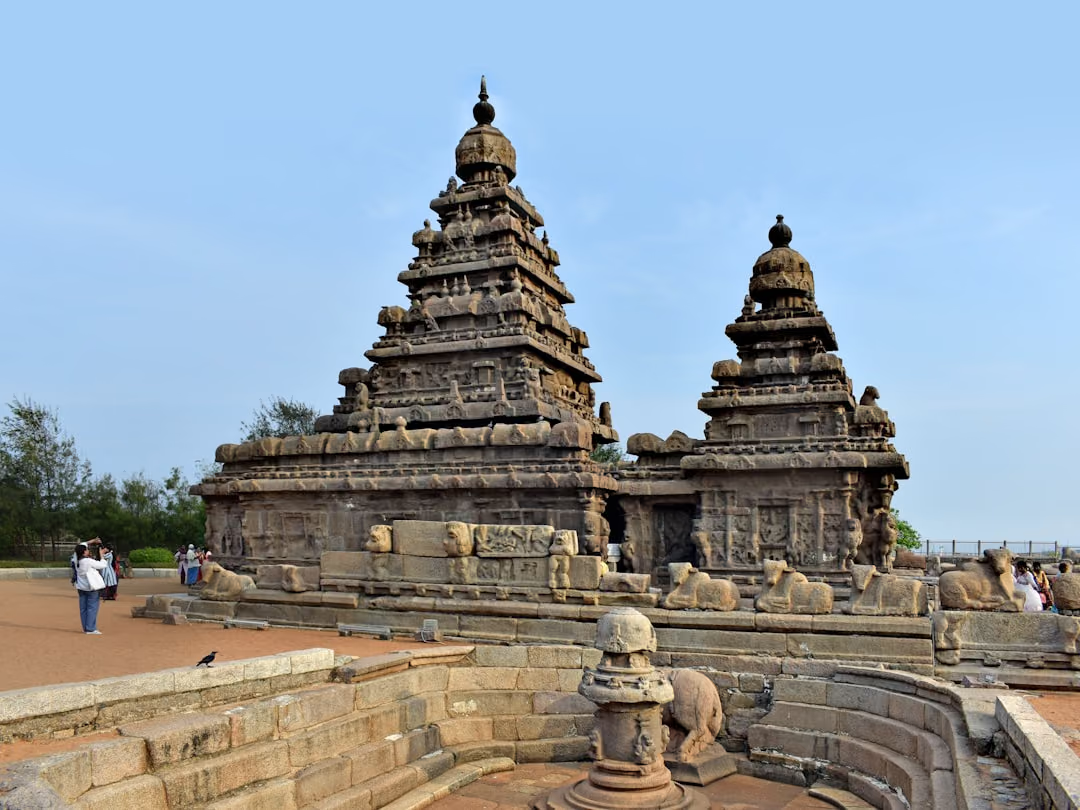
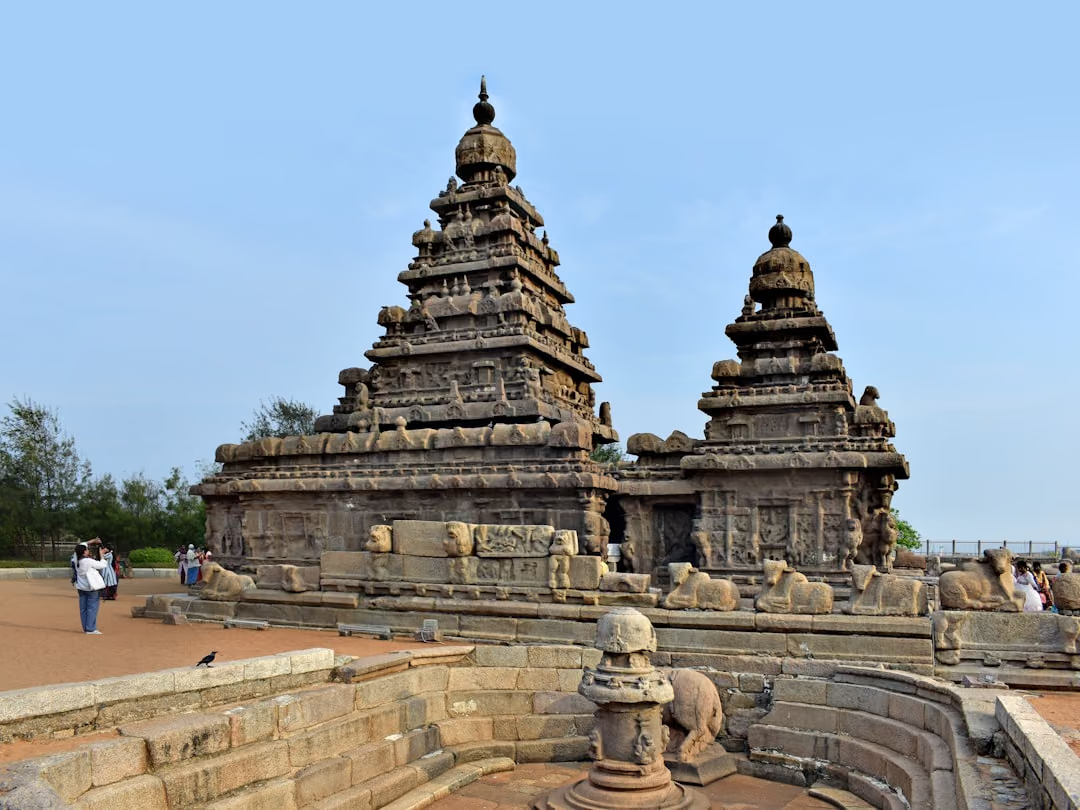
- •The temple exhibits classic Dravidian architecture, featuring a modest gopuram (gateway tower) and a sanctum adorned with intricate stone carvings.
- •The main shrine is situated at the base of the Vedagiri hill, with steps leading up to a smaller hilltop shrine.
- •The use of granite and the traditional layout reflect the region's enduring temple-building style.
Temple Layout
- •The temple complex comprises a main sanctum dedicated to Lord Shiva, along with shrines for Goddess Parvati, Lord Ganesha, and other deities.
- •A spacious courtyard surrounds the central shrine, allowing for processions and gatherings.
- •The hill behind the temple offers a pathway for pilgrims to climb and visit the smaller shrine at the summit, which provides panoramic views of the surrounding countryside.
Travel Tips
- Combine your visit with a trip to the nearby Vedagiri hill and the temple at its summit for the best experience.
- Carry water and wear comfortable footwear, as you may need to walk and climb steps.
- Hire a local guide or auto-rickshaw from Mahabalipuram to easily navigate the route and learn about local legends.
Frequently Asked Questions
The temple is located in Tirukalukundram, approximately 14.6 kilometers from Mahabalipuram. It is easily accessible by road, and the drive takes around 30 minutes depending on traffic. You can hire a taxi or take a local bus from Mahabalipuram.
The town's name, Tirukalukundram, translates to 'Hill of the Sacred Kites' (eagles). According to local legend, two eagles visit the hilltop daily to feed on offerings made by the temple priests, a tradition believed to have continued for centuries. This phenomenon is a major draw for pilgrims and curious visitors alike.
While there is no strict enforced dress code, visitors are expected to dress modestly and respectfully, as is customary for Hindu temples in Tamil Nadu. Traditional attire such as sarees or dhotis is appreciated, but clean, conservative clothing is generally acceptable. Removing footwear before entering the inner sanctum is required.
Quick Information
Best Time
The best time to visit is from November to February, when the weather is pleasant for exploring the temple and its hilltop shrine.
Timings
6:00 AM - 12:00 PM, 4:00 PM - 8:00 PM
Entry Fee
Free
Related Topics
Tour Packages for Mahabalipuram




Explore More of Mahabalipuram
Destination Hub
Mahabalipuram OverviewSpiritual & Temple Guides
Places to Explore
Discover attraction
Discover attraction
Discover attraction
Discover attraction
Discover attraction
Discover attraction
Discover attraction
Discover attraction
Discover attraction
Discover attraction
Discover attraction
Discover attraction
Discover attraction
Discover attraction
Discover attraction
Discover attraction
Discover attraction
Discover attraction
Discover attraction
Discover attraction
Discover attraction
Discover attraction
Discover attraction
Discover attraction
Discover attraction
Discover attraction
Discover attraction
Discover attraction
Discover attraction
Discover attraction
Discover attraction
Discover attraction
Discover attraction
Discover attraction
Discover attraction
Discover attraction
Discover attraction
Discover attraction
Discover attraction
Discover attraction
Discover attraction
Discover attraction
Discover attraction
Discover attraction
Discover attraction
Discover attraction
Discover attraction
Discover attraction
Discover attraction
Discover attraction
Discover attraction
Discover attraction
Discover attraction
Discover attraction
Discover attraction
Discover attraction
Discover attraction
Discover attraction
Discover attraction
Discover attraction
Discover attraction
Discover attraction
Discover attraction
Discover attraction
Discover attraction
Discover attraction
Discover attraction
Discover attraction
Discover attraction
Discover attraction
Discover attraction
Discover attraction
Discover attraction
Discover attraction
Discover attraction
Discover attraction
Discover attraction
Discover attraction
Discover attraction
Discover attraction
Discover attraction
Discover attraction
Discover attraction
Discover attraction
Discover attraction
Discover attraction
Discover attraction
Discover attraction
Discover attraction
Discover attraction
Discover attraction
Discover attraction
Discover attraction
Discover attraction
Discover attraction
Discover attraction
Discover attraction
Discover attraction
Discover attraction
Discover attraction
Discover attraction
Discover attraction
Discover attraction
Discover attraction
Discover attraction
Discover attraction
Discover attraction
Discover attraction
Discover attraction
Discover attraction
Discover attraction
Discover attraction
Discover attraction
Discover attraction
Discover attraction
Discover attraction
Discover attraction
Discover attraction
Discover attraction