
Ekambaranathar Temple, Mahabalipuram
Overview
- •Ekambaranathar Temple, also known as Ekambareswarar Temple, is a revered Hindu shrine dedicated to Lord Shiva, located in the historic town of Kanchipuram, Tamil Nadu.
- •As one of the Pancha Bhoota Stalas, it represents the element of earth (Prithvi), with Shiva worshipped here as the Prithvi Lingam.
- •The temple is a major pilgrimage site for Saivites and a fine example of Dravidian architecture.
Highlights
- The ancient Prithvi Lingam, representing the earth element
- The towering 59-meter Rajagopuram, one of the tallest in South India
- The sacred 3,500-year-old mango tree in the inner courtyard
- The hall of 100 pillars with exquisite carvings
Religious Significance
This temple holds profound religious importance in Saivism as one of the five temples associated with the five natural elements, with earth as its element. It is also one of the most prominent Shiva temples in Kanchipuram, a city renowned for its numerous temples and spiritual heritage. The temple's deity, Ekambareswarar, is worshipped in the form of a Prithvi Lingam, believed to have been self-manifested. The consort Parvati is depicted as Elavarkuzhali, adding to the site's mythological richness.
Dress Code
Traditional and modest attire is recommended, and visitors may be required to remove footwear before entering the inner sanctum.
Facilities
Basic facilities include shoe storage, restrooms, and a few small shops selling offerings and souvenirs. Prasadam (sacred food) is often distributed after major rituals.
Rituals
- •Daily rituals include multiple abhishekams (ritual bathing of the deity) and alankarams (decoration) at specified times.
- •Special poojas are performed on Mondays and during the Tamil month of Masi (February-March) when the temple celebrates the float festival.
Festivals
- •The most prominent festival is the annual Brahmotsavam, celebrated in the Tamil month of Masi (February-March), featuring a grand procession of the deities.
- •Additionally, Maha Shivaratri is observed with special night-long prayers and offerings.
Darshan Guide
- •Visitors can have darshan of the main deity throughout the day, with special abhishekams performed during morning hours.
- •The temple is usually less crowded on weekdays, and the best time for a peaceful darshan is early morning or late evening.
- •Photography is generally not allowed inside the sanctum.
Rituals
- •Daily rituals include multiple abhishekams (ritual bathing of the deity) and alankarams (decoration) at specified times.
- •Special poojas are performed on Mondays and during the Tamil month of Masi (February-March) when the temple celebrates the float festival.
History
- •The temple's origins are ancient, with legends linking it to the Pandavas and the sage Parashurama.
- •The current structure, however, was largely built during the rule of the Pallava dynasty, with later expansions by the Cholas, Vijayanagara kings, and the Nayaks.
- •Inscriptions from the Chola period indicate the temple's importance and continuous patronage over centuries.
- •The towering gopuram (gateway tower) was constructed in the 16th century by the Vijayanagara ruler Krishnadevaraya.
Architecture
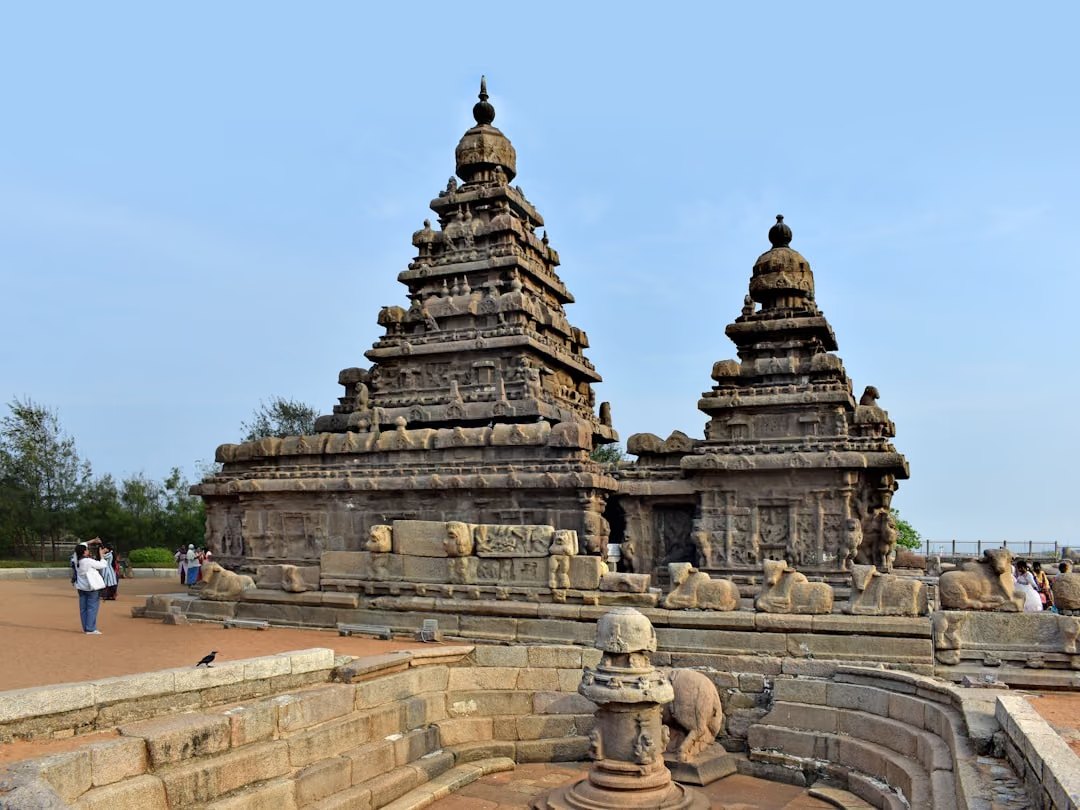
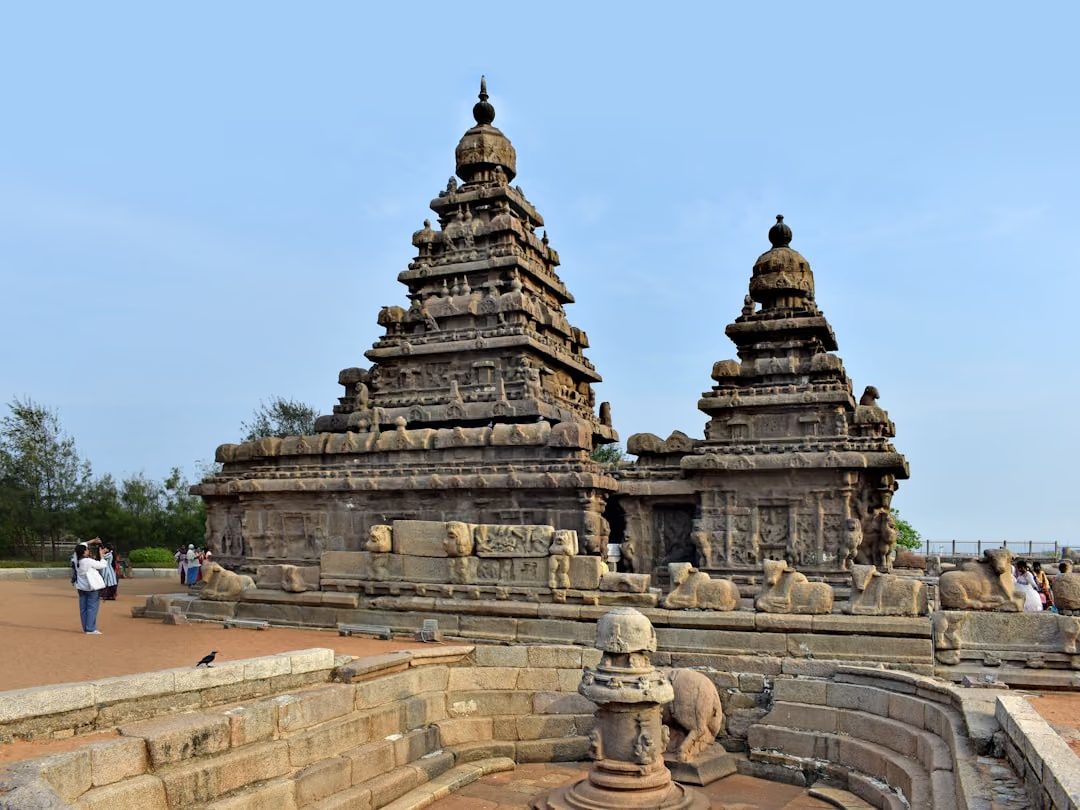
- •The temple is a classic example of Dravidian architecture, featuring a massive 59-meter-tall gopuram at the entrance, known as the Rajagopuram.
- •The complex includes vast courtyards, pillared halls, and a sacred mango tree said to be over 3,500 years old.
- •The sanctum houses the Prithvi Lingam, and the temple walls are adorned with intricate sculptures and carvings depicting various Hindu deities and mythological scenes.
Temple Layout
- •The temple complex is laid out in a rectangular plan with several concentric enclosures.
- •The main sanctum (garbhagriha) houses the Prithvi Lingam, and the shrine of Goddess Elavarkuzhali is located nearby.
- •The complex also contains a hall with 100 pillars, a sacred tank, and the famous ancient mango tree, under which Shiva is said to have taught Parvati.
Travel Tips
- Start your visit early in the morning to avoid crowds and experience the serene atmosphere during the first abhishekam.
- Carry a small bag for your shoes, as you will need to remove them before entering the inner sanctum; shoe storage is available but may be crowded.
- Combine your visit with other nearby temples in Kanchipuram, such as the Kailasanathar Temple and Kamakshi Amman Temple, to make the most of your trip.
Frequently Asked Questions
The Prithvi Lingam is one of the five lingams representing the Pancha Bhoota Stalas, each associated with a natural element. Here, the lingam symbolizes the earth element (Prithvi). It is believed to be self-manifested, not created by human hands, making it a unique and powerful object of worship.
The temple complex has several steps and uneven surfaces, which may pose challenges for wheelchair users. However, there are ramps at some entrances, and assistance is often available from temple staff. It is advisable to plan the visit with flexibility and perhaps visit during less crowded times.
The temple is located in Kanchipuram, which is approximately 58.8 kilometers from Mahabalipuram. The drive typically takes about 1.5 to 2 hours by road, depending on traffic. Many visitors combine a trip to Mahabalipuram with a visit to Kanchipuram's temples.
Quick Information
Best Time
The best time to visit is from November to February when the weather is cooler and more comfortable for exploring the temple complex.
Timings
6:00 AM - 12:00 PM, 4:00 PM - 8:30 PM
Entry Fee
Free
Related Topics
Tour Packages for Mahabalipuram




Explore More of Mahabalipuram
Destination Hub
Mahabalipuram OverviewSpiritual & Temple Guides
Places to Explore
Discover attraction
Discover attraction
Discover attraction
Discover attraction
Discover attraction
Discover attraction
Discover attraction
Discover attraction
Discover attraction
Discover attraction
Discover attraction
Discover attraction
Discover attraction
Discover attraction
Discover attraction
Discover attraction
Discover attraction
Discover attraction
Discover attraction
Discover attraction
Discover attraction
Discover attraction
Discover attraction
Discover attraction
Discover attraction
Discover attraction
Discover attraction
Discover attraction
Discover attraction
Discover attraction
Discover attraction
Discover attraction
Discover attraction
Discover attraction
Discover attraction
Discover attraction
Discover attraction
Discover attraction
Discover attraction
Discover attraction
Discover attraction
Discover attraction
Discover attraction
Discover attraction
Discover attraction
Discover attraction
Discover attraction
Discover attraction
Discover attraction
Discover attraction
Discover attraction
Discover attraction
Discover attraction
Discover attraction
Discover attraction
Discover attraction
Discover attraction
Discover attraction
Discover attraction
Discover attraction
Discover attraction
Discover attraction
Discover attraction
Discover attraction
Discover attraction
Discover attraction
Discover attraction
Discover attraction
Discover attraction
Discover attraction
Discover attraction
Discover attraction
Discover attraction
Discover attraction
Discover attraction
Discover attraction
Discover attraction
Discover attraction
Discover attraction
Discover attraction
Discover attraction
Discover attraction
Discover attraction
Discover attraction
Discover attraction
Discover attraction
Discover attraction
Discover attraction
Discover attraction
Discover attraction
Discover attraction
Discover attraction
Discover attraction
Discover attraction
Discover attraction
Discover attraction
Discover attraction
Discover attraction
Discover attraction
Discover attraction
Discover attraction
Discover attraction
Discover attraction
Discover attraction
Discover attraction
Discover attraction
Discover attraction
Discover attraction
Discover attraction
Discover attraction
Discover attraction
Discover attraction
Discover attraction
Discover attraction
Discover attraction
Discover attraction
Discover attraction
Discover attraction
Discover attraction