
Travel Tips for Varanasi
Varanasi, also known as Kashi or Banaras, is one of the world's oldest continuously inhabited cities, nestled on the banks of the sacred Ganges River in Uttar Pradesh, India. As on
Overview
Varanasi, also known as Kashi or Banaras, is one of the world's oldest continuously inhabited cities, nestled on the banks of the sacred Ganges River in Uttar Pradesh, India. As one of Hinduism's seven holiest cities (Sapta Puri), it draws pilgrims seeking moksha (liberation), with its labyrinthine lanes, ancient temples, and nearly 88 ghats creating a profound spiritual atmosphere. From the evening Ganga Aarti at Dashashwamedh Ghat to the Buddhist heritage of Sarnath, Varanasi offers an intense, transformative travel experience.
Travel Tips by Category
Essential Etiquette & Customs
Respect local customs, especially around temples and cremation ghats, to ensure a smooth and meaningful visit. Dress modestly, remove shoes before entering temples, and ask permission before photographing people or rituals.
Temple Visits
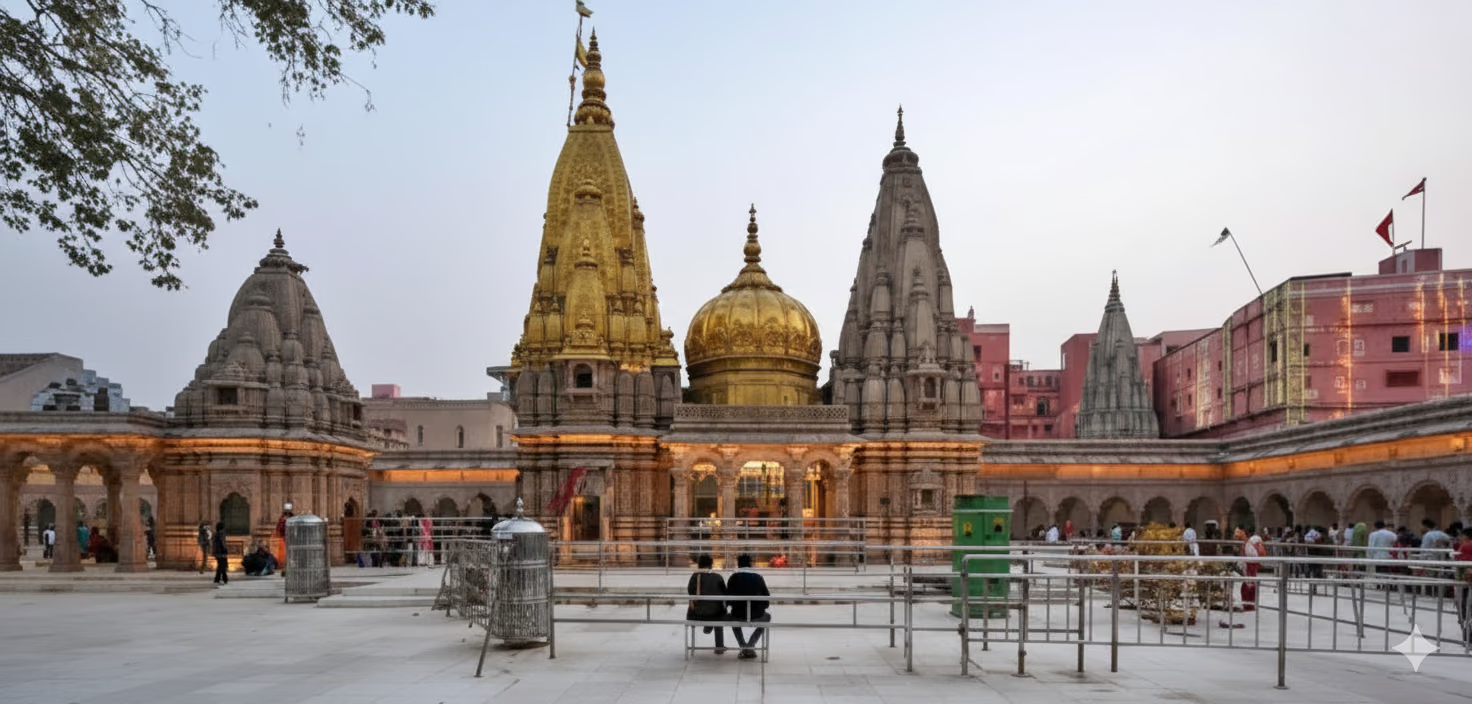
When visiting Kashi Vishwanath Temple or other shrines, follow strict dress codes (shoulders and knees covered) and be prepared for security checks. Avoid leather items inside temple premises.
- •Carry a small cloth bag for your shoes, as you'll need to remove them at temple entrances.
- •Photography is often prohibited inside temple sanctums; look for signs or ask priests.
- •Offerings like flowers, milk, or coconuts can be bought from licensed vendors outside temples.
Cremation Ghats
Manikarnika and Harishchandra Ghats are active cremation sites, considered highly auspicious. Observing is allowed, but maintain solemn silence and never photograph the cremation ceremonies.
- •Do not offer money directly to families; if you wish to donate, give to recognized trusts.
- •Beware of touts offering 'special views' or 'blessings'—they often overcharge.
- •It's customary to sit quietly and observe, respecting the profound nature of the rituals.
Sacred Sites & Spiritual Highlights
Beyond the famous Kashi Vishwanath Temple, Varanasi offers a wealth of spiritual landmarks, from the new Vishwanath Temple at BHU to the Buddhist stupas of Sarnath. Plan your visits to avoid crowds and maximize your experience.
Kashi Vishwanath Corridor
This newly opened (2021-22) corridor connects the temple to the ghats, making access easier. The temple itself, with its gold-plated spire, is one of the twelve Jyotirlingas.
- •Visit early morning (around 4-6 AM) to avoid long queues and experience the 'Mangala Aarti' if possible.
- •The corridor offers a scenic walk from the temple to the Ganges, with clean facilities.
- •Entry is free, but special darshan passes (fast-track) can be purchased for around ₹200-500.
Sarnath Excursion
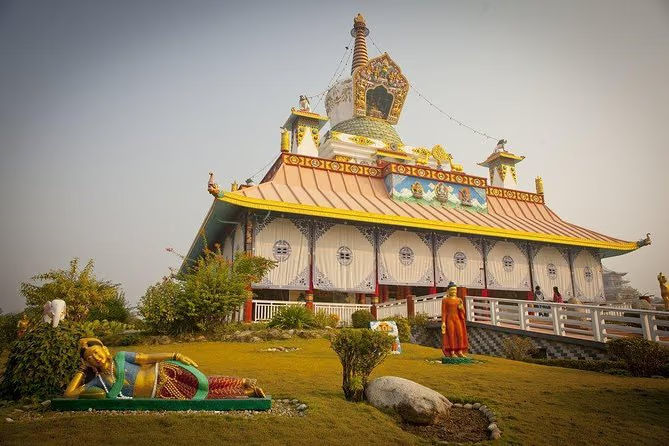
Just 10 km away, Sarnath is where Buddha delivered his first sermon. The Dhamek Stupa and Ashokan Pillar (Lion Capital) are key sights, along with the archaeological museum.
- •The museum houses the original Lion Capital (India's national emblem) and is closed on Fridays.
- •Allow at least half a day; combine with a visit to the Mulagandha Kuti Vihara temple.
- •Hire an auto-rickshaw or taxi for the round trip; negotiate the fare beforehand.
Best Times & Festivals
Varanasi's climate and festivals greatly influence your experience. The winter months are pleasant, while major festivals like Dev Deepawali and Mahashivratri draw massive crowds. Plan accordingly.
Ideal Seasons
October to March offers cool, dry weather perfect for exploring. Summers (April-June) are scorching, and monsoons (July-September) bring humidity and occasional flooding of the ghats.
- •November to February is peak season; book accommodations well in advance.
- •Evenings on the ghats are magical in winter, with clear skies and comfortable temperatures.
- •Avoid the monsoon if you prefer dry walks along the riverfront.
Key Festivals
Dev Deepawali (Kartik Purnima, usually November) is spectacular when all ghats are lit with lamps. Mahashivratri (Feb-Mar) sees huge processions to Kashi Vishwanath.
- •During Dev Deepawali, the Ganga Aarti is grander; arrive early for a good spot.
- •Mahashivratri involves night-long chanting; be prepared for massive crowds.
- •Holi in Varanasi is vibrant but chaotic; protect your belongings and wear old clothes.
Navigating the Ghats & City
Varanasi's old city is a maze of narrow lanes, while the ghats stretch for miles along the Ganges. Boats are essential for a different perspective, and walking is the only way to explore the alleys.
Boat Rides
A sunrise boat ride is a quintessential experience, offering views of the ghats and daily rituals. Sunset rides are also popular, but the morning is less crowded and more serene.
- •Expect to pay ₹100-200 per person for a shared boat (1-2 hours); negotiate for private boats.
- •Always wear a life jacket, especially during monsoon or rough waters.
- •From the boat, you can see the cremation ghats from a respectful distance.
Walking & Getting Around
The old city is pedestrian-only for the most part; auto-rickshaws and cycle-rickshaws ply the main roads. Be prepared for narrow, crowded lanes and occasional cow traffic.
- •Wear comfortable, non-slip shoes as lanes can be slippery and uneven.
- •Hire a local guide for a heritage walk to uncover hidden temples and history.
- •Use the Kashi Vishwanath Corridor to easily move between the temple and the main ghats.
Frequently Asked Questions
Varanasi is generally safe, but like any crowded Indian city, it requires common sense. Stick to well-lit and populated areas, avoid isolated lanes after dark, and be cautious of touts. The main ghats are well-frequented until late evening, especially during the Ganga Aarti. For solo travelers, joining group tours or staying in reputable guesthouses is advisable.
The nightly Ganga Aarti at Dashashwamedh Ghat is a spectacular ritual. Arrive at least an hour early (around 5 PM in winter, 6 PM in summer) to secure a good spot, either on the steps or on a boat. From a boat, you get a panoramic view, but being on the ghat allows you to feel the energy up close. Respect the ceremony by not blocking the priests' movements.
No, photography is strictly prohibited at the cremation ghats (Manikarnika and Harishchandra) out of respect for the deceased and their families. Even photographing the ghats from a distance may be considered intrusive. Always ask permission before taking any pictures of people or rituals elsewhere, and be prepared to delete photos if asked.
Sarnath is about 10 km from Varanasi city center. You can take an auto-rickshaw (around ₹300-400 one way), a taxi (₹500-800), or a local bus from the Cantt railway station. The journey takes about 30-45 minutes depending on traffic. Alternatively, you can hire a full-day tour that includes Sarnath and other sights.
Temples require modest attire: shoulders and knees must be covered. Women can wear salwar kameez, sarees, or long skirts; men should wear long pants and shirts. Avoid revealing clothing. You'll need to remove shoes before entering, so wear easy-to-remove footwear. Some temples have dress code enforcement, so it's best to follow these guidelines to avoid being turned away.
Tour Packages for Varanasi




Explore More of Varanasi
Destination Hub
Varanasi OverviewSpiritual & Temple Guides
Places to Explore
Discover attraction
Discover attraction
Discover attraction
Discover attraction
Discover attraction
Discover attraction
Discover attraction
Discover attraction
Discover attraction
Discover attraction
Discover attraction
Discover attraction
Discover attraction
Discover attraction
Discover attraction
Discover attraction
Discover attraction
Discover attraction
Discover attraction
Discover attraction
Discover attraction
Discover attraction