
Chet Singh Ghat
Overview
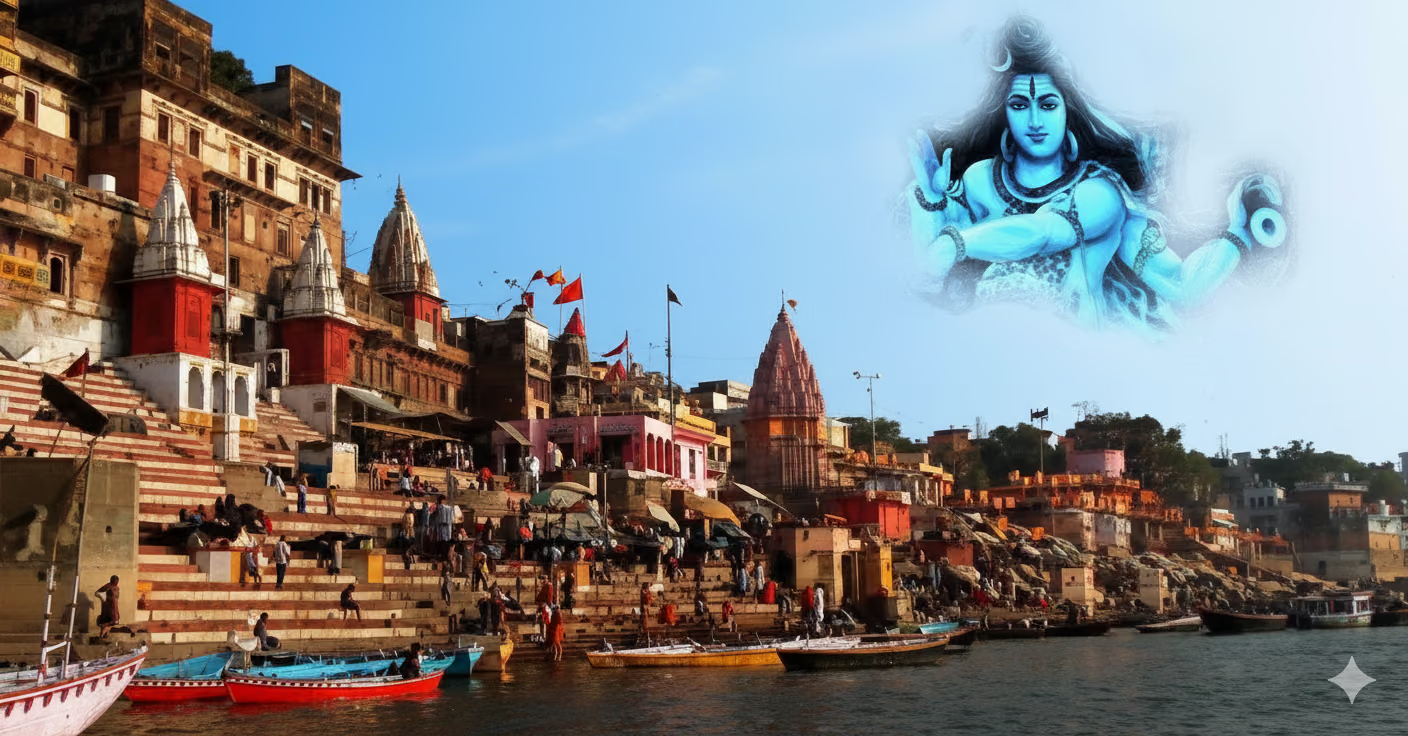
- •Chet Singh Ghat, a storied stone staircase on the Ganges' western bank, offers a quieter, more contemplative stretch of Varanasi's sacred riverfront.
- •Its name echoes the valiant but doomed Chet Singh, the last Raja of Benares to defy the British, and today it invites pilgrims and travelers to linger among its weathered pillars and faded murals.
- •A morning pause here reveals the Ganges in its most intimate mood, far from the clamor of the main burning ghats yet steeped in the city's layered past.
Highlights
- Imposing 18th-century fortress walls rising from river
- Sunset views over Ganges from stone ramparts
- Boat ride past hidden escape tunnel entrance
- Frescoes and carvings on Raja Chet Singh’s palace
- Quiet morning aarti with fewer crowds than Dashashwamedh
- Panoramic view of Varanasi’s skyline from mid-river
Religious Significance
Chet Singh Ghat holds deep historical significance as a symbol of Varanasi's resistance to colonial rule, distinguishing it from purely mythological ghats. It is also a functional bathing ghat, where pilgrims perform ritual ablutions and puja, connecting them to the purifying power of the Ganges. Its relative quietness makes it a favored spot for those seeking a reflective connection to the river and the city's living history.
Dress Code
As a sacred riverside site, modest clothing is recommended, especially when participating in rituals. Traditional Indian attire such as sarees, salwar kameez, or dhoti-kurta is ideal, but any modest, comfortable clothing that covers shoulders and knees is acceptable. Remove footwear before entering shrines or when sitting for puja.
Facilities
Basic facilities include stone steps for sitting, a few small shrines, and access to boat rides along the ghat. There are no modern restrooms or changing rooms directly on the ghat, but nearby lanes offer small tea stalls and shops. Visitors should carry their own water and be prepared for uneven steps.
Festivals
- •Like most ghats in Varanasi, Chet Singh Ghat becomes a focal point during major Hindu festivals, especially Dev Deepawali, when the entire riverfront is illuminated with lamps and the ghat's steps fill with devotees offering prayers to the Ganges.
- •During Kartik Purnima, a holy bathing day, pilgrims gather here for ritual dips, and the ghat also sees heightened activity during Ganga Dussehra, which celebrates the river's descent to earth.
- •The atmosphere is more subdued than at the main ghats, offering a more intimate festival experience.
History
- •Chet Singh Ghat is named after Maharaja Chet Singh, who ruled Benares in the late 18th century.
- •In 1781, he became a symbol of resistance when he clashed with the British East India Company, leading to his defeat and exile.
- •The ghat was later rebuilt under Maratha patronage, as were many of Varanasi's ghats during the 18th century, though it retains a distinct, somewhat fortress-like character reflecting its royal and rebellious origins.
- •Unlike the purely ceremonial ghats, Chet Singh Ghat carries a tangible memory of political strife, making it a unique historical landmark along the riverfront.
Architecture
- •The ghat features a robust stone embankment with a series of steps descending to the water, typical of Varanasi's riverfront architecture.
- •Its most notable structure is a small, crenellated fort-like building that once served as Chet Singh's riverside palace, complete with a small bastion and arched openings.
- •The upper portions include a modest shrine and a few remnants of painted murals, though age and river floods have left much of the ornamentation faded.
- •The overall design reflects the practical need for bathing access combined with defensive and residential functions, a rarity among the city's mostly open ceremonial ghats.
Travel Tips
- Carry your own water and a small foldable stool: There are few shaded benches, so bring a lightweight stool or a thick scarf to sit on. Also, carry at least one bottle of water per person, as nearby shops may be limited and overpriced.
- Use the main steps, not the slippery side ramps: Stick to the central, wider stone steps that have handrails on the lower section. Avoid the moss-covered edges near the water, especially after rain, as they are very slippery.
- Keep a local contact number for pickup: The ghat is a dead-end road, and taxis may not wait. Before arriving, save the number of a trusted auto or cab driver who can pick you up from the main road, and agree on the fare in advance.
- Book a shared boat with a life jacket: For groups, hire a boat that provides life jackets for all members, and confirm the seating is stable. Avoid switching seats while on the water, and keep your hands inside the boat at all times.
- Arrive early morning or late afternoon: Visit between 6–8 AM or 4–6 PM to avoid harsh sun and crowds. Mornings also offer a quieter boat ride and better light for photos.
Things to Do
Explore the hidden tunnels of the Chet Singh Fort
1 hourWalk through the narrow, historic underground passages that once served as escape routes for Raja Chet Singh during the 1781 revolt against the British. These dimly lit tunnels offer a glimpse into the fort’s defensive architecture and are a favourite for curious seniors.
Sunset photography from the ghat’s northern corner
1 hourPosition yourself at the north end of Chet Singh Ghat, where the fortress walls meet the water, to capture golden-hour shots of the Ganga, distant ghats, and the fort’s battlements. Bring a folding stool or lean on the low parapet—no walking required.
Visit the nearby Scindia Ghat and its tilted temple
1 hourWalk 200 metres south along the riverfront to see the partially submerged and tilted Shiva temple at Scindia Ghat, a short, flat stroll from Chet Singh Ghat. This spot offers excellent photo opportunities and a chance to observe daily rituals without any climbing.
Attend the Ganga Aarti at the small temple platform
45 minutesJoin locals and pilgrims for the intimate evening aarti held on the ghat’s central platform, complete with oil lamps, incense, and devotional songs. Unlike the crowded main aarti, this version is quieter and easier to access for older travellers.
Climb the steps to the upper terrace for river views
30 minutesAscend the wide, well-maintained stone steps to the terrace above the ghat, where you can sit on shaded benches and watch boat traffic, bathers, and kite-flying children. The climb is gentle but has several landings, making it suitable for a slow pace.
Morning boat ride along the ghat’s fortified facade
1.5 hoursHire a shared wooden rowboat from the nearby Dashashwamedh Ghat and drift slowly past Chet Singh Ghat’s imposing stone walls and carved balconies. The calm Ganga waters at sunrise provide a comfortable, low-effort way to appreciate the fortress-like structure from the river.
Frequently Asked Questions
Early morning, around sunrise, is ideal as the ghat is quieter, the light is soft for photography, and you can watch the traditional rituals and boat rides without the midday crowds. Evenings are also pleasant but busier with local families and evening aartis.
The ghat is reached by a steep flight of stone steps, which can be challenging for those with knee or balance problems. There is no ramp, so we recommend hiring a porter or taking a cycle-rickshaw to the top, and then using a boat from the water level if you wish to avoid climbing down.
There is no entry fee to visit the ghat itself, as it is a public space. However, if you want a detailed historical explanation, hiring a licensed guide for around 200-300 rupees for a half-hour is worthwhile, as they can share the fort’s 18th-century rebellion story.
Yes, boat rides are available from this ghat, usually costing 100-200 rupees per person for a 30-minute trip along the river. The ride offers a unique view of the ghat’s fort-like architecture and nearby Assi Ghat, but be prepared for a gentle, slow pace and possible haggling over the price.
Always hold the handrails while climbing the steps, wear non-slip footwear, and avoid the slippery edges near the water, especially after rain. Keep your valuables in a secure, zipped bag, and stay within well-lit, populated areas after sunset, as the ghat can be dimly lit and less patrolled.
Quick Information
Best Time
October to March
Related Topics
Tour Packages for Varanasi




Explore More of Varanasi
Destination Hub
Varanasi OverviewSpiritual & Temple Guides
Places to Explore
Discover attraction
Discover attraction
Discover attraction
Discover attraction
Discover attraction
Discover attraction
Discover attraction
Discover attraction
Discover attraction
Discover attraction
Discover attraction
Discover attraction
Discover attraction
Discover attraction
Discover attraction
Discover attraction
Discover attraction
Discover attraction
Discover attraction
Discover attraction
Discover attraction
Discover attraction