
Panchganga Ghat
Overview
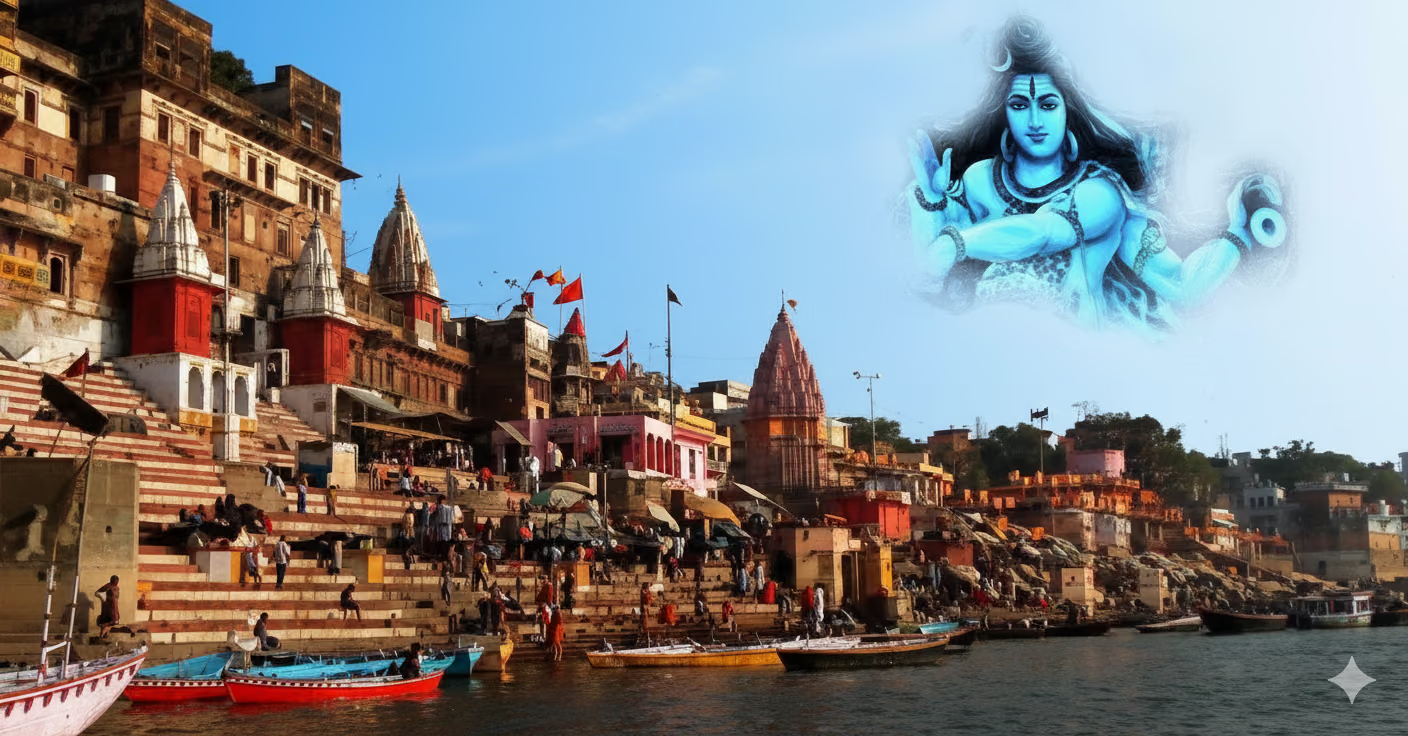
- •On the western bank of the Ganges in Varanasi, Panchganga Ghat is a storied riverside terrace where five mythical streams are said to converge, lending the site an aura of confluence and sanctity.
- •Its weathered stone steps, crowned by the towering Alamgir Mosque, draw pilgrims and seekers who come to honor the city's ancient cycle of death, mourning, and liberation.
- •Here, the river's flow and the rhythms of ritual offer a profound encounter with Kashi's timeless spiritual geography.
Highlights
- Five sacred river confluence steps at dawn
- Alamgir Mosque's towering minarets overhead
- Boat ride to view ghat from river
- Evening aarti lamps floating on water
- Stone inscriptions of ancient bathing rituals
- Sunrise view of Sita Samahit Sthal nearby
Religious Significance
Panchganga Ghat holds deep spiritual weight as a site where the physical and mythical rivers unite, making it a powerful locus for purification and ancestral remembrance. It is believed that bathing here, particularly on auspicious days, can absolve sins and facilitate the soul's journey toward moksha, aligning with Varanasi's central role in Hindu traditions of death and liberation. The ghat also embodies the city's syncretic heritage, where Islamic-era architecture and Hindu ritual coexist, reflecting centuries of shared history.
Dress Code
Visitors should dress modestly, covering shoulders and knees, as the ghat is an active place of worship and ritual. Lightweight, quick-drying clothing is advisable for those planning to bathe, along with a change of clothes for after the dip.
Facilities
Basic amenities include changing rooms and public restrooms near the ghat, as well as small shops selling puja items, flowers, and offerings. Boat rides are available from the ghat for viewing the riverside, and the area is accessible by foot from the main ghat circuit, though steps are numerous and uneven.
Festivals
- •Panchganga Ghat is particularly vibrant during the Hindu month of Kartik (October–November), when Kartik Purnima draws large crowds for ritual bathing and lamp offerings.
- •Devotees also gather during the Pitru Paksha period to perform shraddha ceremonies for ancestors, as the ghat is considered especially auspicious for such rites.
- •On major solar festivals like Makar Sankranti, the steps fill with pilgrims seeking purification in the river's waters.
History
- •Panchganga Ghat's name derives from the belief that five invisible rivers—the Ganges, Yamuna, Saraswati, Kirana, and Dhutpapa—meet at this point, a tradition referenced in medieval Hindu texts and local lore.
- •The ghat gained prominence in the 17th century when the Mughal prince Aurangzeb, then governor of the Deccan, constructed the Alamgir Mosque atop the site of a Vishnu temple, reflecting Varanasi's layered history of Hindu and Islamic patronage.
- •Over centuries, the ghat became a favored spot for ancestral rites and the immersion of ashes, cementing its role in the city's culture of pilgrimage and mourning.
- •Its location downstream of the old city's core made it a natural landing for processions and a witness to the evolving urban fabric of Kashi.
Architecture
- •The ghat's architecture is defined by its broad stone steps descending to the water, interspersed with small shrines and a prominent red sandstone and marble mosque, the Alamgir Mosque, whose minarets and dome dominate the skyline.
- •The mosque, built in 1669, incorporates elements from the earlier Hindu temple, including carved pillars, creating a syncretic visual dialogue.
- •Below the mosque, a series of pavilions and niches house images of deities, while a small temple dedicated to Ganga and other river goddesses marks the waterline.
- •The ghat's layout, with its mix of sacred and imperial structures, exemplifies Varanasi's architectural palimpsest.
Travel Tips
- Carry water, snacks, and a small first-aid kit: There are limited shops nearby, and walking up and down the ghat can dehydrate you. Bring a refillable water bottle, light snacks like biscuits or fruits, and a basic kit with band-aids, antiseptic, and any personal medicines. Also, know the location of the nearest restroom before you start.
- Keep a small folding stool or walking stick handy: For senior travellers, standing for long periods during aarti or while watching the river can be tiring. Carry a lightweight folding stool or a walking stick with a seat to rest whenever needed, and take breaks under shaded spots.
- Wear non-slip footwear and hold railings: The stone steps and wet areas can be slippery, especially after morning rituals or rains. Wear sturdy, non-slip sandals or shoes, and always use the handrails while descending or ascending the ghat.
- Visit early morning to avoid crowds and heat: Start your visit between 6:00 AM and 8:00 AM when the ghat is peaceful, the light is soft for photos, and temperatures are cooler. This is also when local rituals begin, giving you an authentic experience without jostling.
- Pre-arrange a group meeting point and time: The ghat area can get busy, and group members may wander to different spots for photos or blessings. Fix a clear meeting point, like the main temple entrance or a specific pillar, and set a return time to avoid anyone getting lost or anxious.
Things to Do
Climb the Panchganga Ghat Stairs to the Markandey Mahadev Temple
1.5 hoursAscend the ancient stone steps (ghats) to reach the small but revered Markandey Mahadev Temple, dedicated to Lord Shiva. The climb offers panoramic views of the Ganges and the old city, and the temple is a quiet spot for reflection.
Morning Ganga Aarti at Panchganga Ghat
1 hourJoin the priests and devotees at sunrise for the serene Ganga Aarti, where oil lamps, incense, and mantras are offered to the river at the sacred confluence. The ritual is especially powerful here, as it is believed to wash away sins from all five rivers.
Evening Pind Daan Ceremony (Ancestral Ritual)
1 hourObserve or participate in the Pind Daan ritual performed by local pandits at the ghat’s southern edge, where families offer rice balls and flowers for their ancestors. This is a deeply spiritual experience, and the priests are happy to explain the significance to visitors.
Explore the Ruins of the Old Fort and Observatory (Man Mandir)
2 hoursWalk a few minutes from the ghat to the partially restored Man Mandir fort and its rooftop observatory, built by Raja Man Singh. Climb to the top for a bird’s-eye view of Panchganga Ghat and the river below, and inspect the old astronomical instruments.
Boat Ride to the Confluence Point (Sangam)
2 hoursTake a shared or private wooden boat from the ghat out to the visible point where the five rivers are said to merge. The boatman will point out the distinct colour changes in the water and narrate local legends about the rivers’ origins.
Stroll Through the Alopi Devi Ghat Market Lane
2 hoursWalk along the narrow lane leading from Panchganga Ghat toward Alopi Devi Ghat, lined with small shops selling puja items, sweets, and local snacks like kachori and jalebi. This is a great way to see daily life and taste authentic street food without tourist crowds.
Frequently Asked Questions
Early morning, around 5:30 to 7:00 AM, is ideal as the ghat is less crowded, the air is cool, and you can witness the morning aarti and the soft sunrise over the Ganges. Avoid late afternoon in summer as the stone steps can get very hot.
Yes, the main event is the daily Ganga aarti held at sunset, where priests offer fire and incense to the river. Also, many pilgrims perform pind daan (offerings to ancestors) here, so you may see families doing private rituals; it is respectful to observe quietly from a distance.
The ghat has a long flight of stone steps that are uneven in places, so it can be challenging for those with mobility issues. There are no railings or ramps, so we recommend using a walking stick and going slowly, or simply staying on the upper platform to enjoy the view.
The ghat is about 4 kilometres from Varanasi Junction, and an auto-rickshaw or taxi will take around 20 minutes (costing roughly ₹100-150). There is no dedicated parking near the ghat, so private cars are best left at a hotel or parking lot near Godowlia Chowk, from where you walk the last 500 metres.
Yes, there are small tea stalls and vendors selling snacks like pakoras and fresh coconut water along the lane leading to the ghat. Public restrooms are limited and basic; there is a pay-per-use toilet near the top of the steps, but it is advisable to use facilities at your hotel before coming.
Quick Information
Best Time
October to March
Related Topics
Tour Packages for Varanasi




Explore More of Varanasi
Destination Hub
Varanasi OverviewSpiritual & Temple Guides
Places to Explore
Discover attraction
Discover attraction
Discover attraction
Discover attraction
Discover attraction
Discover attraction
Discover attraction
Discover attraction
Discover attraction
Discover attraction
Discover attraction
Discover attraction
Discover attraction
Discover attraction
Discover attraction
Discover attraction
Discover attraction
Discover attraction
Discover attraction
Discover attraction
Discover attraction
Discover attraction