
Assi Ghat
Overview
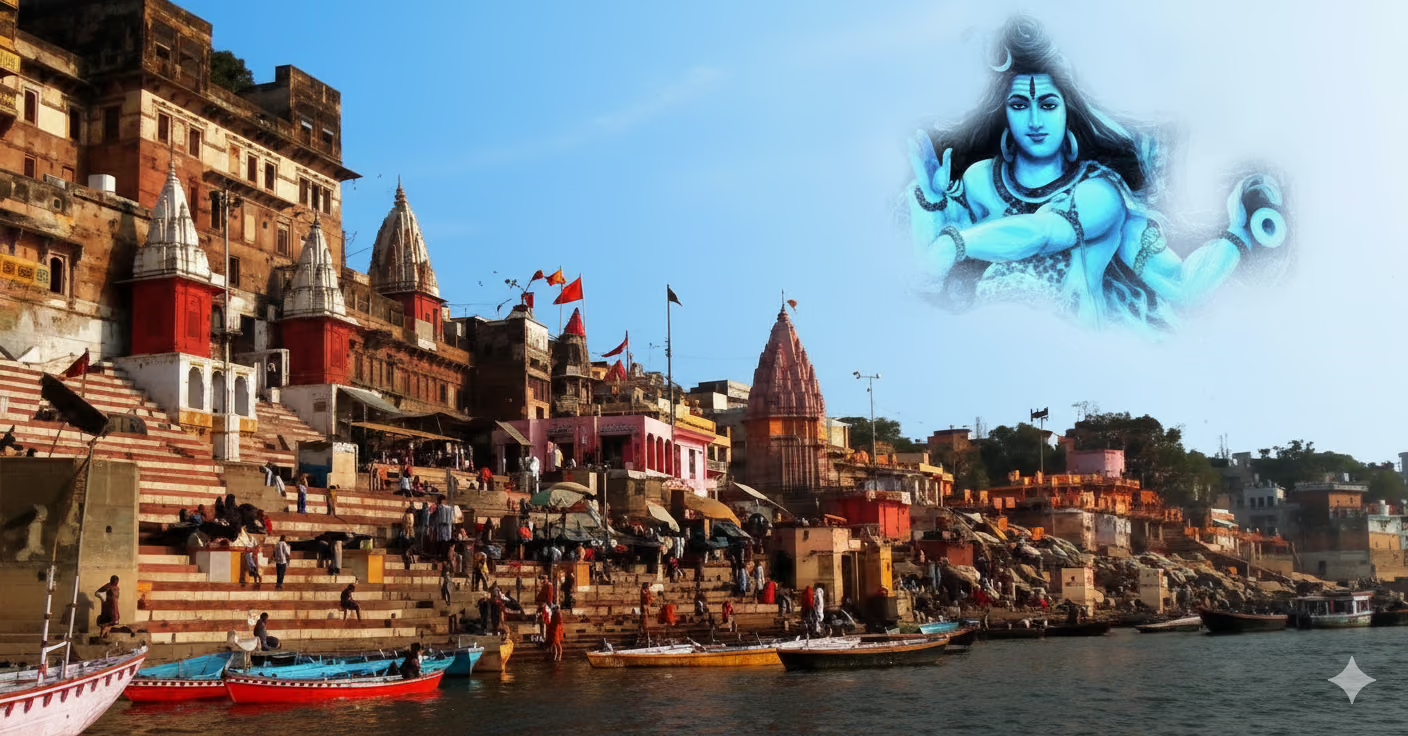
- •At the southern edge of Varanasi, where the sacred Ganga begins its graceful curve, Assi Ghat unfolds as a living canvas of devotion, art, and quiet contemplation.
- •Here, the ancient city's spiritual pulse beats in harmony with the gentle lapping of river waves, while the morning sun casts a golden glow over stone steps and saffron-clad ascetics.
- •This is not merely a ghat; it is a threshold where timeless rituals meet the transient beauty of everyday life, drawing seekers and wanderers into its serene embrace.
Highlights
- Subah-e-Banaras cultural show at dawn
- Morning yoga session on the ghat steps
- Boat ride to see Assi river confluence
- 84 ghats pilgrimage starting point ritual
- Evening Ganga aarti with oil lamps
- Walk to nearby Durga Kund temple
Religious Significance
Assi Ghat holds profound spiritual significance as the southern gateway to Varanasi's sacred circuit, where bathing is believed to absolve sins and grant liberation. It is uniquely associated with the goddess Assi, a form of Durga, and the confluence of the Assi river, making it a powerful site for purification rites. For the global community of seekers, it symbolizes a bridge between ancient wisdom and contemporary exploration, embodying the city's role as a living university of life and devotion.
Dress Code
Visitors should dress modestly, covering shoulders and knees, as a mark of respect for the sacred surroundings. Comfortable, breathable clothing is recommended for the humid climate, and light cotton attire is ideal for early morning rituals and boat rides.
Facilities
The ghat offers basic amenities including changing rooms, public restrooms, and shoe stands for pilgrims. Numerous small eateries and tea stalls line the approach, and boat rides are readily available for river excursions, with ATMs and cyber cafes located nearby.
Festivals
- •Assi Ghat hosts the vibrant Subah-e-Banaras, a morning cultural and spiritual event that includes yoga sessions, classical music performances, and devotional singing, drawing both locals and visitors.
- •During the festival of Dev Deepawali, celebrated 15 days after Diwali, the ghat is illuminated with thousands of oil lamps, creating a breathtaking spectacle on the river.
- •Additionally, the ghat becomes a focal point during Nag Panchami and other lunar festivals, when devotees gather for special rituals and processions.
History
- •Assi Ghat's origins are steeped in legend, believed to be the spot where the river Assi merges with the Ganga, a confluence mentioned in ancient scriptures like the Matsya Purana.
- •Historically, it has served as a favored residence for scholars and spiritual seekers, with the nearby Tulsi Manas Mandir commemorating the 16th-century poet Tulsidas who composed the Ramcharitmanas here.
- •Over centuries, the ghat evolved from a humble bathing spot into a vibrant cultural hub, especially during the 20th century when it became a magnet for international students and travelers.
- •Today, its stones bear witness to countless dawns of prayer and the enduring legacy of Varanasi's intellectual and spiritual traditions.
Architecture
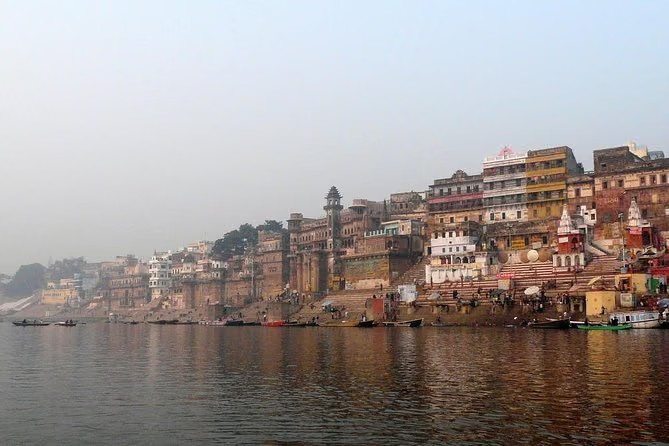
- •The ghat's architecture is a harmonious blend of weathered stone steps, known as ghats, that descend steeply into the river, flanked by a mix of ancient temples, ashrams, and modern guesthouses.
- •The prominent Shivalinga beneath a peepal tree near the riverbank marks the sacred confluence of the Assi and Ganga, a focal point for daily worship.
- •The nearby Tulsi Manas Mandir, built in 1964, showcases white marble with intricate carvings depicting scenes from the Ramcharitmanas, while the ghat's open pavilions and terraces offer panoramic views of the river and the city's skyline.
- •Despite modern additions, the ghat retains an organic, unplanned character that reflects centuries of layered history.
Travel Tips
- Stay close to the ghat for easy rest breaks: Book accommodation within a 5-minute walk of Assi Ghat, as the approach roads are narrow and auto-rickshaws may not drop you right at the steps. Plan for a mid-visit rest at one of the nearby cafes or the shaded benches near the temple, and carry water and light snacks.
- Use the boat ride for a less strenuous view: Instead of climbing down to the water’s edge, hire a shared boat for the morning aarti or sunrise view—it offers excellent sightlines and saves seniors from uneven, slippery steps. Negotiate the fare in advance and choose a boat with a stable boarding plank and life jackets.
- Keep a firm grip on belongings during crowded ceremonies: During the evening Ganga aarti (around 6:30–7:00 PM), the crowd swells and pickpocketing is not unheard of—wear a cross-body bag with zippers and keep it in front. For groups, designate a meeting point (like the big banyan tree or the police booth) in case anyone gets separated.
- Use the right footwear and walking aid: Wear non-slip, closed-toe sandals with good grip, as the steps are often damp and algae-covered near the waterline. If using a walking stick, choose one with a rubber tip and avoid the narrow, steep side staircases—stick to the main wide steps and use the handrails where available.
- Arrive before sunrise, but not too early: Reach Assi Ghat by 5:15 AM to secure a comfortable spot on the upper steps, avoiding the crowded lower areas. Bring a foldable stool or cushion, as the stone steps can be hard on knees and hips for seniors.
Things to Do
Attend the Subah-e-Banaras cultural performance at the ghat's pavilion
1 hourThis daily morning program (around 6–7 am) features classical music, bhajans, and dance performed by local artists on a raised stage near the ghat. It's free to watch, and you can sit on the steps or bring a foldable stool for comfort.
Take a shared wooden rowboat ride to the Dashashwamedh Ghat and back
2 hoursFrom Assi Ghat, hire a boatman for a slow, guided rowboat journey north along the river, passing other ghats like Tulsi and Hanuman. You'll see early morning bathers, temple spires, and the famous burning ghat from a safe distance – best done before 8 am when the river is calm.
Join a morning yoga session on the ghat's open platform
1 hourMany local instructors lead free or donation-based hatha yoga classes on the flat stone area near the Assi Sangam (confluence of Assi and Ganga rivers). Sessions typically begin after sunrise and are suitable for beginners, with mats provided or use a cloth on the stones.
Visit the Assi Sangam – the confluence point of the Assi and Ganga rivers
30 minutesWalk to the southern end of the ghat where the small Assi river meets the Ganges. This spot is considered sacred – a dip here is believed to wash away sins – and you'll see locals performing rituals, and a small shrine dedicated to the goddess Assi.
Explore the narrow lanes behind the ghat for a chai and kachori breakfast
1 hourAfter sunrise, wander into the alleys near Assi crossing, where small stalls serve piping hot chai, aloo kachori, and jalebi. Look for the famous "Blue Lassi" shop a few minutes' walk away – a perfect ending to your morning ritual.
Watch the Subah-e-Banaras sunrise from the main ghat steps
1.5 hoursArrive before dawn to see the iconic orange-and-pink sky over the Ganges while the Subah-e-Banaras cultural program begins with hymns and chants. Find a spot on the upper stone steps to avoid the crowd and soak in the peaceful transition from night to day.
Frequently Asked Questions
Early morning, around 5 to 6 am, is ideal to see the subah-e-Banaras ritual, when priests perform the Ganga aarti with oil lamps and conch shells in the soft dawn light. Evenings are also popular for the larger, more dramatic aarti, but mornings are quieter and easier for senior travellers to navigate without heavy crowds.
The ghat has a long flight of stone steps, so there is no ramp, but you can hire porters or take a cycle-rickshaw to the top area and then use the handrails carefully. Boat rides are flat-entry and safe, but you must step down onto the boat from a floating platform, so ask the boatman to hold the boat steady and help you board.
Yes, there are public toilets near the main entrance of the ghat, but they are basic and may require a small fee; it is best to carry your own tissue and hand sanitiser. For resting, there are several shaded benches and small tea stalls along the upper promenade, and nearby cafes offer air-conditioned seating if you need a break.
Wear modest, comfortable clothing that covers your shoulders and knees, as it is a religious site, and carry a light shawl or scarf for the cool morning or evening breeze. For the aarti, bring a small mat or folded cloth to sit on the steps, and keep your shoes in a bag or leave them with a shoe-minder (pay a small tip) as you will be barefoot near the water.
Monkeys are common around the ghat, so do not carry open food or plastic bags—keep snacks in a closed backpack and avoid eye contact with them. Do not touch or bathe in the Ganga water here due to pollution; also, be careful of slippery steps near the waterline, and wear non-slip footwear or go barefoot only on dry, clean areas.
Quick Information
Best Time
October to March
Related Topics
Tour Packages for Varanasi



Explore More of Varanasi
Destination Hub
Varanasi OverviewSpiritual & Temple Guides
Places to Explore
Discover attraction
Discover attraction
Discover attraction
Discover attraction
Discover attraction
Discover attraction
Discover attraction
Discover attraction
Discover attraction
Discover attraction
Discover attraction
Discover attraction
Discover attraction
Discover attraction
Discover attraction
Discover attraction
Discover attraction
Discover attraction
Discover attraction
Discover attraction
Discover attraction
Discover attraction