
Chauk Market
Overview
- •Chauk Market, nestled in the heart of Varanasi's ancient thoroughfares, is a sensory kaleidoscope where the sacred and the everyday intertwine.
- •Its labyrinthine lanes, saturated with the scent of marigolds, incense, and sizzling street food, offer a quintessential experience of the city's timeless spirit.
- •Here, pilgrims and travelers alike navigate a vibrant tapestry of silk weaves, brassware, and spiritual paraphernalia, making it an indispensable stop on any journey to the holy city.
Highlights
- Watch saree weavers at handloom looms
- Shop for pure zari brocade borders
- Taste fresh kachori with spicy aloo
- Visit the 200-year-old Gopal Mandir
- See silk thread being dyed in alleys
- Buy traditional Banarasi paan from old stalls
Religious Significance
Chauk Market is more than a shopping destination; it is the pulsating commercial heart of Varanasi's spiritual and cultural life. It serves as the primary provisioning ground for pilgrims, offering everything required for worship, from rudraksha beads and brass bells to silk cloth for deities. The market also embodies the city's famed craftsmanship, particularly in silk weaving and metalwork, making it a vital economic engine that sustains generations of artisans. For visitors, navigating Chauk is an immersive dive into the living traditions that make Varanasi a unique and enduring pilgrimage site.
Dress Code
As a public market in a traditional city, modest dress is recommended to respect local customs and facilitate comfortable movement through crowded lanes. Lightweight, breathable clothing that covers shoulders and knees is advisable, along with comfortable footwear as you will be walking extensively.
Facilities
The market offers basic facilities including numerous small eateries and sweet shops for refreshment, and ATMs are available on the main thoroughfares. Restrooms are scarce, so it is wise to use facilities at your hotel before exploring. Shops generally accept cash, though some larger establishments may take digital payments.
Festivals
- •During major Hindu festivals, Chauk Market transforms into a riot of color and devotion.
- •For Diwali, the lanes are illuminated with countless oil lamps and electric lights, and shops overflow with sweets, gifts, and puja items.
- •During Holi, the market becomes a playground of colors, with celebrants smearing each other with gulal, while the atmosphere is charged with music and festivity.
- •Additionally, during the month of Shravan and other auspicious periods, the market sees a surge of pilgrims purchasing offerings for the Shiva temples, adding a layer of spiritual fervor to the commercial bustle.
History
- •Chauk Market has evolved over centuries as a central commercial hub within Varanasi's old city, its origins intertwined with the city's historic role as a center of pilgrimage and trade.
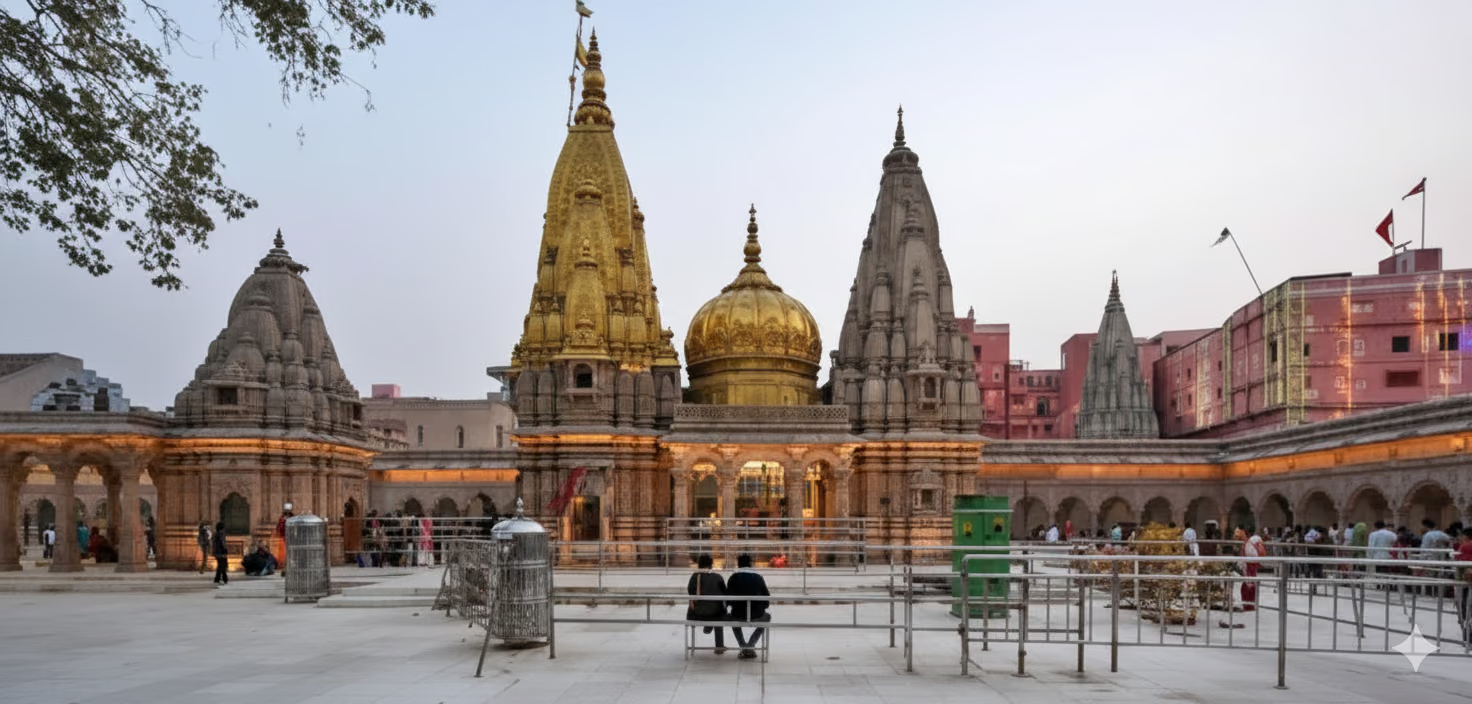
- •While the precise founding date is not recorded, the market has long served the needs of pilgrims visiting the nearby Kashi Vishwanath Temple and other sacred sites.
- •Its narrow, winding lanes reflect the organic growth of a marketplace that has adapted through Mughal, British, and post-independence eras.
- •Today, it stands as a living repository of Varanasi's mercantile and cultural heritage, continuing to thrive amidst the modern city.
Architecture
- •The architecture of Chauk Market is characterized by densely packed, multi-storied buildings that lean over the narrow lanes, creating a shaded, almost tunnel-like atmosphere.
- •Traditional structures feature wooden facades, carved balconies, and intricately designed doorways, some dating back over a century.
- •The market's layout is a maze of interconnected galis (alleys), each often dedicated to a specific trade, from jewelry to textiles.
- •This dense, organic architectural fabric is a hallmark of Varanasi's old city, offering a glimpse into pre-modern urban planning where commerce and community were intimately interwoven.
Travel Tips
- Keep your group together with a meeting point: Since Chauk Market is a maze of narrow alleys, agree on a fixed landmark (like the main clock tower or a specific sweet shop) as a meeting spot. This prevents anyone from getting lost, especially if some members want to split up for shopping.
- Wear flat, non-slip footwear: The market’s lanes are uneven and sometimes dusty or damp, especially near food stalls. Sturdy, closed-toe shoes with good grip prevent slips and reduce foot fatigue during long walks.
- Carry small change and keep valuables secure: Many vendors prefer cash and may not have change for large notes, so bring small denominations. Use a cross-body bag or money belt worn under clothing, and avoid displaying jewellery or phones, as crowded areas can attract pickpockets.
- Plan for rest and hydration stops: Identify a few tea stalls or shaded benches along the main lane where your group can sit and rehydrate every 30–40 minutes. Carry your own water bottles, and if any senior feels tired, rest there rather than pushing through the entire market at once.
- Start early to avoid crowds and heat: Visit Chauk Market right after it opens, around 9–10 AM, when it’s cooler and less crowded. This makes walking easier for seniors and lets your group browse shops without jostling.
Things to Do
Browse Banarasi silk sarees at the traditional weaving shops
2 hoursWalk through the narrow lanes of Chauk Market and step into family-run shops like those near the Gola Dinanath intersection, where you can see handloom sarees in intricate zari work. Ask to see the difference between pure silk and blended varieties, and watch a quick demo of how the fabric is draped.
Taste local sweets at the famous Chauk sweet shops (e.g., Ram Bhandar)
30 minutesStop by a long-standing halwai (sweet maker) like Ram Bhandar, known for its hot jalebis and creamy rabri. Sit on a wooden stool and enjoy these fresh treats with a glass of thandai, a local milk-based drink flavoured with saffron and nuts.
Visit the historic Gopalji Temple (also called Gopal Mandir)
45 minutesLocated in the heart of Chauk, this 19th-century temple dedicated to Lord Krishna features a distinctive red spire and a peaceful courtyard. Observe the morning aarti (prayer) and the local devotees offering flowers, a quiet contrast to the bustling market outside.
Shop for hand-block printed textiles and brocade accessories
1 hourBeyond sarees, Chauk is famous for its smaller stalls selling dupattas (scarves), stoles, and silk thread bangles. Bargain politely for a few pieces, and look for the distinctive “Kadhua” weave on the borders — a signature of Varanasi’s high-end brocade work.
Take a short rickshaw ride to the nearby Kashi Vishwanath Temple (Darbhanga Ghat side)
1.5 hours (including ride and walk around)From Chauk, hire a cycle-rickshaw for a 10-minute ride to the temple’s southern entrance near the ghats. This allows you to see the bustling temple precinct and the sacred Ganges from a distance, without the long queue if you just view the exterior and the surrounding bazaar.
Explore the old haveli courtyards and painted doorways
1.5 hoursWander off the main bazaar lane into the residential alleys, where you’ll find crumbling but ornate havelis (merchant mansions) with carved wooden balconies and faded frescoes. These private homes are not open to the public, but you can admire the facades and chat with friendly shopkeepers who often share stories about the area’s royal past.
Frequently Asked Questions
The market is most pleasant between 9:00 AM and 11:30 AM, when shops are open but the rush of midday shoppers hasn't begun. Avoid afternoons, as the heat and congestion can be tiring for senior travellers. Evenings are lively but very crowded, so mornings are ideal for a relaxed stroll.
Chauk Market is known for its traditional Chanderi and Banarasi silk sarees, wooden handicrafts, and brassware. You'll also find local spices, jaggery, and handwoven cotton fabrics at reasonable prices. For a light souvenir, pick up a small brass diya or a packet of regional chai masala.
The market is not fully wheelchair-friendly, as lanes are narrow, uneven, and often crowded with carts and foot traffic. However, many shopkeepers are helpful and will bring items to a chair near the entrance if you ask. Plan for short, slow walks and take breaks at the small tea stalls along the main lane.
Public restrooms are scarce inside the market, but a few larger shops and nearby restaurants allow customers to use their facilities if you make a small purchase. There are a few shaded benches near the main temple at the market's edge, which are good for resting. It's advisable to use facilities at your hotel before arriving.
Bargaining is common and expected, but always start politely with a smile and a friendly greeting. Offer about 60-70% of the quoted price for non-fixed items, and be prepared to walk away gently if the price isn't right. For senior travellers, shopkeepers often respect a calm, respectful approach and may give a small discount for cash payments.
Quick Information
Best Time
October to March
Related Topics
Tour Packages for Varanasi




Explore More of Varanasi
Destination Hub
Varanasi OverviewSpiritual & Temple Guides
Places to Explore
Discover attraction
Discover attraction
Discover attraction
Discover attraction
Discover attraction
Discover attraction
Discover attraction
Discover attraction
Discover attraction
Discover attraction
Discover attraction
Discover attraction
Discover attraction
Discover attraction
Discover attraction
Discover attraction
Discover attraction
Discover attraction
Discover attraction
Discover attraction
Discover attraction
Discover attraction